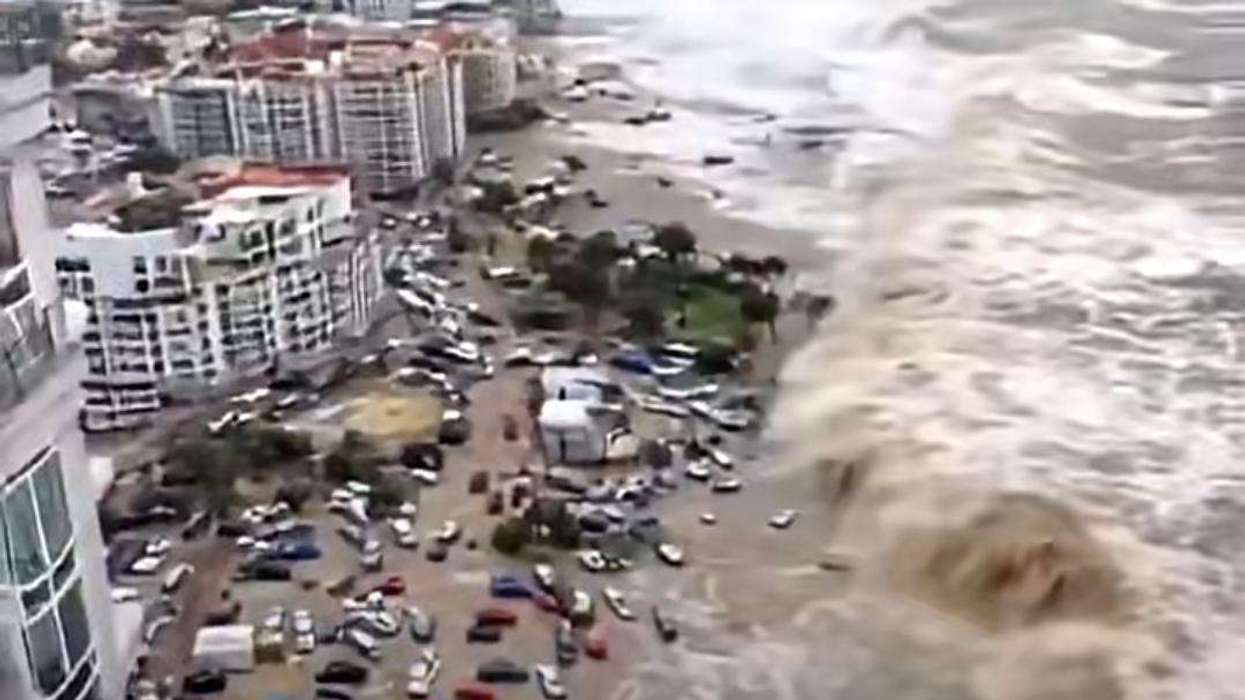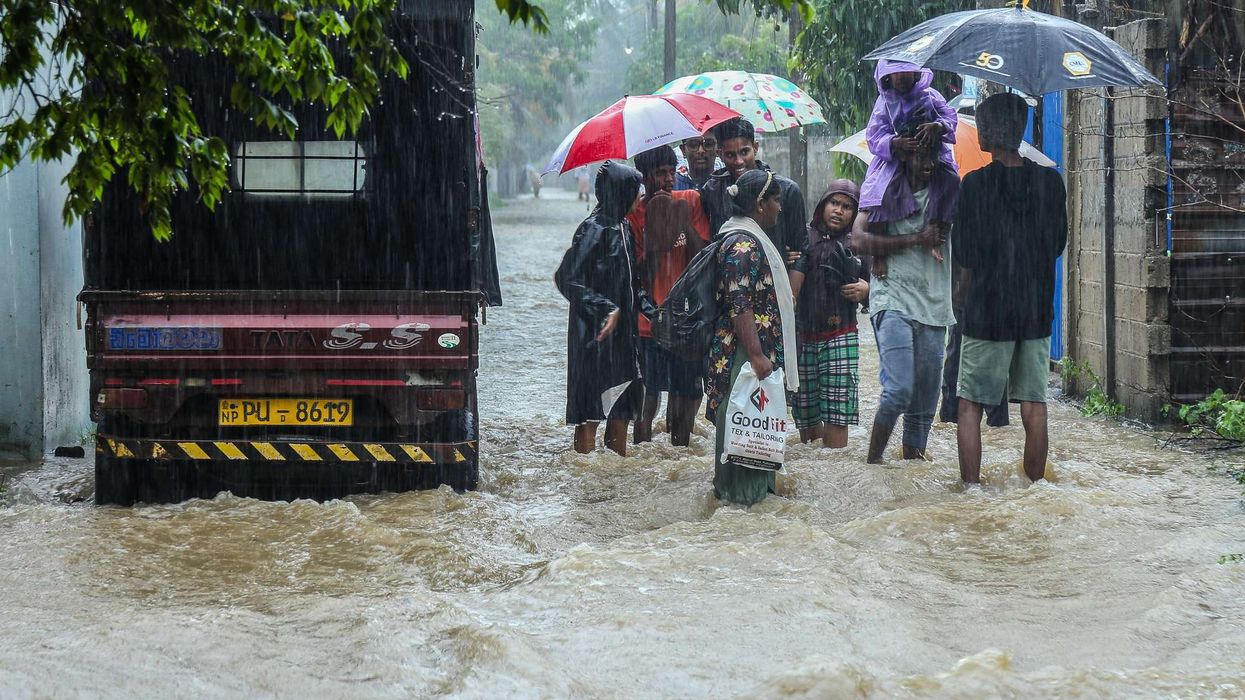

FLOODS and landslides caused by heavy rains have killed at least 31 people across Sri Lanka this week, with 14 others missing, the Disaster Management Centre (DMC) said on Thursday.
The DMC said most deaths were in the central tea-growing district of Badulla, where 16 people were buried when mountain slopes collapsed onto their homes overnight.
Another four people were killed in a similar incident in neighbouring Nuwara Eliya district. Other fatalities were reported in different areas.
Nearly 400 homes have been damaged in mudslides, and more than 1,100 families have been moved to temporary shelters.
River levels were rising across the country, the DMC said, and residents in low-lying areas were asked to move to higher ground.
Sri Lanka is in the northeast monsoon season, and rains have increased due to a depression east of the island, according to the DMC.
The government has suspended final-year school examinations across the country for two days because of the weather.
Forecasts showed more than 100 millimetres of rainfall expected across Sri Lanka, with some northeastern areas likely to receive 250 millimetres on Thursday.
This week’s deaths mark the highest weather-related toll since June last year, when 26 people died after heavy rains. In December, 17 people were killed in flooding and landslides.
Sri Lanka relies on monsoon rain for irrigation and hydroelectricity, though experts have said the country may face more frequent floods due to climate change.
(With inputs from agencies)