
Highlights
- He seeks autonomy for Tibet, not full independence from China
- Beijing claims sole right to name the Dalai Lama's successor
- China calls the exile government illegal
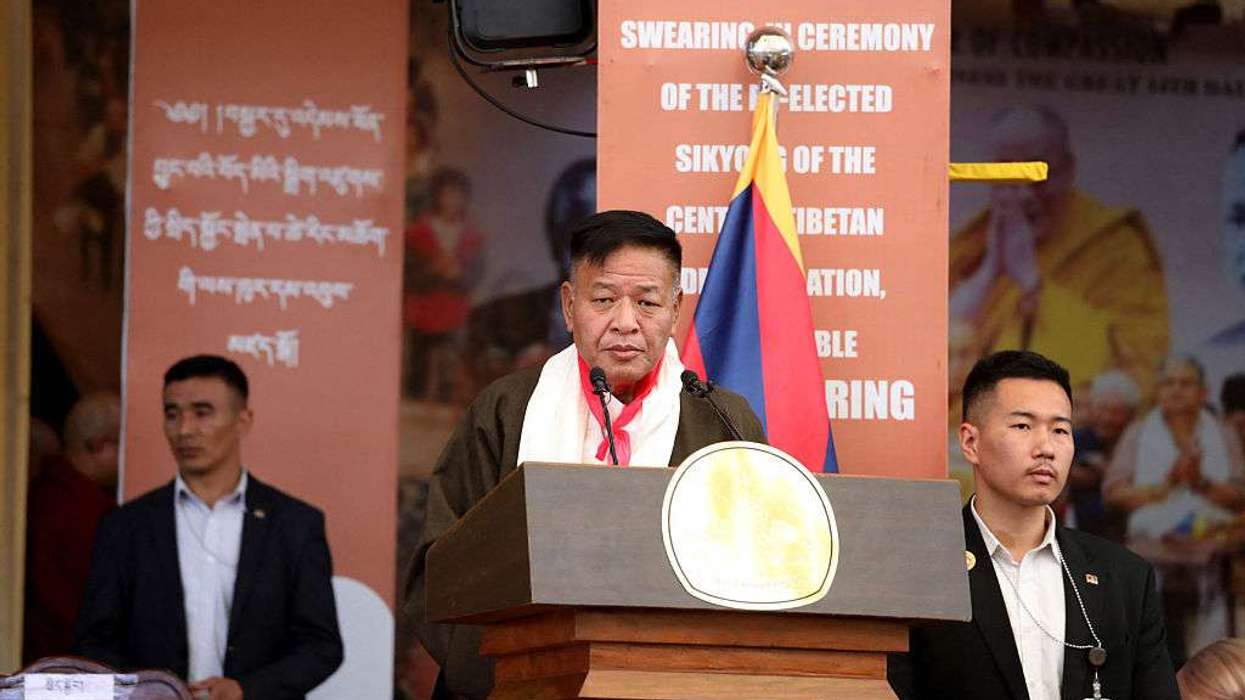
PENPA TSERING was sworn in for a second term as leader of Tibet's government-in-exile on Wednesday (27), with the Dalai Lama looking on at a ceremony in the northern Indian hill town of Dharamshala.
Tsering, whose title is sikyong, won 61 per cent of the vote in the first round of elections held across 27 countries in February and April — enough to secure outright victory.
He said he did not seek full independence for Tibet, but backed the Dalai Lama's long-standing "Middle Way" policy, which calls for autonomy and a "resolution to the Sino-Tibet conflict through non-violence, dialogue and mutual benefit".
Traditional dancers performed at the ceremony, watched by crowds of red-robed monks and nuns.
Taking his oath of office before justice officials and the Dalai Lama, Tsering urged Tibetans to set aside their differences. "We urge all Tibetans to remember our shared identity as political exiles, foster unity, and fulfil our individual responsibilities towards the common cause of Tibet," he said.
"Despite the Chinese government's systematic efforts to undermine Tibetan national identity, China cannot weaken the Tibetan people's enduring bond with their homeland."
Voters range from monks to refugees
The India-based Central Tibetan Administration (CTA), which China condemns as a separatist political group, represents an estimated 150,000 Tibetans living in exile worldwide. Its 91,000 registered voters range from Buddhist monks in the high Himalayas to refugees in Australia, Europe and North America. The 45-member parliament sits twice a year.
Tsering thanked India and the US for their support. "Your support remains key to the effective continuation of our struggle for truth," he said.
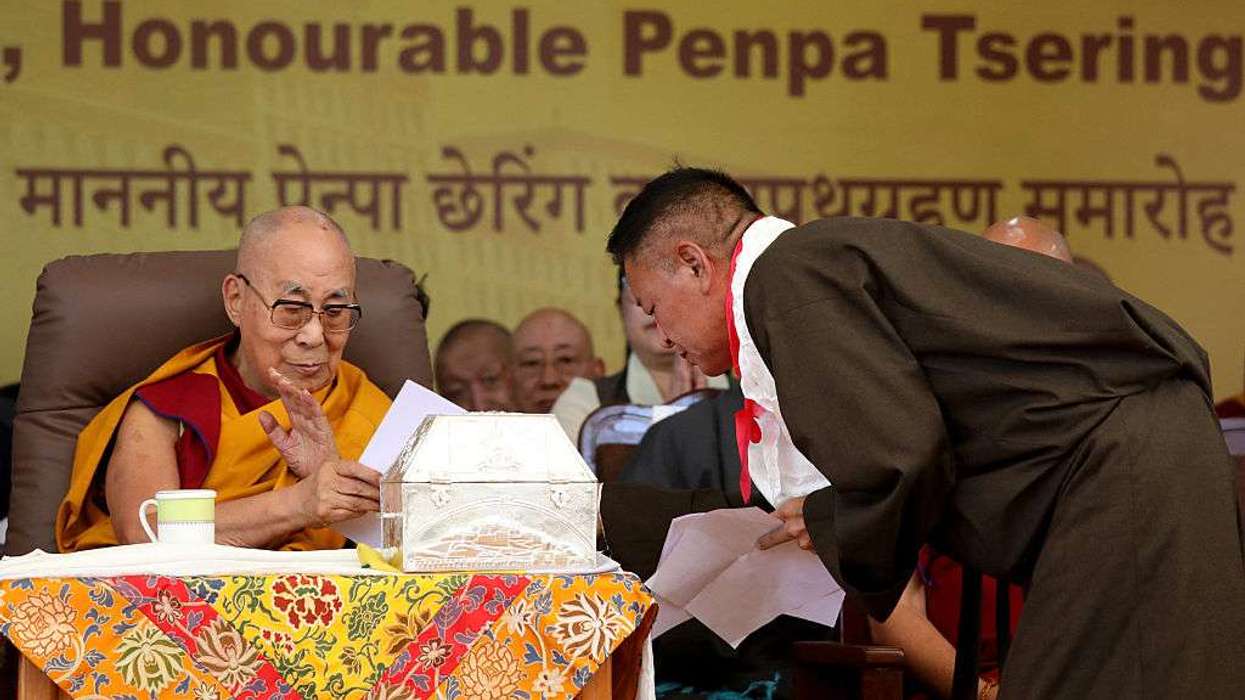 Tibetan spiritual leader the Dalai Lama (L) attends the oath taking ceremony of government's "sikyong" or leader Penpa Tsering (R), President of the Central Tibetan Administration at Namgyal Monastery in McLeod Ganj near Dharamsala on May 27, 2026. (Photo by Sanjay BAID / AFP via Getty Images)
The exiled electorate represents only a fraction of ethnic Tibetans — the CTA estimates six million worldwide, against more than seven million counted by China in its 2020 census. Beijing, which sent troops into Tibet in 1950, calls the exile administration an illegal organisation that violates Chinese law.
The 90-year-old Dalai Lama has lived in India since fleeing Lhasa after Chinese troops crushed an uprising in 1959. He smiled and waved during Wednesday's ceremony and insists he has many more years to live. But his supporters are acutely aware that China said last year it must approve his eventual successor — a claim the Dalai Lama rejects, insisting only his India-based office holds that right.
Tibetan Buddhists believe he is the 14th reincarnation of a spiritual leader first born in 1391.
"We remain committed to countering disinformation and misleading narratives propagated by the Chinese government regarding His Holiness the Dalai Lama's reincarnation," Tsering said.
(with inputs from AFP)