Highlights:
- Event part of South Asian Heritage Month, taking place in London
- Focus on fertility challenges faced by the South Asian community in the UK
- Speakers include individuals with lived experience and reproductive health experts
- HFEA data reveals ethnic disparities in IVF outcomes and patient satisfaction
- Aims to break taboos, encourage open dialogue, and advocate for tailored care
Fertility event aims to spotlight inequalities and cultural stigma
A landmark event during South Asian Heritage Month will explore the unique fertility challenges faced by South Asian communities in the UK. Titled Breaking the Silence – Fertility Journeys in the South Asian Community, the event will take place in London on Tuesday 5 August from 5:30pm to 8:15pm.
The panel gathering will feature individuals with lived experience of infertility, baby loss and involuntary childlessness, alongside clinicians and mental health professionals specialising in reproductive care. The goal is to open up often-silenced conversations and address disparities in access to fertility treatment and patient outcomes among South Asian groups.
Ethnic disparities in fertility treatment outcomes
The event follows recent data from the Human Fertilisation and Embryology Authority (HFEA), which highlights troubling disparities in fertility treatment success. While overall IVF birth rates continue to improve, success rates for Asian patients remain lower. For those aged 18–37, the birth rate per embryo transferred is 27% for Asian patients and 25% for Black patients, compared with 33% for White patients.
The figures reflect long-standing concerns that ethnic minority patients do not receive the same quality of care or outcomes as others. Beyond clinical results, the HFEA’s National Patient Survey found that Black and Asian patients are less likely to report satisfaction with their fertility treatment.
Cultural barriers and need for tailored support
The panel event will tackle the cultural taboos and stigma often surrounding fertility within South Asian communities. Organisers hope the conversation will not only validate the emotional and social challenges many individuals face but also lead to meaningful action around culturally competent care.
Attendees will hear from those who have navigated complex fertility journeys, as well as professionals who are working to improve reproductive healthcare for ethnic minority communities. By fostering open dialogue, the event aims to break down barriers, increase awareness, and help bridge the gap in patient experience and outcomes.
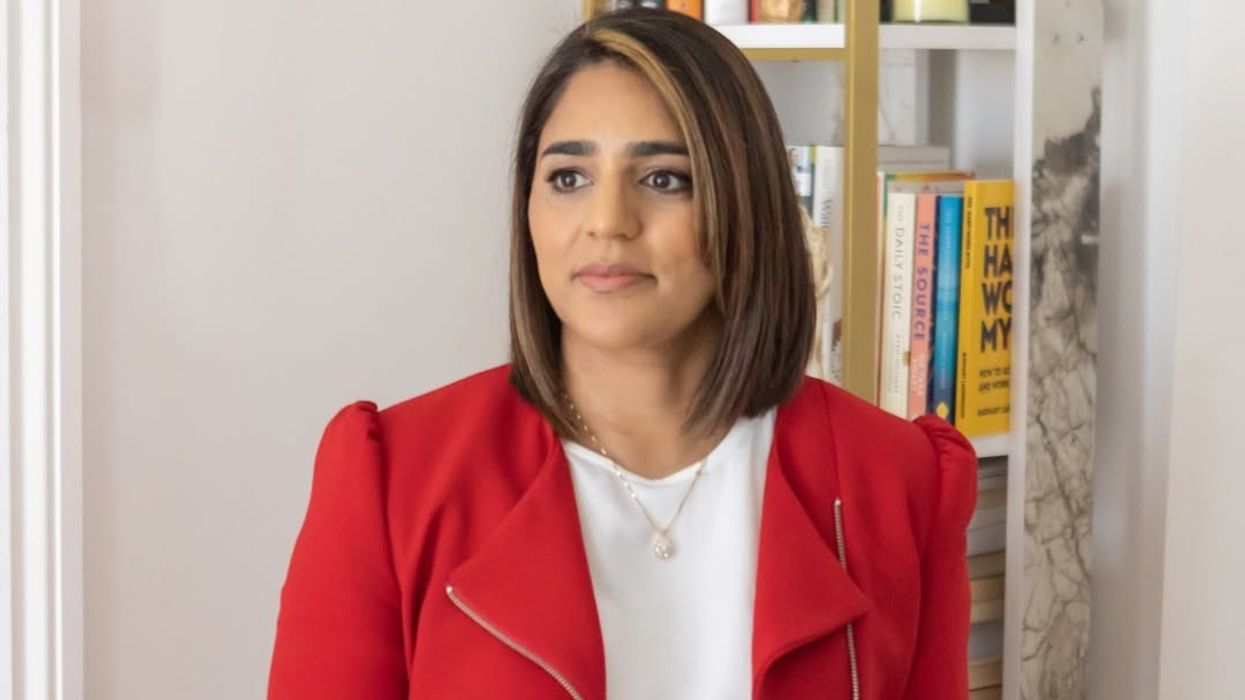 Anita GuruInstagram/ _themindcoach_
More information
To attend or for further details, please get in touch with Anita Guru
Mail: anita@fertilitynetworkuk.org