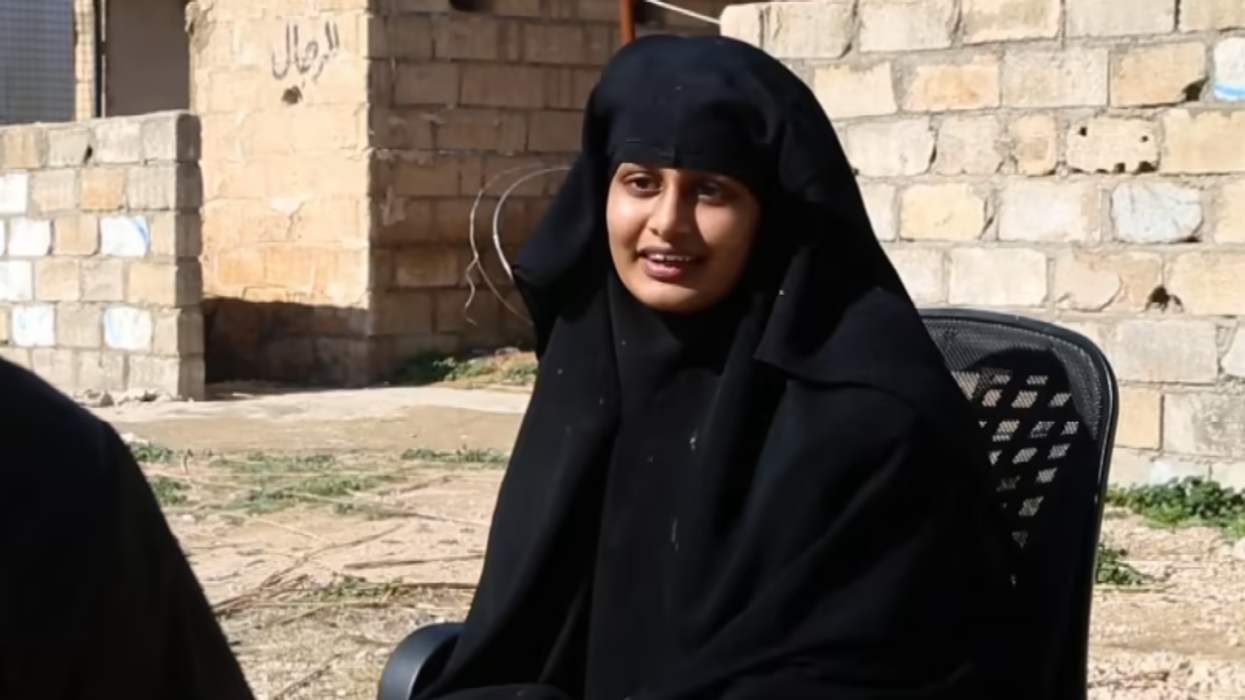

A new book has claimed that Shamima Begum was smuggled into Syria by a Canadian spy to join Daesh (Islamic State group), according to media reports.
The book 'The Secret History of the Five Eyes' by Richard Kerbaj has accused Canada of withholding information about Begum's whereabouts while the Metropolitan police scrambled an international search for them.
Five Eyes is the network of intelligence-sharing between Britain, the US, Canada, Australia and New Zealand.
It added that Canadian intelligence did not learn that Begum had been recruited until four days after she left Britain, and crossed the border into Syria.
Begum was a 15-year-old schoolgirl when she and Kadiza Sultana, 16, and Amira Abase, 15, at Bethnal Green academy travelled from east London to Syria in 2015.
According to the book, they met a man called Mohammed Al Rashed at Istanbul bus station. Rashed is said to have been a double agent who shared Begum’s passport details with Canada and smuggled dozens of others from Britain to fight for the Islamic State.
Rashed went to the Canadian embassy in Jordan in 2013 to apply for asylum, the book claims. He claimed that Canada told him he might get citizenship if he collected information about IS activities.
Besides, he had taken photographs of the passports of those he smuggled to IS under the pretence of needing ID to buy transport tickets. He then forwarded them on to his handler at the Canadian security intelligence service in the embassy in Jordan, the book further revealed.
He was arrested in Şanlıurfa, Turkey, days after facilitating the girls’ journey.
Begum's family lawyer Tasnime Akunjee has also argued that she was trafficked out of the country.
Reports suggested that the new Canadian involvement, including organising bus tickets for the schoolgirl, will reignite the debate over the removal of her British citizenship.
Britain's home ministry revoked her citizenship on national security grounds after she was discovered heavily pregnant in a Syrian refugee camp in February 2019.
Now she is fighting the ministry's order and said she would be prepared to return to face terror charges so she can prove her innocence.
"Canada’s intelligence service remained silent about the explosive allegations, taking refuge in the one thing that protects all intelligence agencies, including those within the Five Eyes, against potential embarrassment: secrecy," Kerbaj wrote in the book.
“For seven years now this has been covered up by the Canadians,” he told the Guardian, adding that multiple Canadian intelligence officials confirmed the timeline of events.
“I think the cover-up is worse in the offence in many ways here because you would expect human intelligence agencies to recruit members of criminal groups and terrorist groups," he said.
Kerbaj said British authorities also failed to be open once they learned of Rashed’s role for Canada in recruiting the girls.
According to the author, a key argument in the case would be that Sajid Javid, who was the UK home secretary at the time, did not consider that she was a victim of trafficking.
Last year, the supreme court upheld a 2019 decision to bar the now 23-year-old from returning to the UK.
Begum lives in a detention camp in northern Syria, having given birth to three children, all of whom died young. Sultana was reportedly killed in a Russian air raid and Abase is missing.