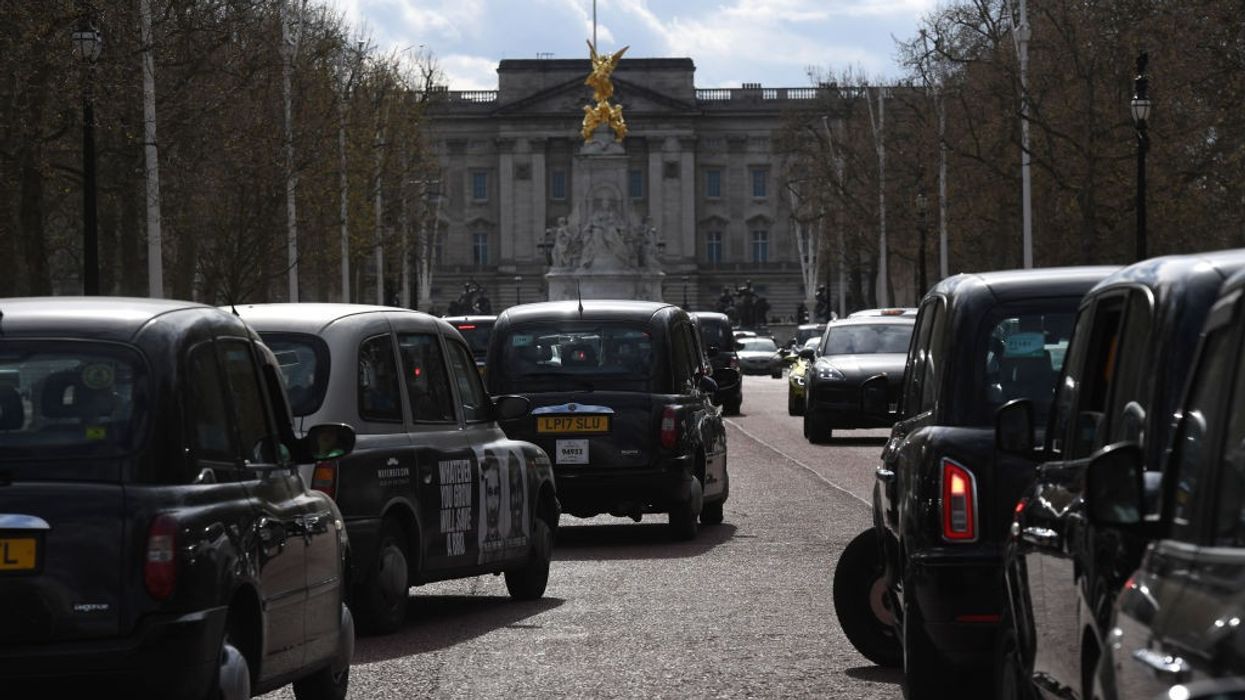

A UK employment tribunal upheld a taxi firm’s action on a Muslim cab driver for breaching its dress code.
Zulquarnain Ali moved the tribunal against Leeds Taxi Owners Ltd which had temporarily suspended him from accessing its system for wearing shalwar kameez instead of the “smart western dress” while at work.
Ali contended that the action against him amounted to “discrimination” against him on the grounds of his religion.
The hackney carriage driver found shalwar kameez – a traditional dress in the Indian subcontinent, particularly Pakistan – convenient as it allowed to visit mosques and pray, a MailOnline report said on Friday (13).
According to the terms of his association with the firm, the driver, licenced by the Leeds City Council, was free to pick up customers from the street while also having access to the taxi operator's booking system to get passengers.
The tribunal dismissed his case on the technical grounds that he was not an employee of the taxi operating firm.
“There is no dispute that Leeds Taxi Owners had a written policy that its drivers should wear smart western dress and not shalwar kameez”, the single-judge tribunal said.
It said Ali only signed up to the firm to access the booking system and it essentially meant that he was a self-employed driver. The tribunal, however, said he was bound by the firm’s dress code.
“He does not have any obligation to log on and do that work at any time... He is essentially choosing between different available sources of work throughout his working time.”
“Mr Ali is also bound by the rule about dress code”, the tribunal said.
“That is one factor pointing towards a degree of subordination and integration into a business…” it said, adding that it was “outweighed by the other factors that point more towards true self-employment”.