
Highlights
- About 5,000 prisoners are due to be released earlier under the scheme.
- Some offenders could leave prison after serving a third of their sentence.
- Mahmood said prisons had fewer than 80 spaces when she became justice secretary.
- Fewer than 1,800 spaces remain in men's prisons, which are 98 per cent full.
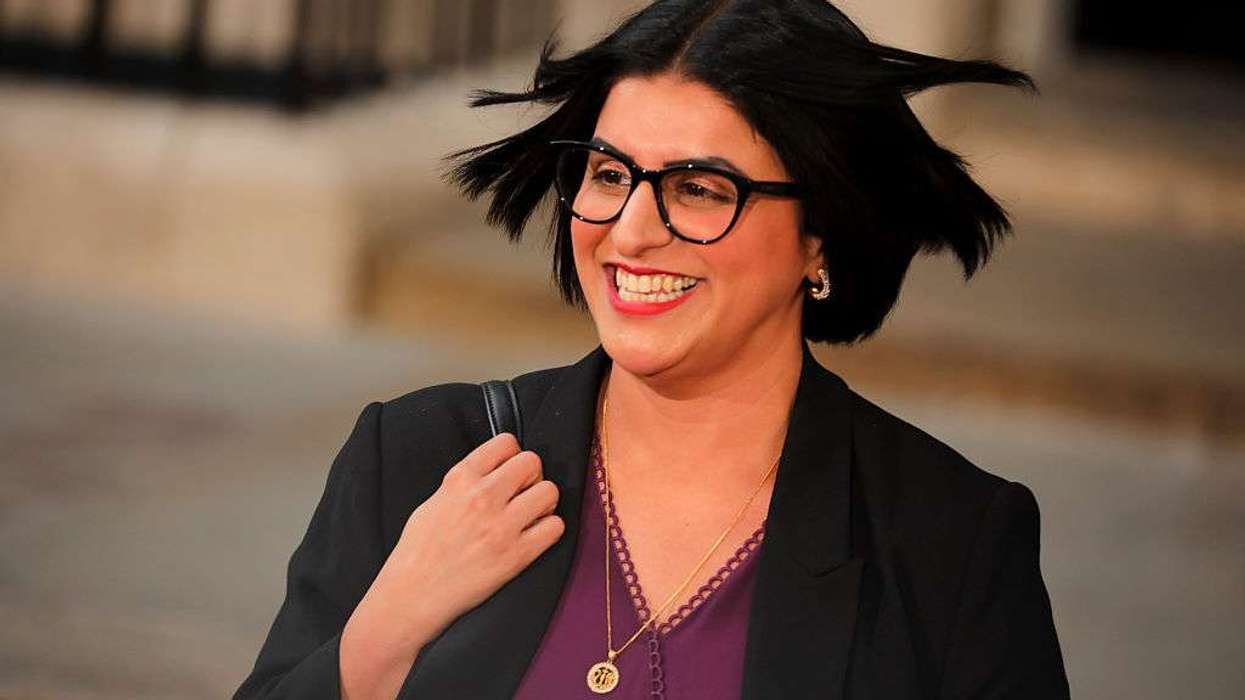
HOME SECRETARY Shabana Mahmood has defended a controversial early release scheme that could free thousands of prisoners earlier than expected, saying she was forced to include killers, rapists and child sex offenders because England and Wales were running out of prison places.
Mahmood, who was justice secretary when the scheme was drawn up, said the prison system was “on the point of almost total collapse” when she took charge. She said fewer than 80 spaces were available across England and Wales during her first week in the job.
The scheme has triggered anger from victims and their families, particularly after some were told in June that offenders who harmed them could benefit. About 5,000 prisoners, including violent offenders, are due to be released over the next year, with some eligible after serving as little as a third of their sentence.
Mahmood said the decision was not one she wanted to make, but argued that allowing prisons to run completely out of space would have been even more damaging.
“The choices when you are about to run out are very different, and none of these are palatable choices,” she said. She added that the “worst possible outcome” was running out of prison places altogether because that could lead to a wider collapse in the criminal justice system, preventing police from making arrests and disrupting trials.
Burnham moves to tighten the rules
The scheme was created under Mahmood but was paused after Andy Burnham became prime minister. He subsequently ordered rapists, serious child sex offenders and groomers to be excluded.
Burnham has also asked justice secretary Alex Norris to find a way to prevent the killers of PC Andrew Harper from being released early. A decision is expected when parliament returns on September 1.
Jessie Cole and Albert Bowers were jailed for 13 years in 2020 for manslaughter after PC Harper was killed while responding to a quad bike theft. A third man, Henry Long, received a 16-year indeterminate sentence and does not qualify for the scheme.
The government is considering excluding prisoners convicted of manslaughter involving an “unlawful act”. The proposal has already angered domestic abuse campaigners because it would not cover some people convicted of voluntary manslaughter.
Critics have accused Burnham of “cherry-picking” which prisoners should be kept behind bars.
Prison capacity crisis returns
Mahmood's argument comes as the pressure on the prison system begins to rise again. Fewer than 1,800 spaces remain in men's prisons, leaving them 98 per cent full.
The Sentencing Act 2026 introduced an “earned progression model”, replacing automatic halfway release for prisoners serving standard determinate sentences with a system based partly on behaviour.
Most eligible prisoners can be released after serving a third of their sentence, with the remainder served under supervision in the community and, where required, electronic tagging.
Prisoners serving certain sexual or violent offences can become eligible at the halfway point rather than two-thirds, provided they have not committed serious breaches of prison rules.
The Ministry of Justice said ministers were “fast-tracking a plan to keep more of the most dangerous offenders behind bars”.
It said the government was also building 14,000 new prison places, expanding electronic tagging and investing in probation services.
Mahmood said the choices she made were about moving the system away from immediate collapse and towards a more sustainable position.
“I had to make choices that were about getting the system away from collapse,” she said.