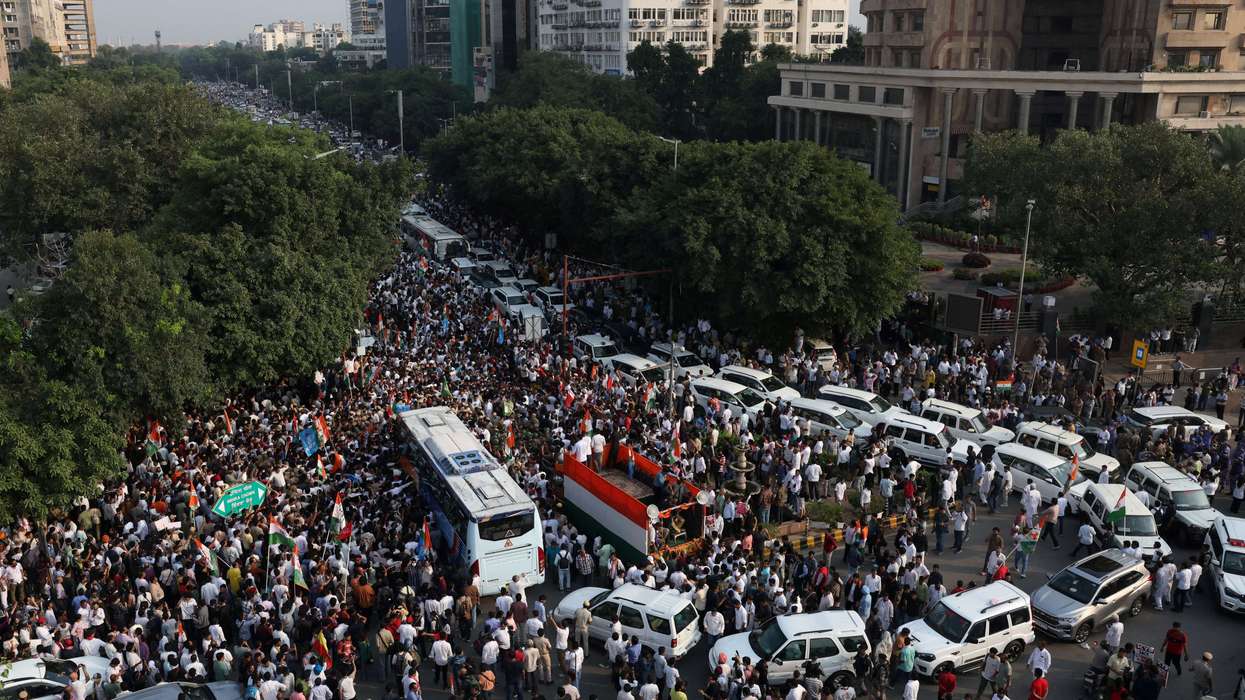

- CJP leaders detained after jumping barricades at Jantar Mantar
- Police stripped the observatory of protest site status on Monday
- Protesters demand election chief Gyanesh Kumar’s resignation
- More than 130 million names removed in voter list revision
LEADERS of India’s “cockroach” youth movement were detained in New Delhi on Tuesday after jumping barricades to enter Jantar Mantar, the historic observatory that police stripped of its status as an official protest site a day earlier.
The Cockroach Janta Party (CJP) said its leaders Ashutosh Ranka, Saurav Das and Ajinkya Shinde were among about 20 volunteers who “sneaked” into the observatory to “reclaim” it and were detained.
A livestream by the group showed about a dozen volunteers climbing a gate and barricades to reach the site, where they waved the Indian flag and chanted slogans demanding the resignation of Chief Election Commissioner Gyanesh Kumar before police took them away.
More than 7,000 detained as India cracks down on election protests
“You cannot denotify the resistance,” CJP founder Abhijeet Dipke said on X after the detentions.
Delhi Police did not immediately respond to a request for comment.
Protest site closed
On Monday, Delhi Police said Jantar Mantar, an open-air observatory in the capital’s central business district, was no longer a designated protest venue and that three new sites had been identified.
A weeks-long sit-in by CJP supporters at Jantar Mantar earlier this year forced the resignation of Education Minister Dharmendra Pradhan over exam paper leaks.
Thousands joined an opposition march on Monday, after a police clampdown foiled the CJP’s planned weekend demonstration. Police detained thousands of protesters over the weekend, including the group’s leaders.
Why protesters are angry
The CJP and opposition parties have protested almost daily this month, demanding Kumar’s resignation over a revision of voter lists that critics say favours Prime Minister Narendra Modi’s Bharatiya Janata Party (BJP).
The protests erupted after the Indian Express reported last month that Kumar’s two deputies had raised concerns internally about the revision, registration procedures and digital systems.
India's Cockroach movement leaders released as opposition vows fresh protests
The revision, which began last year, has removed more than 130 million names from voter lists, including 63 million people who had moved, 30 million who could not be traced and 28 million who had died.
Opposition parties say Muslims and other minorities, who are unlikely to support the BJP, are disproportionately affected.
The Election Commission denies favouring any party and says wrongly deleted voters can re-register. The BJP accuses its rivals of trying to undermine democracy by wrongly questioning legitimate electoral processes.
The CJP, which has led protests in recent months on issues ranging from school infrastructure to jobs, has become one of the biggest political challenges to Modi in his 12 years in power.
(With inputs from agencies)


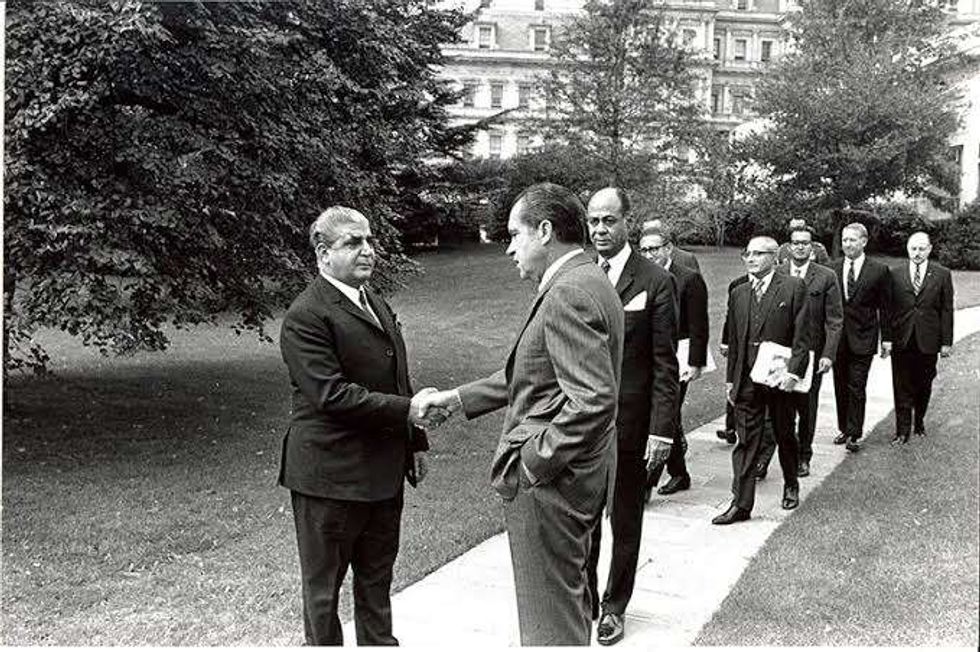 Yahya Khan of Pakistan with President Richard Nixon in Washington in 1970Eastern Eye
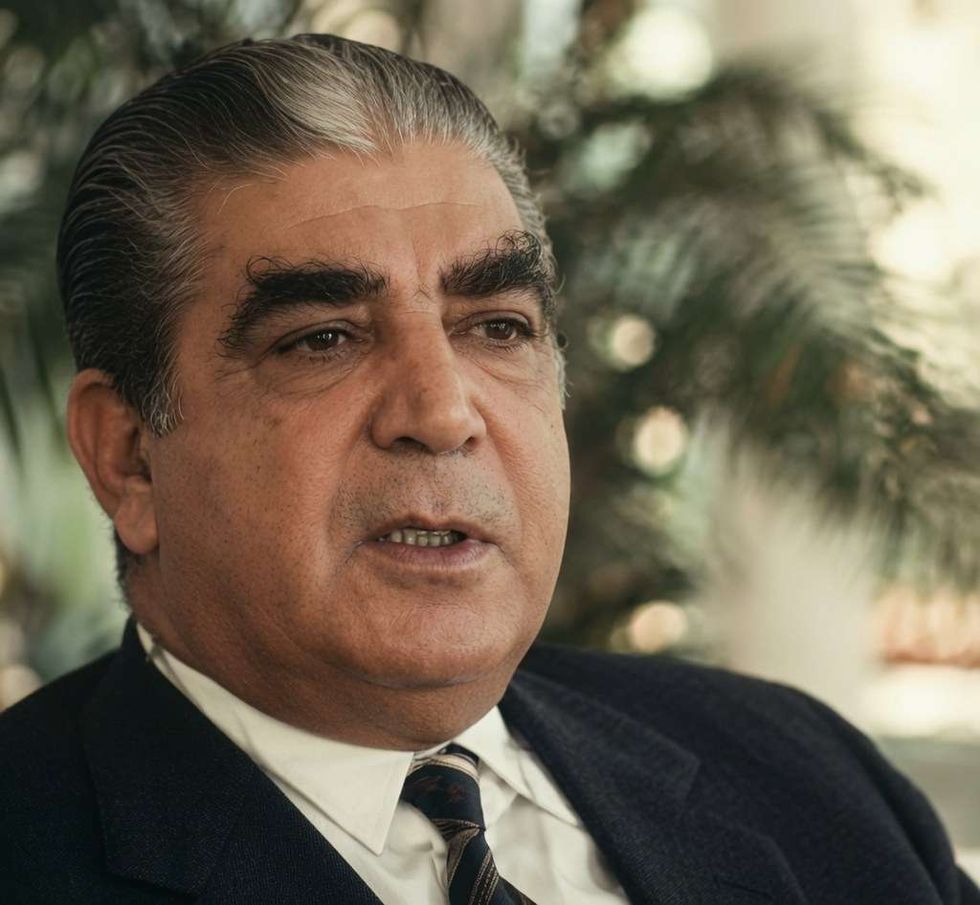 Yahya Khan of PakistanEastern Eye
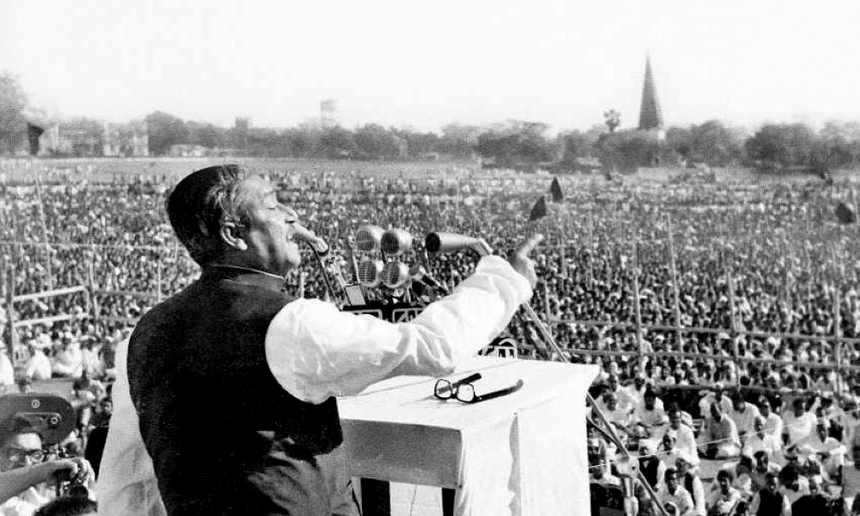 Sheikh Mujibur Rahman addressing a rallyEastern Eye
 Rehana sister of Sheikh Hasina Eastern Eye
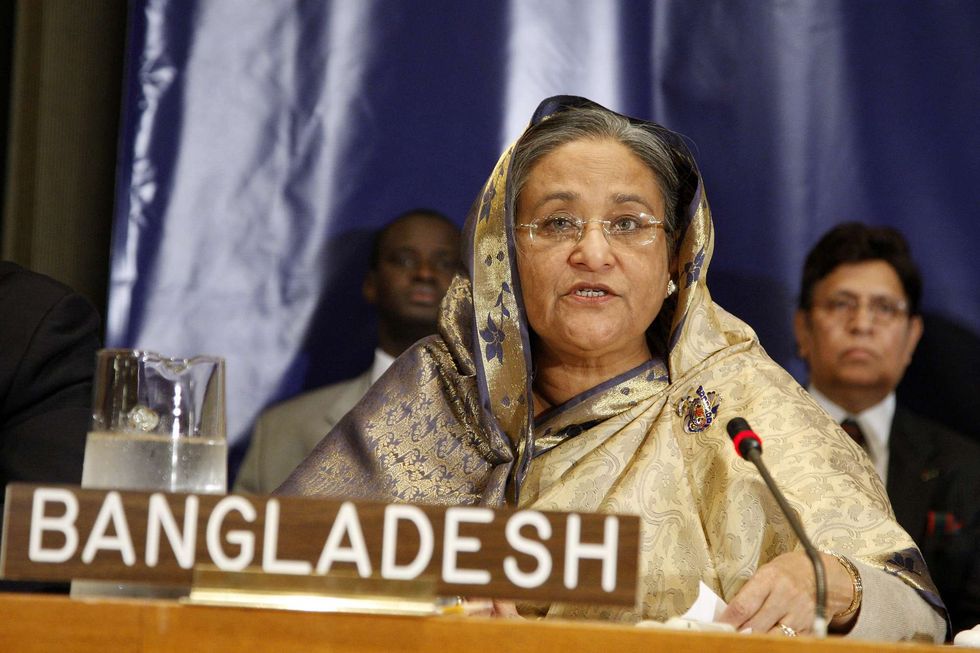 Sheikh Hasina credit
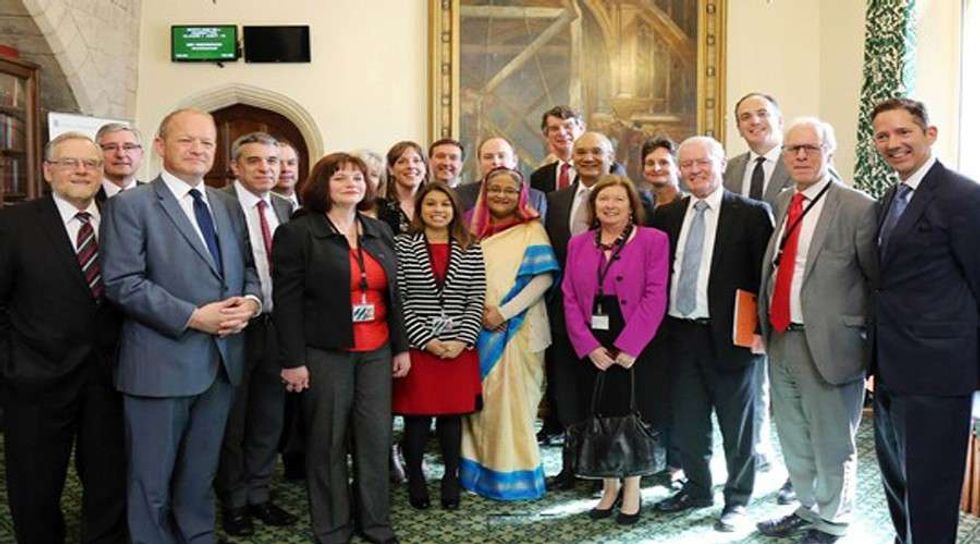 Sheikh Hasina and her niece MP Tulip Siddiq in the Commons in 2015 when she was prime ministerEastern Eye


