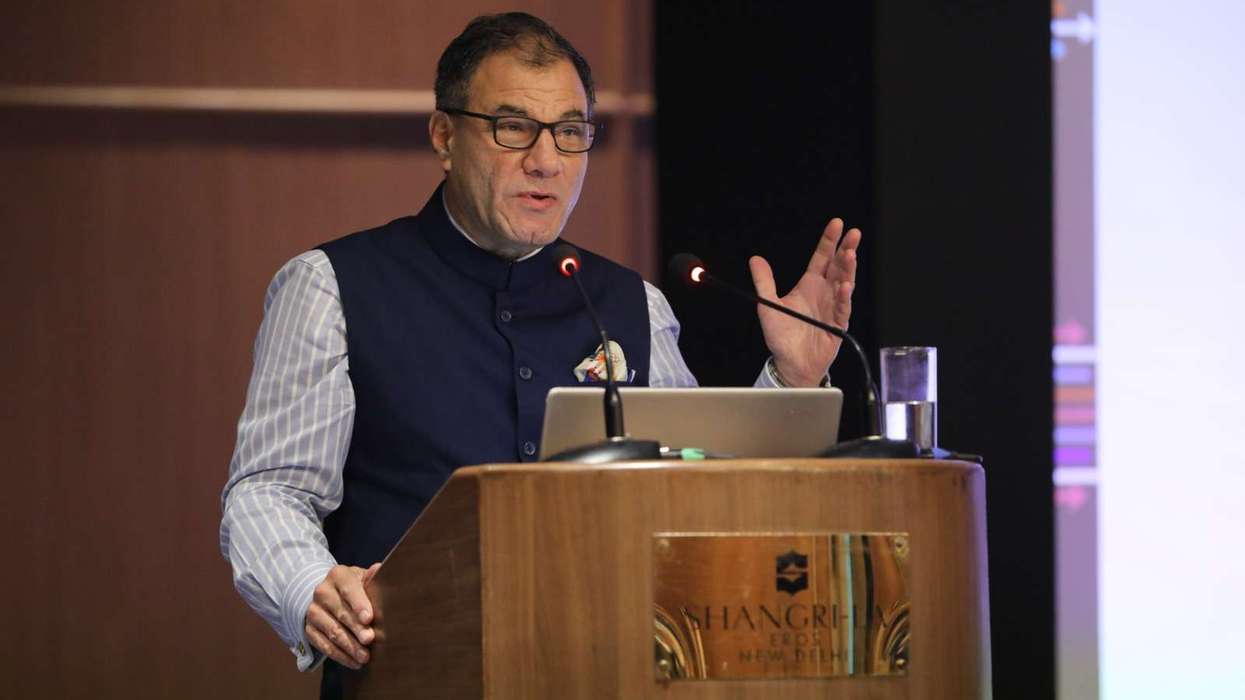

BBC CHAIRMAN Samir Shah on Monday (10) apologised on behalf of the broadcaster for an “error of judgment” in the way a speech by US president Donald Trump was edited for a documentary.
Shah’s apology came in a letter to the chair of Parliament’s Culture, Media and Sport Committee after days of controversy that led to the resignation of BBC director-general Tim Davie and BBC News CEO Deborah Turness on Sunday night.
The issue involved an episode of BBC’s ‘Panorama’ programme aired last year, which appeared to show Trump directly calling on his supporters to storm the Capitol in Washington DC on January 6, 2021.
“The BBC would like to apologise for that error of judgement,” Shah wrote in his letter to the House of Commons committee.
The matter first drew criticism in a leaked memo by former adviser Michael Prescott, who said the documentary spliced together separate parts of Trump’s speech.
The BBC confirmed that it had received a letter from Trump threatening legal action against the broadcaster.
On his Truth Social platform, the US president reacted to the resignations of Davie and Turness, calling them “very dishonest people who tried to step on the scales of a presidential election.”
“Since the publication of Prescott’s memo, this issue has led to over 500 complaints. These are now being dealt with in the normal way. It has also prompted further reflection by the BBC. The conclusion of that deliberation is that we accept that the way the speech was edited did give the impression of a direct call for violent action,” Shah’s letter stated.
In the same leaked memo, Prescott also claimed there was an “anti-Israel bias” in BBC Arabic’s coverage.
“The board will commit to revisiting each and every item set out in Michael Prescott’s note, and take further action where appropriate. We will be transparent about the conclusions we reach and the actions taken,” Shah told Parliament.
“I would like to assure you and the Committee that I am absolutely clear that the BBC must champion impartiality,” he said in his letter to Committee chair, Conservative MP Caroline Dinenage.
“I will personally ensure that the BBC continues to take the necessary actions in the future to ensure the BBC retains the trust and confidence of the public we serve. I’d like to conclude by restating the importance of high quality, independent journalism in today’s polarised society,” Shah added.
He said the BBC’s “sacred job” was to meet the public’s growing need to be informed “in a way that’s impartial, truthful and based on evidence they can trust.”
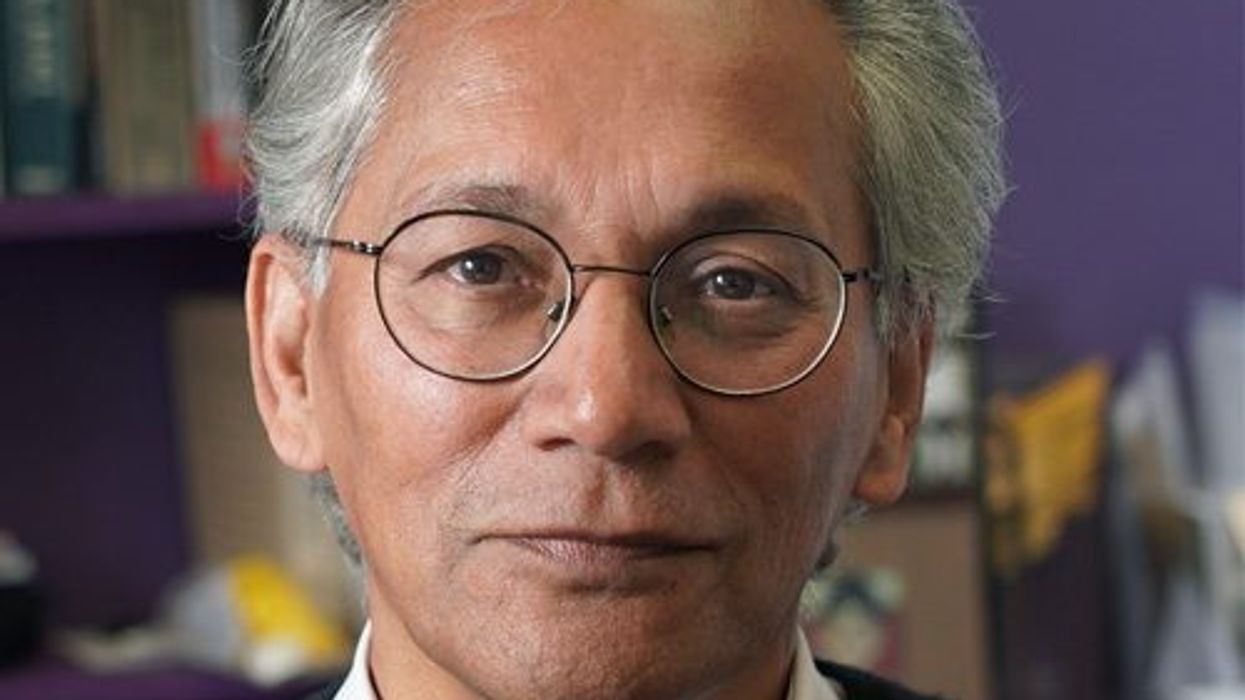
Shah, who became the first Indian-origin chair of the BBC in March this year, is responsible for ensuring the broadcaster’s independence and acting in the public interest.
Born in Aurangabad, Shah moved to England in 1960 and previously headed current affairs and political programmes at the BBC. He was awarded a CBE by Queen Elizabeth in 2019 for services to television and heritage.
“The BBC is, without doubt, one of the greatest contributions we have made to global culture and one of our strongest calling cards on soft power,” Shah said at the time of his appointment earlier this year.
Culture Secretary Lisa Nandy described the BBC as “one of our most important national institutions.”
“Now more than ever, the need for trusted news and high quality programming is essential to our democratic and cultural life, and our place in the world. As a government, we will support the Board as it manages this transition and ensure that the Charter Review is the catalyst that helps the BBC to adapt to this new era and secures its role at the heart of national life for decades to come,” she said.
(With inputs from PTI)