
- The proposed £2.5 billion programme will be jointly funded over 10 years to develop advanced jet engines for single-aisle aircraft.
- Rolls-Royce estimates that securing a UK-made engine for the aircraft could add £120 billion to the economy over the programme’s lifetime.
- The initiative is expected to support 3,300 existing jobs in the coming years, with the potential for tens of thousands of additional roles in the longer term.
Rolls-Royce and the UK government have agreed to work together on a decade-long programme to develop cleaner, more efficient jet engines, in a move aimed at strengthening Britain’s position in the global aerospace market.
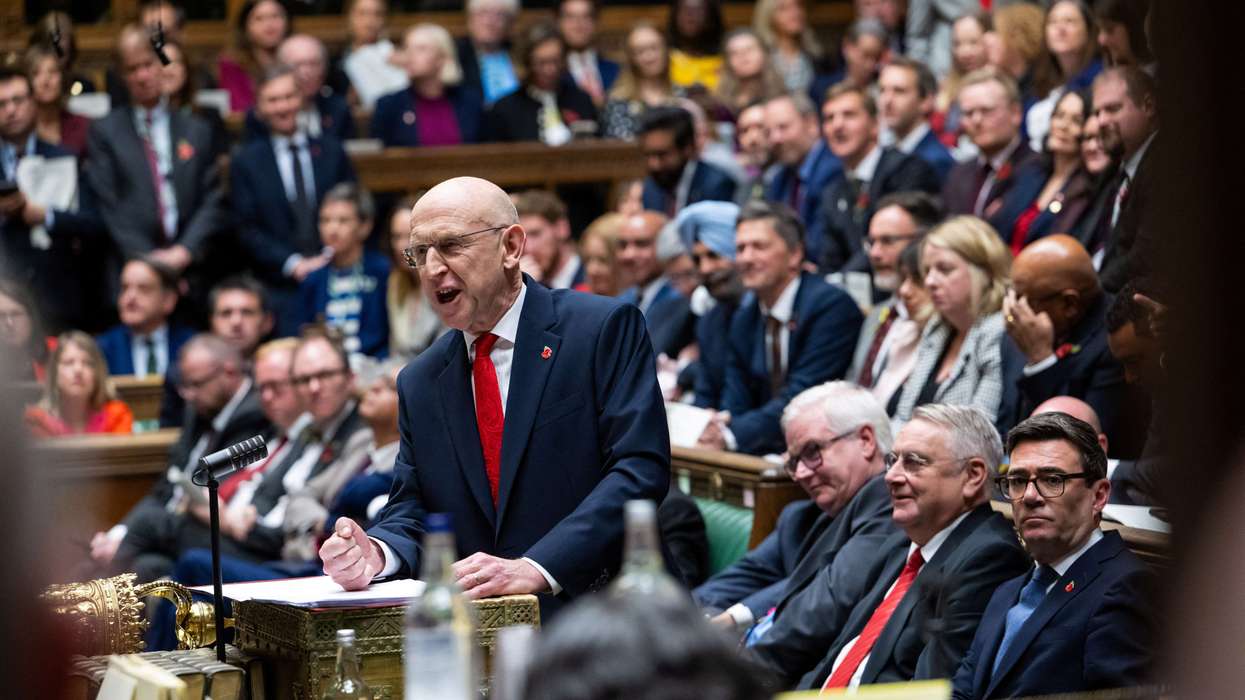
Announced by Chancellor John Healey in the October 28 Budget, the proposed £2.5 billion programme will focus on engines for single-aisle passenger aircraft, which dominate short and medium-haul routes, including flights across Europe.
The government sees the agreement as a key part of its wider reindustrialisation drive, using investment in advanced manufacturing to support economic growth, strengthen domestic supply chains and create skilled employment beyond London and the South East.
Rolls-Royce estimates that securing a UK engine for the next generation of single-aisle aircraft could generate an additional £120 billion for the economy over the programme’s lifetime. That figure is a projected economic benefit rather than a guaranteed return.
The programme is expected to support 3,300 existing jobs over the next few years, with the potential to create tens of thousands of additional roles in the longer term. These could span engineering, research, manufacturing and the wider supplier network.
Why are next-generation jet engines important for the UK?
Single-aisle aircraft are expected to account for a substantial share of future demand in the global civil aerospace market. According to the Aerospace Technology Institute, the market could be worth £220 billion annually by 2050.
Developing an engine for this segment would give Rolls-Royce an opportunity to compete in a large commercial market, while creating potential business for UK-based suppliers and specialist manufacturers.
The agreement also matters because advanced jet engines require complex engineering, materials and manufacturing capabilities. The programme is expected to support research into advanced materials, electronic systems, robotics, artificial intelligence and more efficient production methods.
Rolls-Royce chief executive Tufan Erginbilgic described the agreement as a landmark moment for the UK aerospace industry.
He said it represented a “once-in-a-generation opportunity” to establish the foundations for long-term economic growth, high-value employment and a stronger advanced manufacturing supply chain.
The company spent more than £3 billion with its UK supply chain in 2025, according to the government’s announcement. A sustained engine development programme could provide opportunities for existing suppliers while creating openings for businesses seeking to enter or expand in the aerospace sector.
The technology and expertise developed could also support military aviation capabilities, helping preserve engineering skills and industrial capacity relevant to defence.
What does the agreement mean for investment and jobs?
The programme forms part of the government’s broader industrial strategy, which aims to encourage companies to invest in the UK and strengthen sectors with potential for long-term growth.
Prime Minister Andy Burnham said the agreement would give businesses greater certainty to invest and help keep British industry at the forefront of innovation.
Business Secretary Jonathan Reynolds said the initiative was intended to support skilled employment and ensure that jet engine manufacturing remained in the UK.
The government also expects much of the employment growth to take place outside London and the South East, reflecting Rolls-Royce’s manufacturing sites and supply chains across the country. A jobs and skills plan is expected to help develop the workforce needed for the programme.
However, the agreement establishes a framework for future cooperation rather than providing an immediate allocation of new grants. Any government support will remain subject to legal requirements, affordability and value-for-money assessments, subsidy control rules and further agreement on terms and conditions.
The £2.5 billion programme therefore represents a long-term industrial ambition, with its eventual impact dependent on the development process, future approvals and Rolls-Royce’s ability to compete for a place in the next generation of commercial aircraft engines.
The government has also pointed to a £100 million Aerospace Supply Chain fund, backed by the British Business Bank and industry, announced earlier in 2026. The fund is intended to help suppliers expand capacity and meet demand for UK aerospace products and services.
For Rolls-Royce, the opportunity is to turn the UK’s engineering expertise into a stronger position in the commercial aviation market. For the government, the test will be whether the proposed investment translates into competitive technology, sustained supplier growth and jobs across the country.