Skip to content
Search

Latest Stories

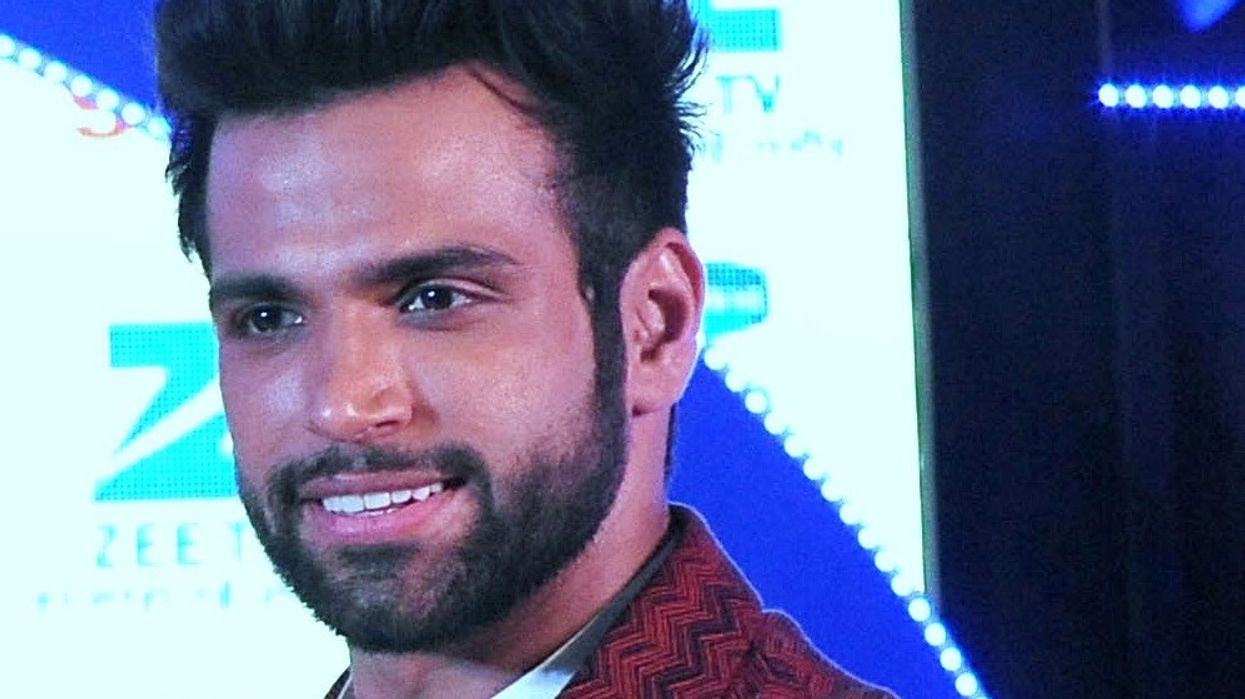
Rithvik Dhanjani on the evil eye: I don’t actively believe in it (Exclusive)

Rithvik Dhanjani on the evil eye: I don’t actively believe in it (Exclusive)

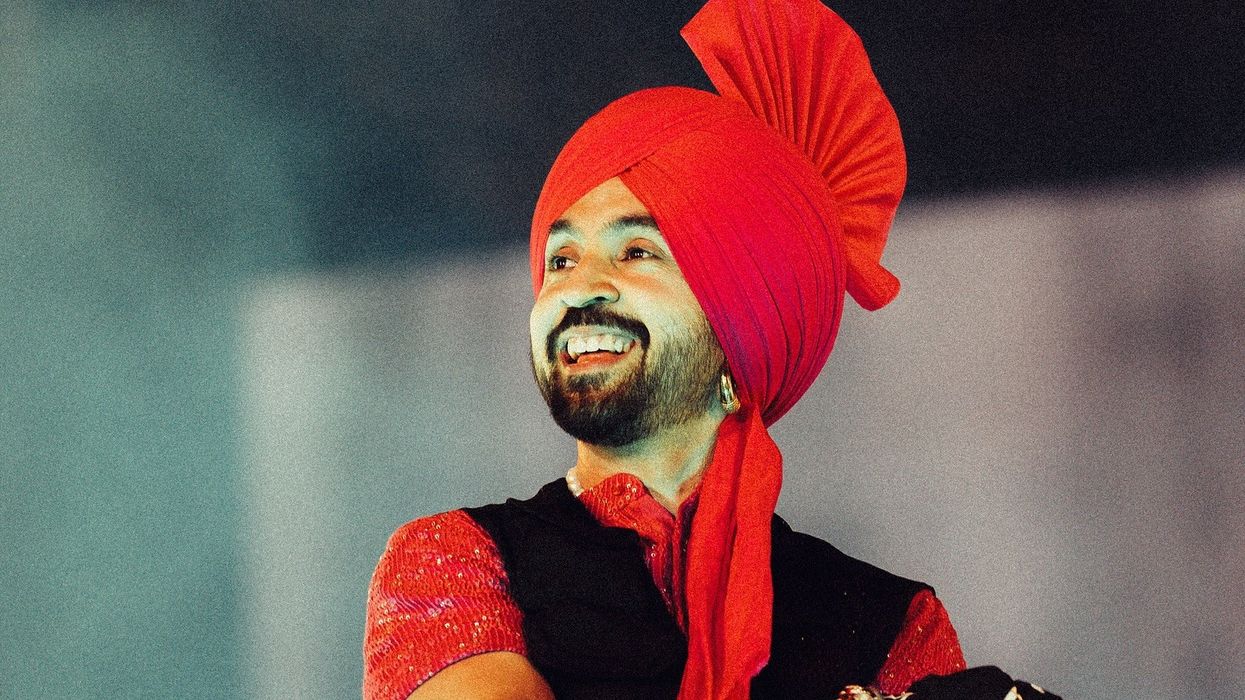
Rithvik Dhanjani is one of the biggest names in the Television industry. A few days ago, his audio series Buri Nazar (evil eye) was released.

We recently interacted with Rithvik and when asked about the response Buri Nazar has received, he said, “It’s slowly picking up and whoever has heard the show really liked it, and of course, fans are lovely. They will always stand by your side, so I am extremely blessed to have this group of people who always support me in everything I do. So, yes, it’s overwhelming.”


When asked if it was difficult for him to perform an audio series as he had to make an impact just with his voice, Rithvik said, “I wouldn’t say difficult because we as actors always act with our voices. But, it was different because I had not done something like this before; plus just being inside a room, narrating an entire script with just voice, and no actors, it’s just you and your mic. So, yes it was a very different experience, but I wouldn’t say difficult.”

When asked if he believes in the concept of buri nazar (evil eye), the actor said, “We all do somewhere. We are Indians and we have this in our conditioning. I don’t actively believe in it; it’s not like if a cat crosses my way, so I would think that my day will be bad. But till now, I am afraid to cut my nails at night time. Since childhood, we have heard that we should not cut the nails at night, so now that’s not my habit.”
More For You

Samir Zaidi

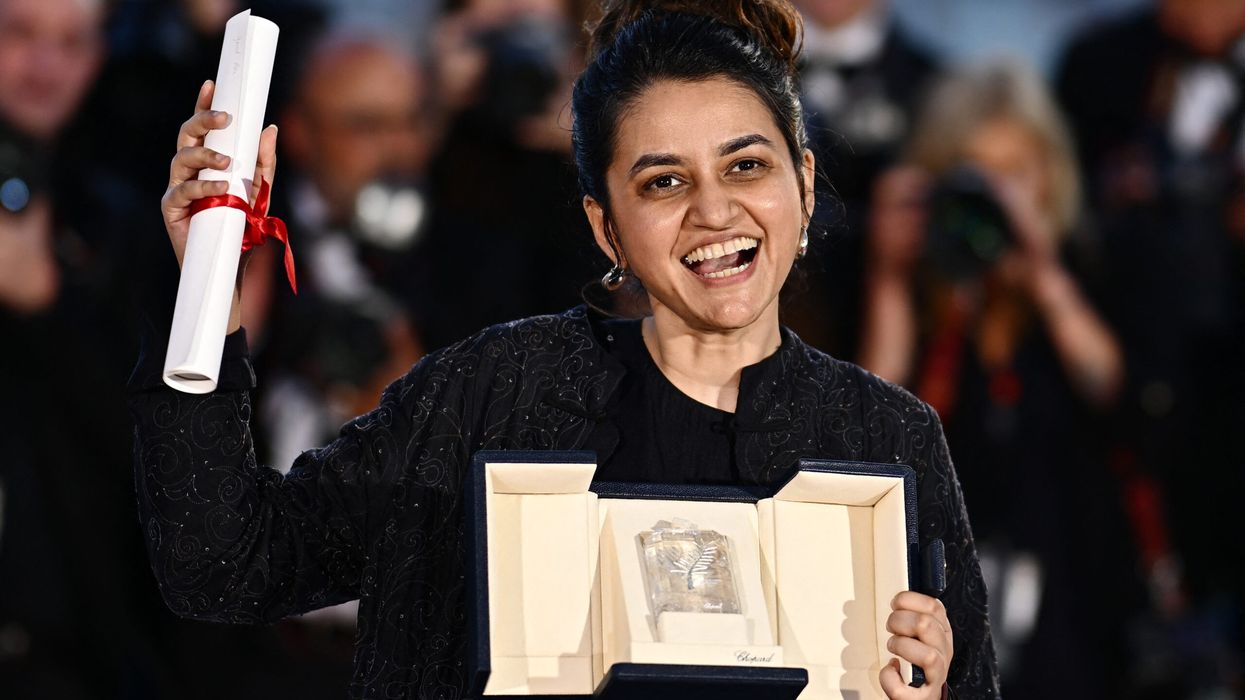
Two Sinners marks Samir Zaidi’s striking directorial debut

Samir Zaidi, director of 'Two Sinners', emerges as a powerful new voice in Indian film

Indian cinema has a long tradition of discovering new storytellers in unexpected places, and one recent voice that has attracted quiet, steady attention is Samir Zaidi. His debut short film Two Sinners has been travelling across international festivals, earning strong praise for its emotional depth and moral complexity. But what makes Zaidi’s trajectory especially compelling is how organically it has unfolded — grounded not in film school training, but in lived observation, patient apprenticeships and a deep belief in the poetry of everyday life.

Zaidi’s relationship with creativity began well before he ever stepped onto a set. “As a child, I was fascinated by small, fleeting things — the way people spoke, the silences between arguments, the patterns of light on the walls,” he reflects. He didn’t yet have the vocabulary for what he was absorbing, but the instinct was already in place. At 13, he turned to poetry, sensing that the act of shaping emotions into words offered a kind of clarity he couldn’t find elsewhere. “I realised creativity wasn’t something external I had to chase; it was a way of processing the world,” he says. “Whether it was writing or filmmaking, it came from the same impulse: to make sense of what I didn’t fully understand.”

Keep ReadingShow less