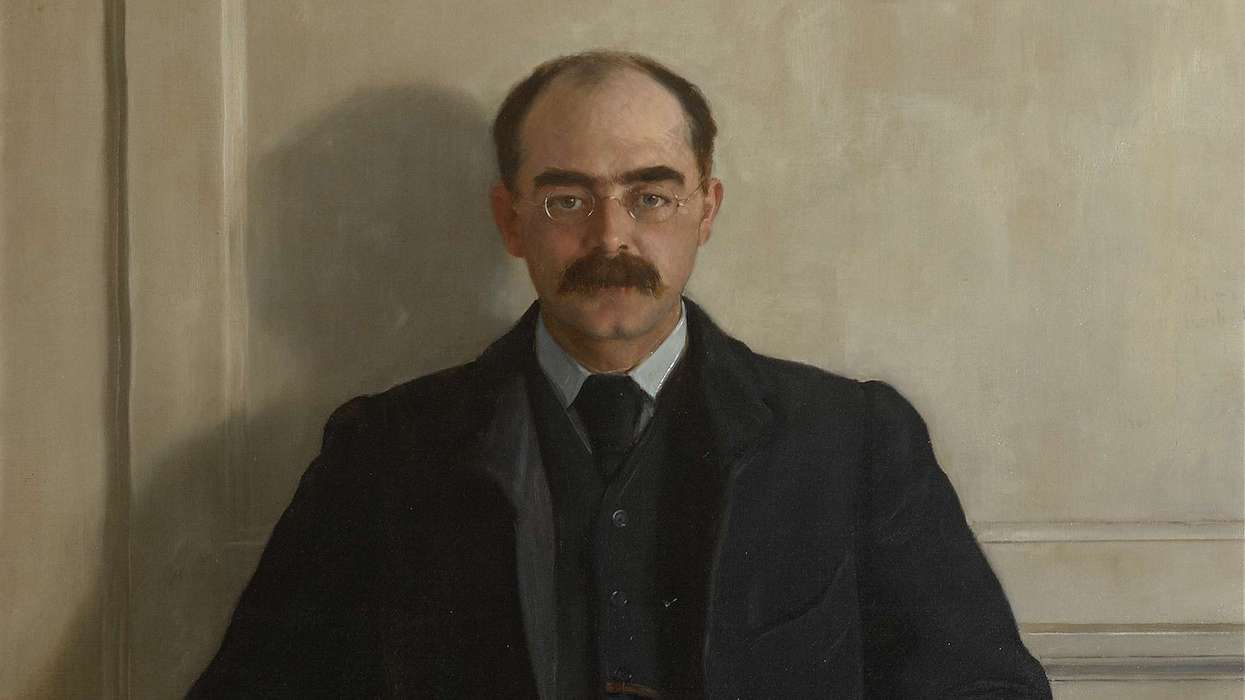

VISITING Bateman’s, Rudyard Kipling’s 17th century home set in 330 acres in East Sussex – it is now a National Trust property – has been something of a pilgrimage for me.
I must have been 11 or 12 when Father Cleary, our English teacher at St Xavier’s School in Patna in India, introduced The Jungle Book to us. We were spellbound, as with a sweep of his hand, he described the Seeonee hills bathed in moonlight.
He read aloud the opening line: “It was seven o’clock of a very warm evening in the Seeonee hills when Father Wolf woke up from his day’s rest, scratched himself, yawned, and spread out his paws one after the other to get rid of the sleepy feeling in their tips. Mother Wolf lay with her big grey nose dropped across her four tumbling, squealing cubs, and the moon shone into the mouth of the cave where they all lived.”
I can still recite Kipling’s little poem, Night Song in the Jungle, that precedes the tale: “Now Chil the Kite brings home the night/ That Mang the Bat sets free/ The herds are shut in byre and hut/ For loosed till dawn are we./ This is the hour of pride and power,/ Talon and tush and claw./ Oh hear the call! – Good hunting all/ That keep the Jungle Law!”
A few paragraphs later, Mowgli makes his debut: “Directly in front of him, holding on by a low branch, stood a naked brown baby who could just walk – as soft and as dimpled a little atom as ever came to a wolf’s cave at night. He looked up into Father Wolf ’s face, and laughed.”
“Is that a man’s cub?” said Mother Wolf. “I have never seen one. Bring it here.”
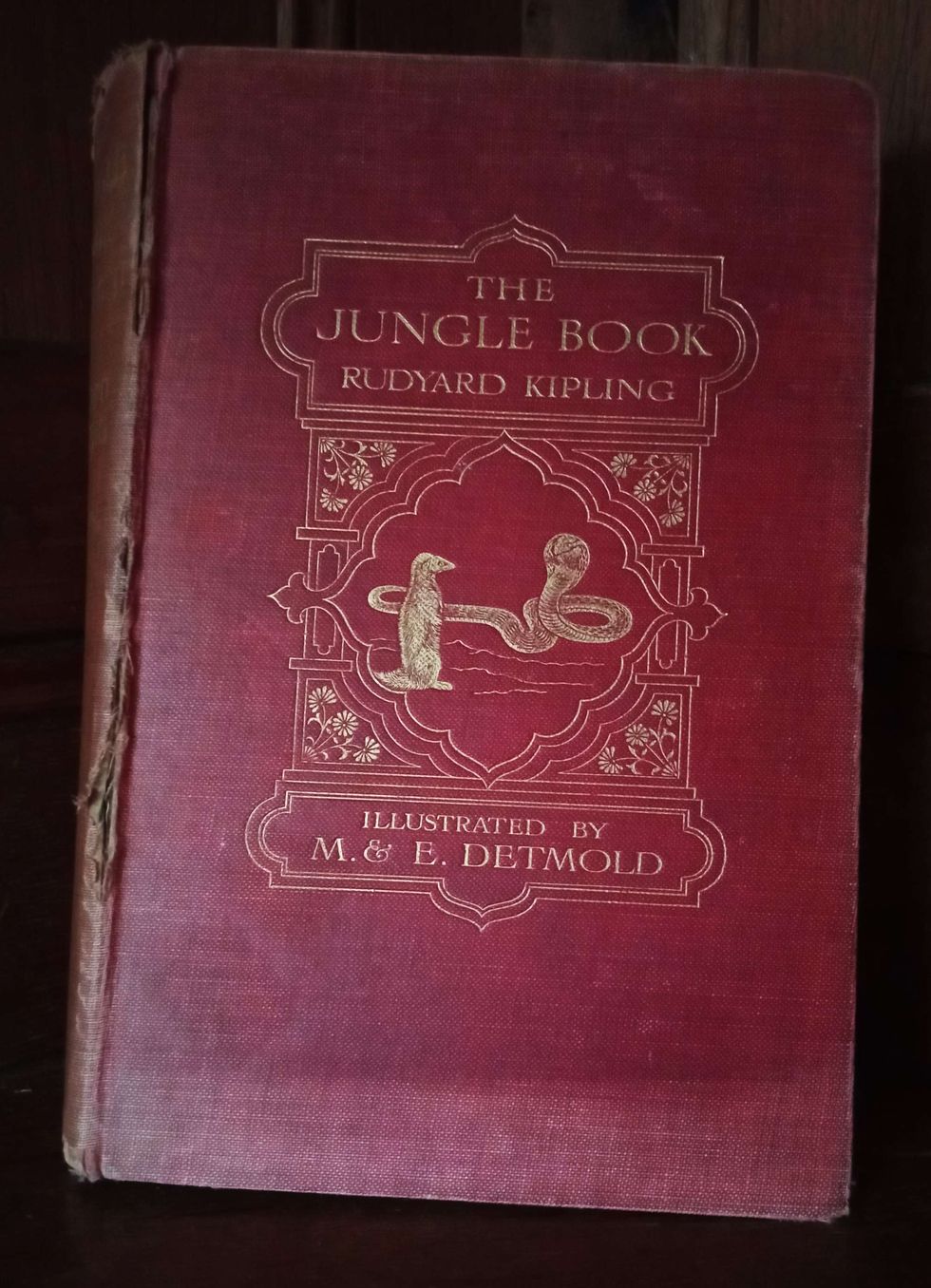 A first edition of The Jungle BookAmit Roy
“How little! How naked, and – how bold!” said Mother Wolf softly.
Kipling perfectly captured the sights and sounds of the Indian forest (the 1967 Disney adaptation of The Jungle Book helped). My mother had grown up in Goalpara, a small village in Assam, where I was born. From her I had heard anecdotes about tigers roaming the back garden and often making off with calves from the cattle shed during the night.
For my 21st birthday, she sent me to meet the village hunter, now an old man whose front room was lined with dozens of tiger and cheetah trophies.
The villain in The Jungle Book is, of course, Shere Khan, the tiger, who demands the tiny man cub for his dinner. But Mowgli grows up with the wolves as one of the pack and is protected by Baloo, the bear, and Bagheera, the “inky black” panther (the characters are all represented at Bateman’s).
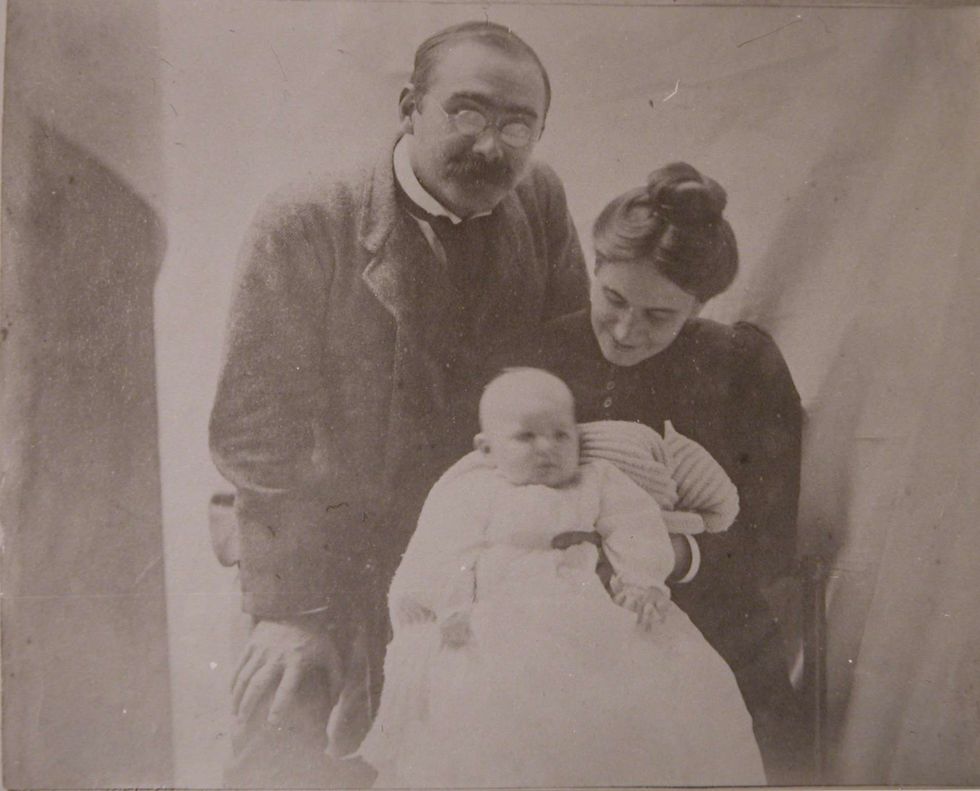 Kipling familyNational Trust
Etchingham, the nearest station to Bateman’s, is an hour and 15 minutes from London Bridge. There are no Ubers and calls to the one local taxi service went through to voicemail. There was a bus, but it wouldn’t leave for another hour as the driver was having tea and cake in the station canteen.
“My dear,” said an elderly lady, “you’re in the country.”
She took pity on me and gave me a lift to Bateman’s, 20 minutes away. It turned out her husband was a part time volunteer at Bateman’s, where I was given a detailed tour by Hannah Miles, collections and house manager at the National Trust property, and also interviewed Freddie Matthews, curator and cultural strategist.
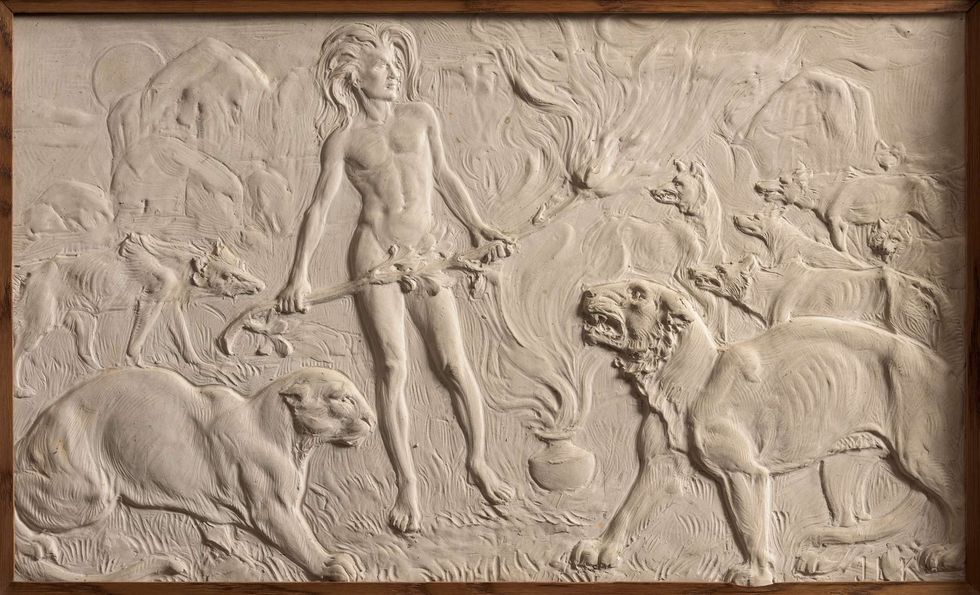 A plaster relief by John Lockwood Kipling depicting Mowgli with wolves and leopardsNational Trust/ John Hammond
Kipling and his American wife, Caroline, fell in love with at Bateman’s at first sight and it was their forever home from 1902 until his death in 1936. Before Caroline’s death in 1939, she entrusted the estate to the National Trust with the support of their only surviving child, Elsie, who donated many rare items relating to her father. The house is filled with Indian objects, and a quarter of the books in the library are on India.
Incidentally, The Jungle Book was not written in India, or even in England, but while the Kiplings were living in Vermont in the US. It was completed in 1893 and originally published in 1894 with illustrations by William Henry Drake, Paul Frenzeny, and Rudyard’s father, John Lockwood Kipling. Following international success, it was subsequently republished by Macmillan (there is a first edition at Bateman’s).
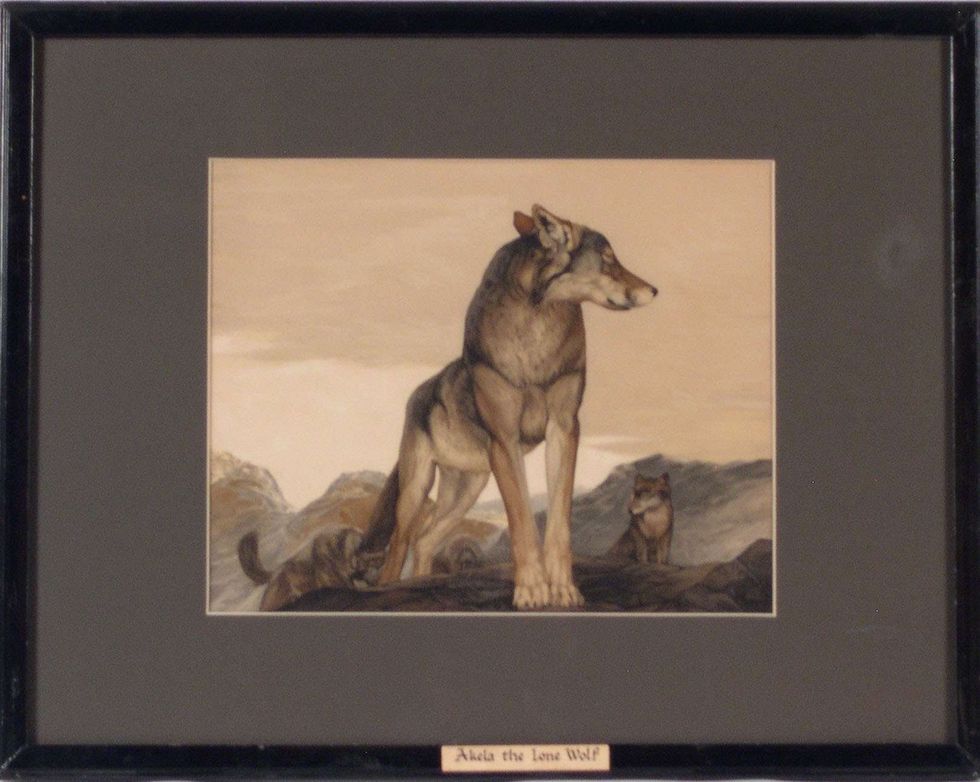 A drawing of AkelaAmit Roy
Matthews and Miles have curated an exhibition on Kipling’s life and times. When we were children, Father Cleary did not consider Kipling’s imperialist views worth mentioning. That was something I discovered decades later in England.
Born in India in 1865, Kipling grew up in a family connected to many notable figures, including the artist Edward Burne-Jones and Stanley Baldwin (the “peace in our time” prime minister).
The exhibition tackles the opposing views on Kipling.
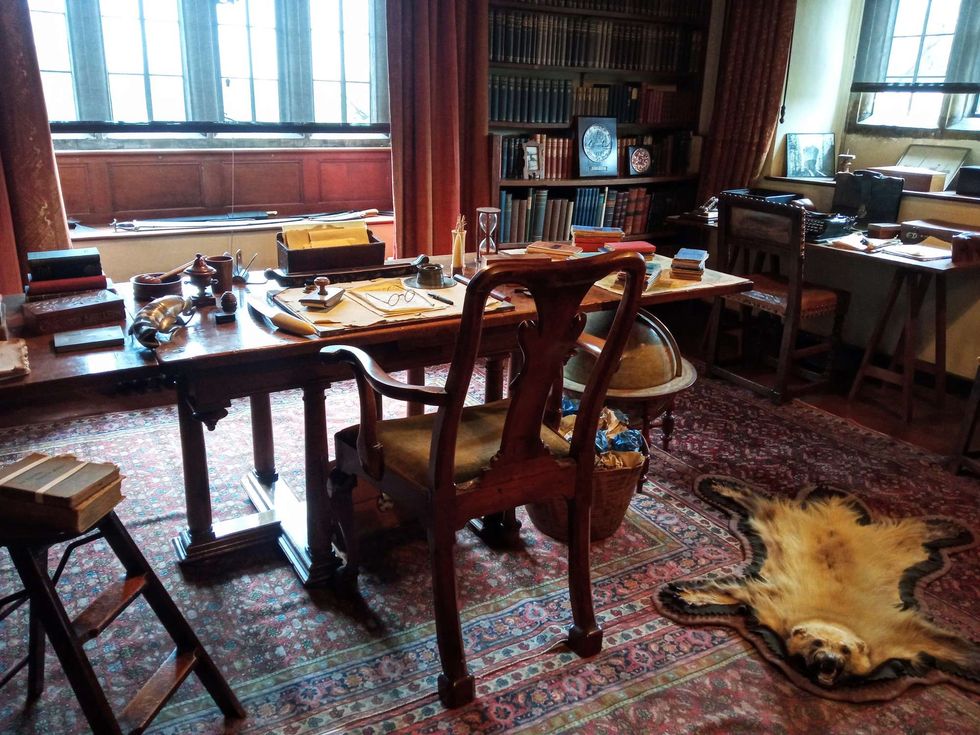 Kipling’s studyAmit Roy
For example, the Booker Prize winning author Arundhati Roy, says: “When I was growing up in Kerala, to nourish the English part of my brain – there was a Malayalam part, too – there was a lot of Shakespeare and a lot of Kipling, a combination of the most beautiful, lyrical language and some very unlyrical politics, although I didn’t see it that way then...I was definitely influenced by them.”
Arisa Loomba, a historian and writer who did a PhD on Kipling and visited Bateman’s, commented: “Kipling was at the heart of the British empire, and the British empire was at the heart of Kipling... His legacy is fraught, but I hope that we can move away from needing to decide whether he was good or bad as a human being, whether he should be put on a pedestal or cancelled, and move towards a thorough historical investigation of him and his family’s undeniable impact on the world as we know it today.”
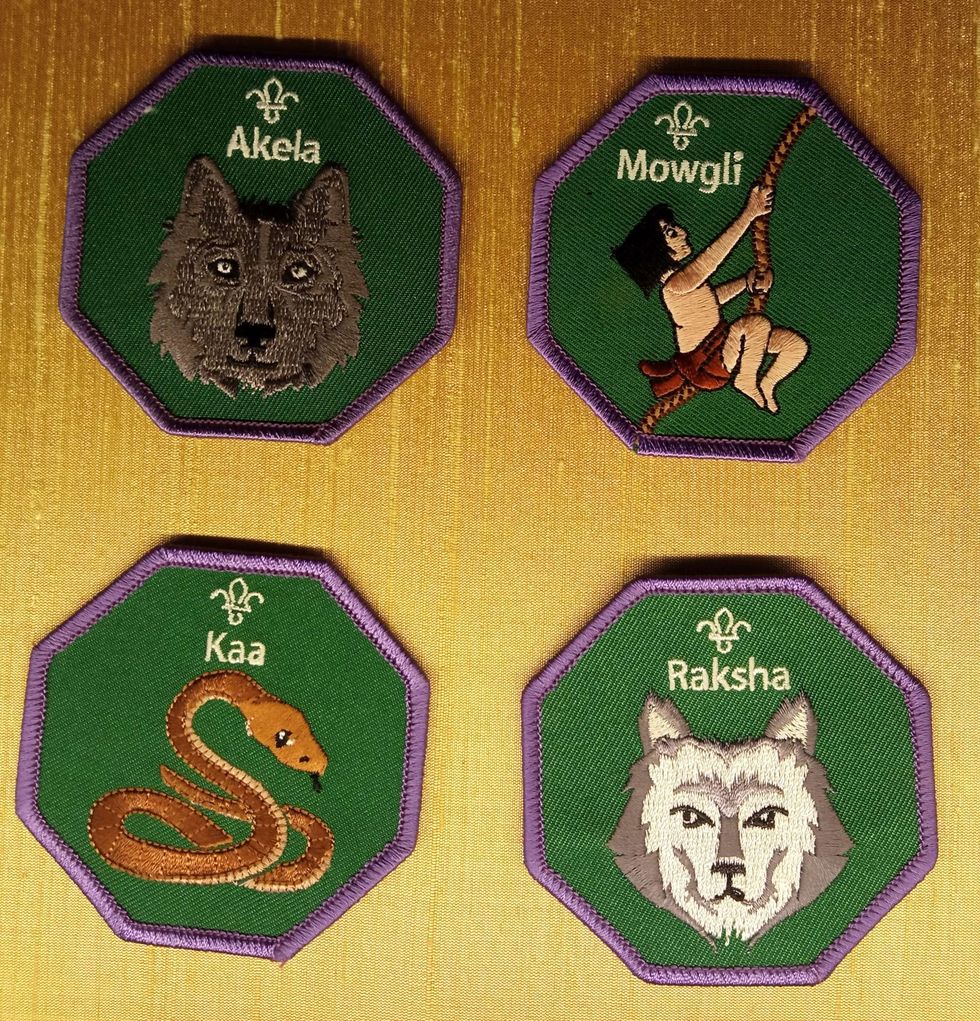 Badges themed around The Jungle BookAmit Roy
Winston Churchill was a great admirer of Kipling (this admiration was not returned): “Rudyard Kipling holds one of the foremost places in the last century of English letters...He was unique and irreplaceable....Even should the British Empire in India pass from life into history, the works of Rudyard Kipling will remain to prove that while we were there we did our best for all.”
The author George Orwell was definitely not a fan: “Kipling is a jingo imperialist, he is morally insensitive and aesthetically disgusting. But the fact remains that he is the only English writer of our time who has added phrases to the language.”
For example, he contributed the notable phrases, “Lest we forget”, and “Known unto God” for unknown soldiers’ graves. He lost his son, John, at the age of 18 at Loos during the First World War. This was as traumatic as the death of his eldest daughter, Josephine, from flu at the age of six.
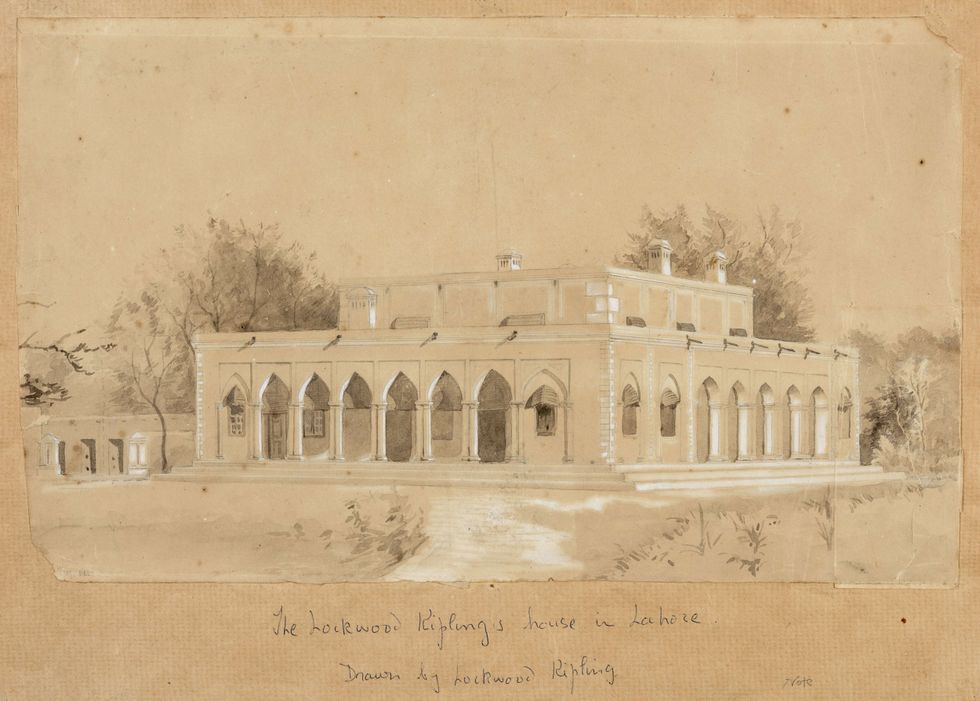 Lockwood Kipling house in LahoreNational Trust
According to the exhibition, “India had a lasting impact on Kipling’s writing”. But he was also “a staunch supporter of the British empire. His writing, controversial both in his own time and today, often portrayed imperialism as a civilising mission and reflected his belief in Western superiority….Whilst Kipling’s political legacy is complex, his cultural influence endures.”
All I can say is that the memory of Father Cleary introducing Kipling to us has stayed with me. British Asians should visit Bateman’s to learn about the complex shades of the author, and that it is possible to separate Kipling’s politics from The Jungle Book and his obvious love of India.



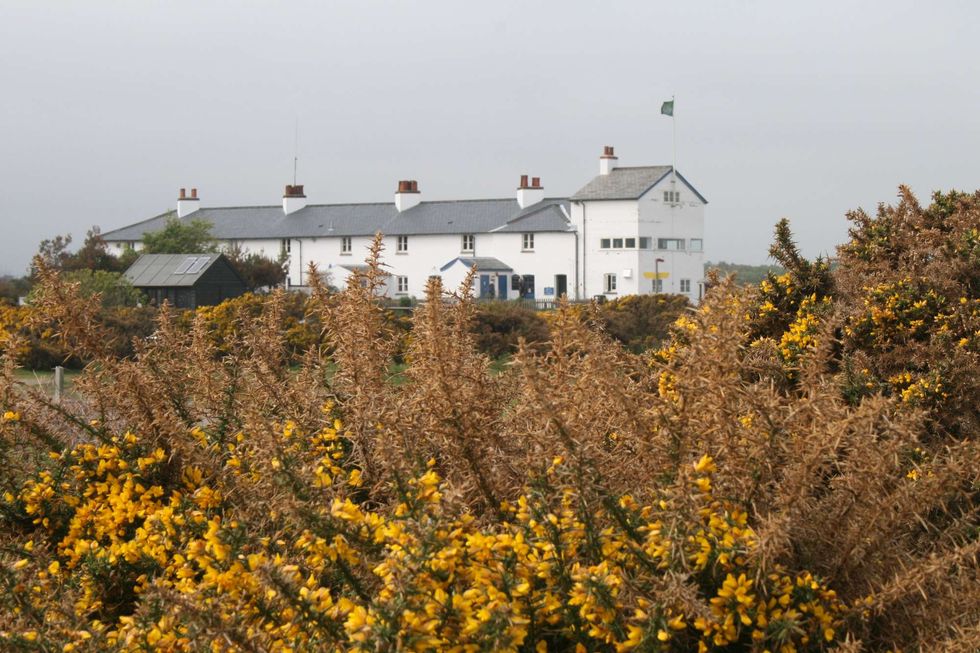 Western gorse in bloom near the cottages before the fire National Trust/Daniel Payne
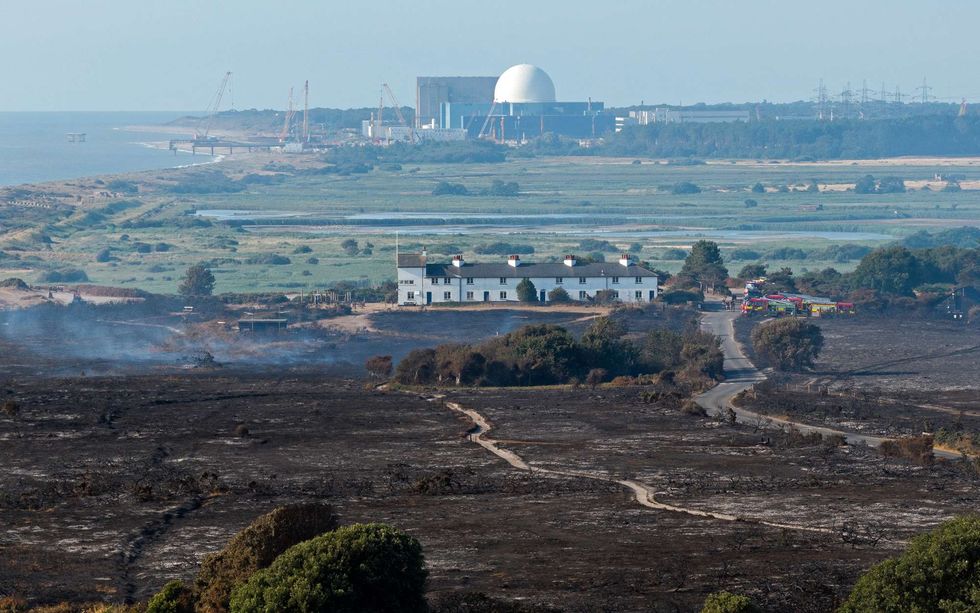 Scorched heathland in front of the Coastguard Cottages, with Sizewell B nuclear power station in the background Toby Shepheard/AFP via Getty Images
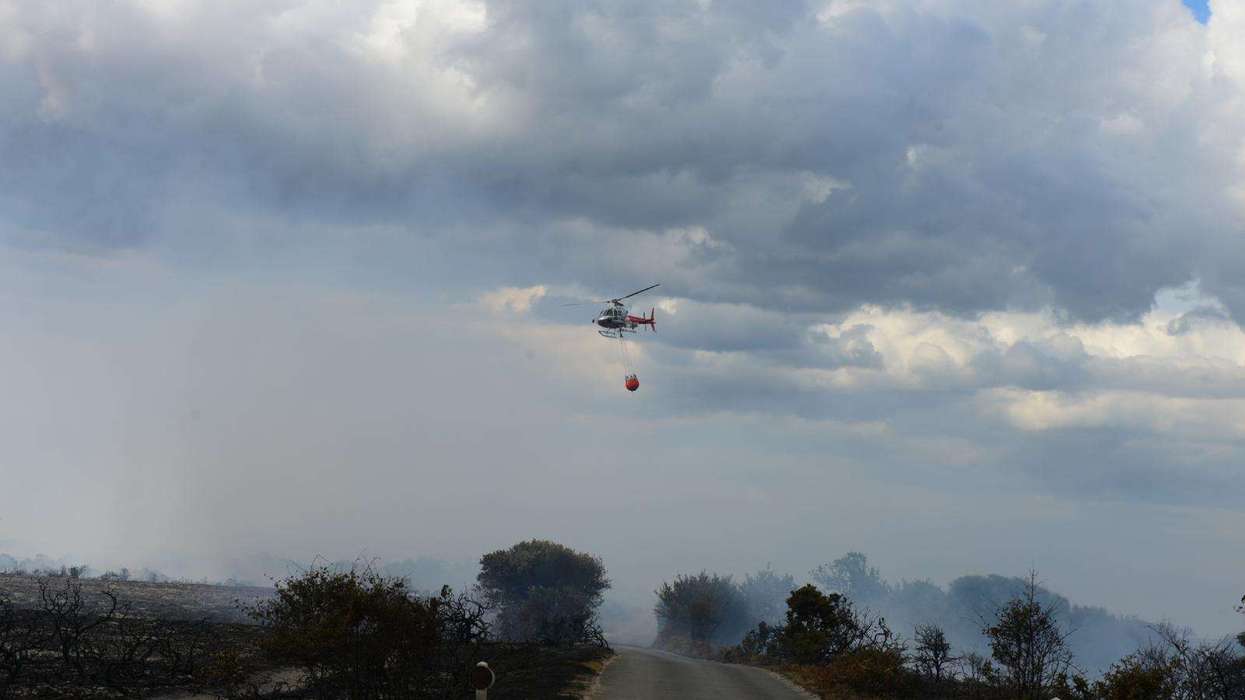
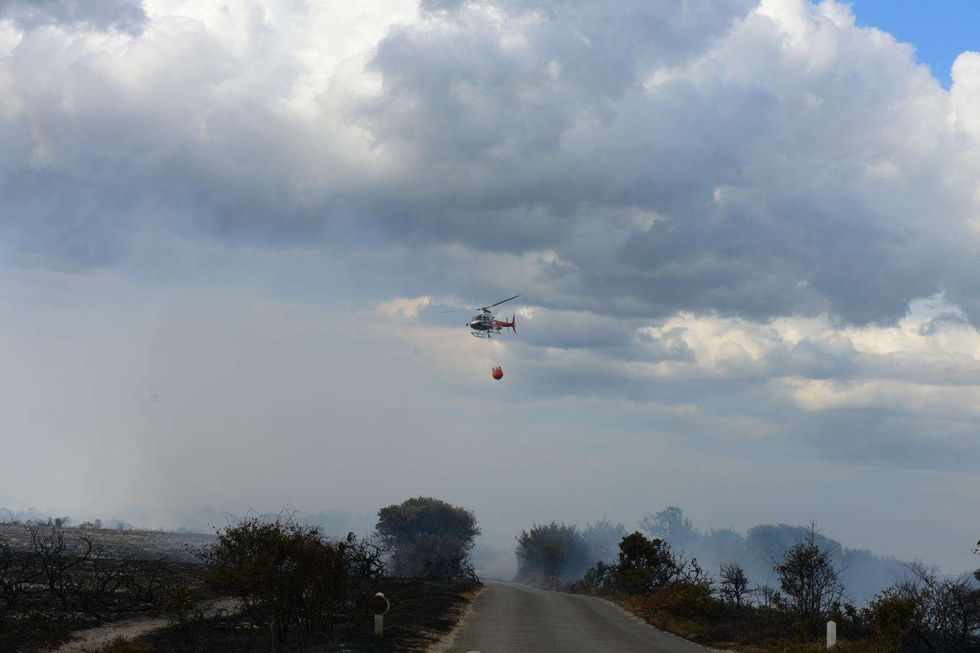 A helicopter helps contain the blazeSuffolk County Council
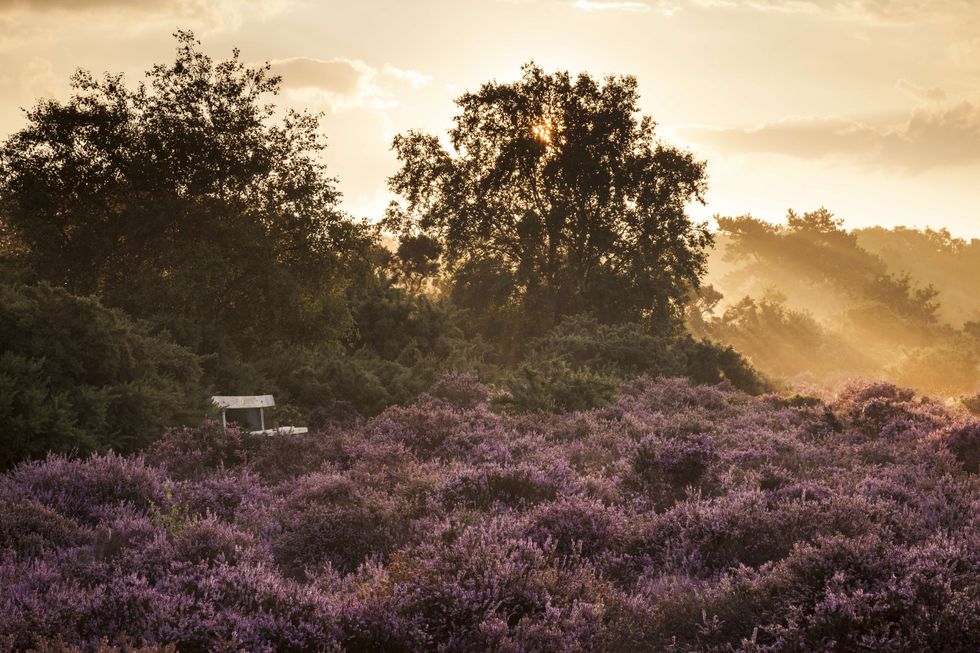 The heathland before it was devastated National Trust/Justin Minns