
The Khushwant Singh Literary Festival, which seeks to promote better understanding between India and Pakistan, will be held in three cities in the UK this year – London, Oxford and Sutton.
It will be at the School of Oriental and African Languages in London on 30 May; St Antony’s College, Oxford, on 2 June; and at the Central Library in Sutton on 6 June.
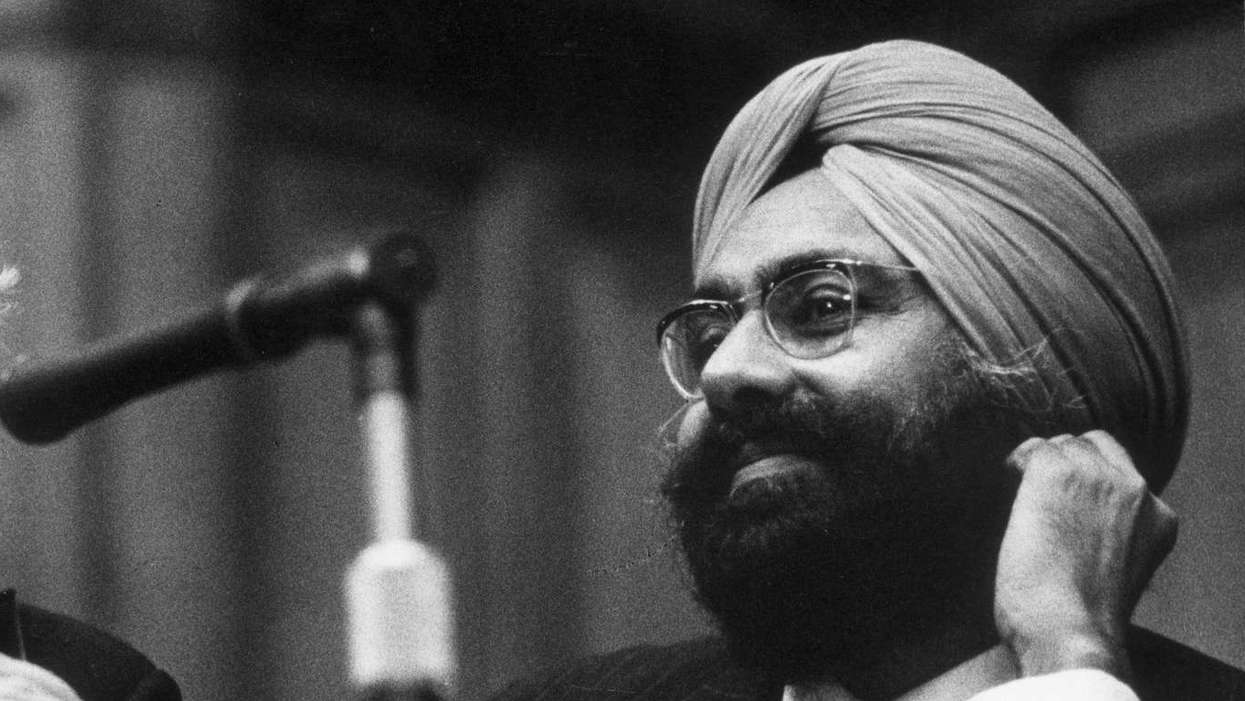
KSLF was set up by Rahul Singh to keep alive the legacy of his father, the eminent Sikh journalist and scholar Khushwant Singh, who was born in 1915 in the part of Punjab that went to Pakistan at Partition. He died, aged 99, in 2014.
Rahul curates KSLF with Niloufer Bilimoria who said speakers this year would include Mohamed Hanif, who currently splits his time between Berlin and Karachi. His first novel, A Case of Exploding Mangoes, was longlisted for the Man Booker Prize. His second, Our Lady of Alice Bhatti, was shortlisted for the 2012 Wellcome Prize.
Another speaker, Moni Mohsin, who was born and raised in Lahore and now lives in London, is the author of The Dairy of a Social Butterfly, The Return of the Butterfly and Between You, Me and The Four Walls, which are based on her long running popular columns which appear in Pakistan in The Friday Times and Dawn.
Another participant is Shandana Minhas, a writer from Karachi, who now also lives in London. Her debut novel Tunnel Vision was shortlisted for the Commonwealth Writers’ Prize for Best First Book. Her other critically acclaimed books include Survival Tips for Lunatics, the first children’s novel to win the Karachi Literature Festival Fiction Prize. Her latest novel, Ferdowsnama, also won the KLF Prize.
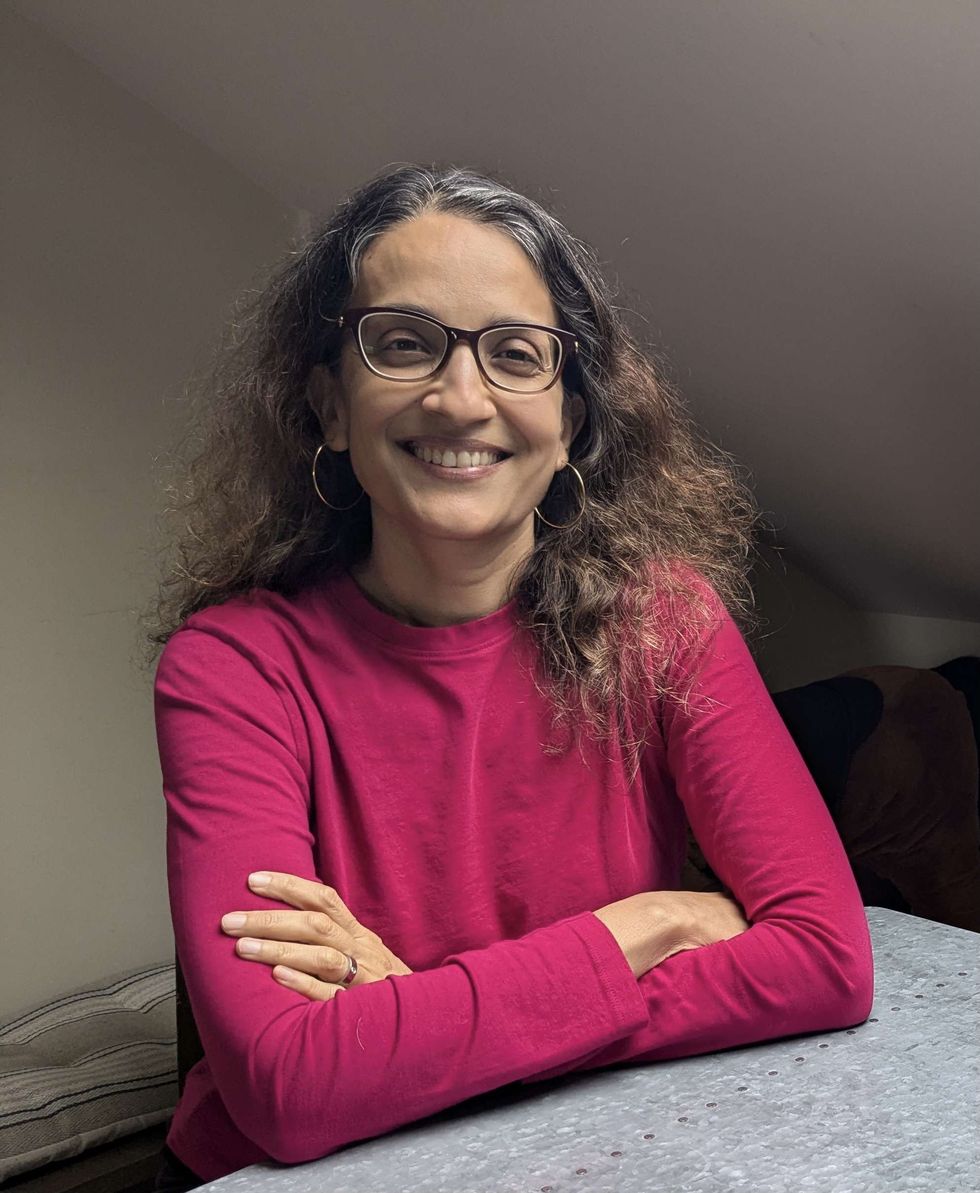 Shandana MinhasKSLF
Also listed is Awais Khan, a writer and editor based in Lahore. He works at the Writing Institute in Pakistan, and has conducted lectures on creative writing at Durham University, American University of Dubai, Canadian University of Dubai, United States Educational Foundation of Pakistan, and at Kinnaird College and Hajvery University in Lahore.
Rahul, himself a distinguished journalist, told Eastern Eye – a media partner – that although his father “suffered personally because he lost his home when India was partitioned in 1947, he believed to the end in promoting better relations with Pakistan”.
Khushwant, whose books include Train to Pakistan and A History of the Sikhs among countless others, lived in Delhi but did much of his writing at his Himalayan retreat in Kasauli, a small hill town in Himachal Pradesh.
This is where the first KSLF was held in October 2012. And it has been an annual event in Kasauli since then. But in 2018, Rahul had a special reason for starting KSLF in London as well.
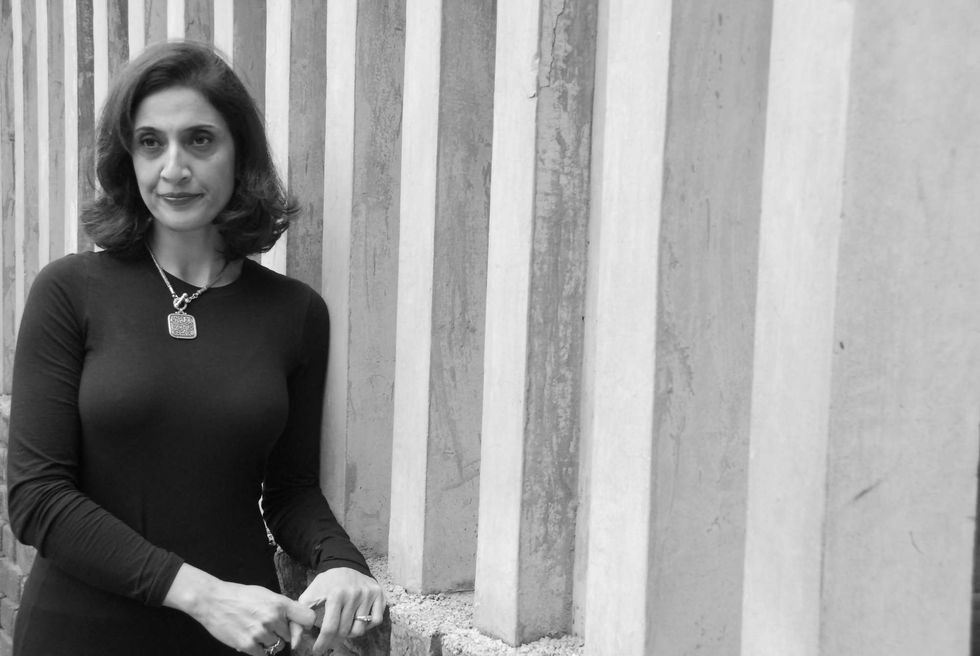 Moni MohsinShahid Zaidi
He explained: “My dad studied law at King’s College in London University and a lot of the values that he acquired were during his time in England. These were English values. He was always a great admirer of England and democracy as it was practised in England.”
After completing his BA at Government College in Lahore, Khushwant arrived in London in 1934, studied law at King’s, and earned his LLB in 1938. He did practise law at the Lahore High Court for several years but his heart was not in the profession and he soon found his calling in journalism.
Initially, Khushwant joined the Indian diplomatic service. “His first posting was London. He was there for three or four years. He served under Krishna Menon who was India’s first high commissioner. He was his press attaché.”
Having witnessed life in England before the onset of the Second World War, Khushwant became an admirer of Clement Attlee. “He gave us independence. Indians don’t like Winston Churchill but my dad was an admirer of Winston Churchill as the wartime leader of England.”
There was another more practical reason for holding KSLF in London.
“It’s visas,” Rahul summed up.
“You can’t get Pakistani authors to come to India because of the visa regime,” he said. “But it’s the same other way round – Indians cannot go to Pakistan. London is neutral ground.”
He recalled: “We held the first lit fest to try and get a meeting of minds. Although my dad suffered during the partition of the country, he always wanted to improve relations between India and Pakistan. In Kasauli, we had Pakistanis coming for the first two or three years. If they were coming from Lahore, we would send a car to the Wagah border and ferry them all the way to Kasauli. It was a wonderful experience for them travelling through the Indian countryside. They could stop and chat to Indians along the way. Their sessions were absolutely packed. There were a lot of young Indian military officers in the audience who wanted to know the Pakistani point of view. The Pakistanis, of course, stood up for Pakistan but you could argue with them in a sensible way. Now, there is no dialogue at all, which is very sad.”
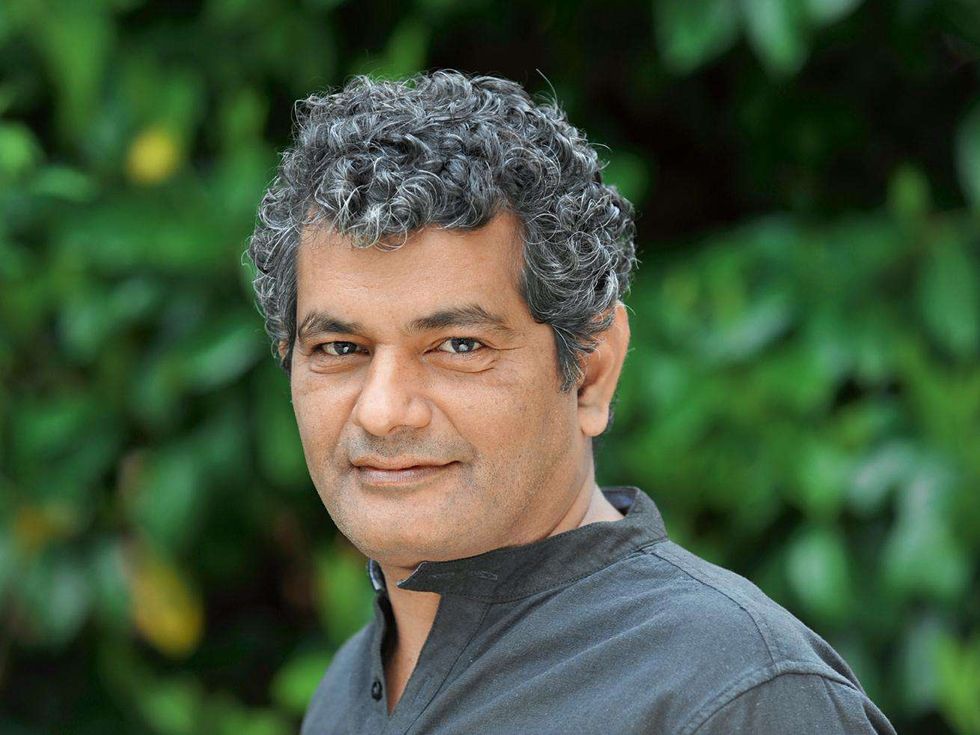 Mohamed HanifKSLF
He elaborated: “There’s hardly any cultural dialogue. They don’t even allow Pakistani films to be shown in India, or Indian films to be shown in Pakistan. Pakistan has so much in common with, at least, North India. There is no exchange of singers.
“There is no cricket, which is such a common binding factor for both countries. They can only play each in neutral venues like Sharjah. IPL is such a huge money spinner but we can’t have Pakistani players playing in the IPL. My dad would have felt this was a big shame.
“The only people who can get visas are those with close relatives. They come for family reasons like weddings. My dad wanted people to people contact.”
Rahul, who was born in 1940, read history at King’s College, Cambridge, has edited, among other publications, Reader’s Digest in India, Indian Express, Sunday Observer and Khaleej Times in Dubai. He is the author of an engaging biography of Khushwant, In the Name of the Father.
He remembered he went to Pakistan some years ago as apart of a veteran’s tennis team. “There was a series of five one day matches going on between Pakistan and India. I got a ticket to the Gaddafi stadium (in Lahore). I can’t tell you how warmly the Indians who were there were received by the Pakistani audience. They were cheering the Indian players. It was a new generation which had not experienced partition. If the taxi driver realised you were from India, they wouldn’t take any money from you. Sadly, that atmosphere soon evaporated.”
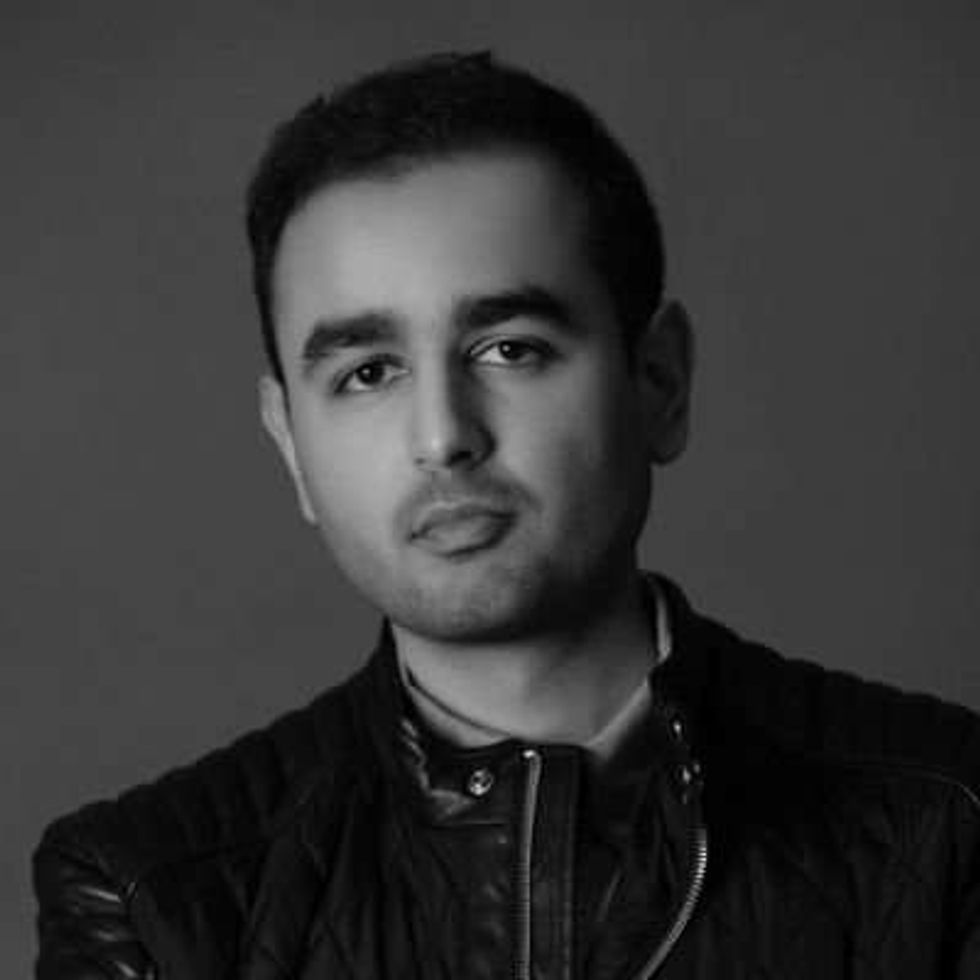 Awais KhanEastern Eye
There are now also restrictions on what books get through the borders.
Indian and Pakistani authors published in the UK can get through but authors published in India can be read in Pakistan only in pirated editions.
Coverage of news from Pakistan in the Indian papers is invariably “negative”.
“Some positive things like Pakistan mediating between the US and Iran, which is a big thing for Pakistan – it’s a coup for Pakistan – is not given much coverage in India. I can understand the reasons why Pakistan was chosen as the mediator. It’s an Islamic country and Iran is pro-Pakistan on issues like Kashmir. Trump gets on well with Field Marshal (Asim) Munir of Pakistan, although (Narendra) Modi is also his ‘good friend’.”
Rahul feels he is keeping alive India’s links with the UK.
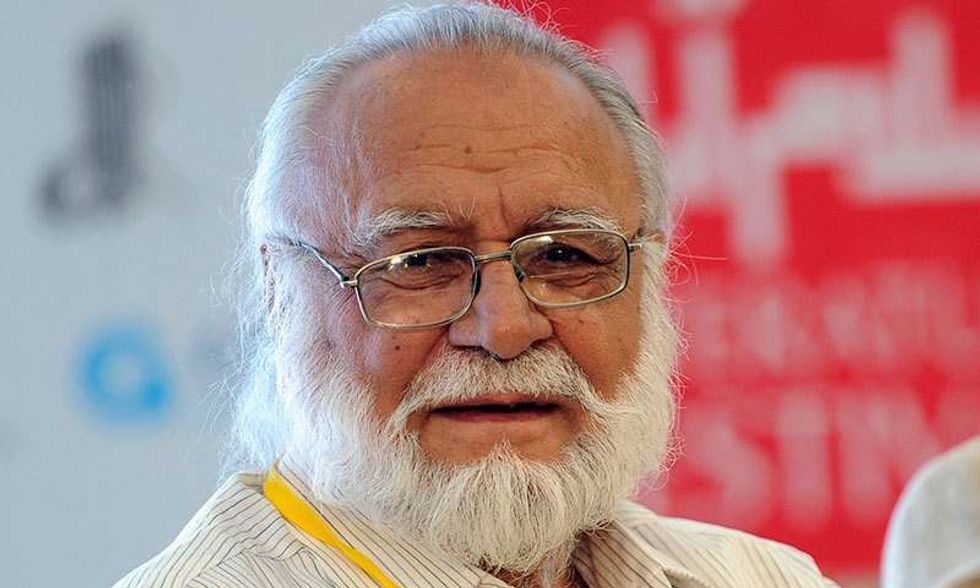 Rahul Singh KSLF
“In my time, for any bright youngster in India who wanted to go abroad for further studies, the place was England,” he said. “Commonwealth students had to pay less for their fees but Margaret Thatcher got rid of that. University studies in England became very expensive. America has tuition waivers and many more scholarships. So Indians are gravitating towards the USA.”
But there are positive developments. Sutton, famous for Sutton Seeds, is planting the green shoots of literary collaboration.
“Sutton Council in Surrey heard about our lit fest,” said Rahul. “They said, ‘We have lots of Indians and Pakistanis living here, so please have one day in Sutton.’ So that’s how Sutton came about.”


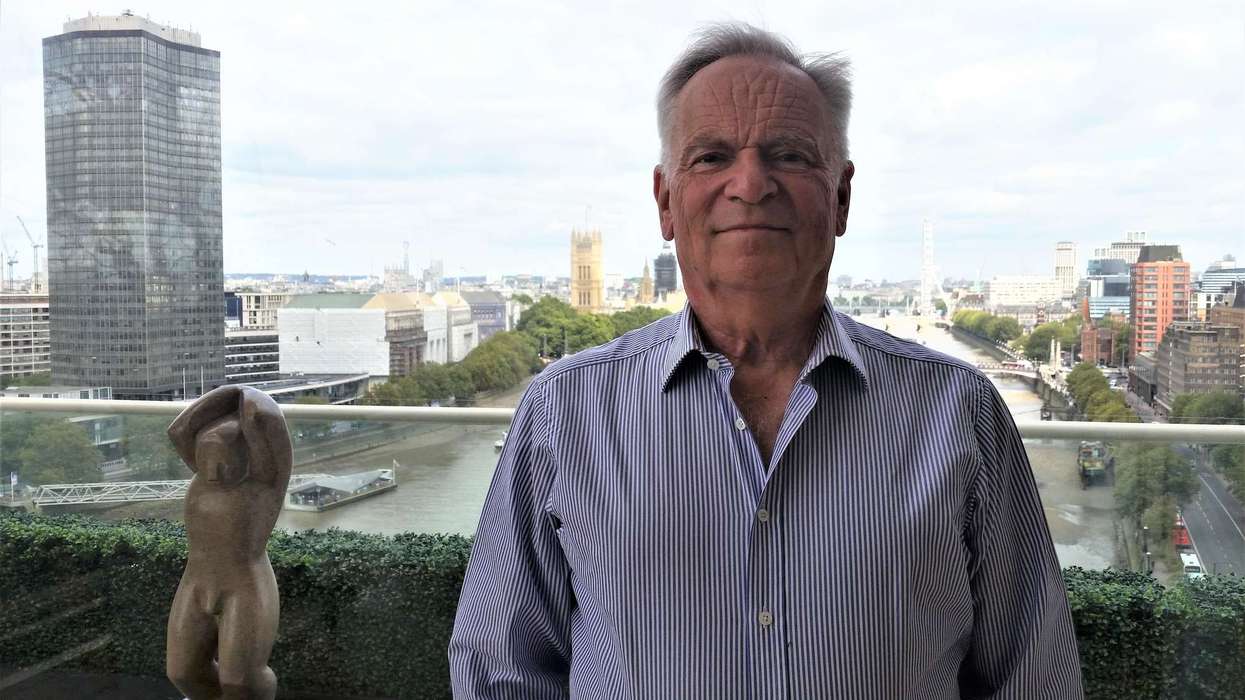
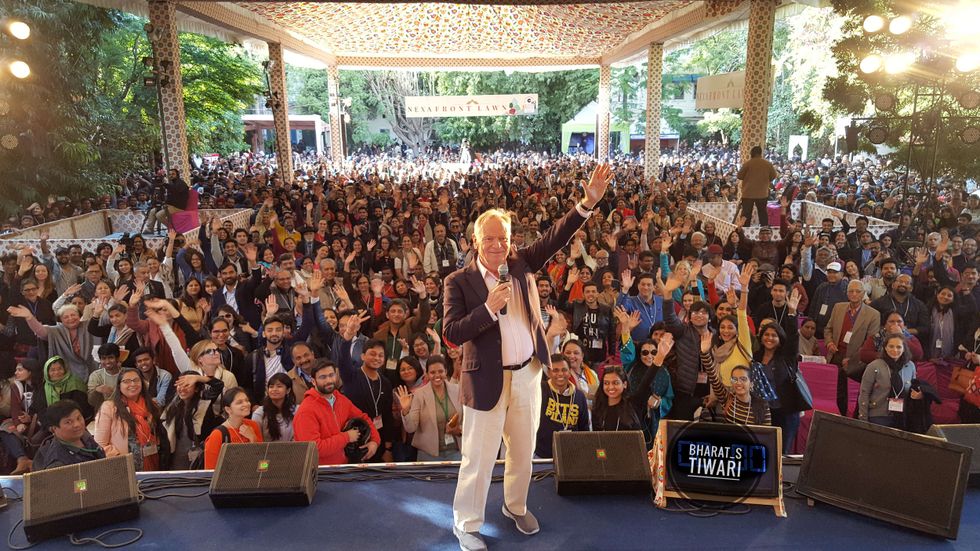 Jeffrey Archer at Jaipur Literary Festival in 2019Eastern Eye
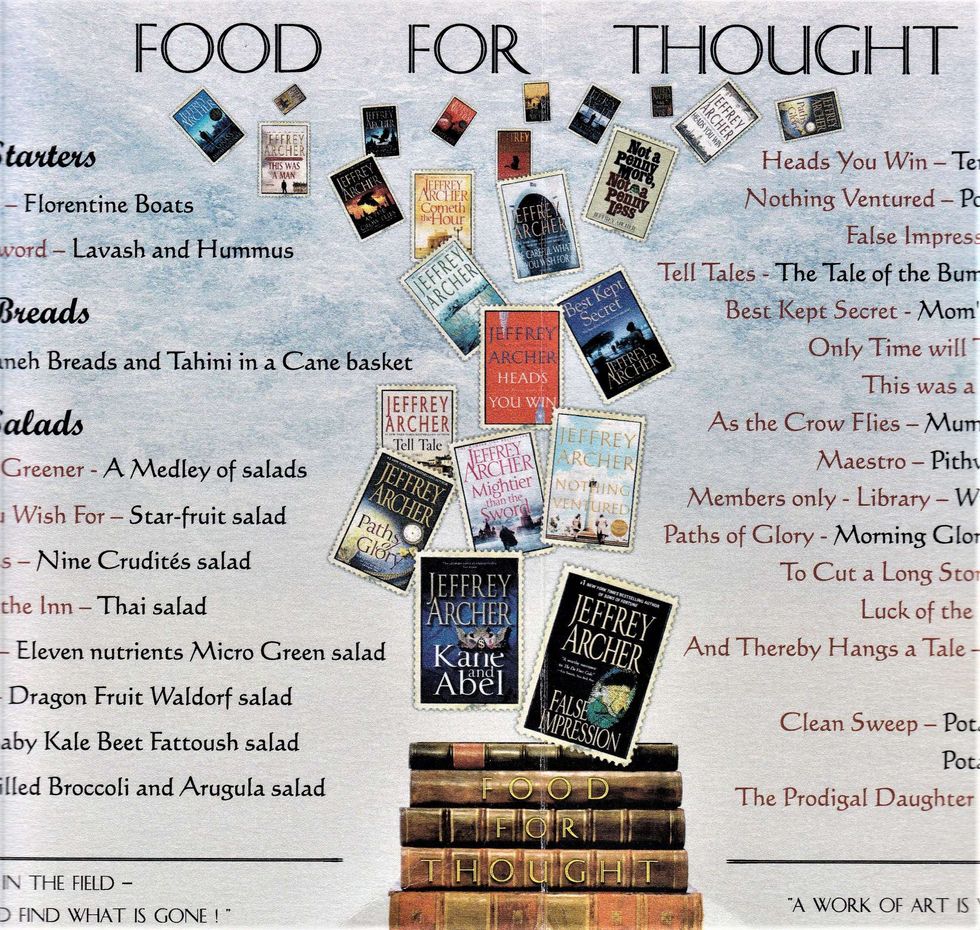 Jeffrey Archer part of the menuAmit Roy
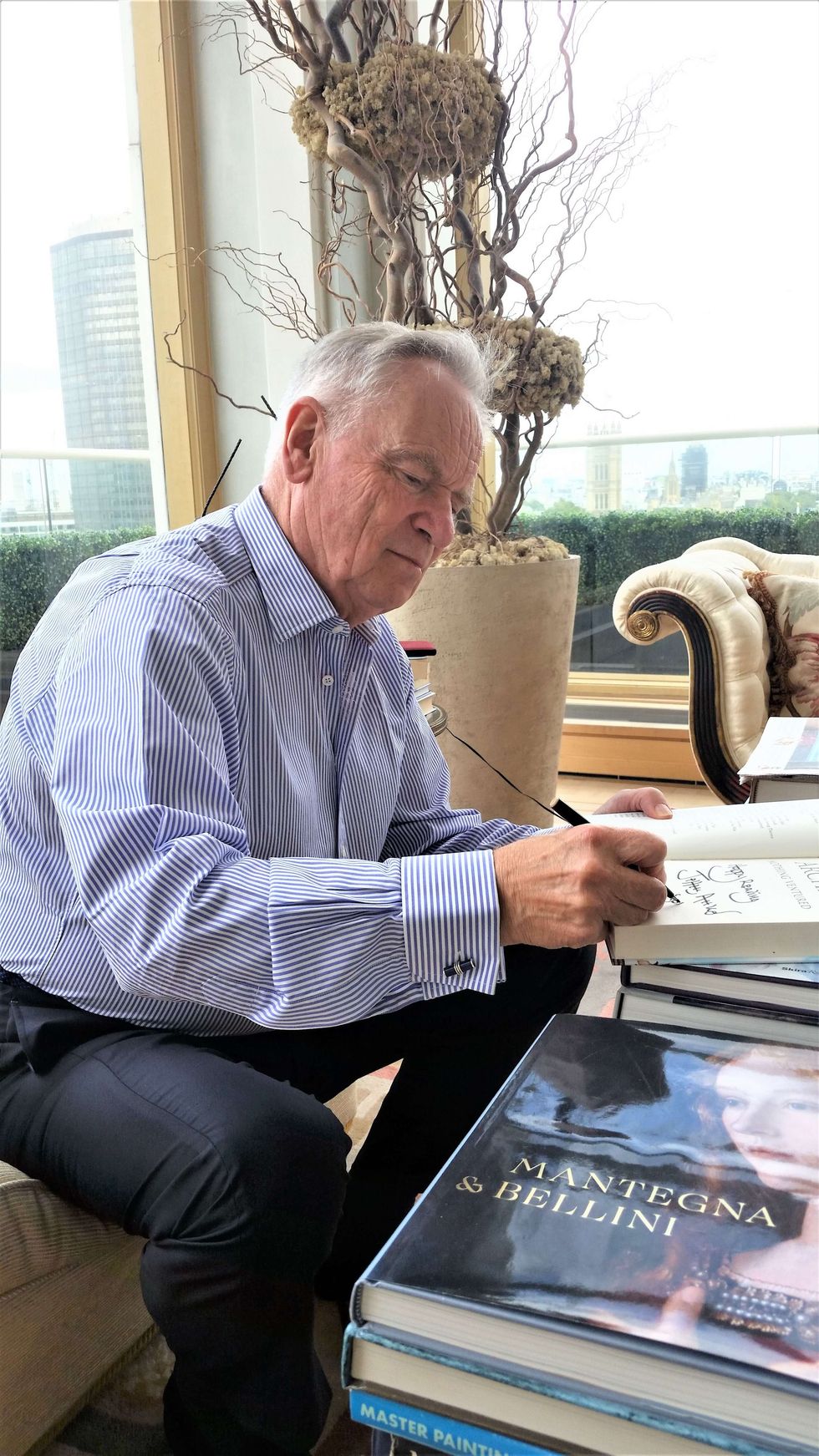 Jeffrey Archer signing a book Amit Roy
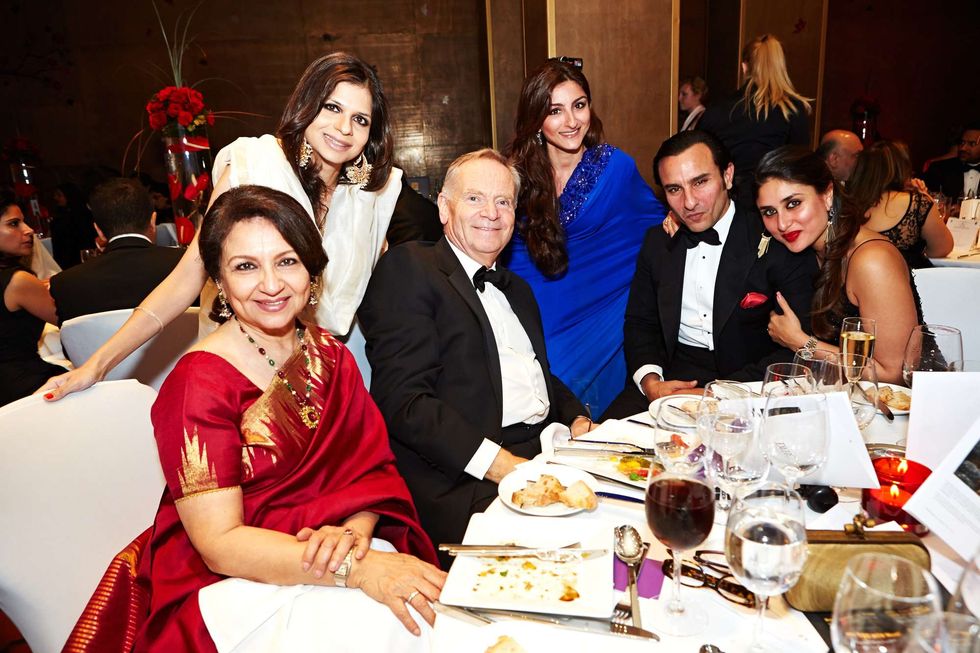 Jeffrey Archer with Sharmila Tagore and her family at an auction dinner in London in 2013Eastern Eye
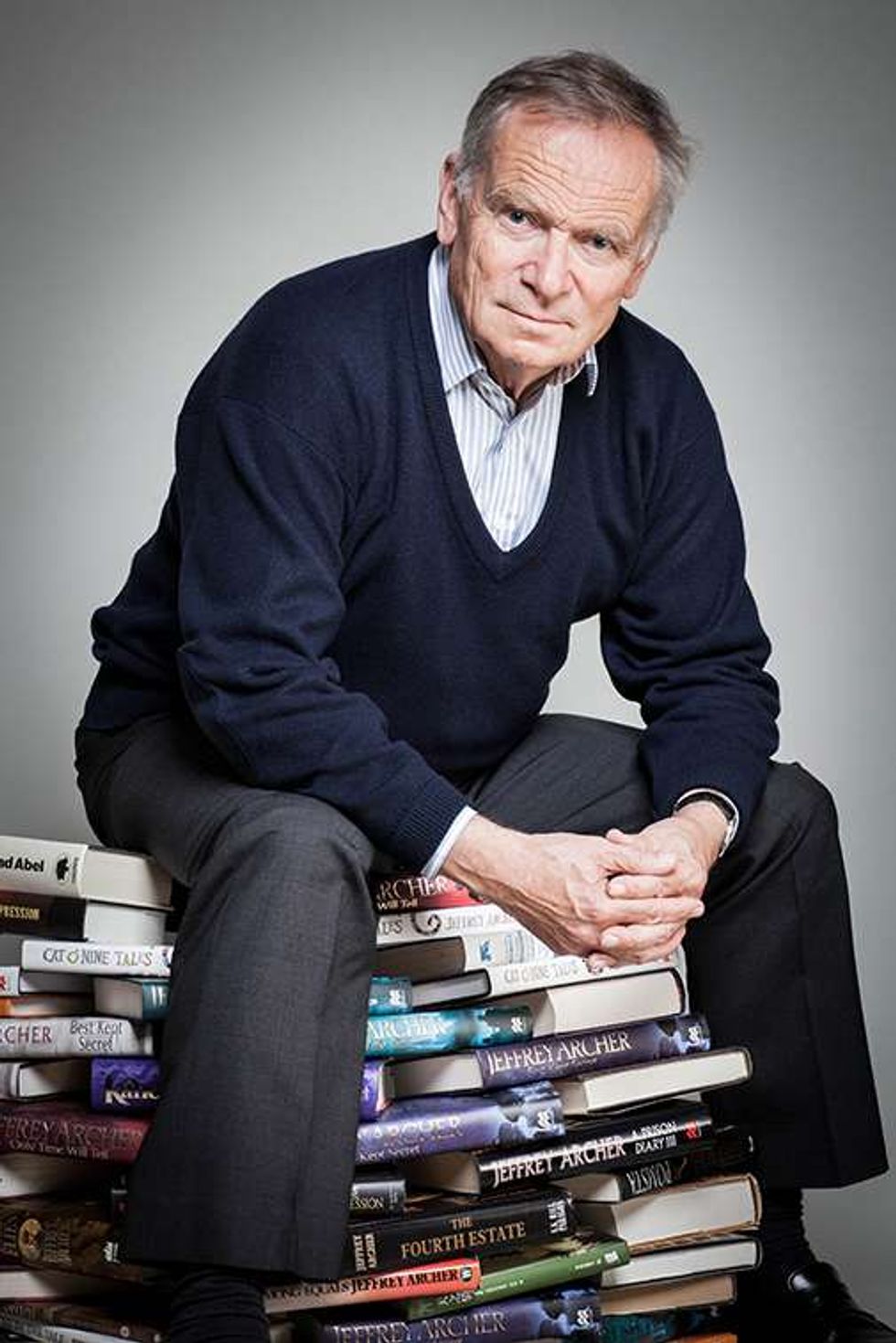 Jeffrey Archer Eastern Eye
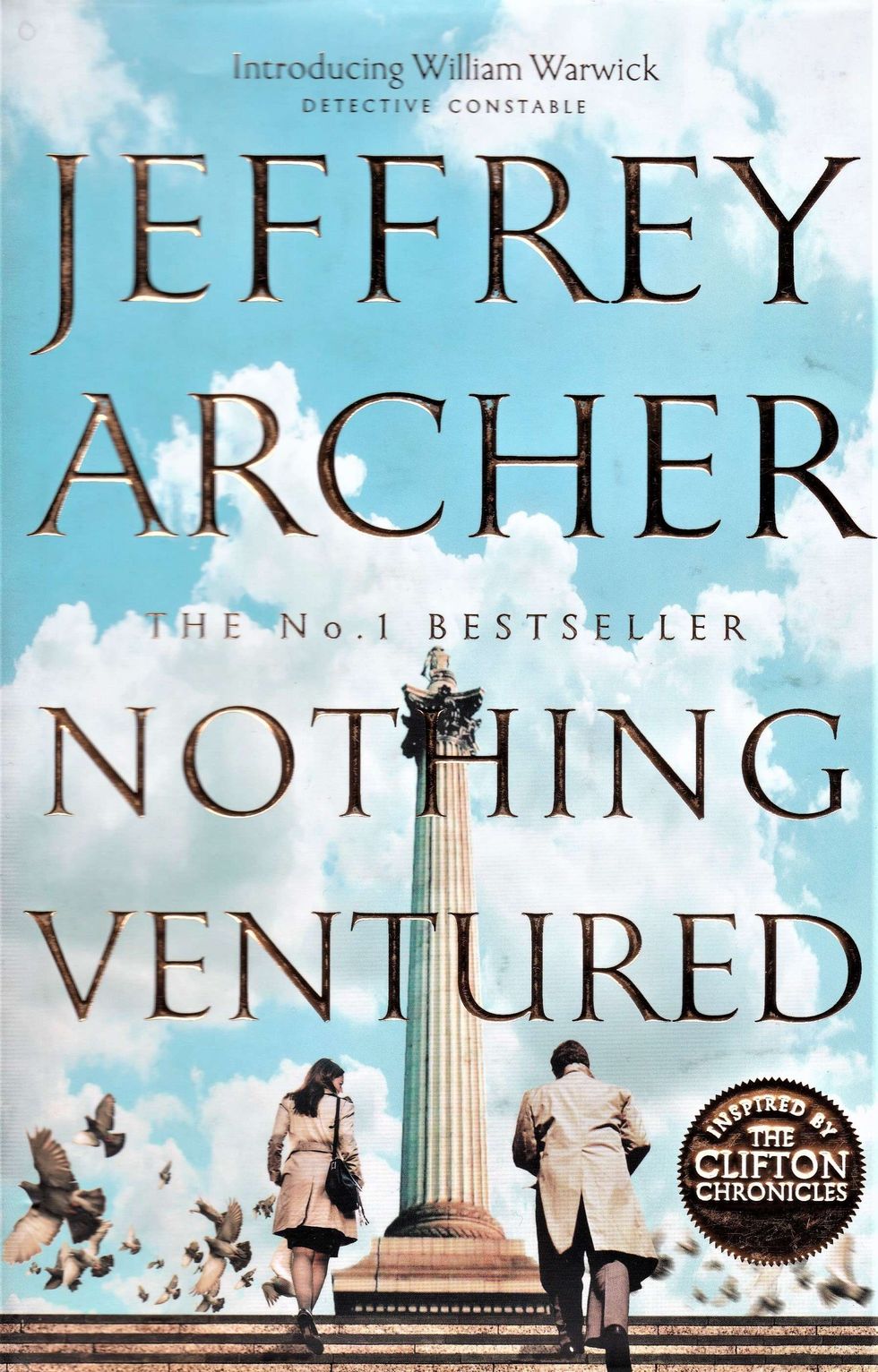 Cover of one of his booksEastern Eye