
Highlights
- Lawsuit filed in Munich court against OpenAI's European subsidiary.
- ChatGPT generated text and images nearly identical to original books.
- Case could set precedent for publishers protecting copyright from AI.
The publishing house filed the lawsuit on Friday at a Munich court. The case targets OpenAI's Ireland-based European branch and centres on Ingo Siegner's Coconut the Little Dragon books, one of Germany's most popular children's series.
'Memorisation' claims evidence
Lawyers from Penguin Random House tested ChatGPT by asking it to write a story featuring Coconut the Dragon on Mars. The chatbot produced text and pictures that the publisher says looked almost exactly like Siegner's original work.
The AI tool went further than just creating a story. It made a book cover showing Siegner's orange dragon character with two friends, wrote text for the back cover, and even gave instructions on how to send the manuscript to a self-publishing website.
Coconut the Little Dragon, known in German as Der kleine Drache Kokosnuss, has grown into a major franchise.
Siegner has written more than 30 books about the dragon's adventures. The character has also appeared in a television series and two films. The dragon gets his name from a coconut because he stands no taller than the fruit's hard shell.
The publisher calls the ChatGPT results "clear evidence" that OpenAI's large language model wrongly "memorised" Siegner's creative work.
This memorisation happens when AI systems store big chunks of texts they learn from and can repeat long sections of those texts word for word. AI companies argue this differs from copying and saving text in a database.
Carina Mathern, who publishes children's and young adult books at Penguin Random House Verlagsgruppe, told The Guardian "Human creativity is and remains at the heart of our work as publishers. We are first and foremost obliged to represent the interests of our authors and creatives."
An OpenAI spokesperson responded: "We are reviewing the allegations. We respect creators and content owners, and are having productive conversations with many publishers around the world so that they can also benefit from the opportunities of this technology."
This lawsuit comes from one of the world's biggest publishing houses and could influence how other publishers handle similar cases.
Last November, a Munich court already ruled that ChatGPT broke German copyright laws by using lyrics from popular songs to train its systems. The court sided with Germany's music rights society Gema.
Interestingly, Bertelsmann, the media company that owns Penguin Random House, signed a partnership deal with OpenAI in January 2025.
However, that agreement did not give OpenAI permission to use Bertelsmann's media archives.






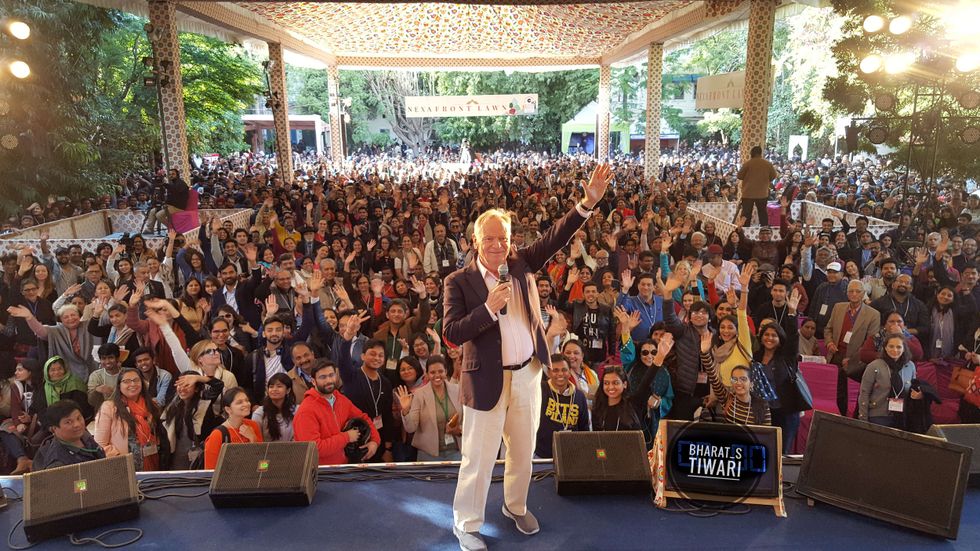 Jeffrey Archer at Jaipur Literary Festival in 2019Eastern Eye
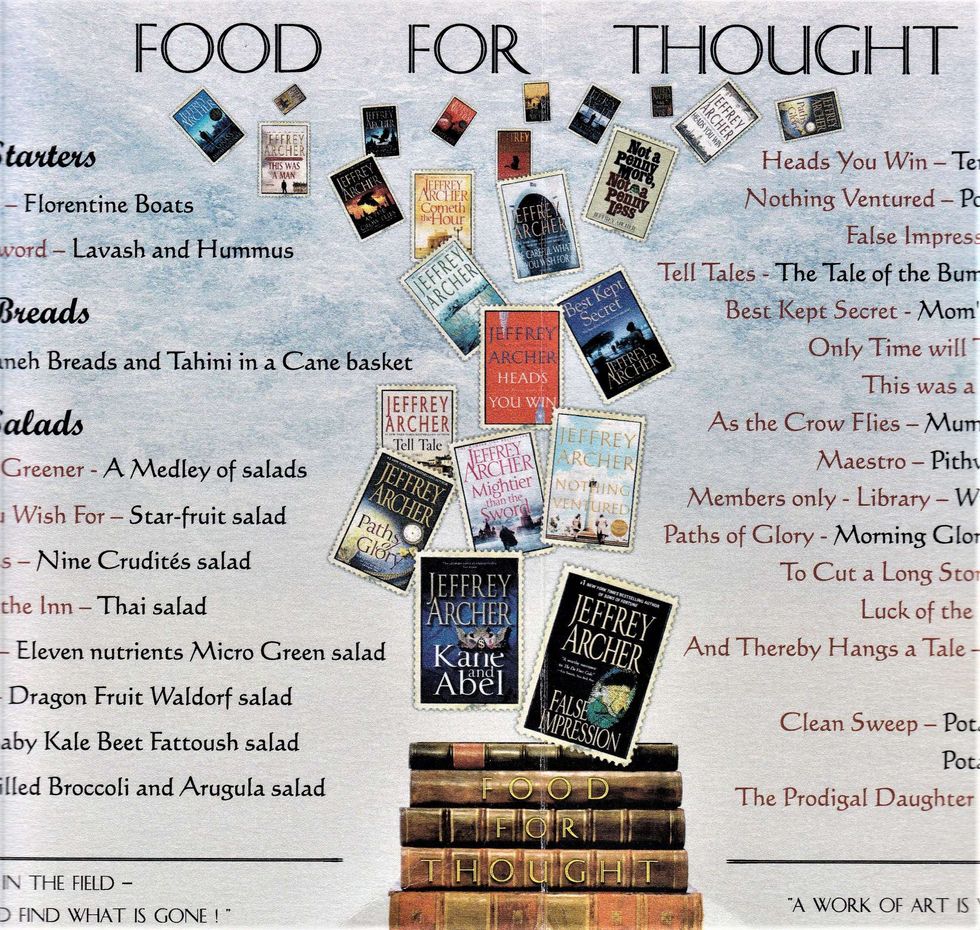 Jeffrey Archer part of the menuAmit Roy
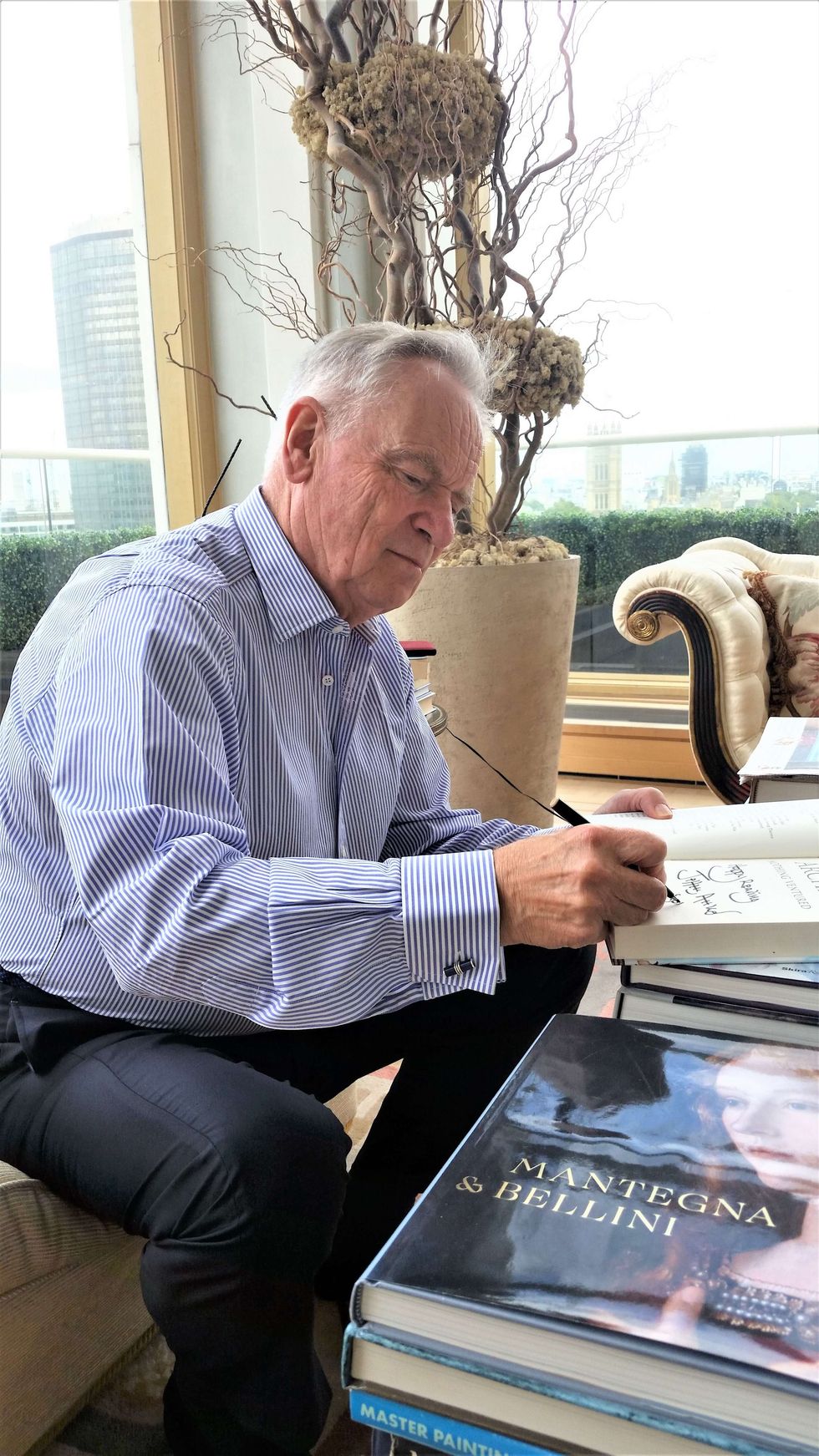 Jeffrey Archer signing a book Amit Roy
 Jeffrey Archer with Sharmila Tagore and her family at an auction dinner in London in 2013Eastern Eye
 Jeffrey Archer Eastern Eye
 Cover of one of his booksEastern Eye