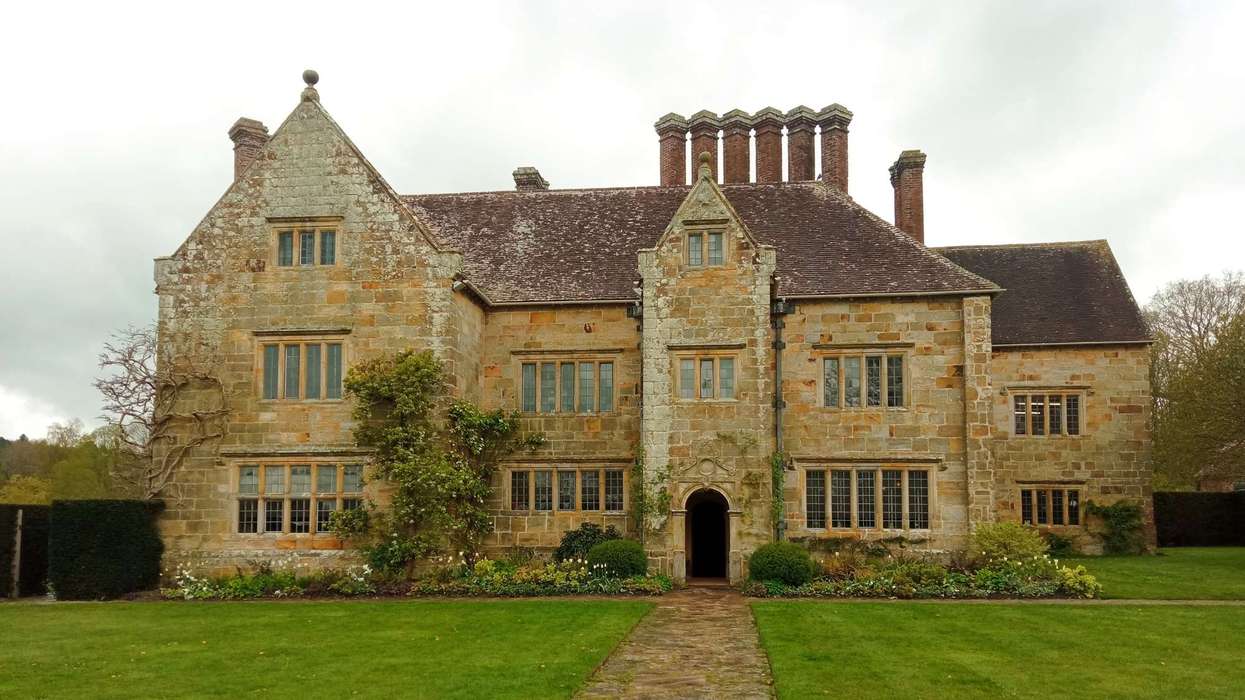

THERE is a great deal of Indian interest at Bateman’s, as became apparent during a three-hour tour of Rudyard Kipling’s home in East Sussex given to Eastern Eye by Hannah Miles, collections and house manager at the National Trust property.
For example, there is a drawing of Saraswati, the Hindu goddess of learning; statues of Ganesha, Brahma, Buddha and other deities; a brass tray depicting the creation, preservation and destruction cycle of life; a fire screen in the bedroom showing Krishna with his Gopis; and drawings, clay figures, plaster reliefs and badges of Mowgli and other much-loved characters from The Jungle Book (which helped Kipling win the Nobel Prize for literature in 1907).
And there is a huge collection of books on India, where Kipling was born in 1865. Following unhappy schooling in England, he lived in India between the ages of 16 and 23 and made his name as a journalist writing for the Pioneer in Allahabad and the Civil & Military Gazette in Lahore (where his even more famous father, John Lockwood Kipling, was curator of the Lahore Art College).
Freddie Matthews, global art historian, curator and cultural strategist at the National Trust, summed up the deep Indian connections at Bateman’s: “India is everywhere, but under the veneer of Englishness. From a distance, the place looks hyper English, but you’ve got to look at Bateman’s in the right light to see India under the surface.”
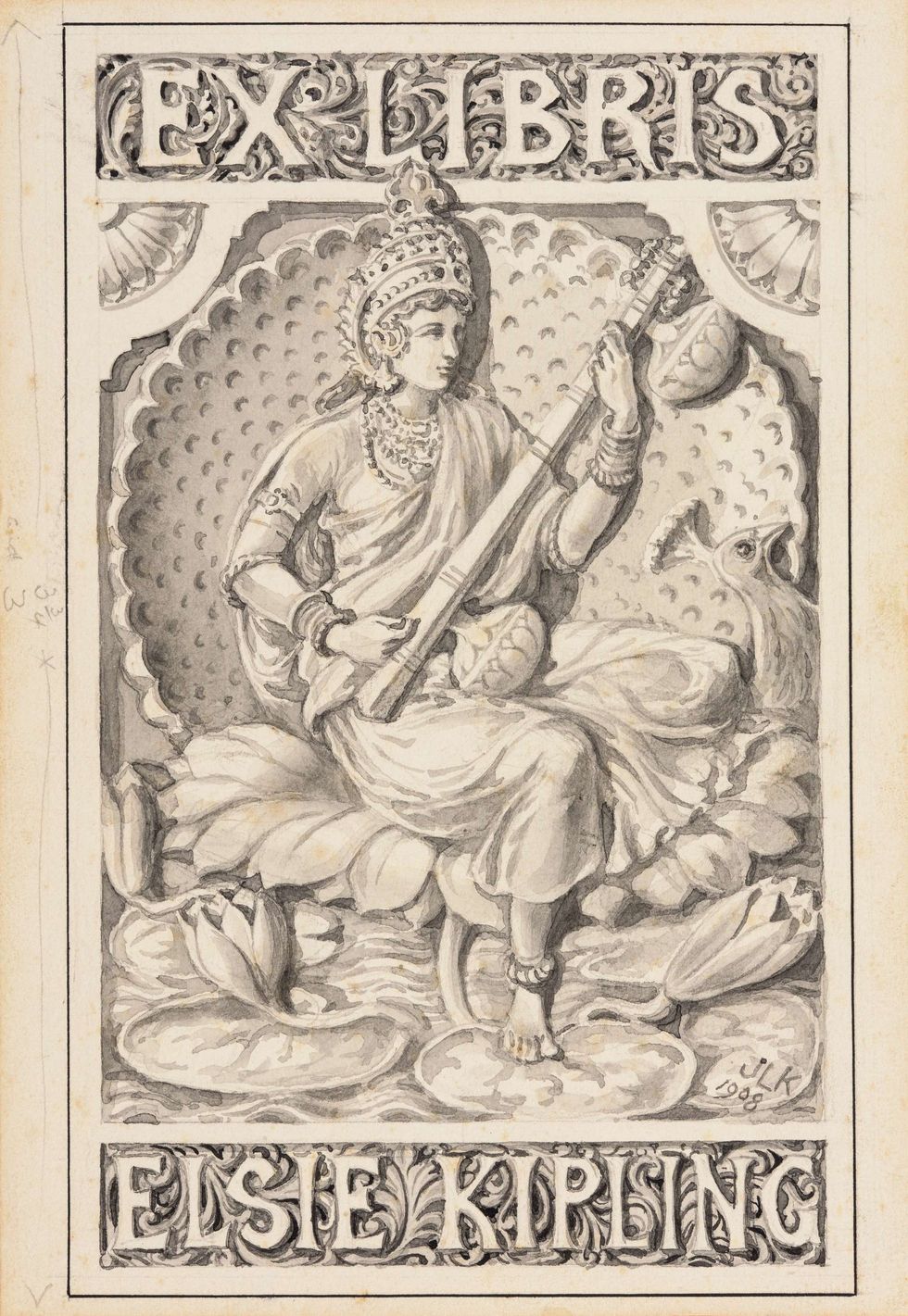 A bookplate of Saraswati by John Lockwood KiplingNational Trust/John Hammond
From the desk in his study, Kipling could look out over the Sussex countryside, which inspired him to write Puck of Pook’s Hill and complete the Just So Stories. He wrote long hand, leaving his secretary to type out his manuscript. She also had to burn all crumpled sheets of paper at the end of each day, because Kipling was obsessive about copyright infringement and didn’t want his ideas to be stolen.
“There are a significant number of books on India on the shelves,” Miles pointed out “There is a wonderful travel guide from India from the 1800s.”
Eastern Eye made a note of such volumes as Glossary of Anglo-Indian Words, (with entries like Leechee and Lychee, Cantonment, Beegum and Begah to measure land); The Letters of Warren Hastings to his Wife; India on Trial; Art of India; The Rajas and the Punjab; The Indian Empire; Thirty-One Years in India by Field Marshal Lord Roberts; A History of Cavalry; Armies of India; Popular Religions and Folklores of Northern India; Indian Trees; and Vegetable Products of Bombay Presidency.
Kipling’s wedding to the American, Caroline Starr Balestier, in London on January 18, 1892, was a quiet affair. The bride was given away by the American British author, Henry James. The large brass tray was a wedding gift from his younger sister, Alice.
“It’s Anglo-Indian, made at the end of the 19th century,” said Matthews, who has been carefully cleaning many of the objects, including a brass figure of Brahma, the eight-handed god seated astride a tiger.
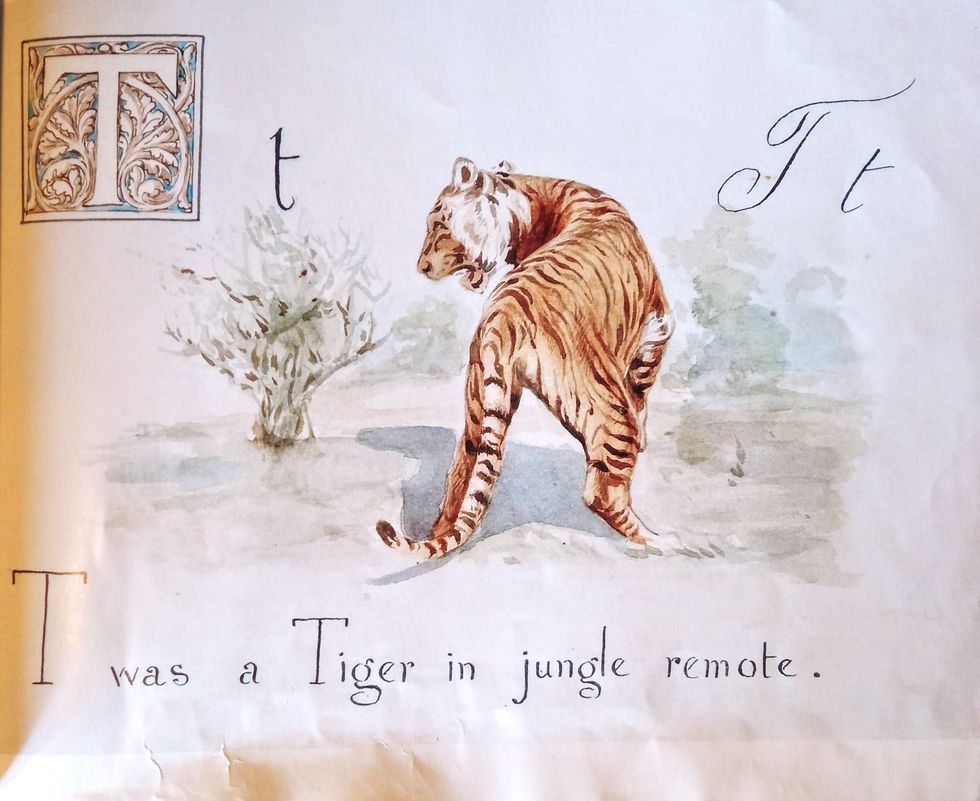 Lockwood’s tiger drawingAmit Roy
“They would serve tea on the brass tray at Bateman’s,” added Matthews, who once worked for Alka Bagri from the Bagri Foundation. “In the right light you see engraved on the surface, Krishna and Radha, and Brahma and Shiva with his long locks mopping up the Ganges. That’s emanation of Vishnu playing Krishna. So you’ve got the three primary deities. So that composition – one, two, three – is creation, preservation, destruction. Kipling would have loved the fact that he served tea on this tray with all this mythology engraved on it.”
Kipling’s father, Lockwood, created individual bookplates – Ex Libris (from the library of) – for his son and his grandchildren. The drawing of the goddess Saraswati with her veena is from a bookplate done for his granddaughter, Elsie.
Lockwood, a sculptor and artist, continued to live in India, but visited England regularly to see his son and grandchildren at Bateman’s.
“The bookplates show the family knew all about Hindu deities like Saraswati,” commented Matthews. “That kind of image is lost on most (English) visitors. It’s quite a bold thing to do to draw Saraswati for his granddaughter. It’s almost sacrilegious, but the family grew up with all these myths.”
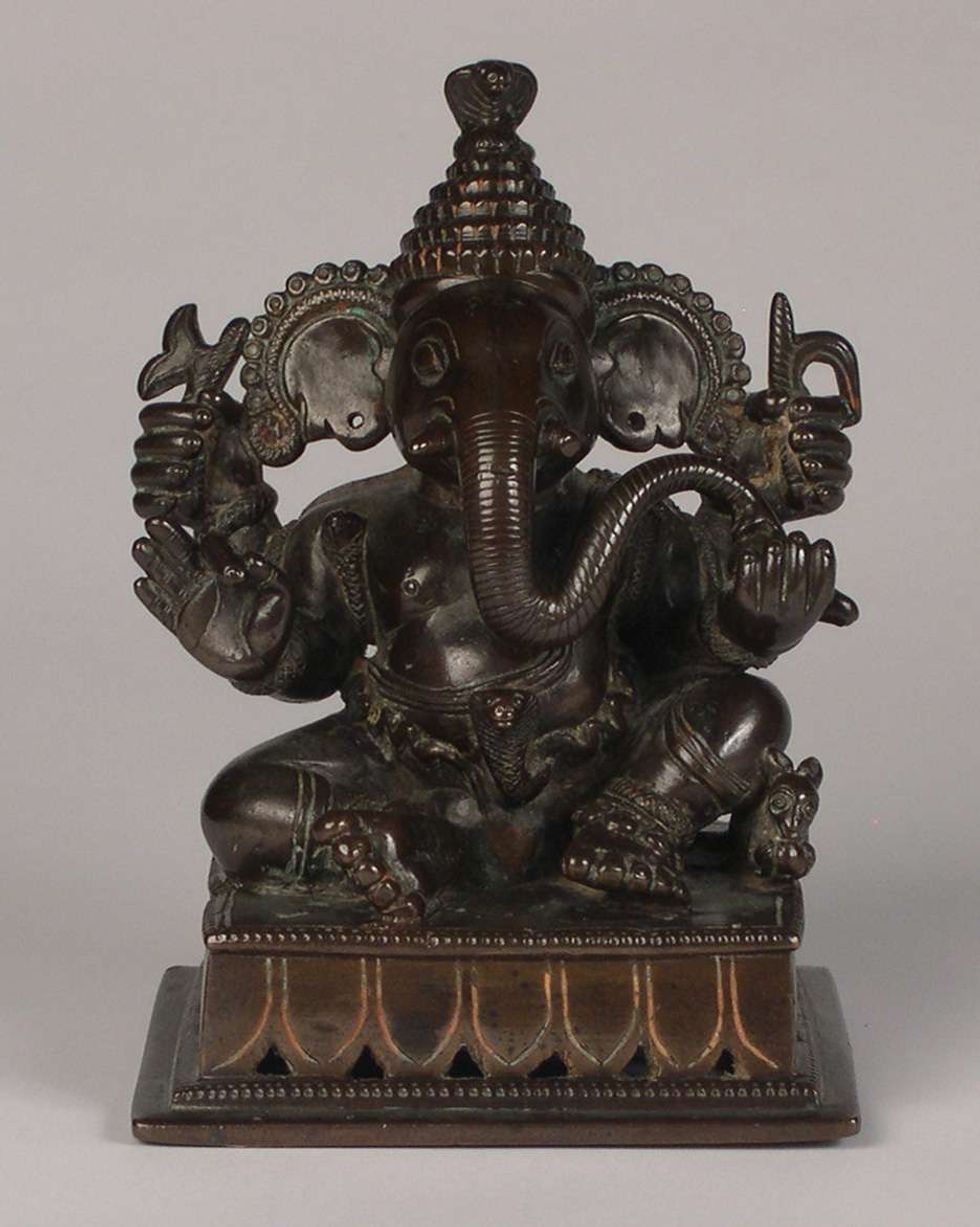 A statue of GaneshaNational Trust/Charles Thomas
In one room, where Elsie and John had lessons from their governess, there are children’s books with drawings done for them by Lockwood, showing tigers, elephants and animals from India and elsewhere in south Asia.
Kipling loved the wall covering in the dining room, bought second-hand from Hampshire, “because of the colours,” said Miles. “It reminded him of his childhood, of growing up in India with the notion of the tree of life.”
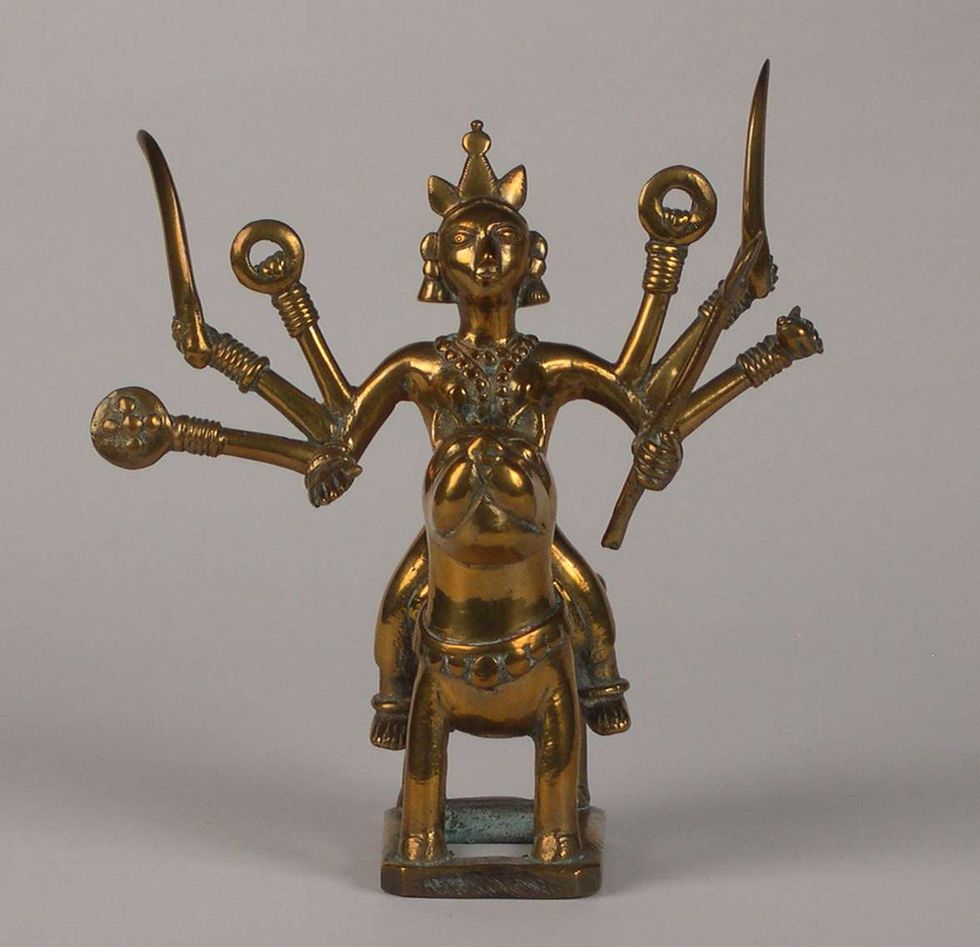 A brass figure of Brahma National Trust/Charles Thomas
Made from leather calfskin in the Spanish “Cordoba style”, with illustrations of Indian birds, it did not absorb food smell in the way textiles did. Kipling had developed a taste for spicy food in India, but later had to settle for a blander diet because of a painful ulcer.
It is said that Kipling created a rose garden at Bateman’s with the money from his Nobel Prize.
But after the success of The Jungle Book, “Kipling was already an incredibly wealthy man,” stressed Miles. “He could have afforded a much larger house, but he fell in love with Bateman’s.”
“He had several Rolls-Royces throughout his lifetime,” she said. “The one housed at Bateman’s is a 1928 RollsRoyce Phantom 1. It is a 40-50 hp model with blue Windover coachwork. It was nicknamed Esmeralda. It was used by the author for trips throughout England. Kipling himself could never drive. And a bit like the secretaries, he went through several chauffeurs.”
“One of his Rolls-Royces is actually now in India,” Miles revealed. “It is used during the celebration of Holi. It is driven – more likely pushed – down the street. They decorate it with flowers and garlands.”
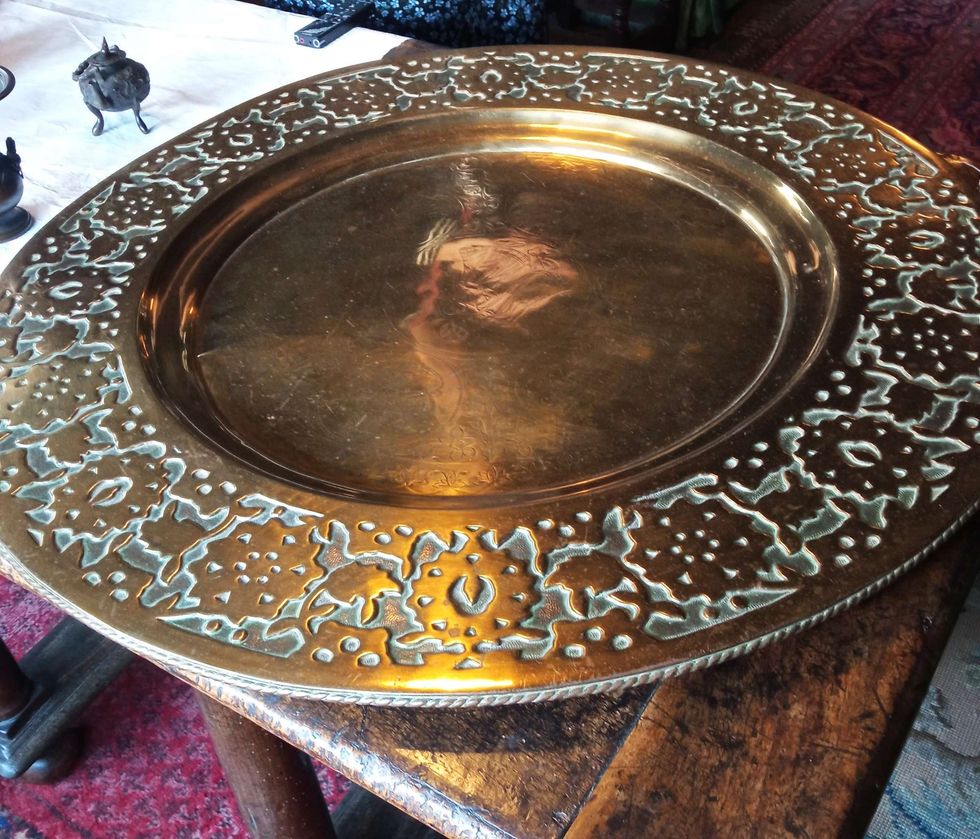 An engraved brass trayAmit Roy
The “moving temple” is driven in Kolkata from the Satyanarayan Temple in Howrah, crosses the iconic Howrah Bridge, and winds through the bustling, narrow lanes of Burrabazar.
“It’s something we often feel quite inspired to do maybe one year here at Bateman’s to celebrate Holi,” remarked Miles. Even in those days, the bank of mum and dad still operated.
Miles said: “From the royalties from her father’s writing, Elsie effectively created a Georgian palace. This is Wimpole Hall in Cambridgeshire. This is also with the National Trust. She married George Bambridge, a captain in the army, but he also worked as a diplomat in Spain. Very sadly, he died young, and as the couple did not have any children, there was no heir to Elsie.”
The furniture she took to Wimpole was returned to Bateman’s when the house was restored by the National Trust to how it would have looked when her parents were alive. The place was fully opened to the public in the 1960s.
Kipling was a great traveller. Among his close circle of friends was the explorer, Ernest Shackleton.
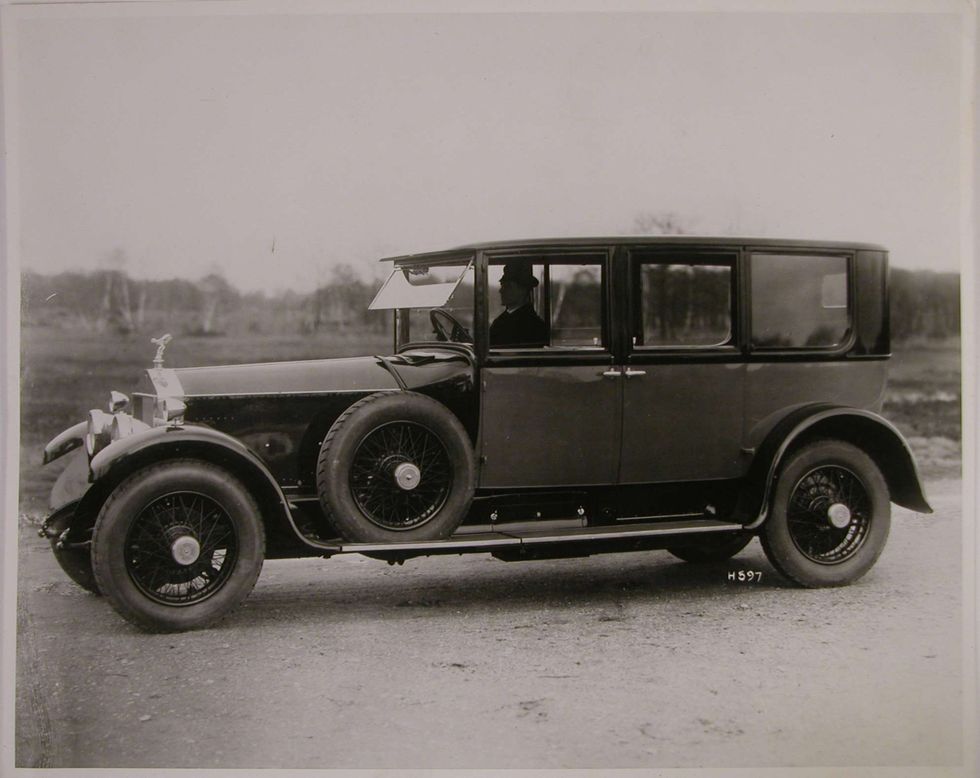 One of his beloved Rolls-Royces National Trust/Charles Thomas
“He was also very close to King George V,” said Miles. Kipling died on January 18, 1936, aged 70. King George, died on January 20, 1936, also aged 70.
Miles explained the protocol: “News of Kipling’s death was held back, because they didn’t want his death to overshadow that of the King, who was gravely ill. Kipling had died two days earlier. Once King George had died, there were articles which said the King had died, taking his trumpeter with him, because Kipling was such a great supporter of the King.”
Kipling never returned to India, but he kept memories of the country close to his heart at Bateman’s.



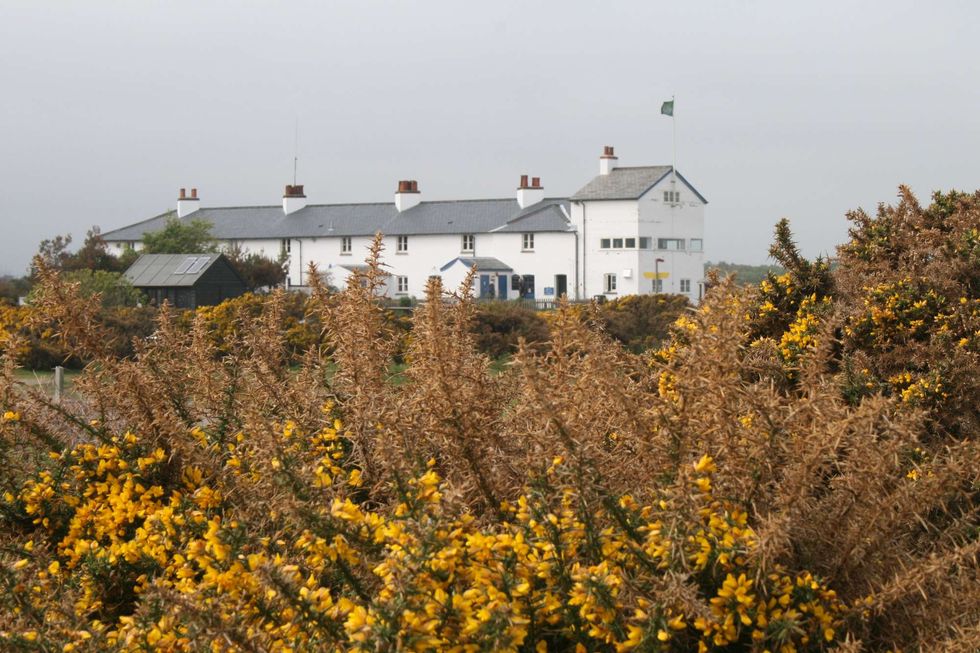 Western gorse in bloom near the cottages before the fire National Trust/Daniel Payne
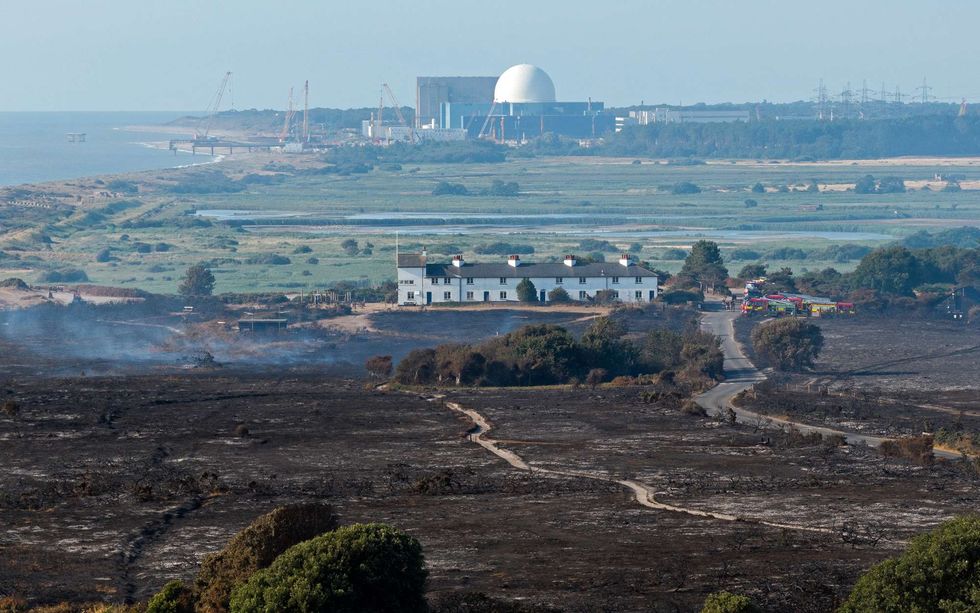 Scorched heathland in front of the Coastguard Cottages, with Sizewell B nuclear power station in the background Toby Shepheard/AFP via Getty Images
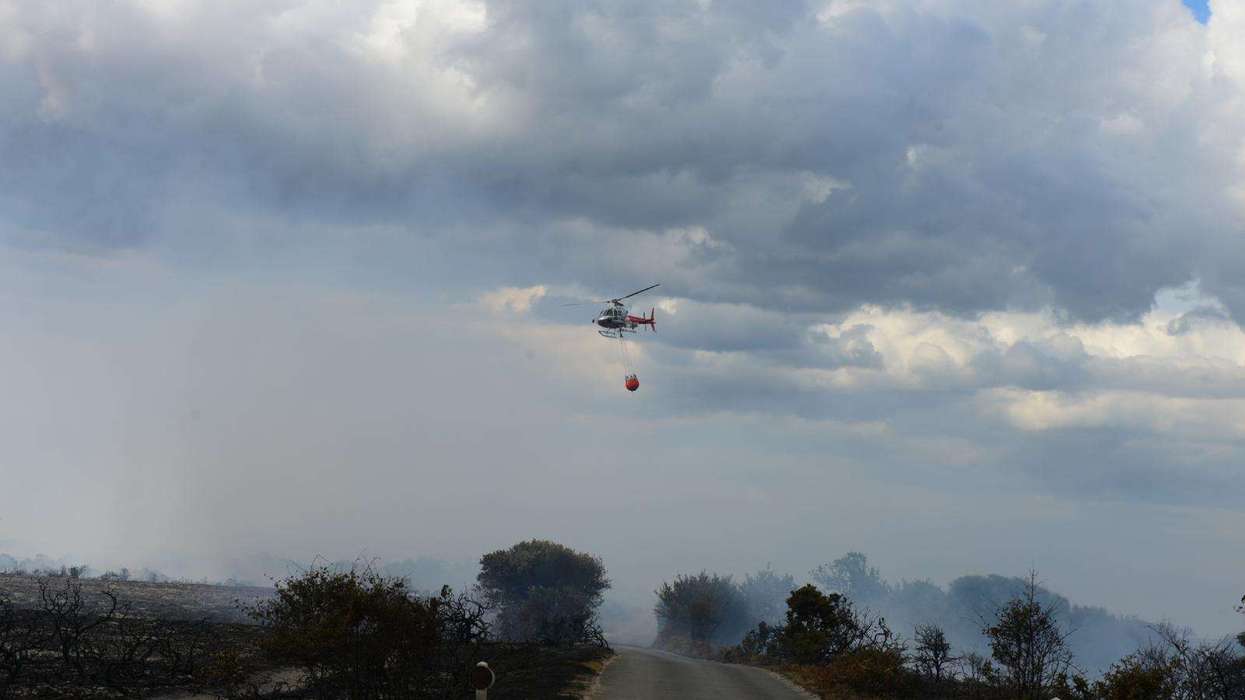
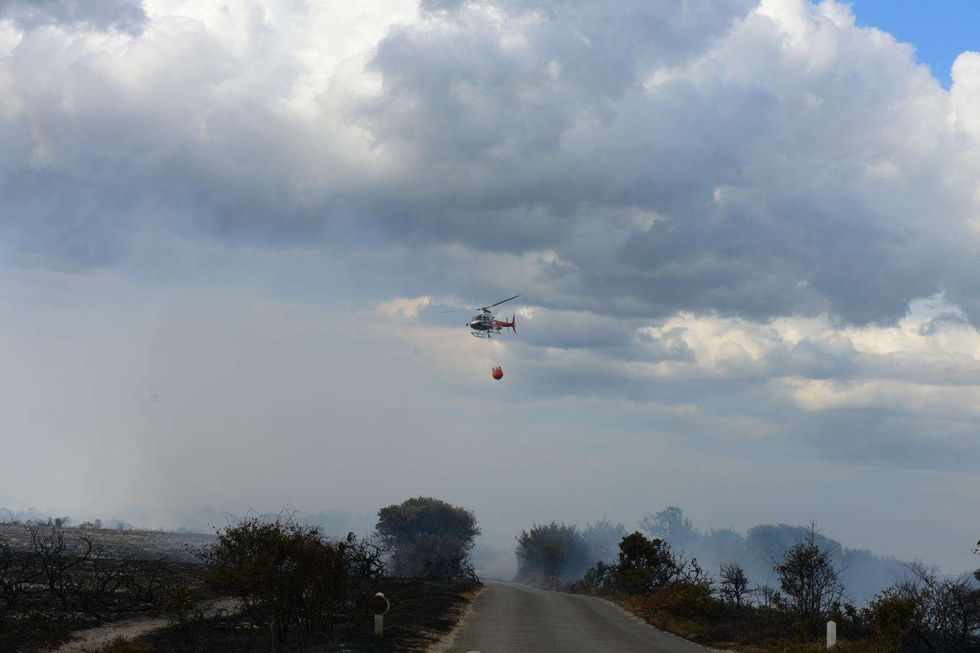 A helicopter helps contain the blazeSuffolk County Council
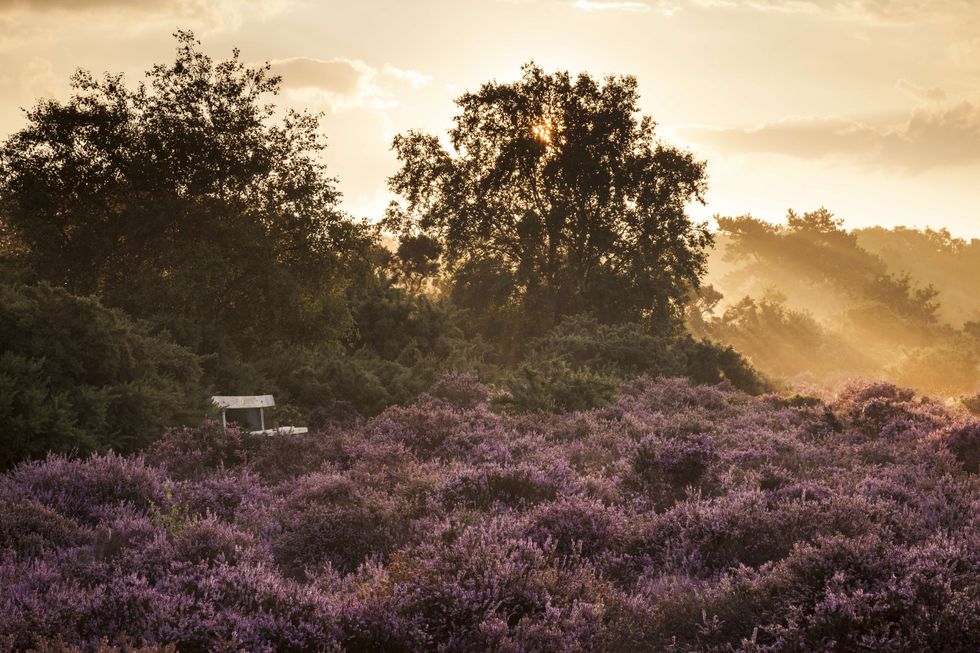 The heathland before it was devastated National Trust/Justin Minns