
- Watchdogs warned stop and search was fuelling a "culture of discrimination" against black communities.
- Officers must now pass eight checks before searching someone based on the smell of cannabis.
- The Tories condemned the rules as "yet more woke nonsense" that would "put lives at risk."
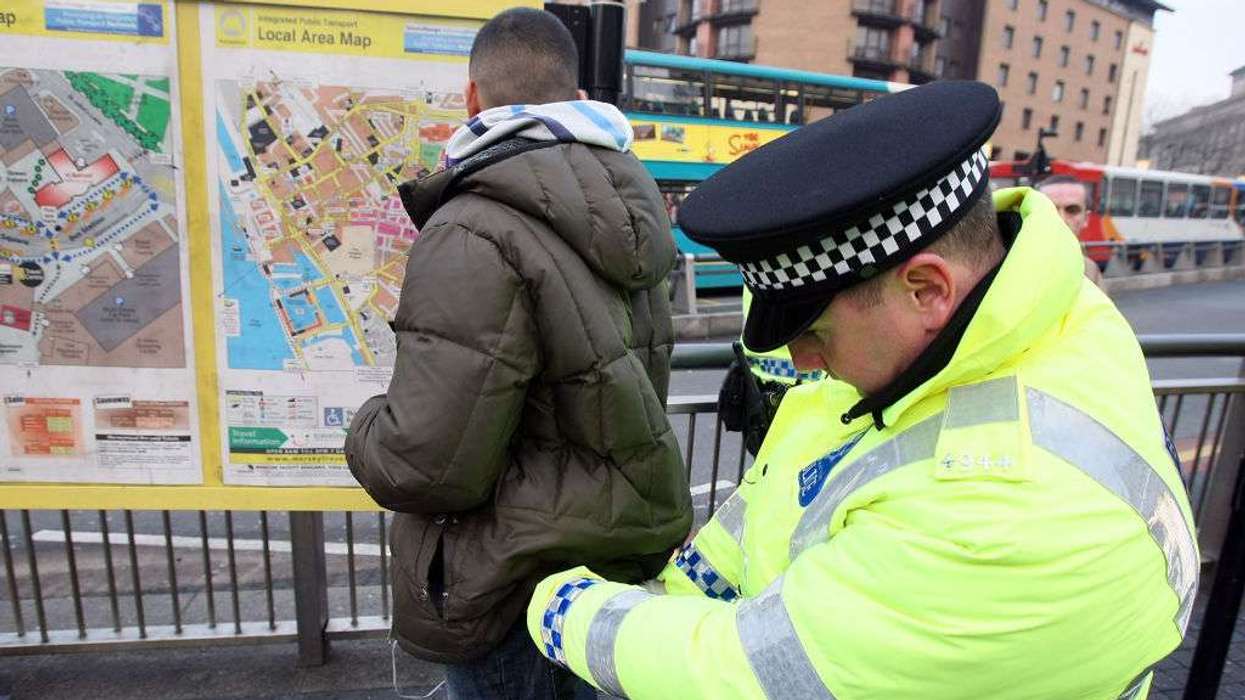
BLACK communities' deep distrust of stop and search has forced police chiefs to draw up sweeping new rules requiring officers to justify searches on the spot. These include running through up to eight checks before acting on the smell of cannabis alone.
The College of Policing, which sets conduct standards for officers in England and Wales, launched the guidance after watchdogs found that black communities still believed the tactic was being used against them unfairly, reported the Telegraph.
A separate report led to gross misconduct findings against three officers who strip-searched a 15-year-old boy at home without an appropriate adult present.
Before acting on the smell of cannabis alone, officers will be required to consider whether the smell can be pinned to a specific person, whether it may have drifted from somewhere else, how likely it is that drugs will actually be found, and whether their reasons would stand up to scrutiny from an ordinary member of the public.
The guidance also urged officers that they must explain "clearly" to suspects why they are being searched, and treat them with "dignity and respect throughout".
According to reports, stop and search numbers decreased dramatically over the past two decades. At their height in 2008-09, officers carried out 1.5 million searches a year. That fell sharply to 279,000 by 2017 after revised rules were introduced over concerns about racial bias. Numbers recovered steadily but have begun slipping again — down 1.4 per cent to 528,582 in the year to March 2025.
The new guidance, however, has drawn sharp criticism from the Conservatives. "This is yet more woke nonsense. The College of Policing should be making it easier to conduct stop and search, not harder. Stop and search takes knives and drugs off the streets and saves lives," said shadow home secretary Chris Philp.
He also disputed the racial disproportion argument, saying: "When stop and search rates are compared to the profile of offenders rather than the whole population, there is no disproportionality. The success rates are the same across ethnic groups."
He urged the College to scrap the consultation entirely, warning the guidance would "put lives at risk and miss the chance to confiscate illegal drugs."
The College pushed back, with a spokesman saying its "sole objective is to ensure a vital tool for policing is used as effectively as possible to keep the public safe."