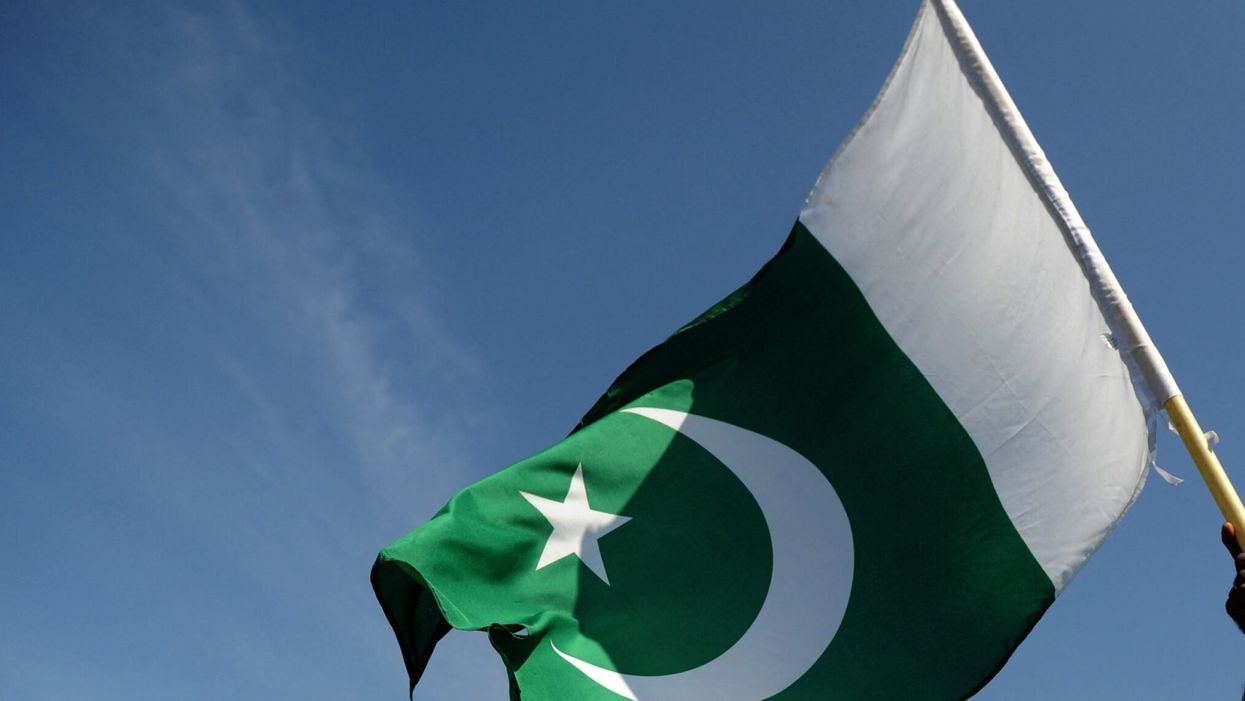

A SIKH religious leader, Gurpal Singh, has been elected unopposed to the Khyber-Pakhtunkhwa assembly on a seat reserved for minorities and allocated to Jamiat Ulema-e-Islam (F), the provincial election commission announced on Thursday.
Singh, the JUI-F nominee, hails from the Malik Deen Khel tribe in Bara, Khyber district.
The reserved seat was awarded to JUI-F after the Pakistan Muslim League (Nawaz) formally withdrew its candidate, Gorsaran Lal, in favour of Singh. This gave JUI-F an additional seat in the provincial assembly.
Shahida Waheed of the Awami National Party was elected to a reserved seat for women through a draw. The draw was conducted on the Election Commission of Pakistan’s directive to allocate one reserved minority seat between PML-N and JUI-F, and one reserved women's seat between ANP and Pakistan Tehreek-e-Insaf lawmakers.
Following the draw, Shahida was declared successful.
The Election Commission of Pakistan on Tuesday had announced its decision regarding the allocation of reserved seats in the Khyber Pakhtunkhwa Assembly. These seats for women and minorities are distributed proportionally among political parties based on their numerical strength in the assembly.
Former prime minister Imran Khan’s party had formed the provincial government in Khyber Pakhtunkhwa following last year’s elections.
(With inputs from PTI)

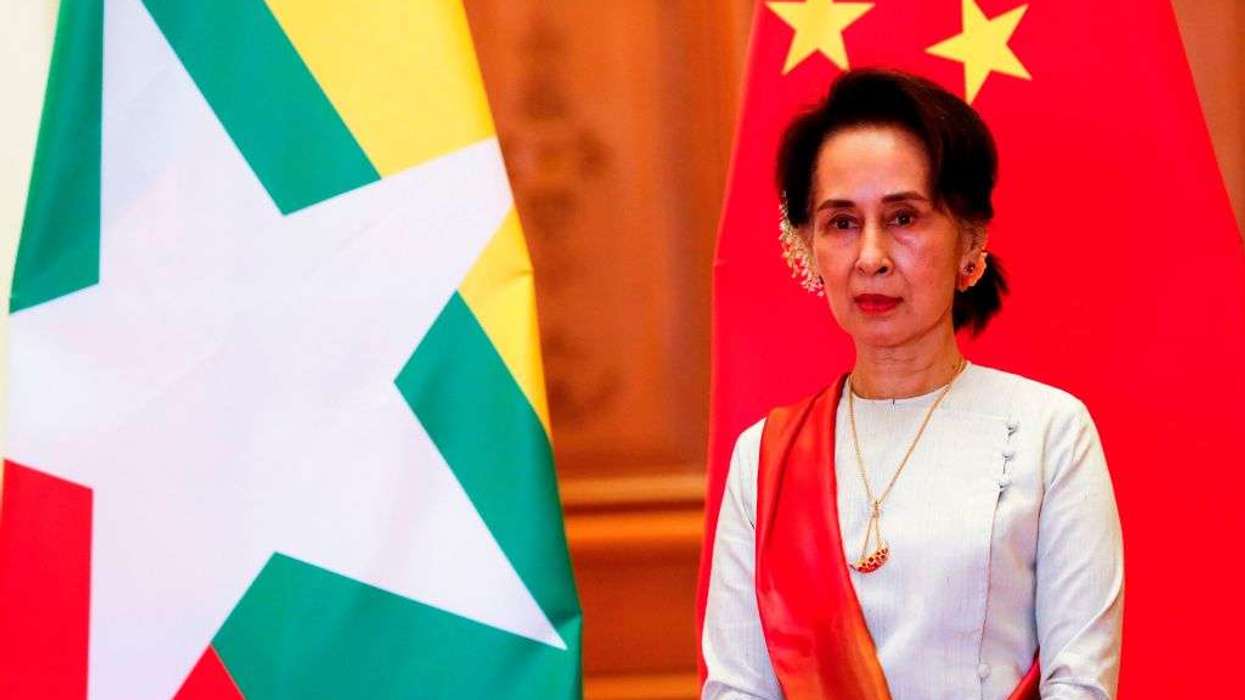 FILE PHOTO: Aung San Suu Kyi (Photo by NYEIN CHAN NAING/POOL/AFP via Getty Images)