A PASSENGER train crashed into a stationary freight train in Pakistan on Thursday (11), killing 11 people and injuring more than 60 under overturned carriages, police said, with the prime minister blaming ageing, poorly maintained rail infrastructure.
The Akbar Express, heading to the western city of Quetta from Lahore, crashed into the freight train in the Sadiqabad area of Punjab province's southern Rahim Yar Khan district, destroying five carriages and trapping passengers.
Rescue workers freed the wounded by cutting through the twisted metal of the carriages and dozens were taken to hospital, police said.
Prime minister Imran Khan issued a statement of condolence in which he blamed the infrastructure of Pakistan's colonial-era railway network which has fallen into disrepair due to chronic under-investment and poor maintenance.
"Have asked Railways Minister to take emergency steps to counter decades of neglect of railway infrastructure and ensure safety standards," Khan tweeted.
Last month, six people were killed when a freight train collided with a passenger train in Hyderabad 165 kilometre (100 miles) from Karachi.
The cause of Thursday's crash is under investigation but Railways Minister Sheikh Rasheed Ahmed said human error was believed to be responsible.
"I have ordered an inquiry. Investigation will complete in two-three days," he told Geo Television.
The minister also announced compensation for the dead and injured.
(Reuters)





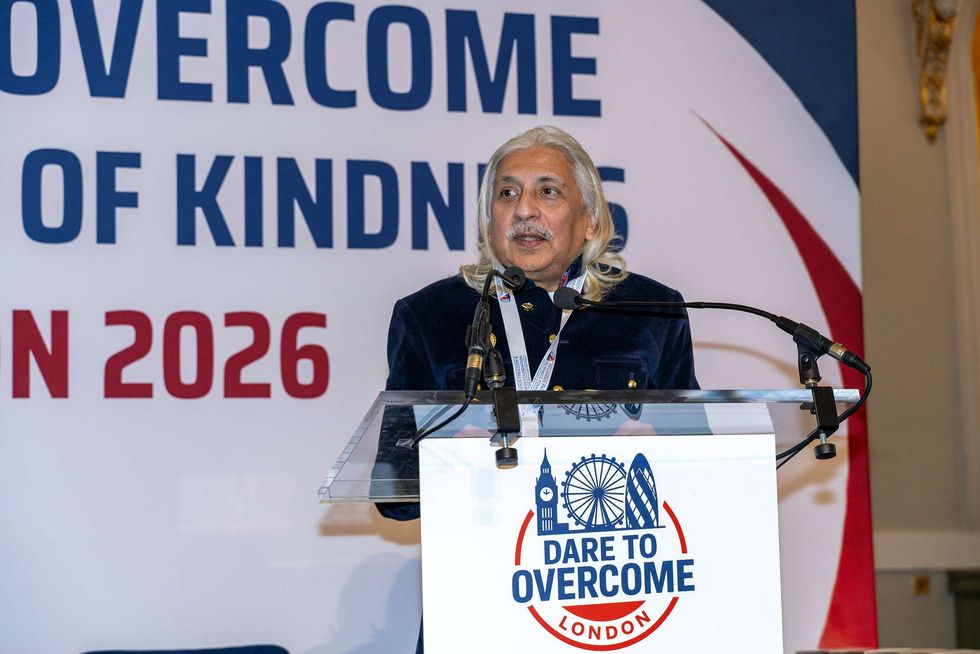 Sanjoy K Roy speaks during the eventEastern Eye
 Dame Susan Langley, Lady Mayor of the City of London, speaks during the eventEastern Eye
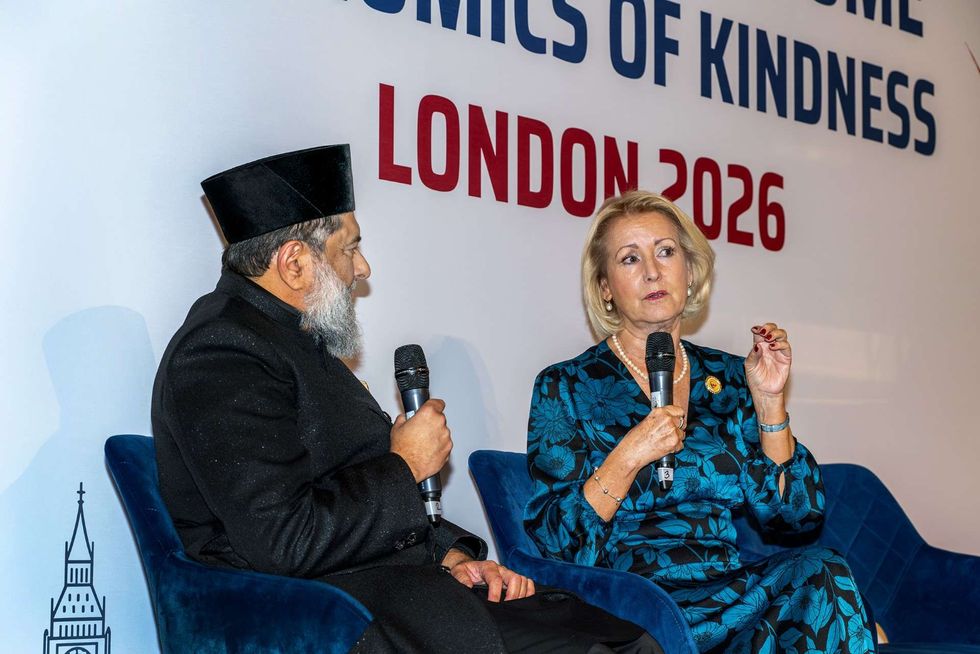 Dame Elizabeth Corley with Shaykh Ibrahim Mogra, Chaplain, Canary Wharf Multifaith ChaplaincyEastern Eye