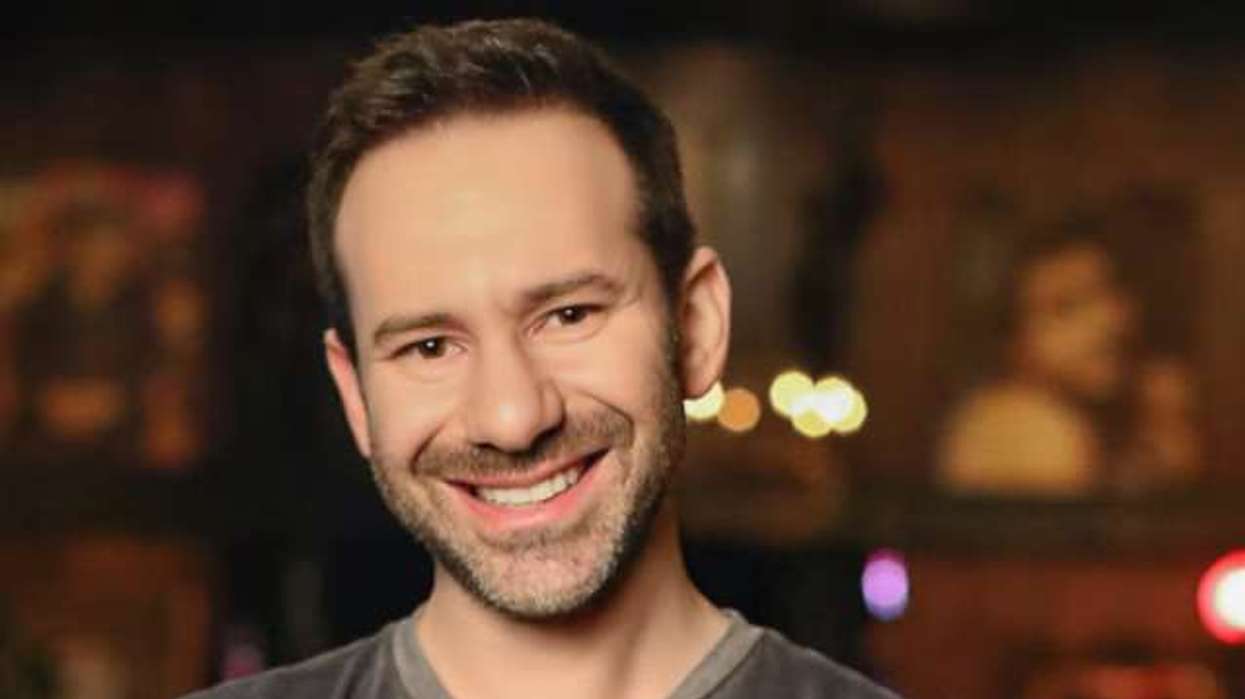

- OnlyFans owner Leonid Radvinsky received dividends worth more than £513m (over $700m) before his death in March at the age of 43.
- The company made $714m in profit before tax last year, a rise of 5 per cent from 2024, despite employing only 47 people.
- OnlyFans has paid over $30 billion to creators since launch, according to chief executive Keily Blair.
The man behind OnlyFans was paid an extraordinary sum in dividends in the months leading up to his death from cancer earlier this year, newly published company accounts show. Fenix International Ltd, the British company that owns the streaming platform, paid its late owner Leonid Radvinsky more than £513m (around $700m) before he died in March.
According to Fenix International's annual report, the company made $714m in profit before tax last year, up 5 per cent from 2024. What makes the figure especially striking is the size of the company behind it. OnlyFans employs just 47 people, a staggeringly small workforce for a business generating that kind of profit. For comparison, Marks and Spencer, which employs more than 65,000 people, made £671m in profit last year, roughly in the same ballpark as OnlyFans despite a workforce thousands of times larger.
Where the money actually went
Fenix International's results show it paid dividends of $535m for the year ending November 30, 2025, followed by a further $174m in dividend payments between then and March 26, 2026. Radvinsky, who was born in Ukraine and raised in the US, died on March 23 at the age of 43. The company is now owned by his widow, Yekaterina "Katie" Chudnovsky.
OnlyFans built its fortune on the back of a huge surge in popularity during the Covid-19 pandemic, a rise that landed Radvinsky on Forbes' billionaires list within just three years. The platform hosts all sorts of subscription content, from cooking to fitness videos, but it is best known for pornography, and is widely credited with reshaping the online adult content industry by encouraging a more personal connection between creators and subscribers, through livestreams, direct messages and custom content requests. In return for hosting the material, OnlyFans takes a 20 per cent cut of all payments made on the platform. By 2025, the site had grown to 132 million paying subscribers and around 2.5 million active creators.
Growth has come with plenty of scrutiny
That scale and success has not come without controversy. A recent BBC Three documentary uncovered allegations of exploitation, coercion and violence against OnlyFans creators, raising uncomfortable questions about what happens behind the platform's polished image. In 2024, British regulators opened an investigation into whether children were accessing pornography on the site, something the company blamed on a technical issue at the time. Ofcom eventually dropped that particular probe, but still fined the firm around £1m for failing to respond accurately to requests about the age verification measures it had in place for users, who are technically required to be 18 or over. Separately, creators themselves have pushed back against the idea that making explicit content on the platform is any kind of easy route to riches.
Keily Blair, OnlyFans' chief executive, reportedly said on Tuesday that the company has paid over $30 billion to creators since it launched a decade ago. As quoted in a news report, she said OnlyFans "provides real opportunities to real people by creating a safe, regulated space where people can monetise their content with a global fan base." She added that as a UK-based business, the company has made a "significant contribution" to the UK economy, having paid more than £600m in corporate taxes between 2016 and now.