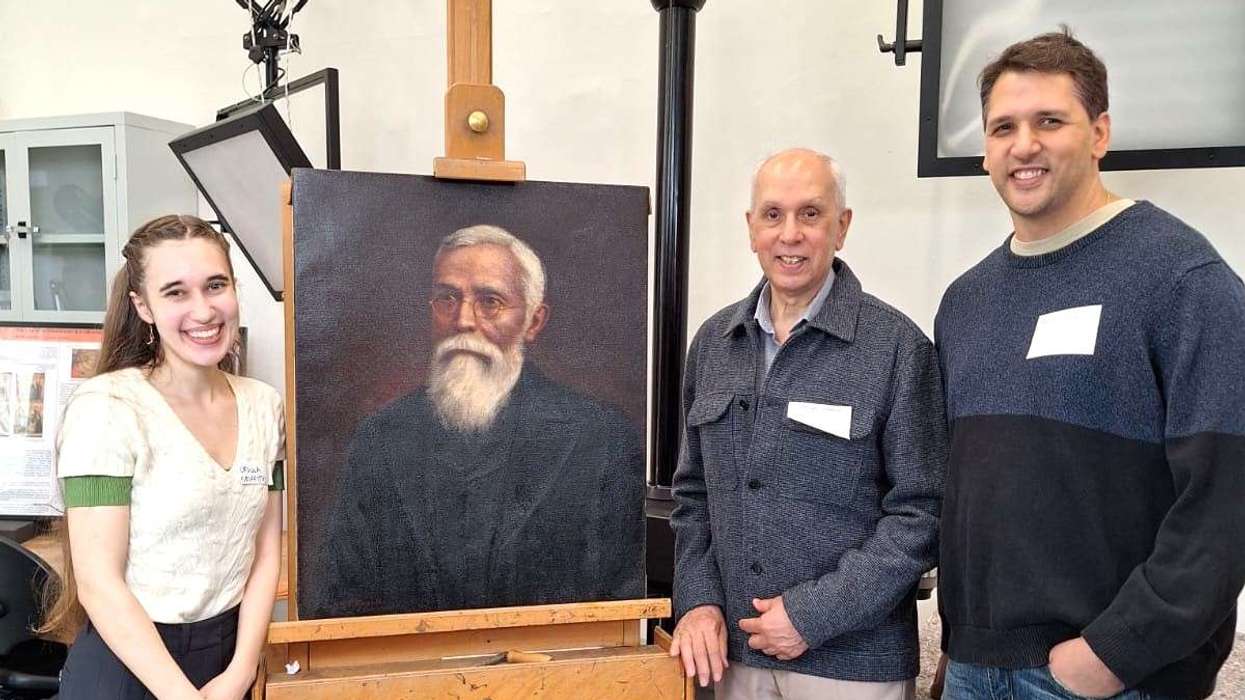

A portrait of Britain’s first Asian MP, Dadabhai Naoroji, is to go on display at the National Portrait Gallery from 2 September.
The painting, which used to hang in the restaurant of the India Club in The Strand, has been carefully restored by the Courtauld Institute of Art.
Naoroji, often affectionally called “the grand old man of India”, was a Parsi who was the Liberal Party member for Finsbury Central from 1892 to 1895.
He beat the Tory candidate Frederick Penton by 2,961 votes to 2,956, a majority of only five. Naoroji’s election agent was one Muhammed Ali Jinnah, then a young law student at Lincoln’s Inn who later gave up the cause of Hindu-Muslim unity which he once had championed passionately and became the founder of Pakistan.
In an 1888 speech, Prime Minister Lord Salisbury dismissively claimed that British voters were not yet ready to elect a “black man” to Parliament in a reference to Naoroji, adding that the House of Commons was “a machine too peculiar and too delicate to be managed by any but those who have been born within these isles”.
So, the answer to the question, “Who was Britain’s first Asian MP?”, is Dadabhai Naoroji – and not Keith Vaz, who was elected the Labour MP for Leicester East in 1987 and represented the constituency for 32 years until 2019.
In fact, two other Asian MPs followed Naoroji, who was born and died in India (4 September 1825 – 30 June 1917).
Sir Mancherjee Bhownaggree was elected as the Conservative MP for Bethnal Green North-East in 1895, serving until 1906.
And Shapurji Saklatvala was elected in 1922 as a Communist MP (endorsed by the Labour Party) for Battersea North, serving until 1923 and again from 1924 to 1929.
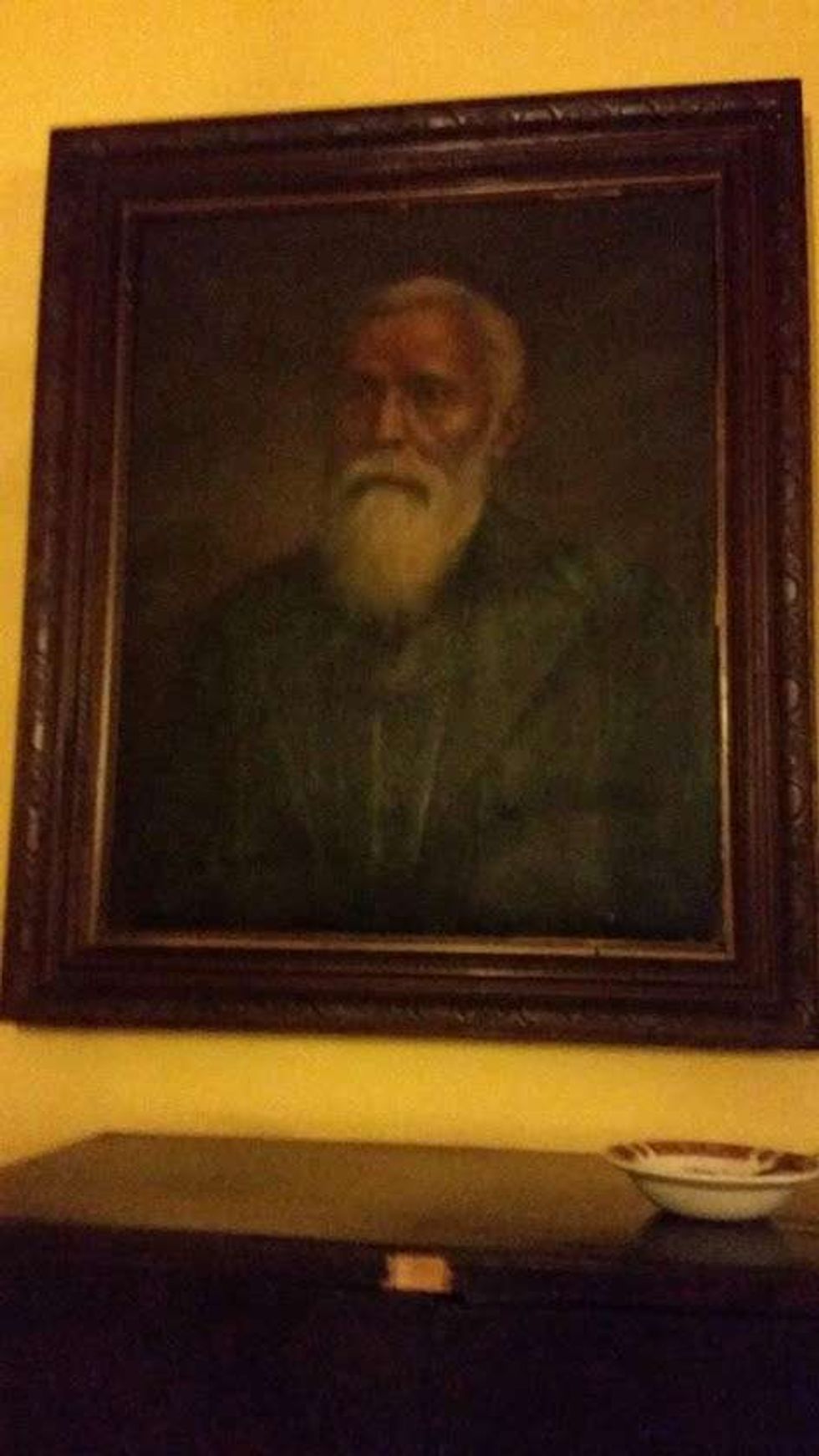 Dadabhai Naoroji portrait at India Club Amit Roy
All three were Parsis who belonged to the Zoroastrian faith.
Naoroji’s portrait is on a three-year loan from Yadgar Marker, who ran the India Club for 26 years on a long lease but the place was forced to close in 2023 after he was effectively ejected by the freeholders, Marston Properties.
There was a long campaign to save the India Club because of its historic importance and especially as this was the location from where the India League, with its links to V K Krishna Menon, made the case for Indian independence.
The campaign was ultimately unsuccessful because Marston Properties claimed they wanted to convert the building into a modern hotel – and there was no room for the India Club in their plans.
In the summer of 2023, Marker and his daughter, Phiroza, who jointly ran the India Club, announced its demise as almost a death in the family: “It is with a very heavy heart that we announce the closure of the India Club, with our last day open to the public on 17th September.”
Among those who had frequented the India Club were staff from the Indian High Commission, students from the London School of Economics and King’s College London, and staff from the High Court in The Strand. It had a loyal Indian and English clientele.
A typical comment when the India Club was forced to close came from historian Kusoom Vadgama, who found comfort in its surroundings on first arriving in London from Kenya in 1953: “I went there in the search for Indian faces. Its passing is like a death sentence for the Indian community. It’s like a murder.”
Three years on, the building is boarded up, with no work visible inside.
Marker said he was “extremely pleased” that a little bit of the India Club will now live on in the National Portrait Gallery through the Naoroji portrait.
The many regulars who frequented the India Club restaurant will remember that the Naoroji portrait was hung just to the right of the entrance. The smoke from the adjacent kitchen and the aroma from bhuna lamb, prawn curry, masala dosa, chilli paneer, yellow dal and other favourite dishes inevitably took their toll on the portrait – oil on canvas, measuring 756 x 615 x 24 mm.
Marker told Eastern Eye that while many of the fixtures and fittings from the India Club had to be given away, he kept the Naoroji portrait to one side.
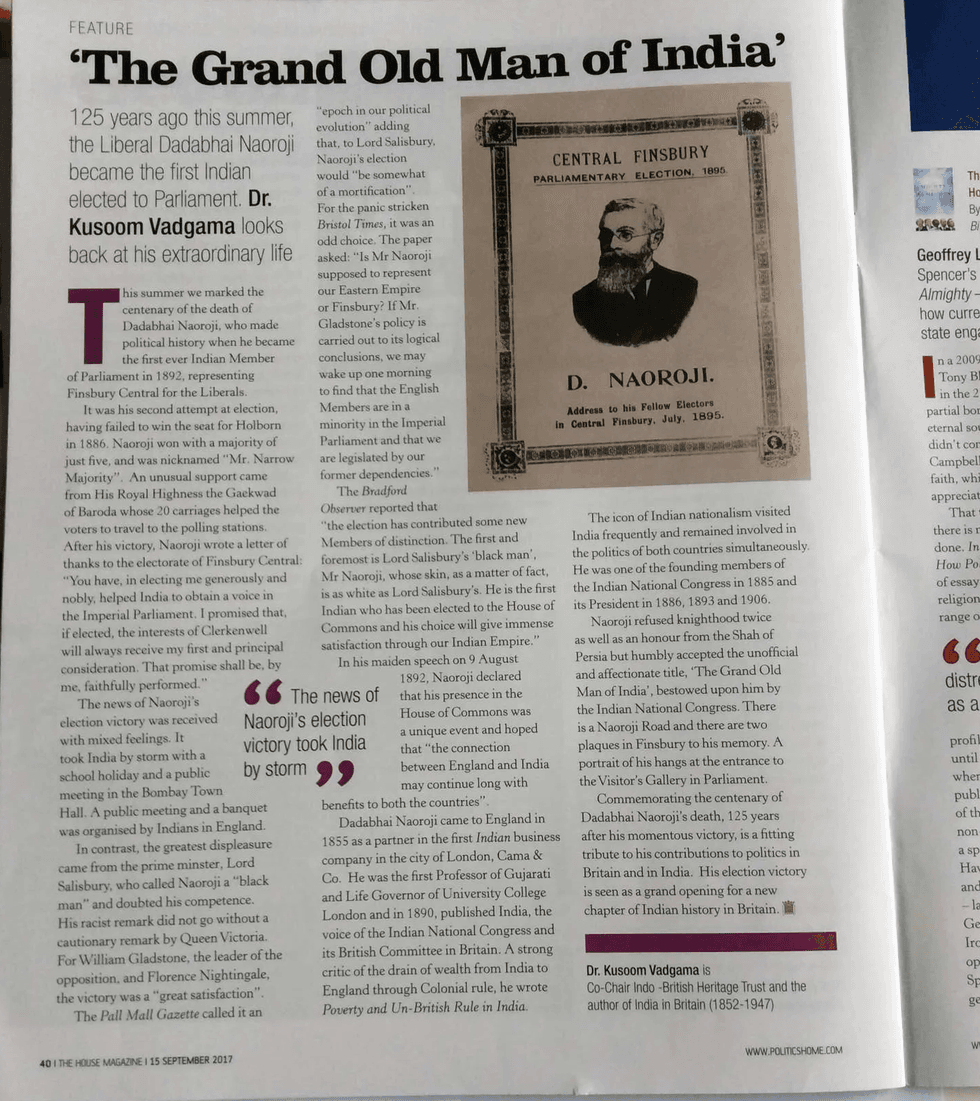 Kusoom Vadgama article on The Grand Old Man of India Amit Roy
“I telephoned the National Portrait Gallery and told them I have this portrait,” he recounted. “They were very interested. I said I would give it to them on loan.”
The portrait was inspected in Marker’s apartment by Sarah Moulden, the NPG’s senior curator of 19th-century collections, who was accompanied by a colleague.
“She was very excited,” Marker remembered.
Marker gave his consent to the portrait being restored by the prestigious Courtauld Institute of Art under a programme known as “Painting Pairs”.
This is described as “an annual collaborative research initiative that partners graduate art history and curating students with second-year easel painting conservation students to jointly investigate selected works of art. Each team consists of a student from art history, curating, or the PhD track paired with a future conservator from the MA Conservation of Easel Paintings course.”
Marker revealed that on one occasion, a thief tried to steal the Naoroji portrait from the India Club. The canvas had even been removed from the frame but the theft was stopped in time.
“But a portrait of Saklatvala was lost,” he said.
Marker is grateful to the NPG for footing the entire cost of restoring the Naoroji portrait, which will be displayed in the NPG’s “Empire and Resistance gallery” from Wednesday 2 September.
On behalf of the NPG, Moulden told Eastern Eye: “We are delighted to be showing this portrait of Dadabhai Naoroji, who was such a remarkable figure in British political life in the Victorian and Edwardian eras. As one of the first Asian MPs in Britain [he was, in fact, the first] and a leading critic of colonial rule in India, he helped shape debates about empire and self-government. Painted after Naoroji’s death, probably from photographs, by the Indian artist Sorab M Pithawalla, the portrait was sent from what was then Bombay to London to hang in the India Club, which once stood just a short walk from the National Portrait Gallery. It’s wonderful to bring Naoroji back into view through this portrait, and to share the story of a man whose life reflects the close connections between Britain and the wider world.”
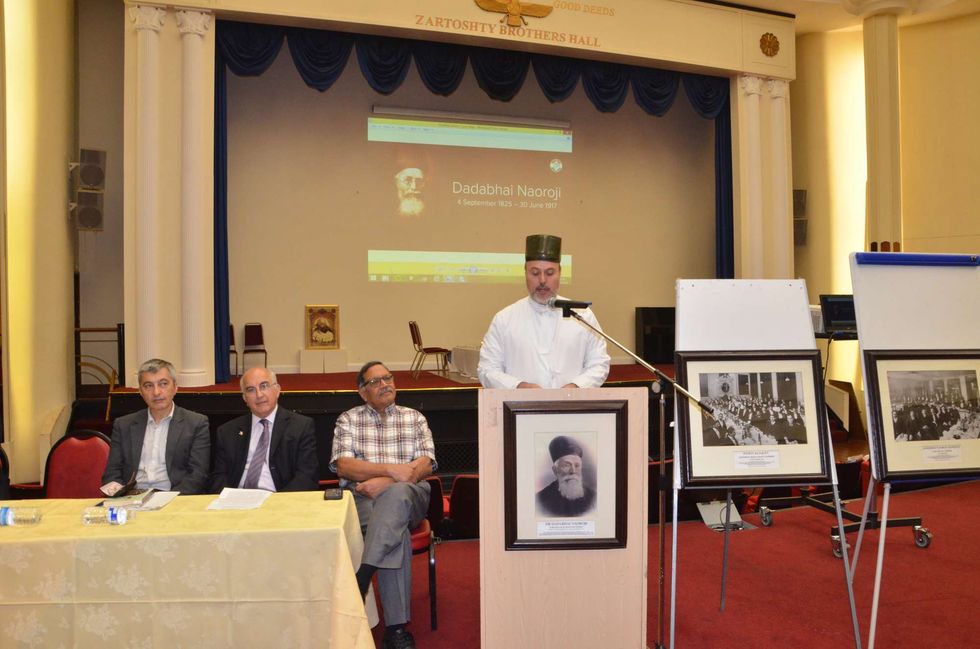 Malcolm Deboo speaking on the 100th anniversary of Naoroji’s death Raj D Bakrania
Putting up the portrait also signifies a seminal moment for the NPG, which allows it to engage with the British Asian community, judging from the comments made by Lord Karan Bilimoria.
While Naoroji was the first Parsi to enter the Commons, Bilimoria is the first Parsi to get a peerage (in 2006).
Bilimoria said: “The restoration and forthcoming display of Dadabhai Naoroji’s portrait at the National Portrait Gallery is a profoundly important moment. For decades, it hung in the India Club, a cherished meeting place for generations of Indians in Britain, which has sadly closed.”
“I remember being taken there as an 11-year-old by my father Lieutenant General Faridoon Bilimoria when he was posted in England as a Lieutenant Colonel,” continued Bilimoria. “And years later I was proud that the India Club was one of the first establishments to sell Cobra Beer, the brand I founded. It is fitting that Dadabhai Naoroji should now be represented in one of Britain’s foremost national institutions, the National Portrait Gallery. His story belongs at the heart of British history and reflects the longstanding contribution of British Asians to this country.”
Bilimoria added: “I was proud to have recently hosted an event in Parliament marking the 200th anniversary of Dadabhai Naoroji’s birth and celebrating his remarkable legacy. Known as the ‘Grand Old Man of India’, he was a businessman, academic, economist, nationalist and politician. In 1892, he overcame immense prejudice to become the first Indian and first Asian elected to the British Parliament. As a fellow Parsi, businessman, academic and parliamentarian, I have always felt a special affinity with him. The display of his restored portrait is a fitting tribute to his courage, achievements and enduring influence.
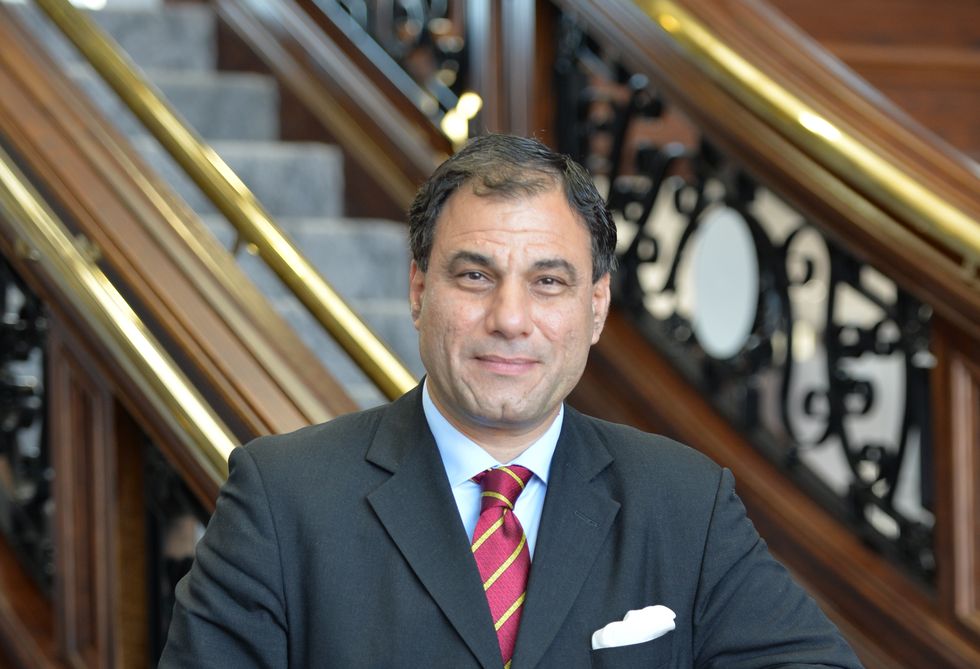 Lord Karan BilimoriaAmit Roy
“Exactly 20 years ago, in 2006, I was proud to follow in his footsteps as the first Zoroastrian Parsi to be appointed to the House of Lords. I read Dadabhai Naoroji’s maiden speech before I made my own. In my maiden speech, I paid tribute to him. He has been an enduring inspiration to Indians over the years, and Mahatma Gandhi looked up to Dadabhai Naoroji as a mentor. In a letter to Dadabhai Naoroji from South Africa in 1894 a young Mahatma Gandhi wrote, ‘The Indians look up to you as children to the father. Such is really the feeling here.’ ”
Eastern Eye has gone through the report on the work involved in lovingly restoring the Naoroji portrait.
It said: “This paper presents the results of the collaborative research project conducted by MA History of Art student Benjamin Singer, and MA Conservation of Easel Paintings student Ursula Griffiths, as part of the Painting Pairs Project (2024-25) organised by The Courtauld Institute of Art, London. Alongside the project, the painting was brought to the conservation studios at The Courtauld for conservation treatment, undertaken by Ursula Griffiths.
“The painting, a posthumous oil painted portrait of Dadabhai Naoroji, was executed by Sorab Pithawalla in 1946, and hung in The India Club, London, from its acquisition in 1946 until the establishment closed in 2023.”
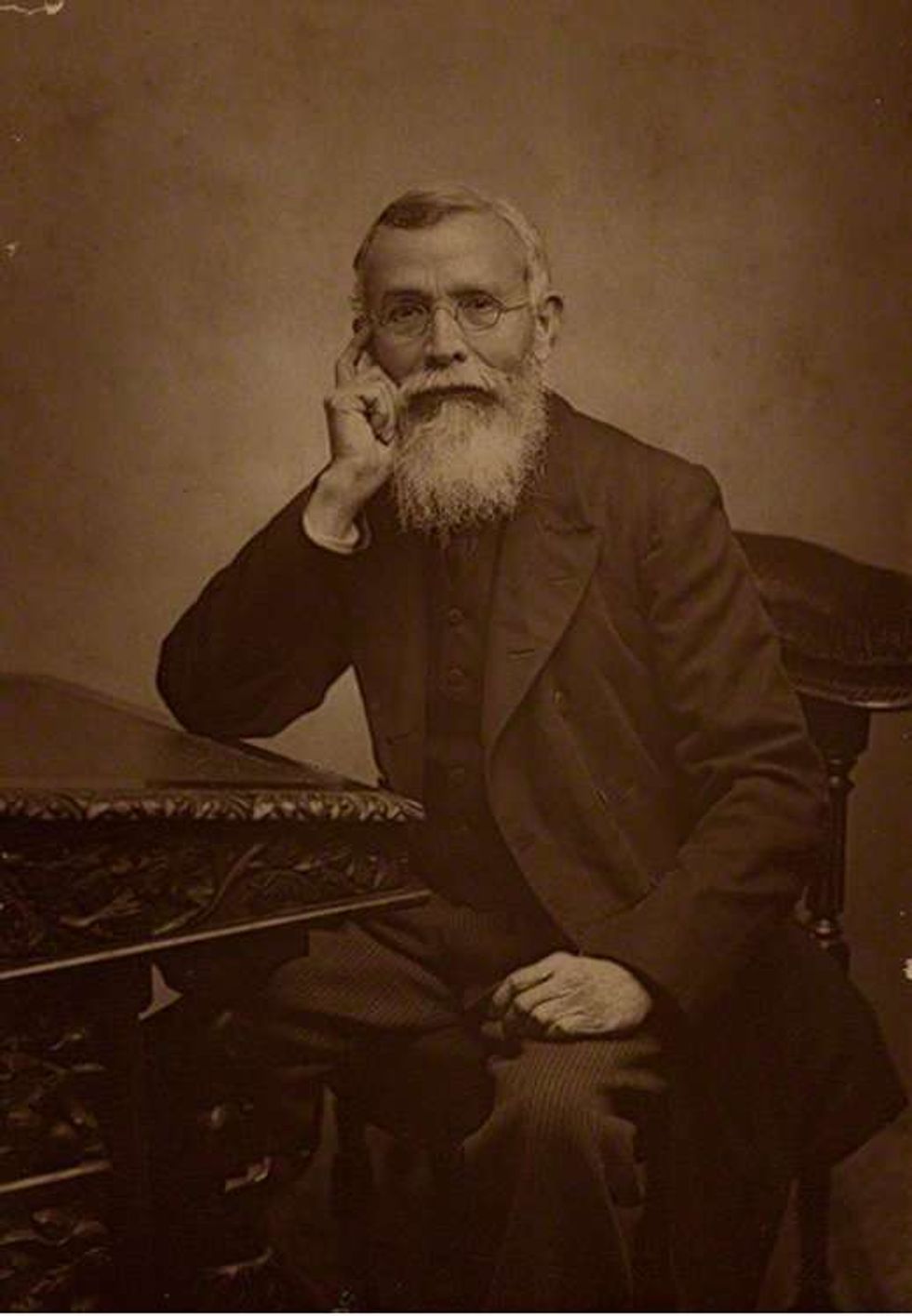 Portrait of Dadabhai Naoroji Raj D Bakrania
It went on: “The sitter, Dadabhai Naoroji (1825-1917), is a highly significant figure in the Indian Nationalist movement and was notable in his career as an Indian activist, scholar, economist and the first Asian MP in Britain. Naoroji is depicted in half-length wearing a black shirt and coat, set against a dark brown background. The artist, Sorab Pithawalla (1911-1959), is a second-generation artist of the western academic school of painting in India, which itself emerged during British governance of India, disseminated through western art schools.”
Stating that Naoroji inspired others, it said that “he acted as a model in this regard for the South Asian MPs who followed in his footsteps. Sir Mancherjee Bhownaggree, a fellow Parsi of Indian heritage, was elected to serve as the MP for Bethnal Green in the election immediately following Naoroji’s, in 1895. Photographic and artistic depictions of Bhownaggree alike depict him as having treaded a similar line with his fashion as Naoroji: he adopts the traditional dark suit and grey trousers typical of the late 19th century British MP and, perhaps, goes even further than Naoroji in this regard with his willingness to adorn a bright, white undershirt. Though from a slightly later temporal period, Shapurji Saklatvala was the next MP of Indian descent to be elected, in 1922; photographs of him show similar decisions in his self-fashioning as Naoroji and Bhownaggree. These men would likely have looked to Naoroji’s example or, at the very least, have been aware of it and, therefore, their decisions with regard to self-fashioning can thus help cement an understanding of Naoroji’s. It seems all three men felt the need to find a way to mix loyalty with their heritage and aesthetic fitting-in with their new colleagues.”
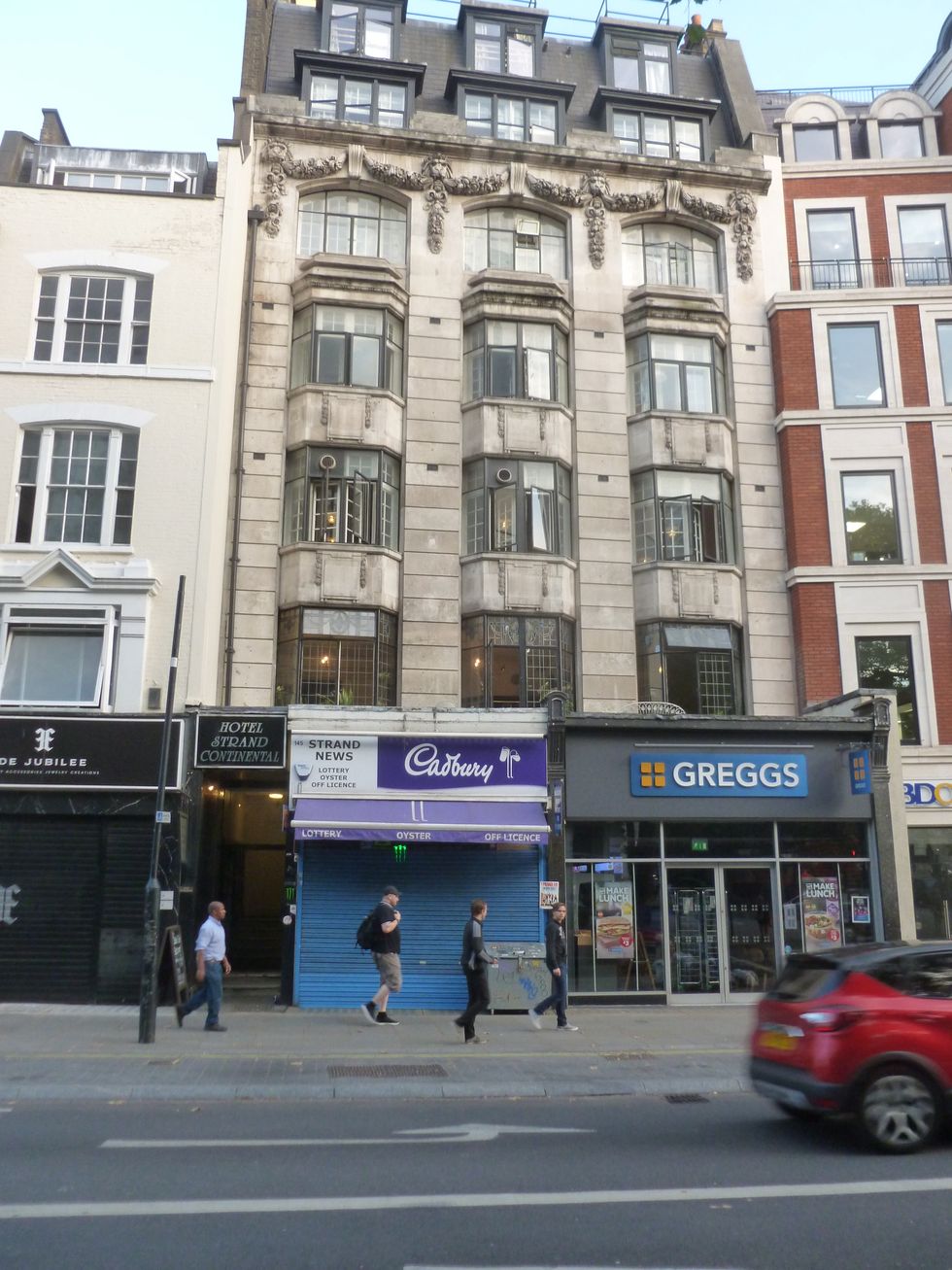 The India Club buildingAmit Roy
The report pointed out that Pithawalla’s depiction of Naoroji was not painted during the figure’s life but, rather, nearly three decades after he had passed away. The precise date of the painting’s execution is known since it is signed and dated on both its verso and recto, both reading: Sorab M. Pithawalla, Bombay, 1946. Given the temporal gap between Naoroji’s death in 1917 and Pithawalla’s decision to execute this portrait, it is of import to determine why Pithawalla felt compelled to choose Naoroji as a subject in this moment.
“As it turns out, 1946 was an immensely consequential year in Bombay. At the outset of the year, on February 18th, the sailors of the R.I.N. (Royal Indian Navy) raised their voices against the authorities with ‘practically no warning.’ ”
The report added: “The painting is executed on a densely woven canvas, presumed to be linen, stretched over a wooden four-member, keyable stretcher. The priming layers, a chalk and animal glue ground layer followed by a lead white oil priming layer, extend to all the cut edges of the canvas except for on the right, suggesting both that it has been commercially primed and that the piece for this painting was cut from the beginning or end of a roll. It is likely, however, that the canvas was stretched over the stretcher by the artist himself, as a result of the uneven distribution of excess material and the disparity between the folding of each corner. An animal-glue size layer has been applied over the lead white oil priming, which was likely applied by the artist as an additional priming layer.
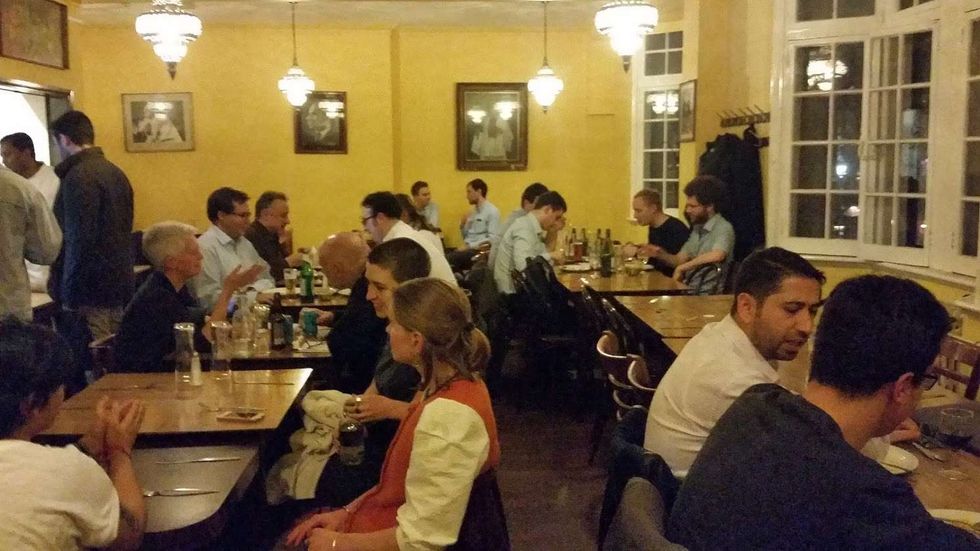 India Club restaurantAmit Roy
“Notable in scientific analysis of paint cross sections taken across the painting, was that zinc was a component of all paint layers, and the upper ground layer. The presence of this element, and the absence of zinc-based pigments, suggests that zinc-stearate is an additive within the paint. Such a finding is indicative of commercially available tube paints such as those produced by Windsor and Newton, produced in the twentieth century, where zinc stearate was found to be a component of paint formulations as a dispersing agent.
“The range of different oil painting techniques used by Sorab Pithawalla in this portrait speak to exceptional skill in the handling and use of oil painting as a medium, likely inherited from his father and reflecting the initial teachings of John Griffiths at The Sir Jamshedjee Jeejeebhoy School of Art.”
The report said: “Upon its completion, Sorab Pithawalla’s Portrait of Dadabhai Naoroji, hung in the India Club in London. On the walls of the club, Naoroji was joined by portraits of other significant Indian activities and figures, such as Mahatma Gandhi and Krishna Menon. Below these portraits existed tables, a restaurant, and a space in which conversation flourished. Set in the heart of the London, the club acted as home away from home for Indian Nationals and their allies in London and provided a space to have important discourses about India, England, and the world; a space in which the Indian perspective could be formulated and broadcast to the surrounding city and country. How the legacies and portraits of Naoroji, and his fellow icons, shaped these discourses is an important point for further inquiry. In this way, the club sat squarely in the physical and theoretical centre of Indo-British relations, forming the perfect place to hang this portrait which – in every way – sat at that exact same intersection.”
The report emphasised: “The long career of Dadabhai Naoroji spanned a variety of locations, fields, and time periods. An activist, academic, and eventually a formal politician, Naoroji built a career from within the British system with the goal of tearing it down.”
In 2017, many tributes were paid to Naoroji at functions to mark the centenary of his death in 1917.
One was held by the Zoroastrian Trust Funds of Europe (ZTFE) at the Zoroastrian Centre, Harrow – Naoroji became the founder trustee of the organisation in 1861 and served as its president until 1907.
The organisation’s president, Malcolm Deboo, gave a talk – “ZTFE Trustee & President Dadabhai Naoroji: Interfaith, Gandhiji & Emancipation of the Zoroastrian in Iran” – touching on Naoroji’s many achievements.
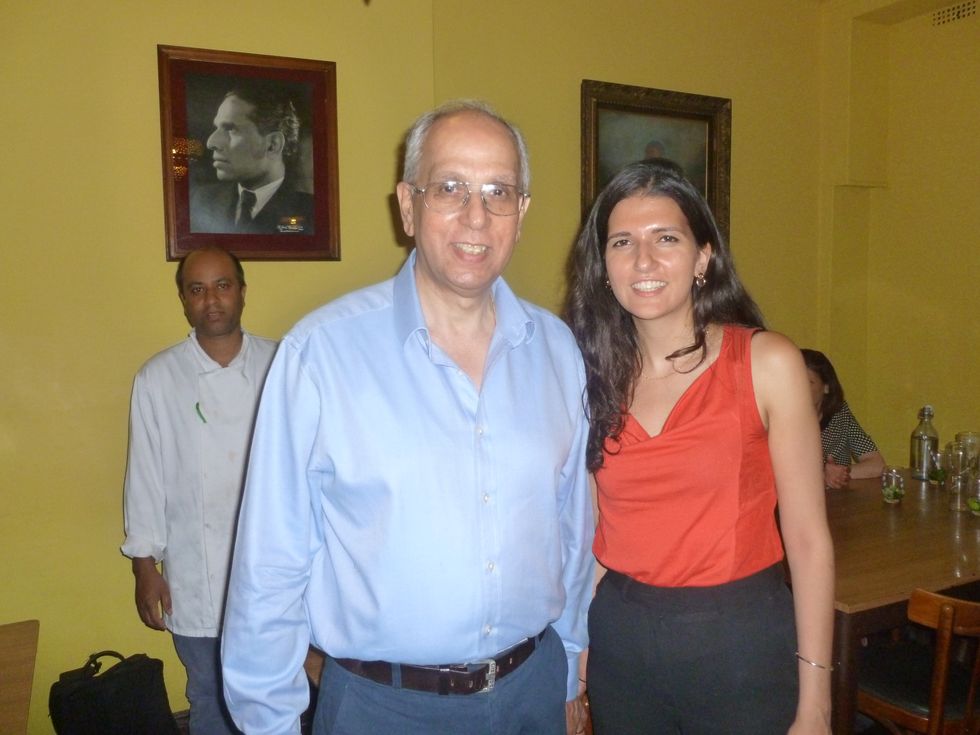 Yadgar Marker and his daughter Phiroza in front of a portrait of Krishna Menon at the India ClubAmit Roy
“During his 91 years Dadabhai achieved many firsts,” said Deboo. “In 1855 he was the first Indian to hold an academic position in colonial India, when he was appointed Professor of Mathematics and Natural Philosophy at Elphinstone College, Bombay.
“Later in 1855 Dadabhai, together with Seth Muncherji Hormusji Cama and Khurshedji Rustomji Cama, travelled to London opening Cama & Co in the City of London, which was the first Indian trading firm to be established in Britain.
“In 1859, he became the first Indian to be appointed Professor of Gujarati at University College London. In 1861, together with Seth Muncherji, Dadabhai established the Zoroastrian Trust Funds of Europe (ZTFE), which today is the oldest Indian/ Asian faith based voluntary organisation in the UK.”
“Dadabhai was a multi-faceted man – he was a Philomath who had varied interests,” Deboo said. “Besides being a politician, Dadabhai was a Zoroastrian priest, he was interested in inter-faith dialogue, he was an educator who promoted education for girls when it was unfashionable, he was a trader and an investor.”
Commenting on the portrait being displayed at the NPG, Deboo said: “This is wonderful news.”
He added that the trust and the Zoroastrian community “are delighted and will be visiting the National Portrait Gallery to view the restored portrait of Dadabhai Naoroji. The trust is grateful to Yadgar Markar of the India Club for loaning the portrait of Dadabhai Naoroji and to the National Portrait Gallery for restoring and exhibiting the portrait.”


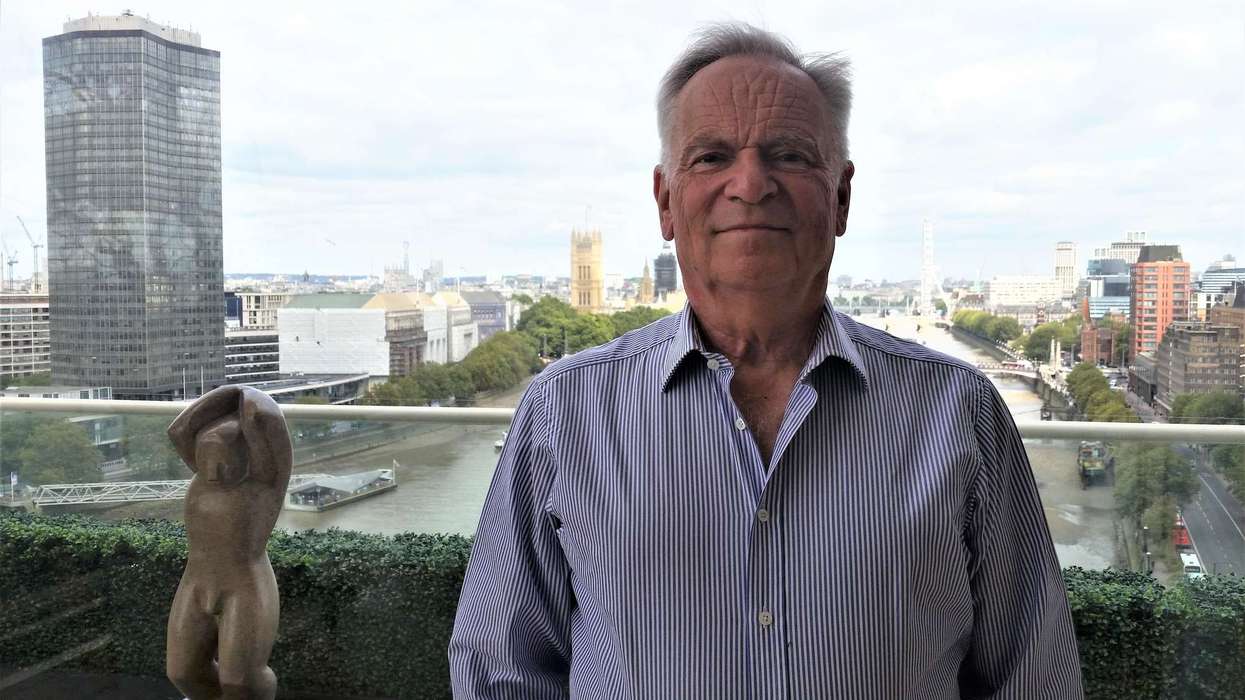
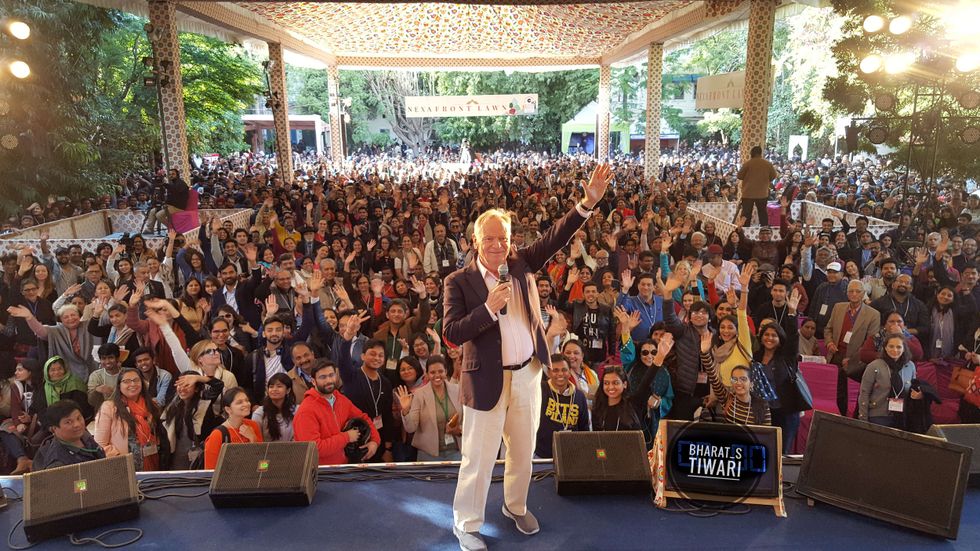 Jeffrey Archer at Jaipur Literary Festival in 2019Eastern Eye
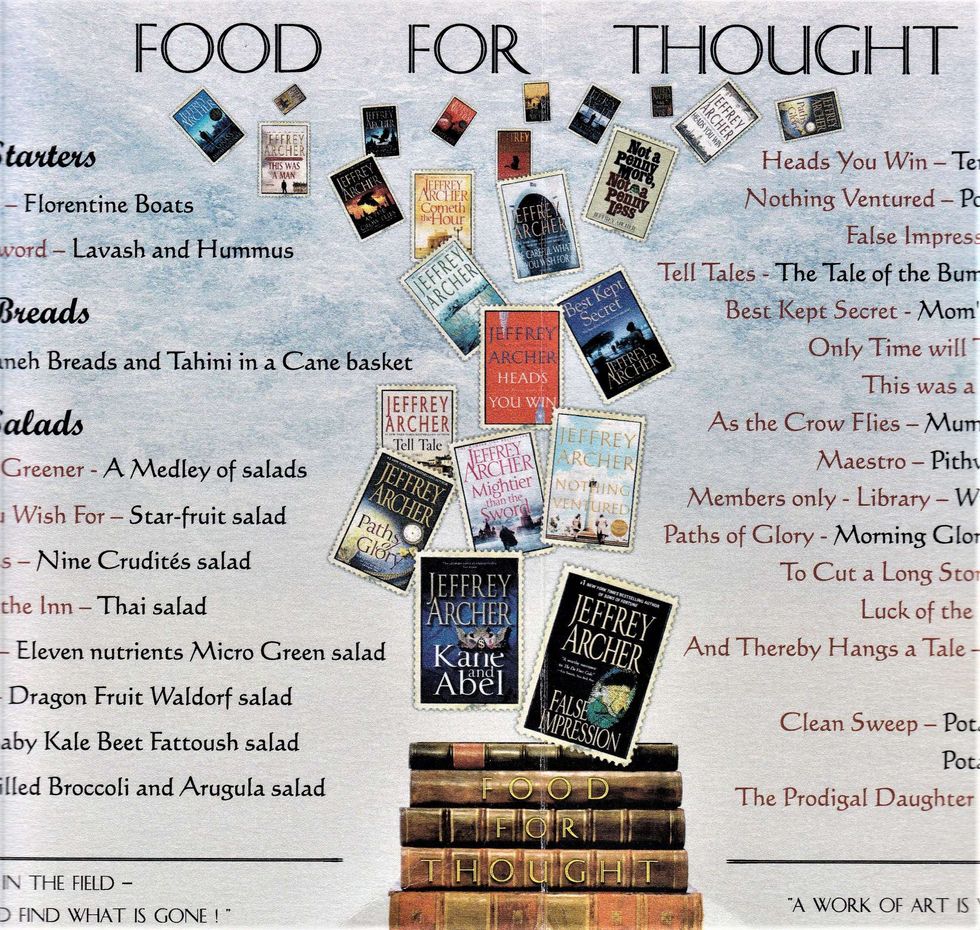 Jeffrey Archer part of the menuAmit Roy
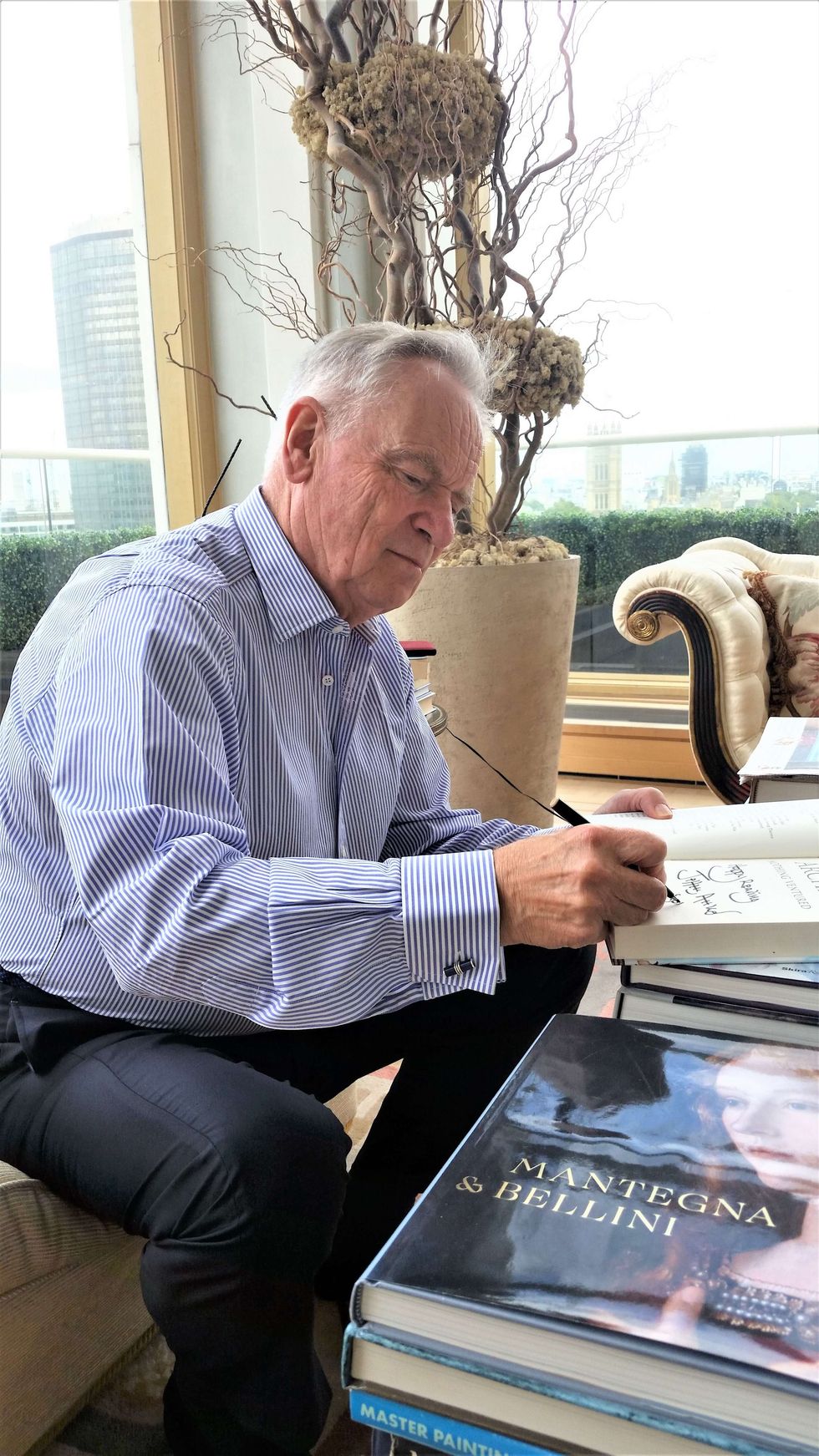 Jeffrey Archer signing a book Amit Roy
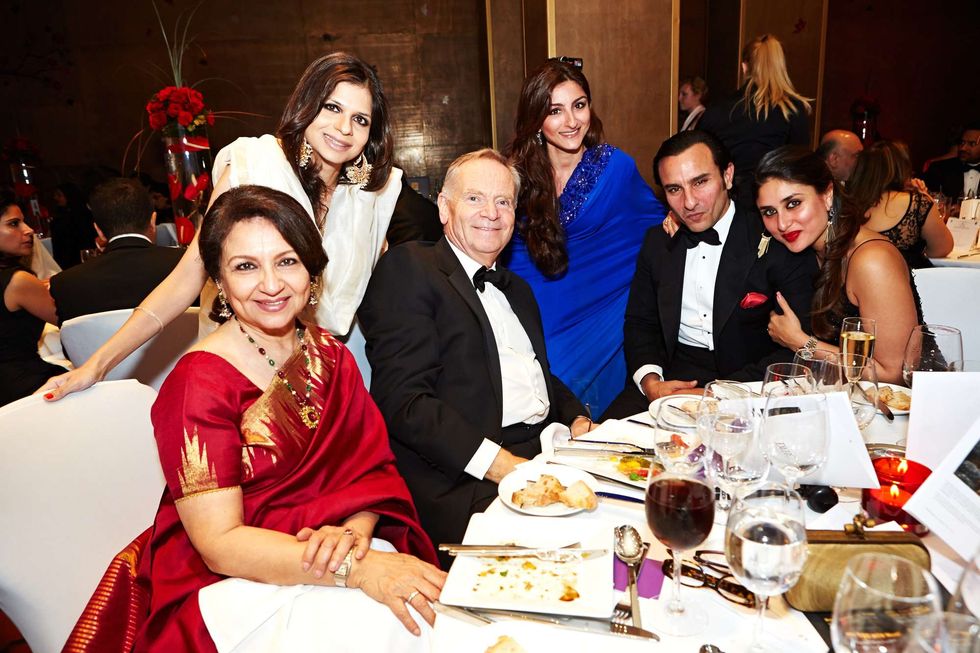 Jeffrey Archer with Sharmila Tagore and her family at an auction dinner in London in 2013Eastern Eye
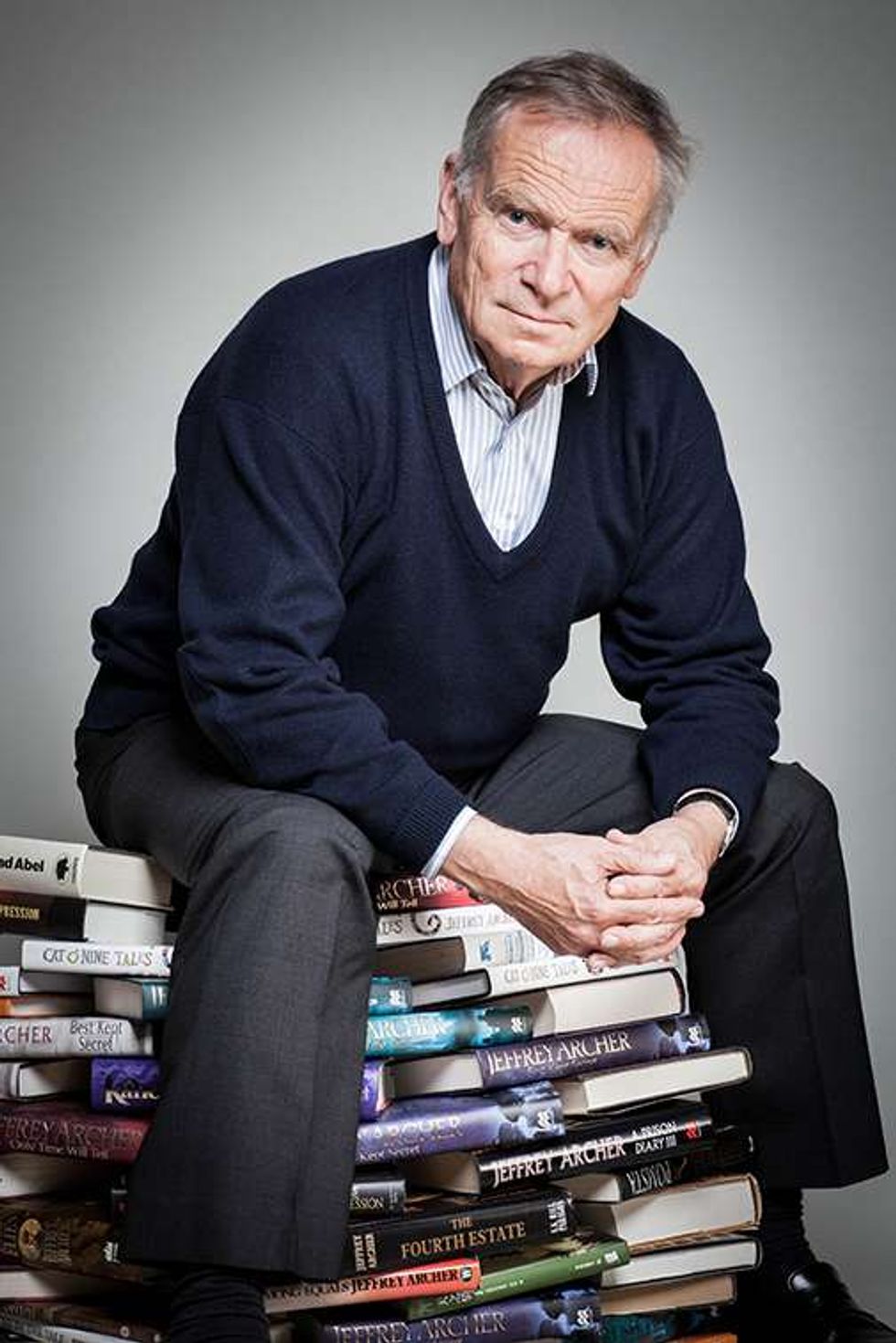 Jeffrey Archer Eastern Eye
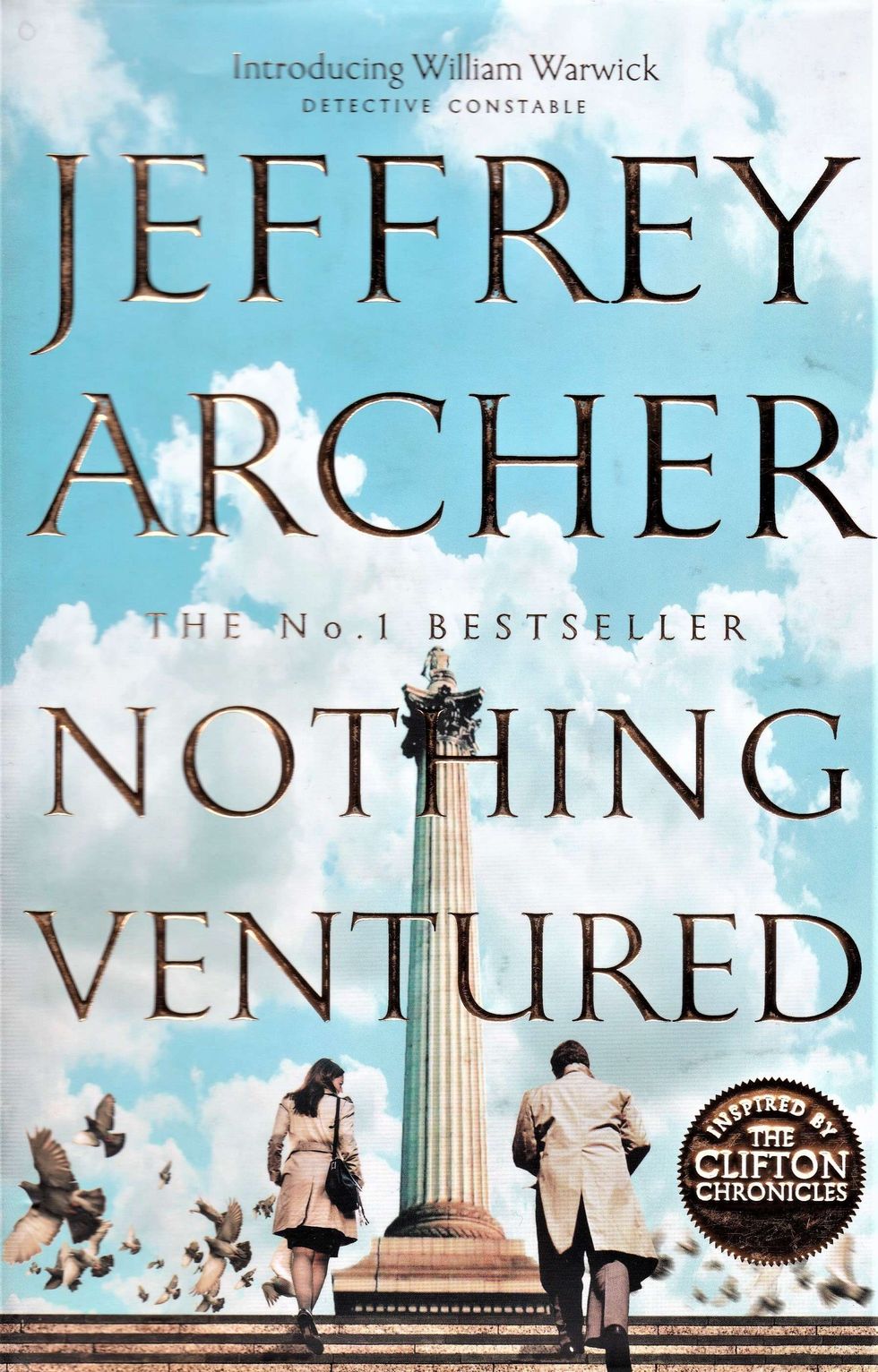 Cover of one of his booksEastern Eye

