
- Wetherspoon has introduced the ban across all 792 of its pubs.
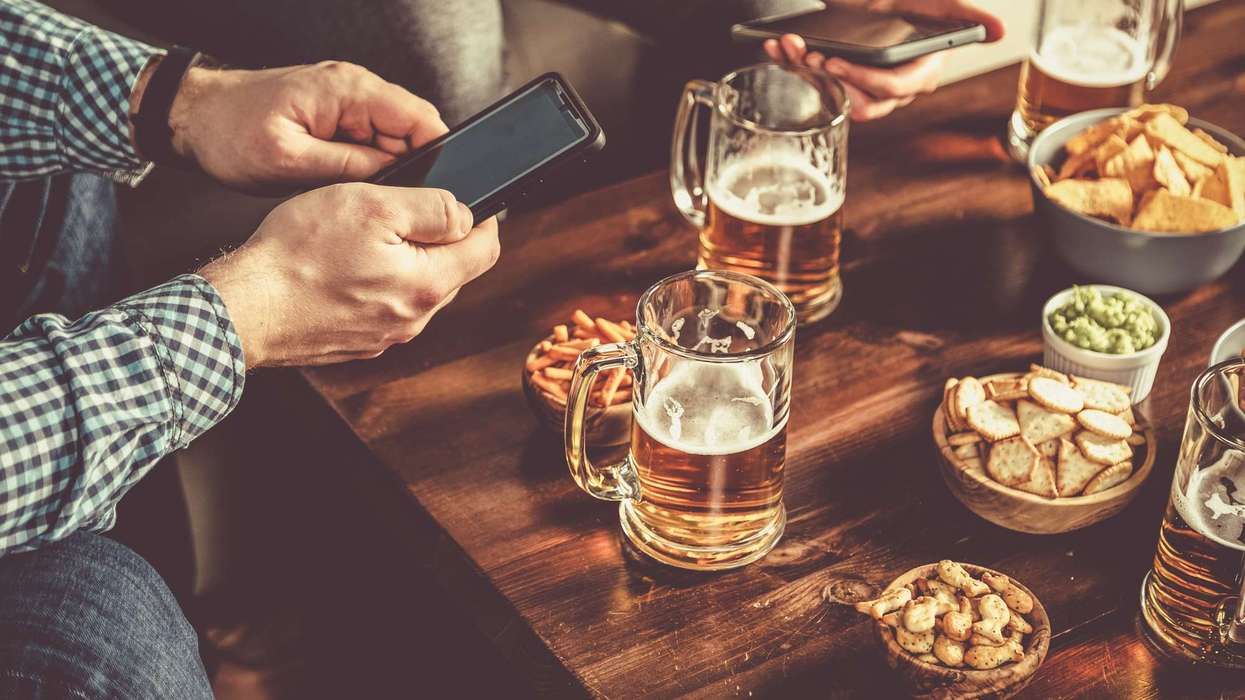
- Customers are being asked to keep phones on silent or use earphones.
- The move comes amid a wider backlash against people playing audio aloud in public.
Ever been sitting in a pub trying to have a conversation, only to hear someone else’s phone call booming across the room?
Wetherspoon appears to have had enough. The pub chain has introduced a ban on customers playing music, videos or taking calls on speaker across its 792 pubs, saying sounds from smartphones and tablets have become an “increasing problem in recent years."
Customers are being asked to put their phones on silent or use earphones instead. The move follows complaints from people who said other customers’ videos and amplified conversations were becoming too disruptive.
The policy applies to audio played through phones and tablets, rather than ordinary phone use. So, checking a message or taking a private call is not the issue. The problem is when everyone nearby can hear it too.
When your phone becomes everyone’s problem
Wetherspoon chairman and founder Tim Martin reportedly said the chain's pubs were intended to be places of “tranquillity and contemplation” and asked phone users to “pipe down” to avoid a “cacophony of sound.”
His choice of words was characteristically colourful, but the irritation is not limited to pubs.
The debate over people playing music, videos and calls aloud in public has been growing in Britain. The Liberal Democrats have previously called for fines of up to £1,000 for people who play music or videos out loud on buses and trains.
A YouGov poll of 6,815 British adults published in 2025 found that 62 per cent supported the proposed fines, while 28 per cent opposed them.
The divide was particularly interesting among younger people. Those aged 18 to 24 backed the idea by 47 per cent to 43 per cent, while almost three-quarters of pensioners supported it.
The issue has also reached London's public transport network. Mayor Sadiq Khan launched a campaign encouraging passengers to use headphones when listening to music on Transport for London services.
Britain’s quiet battle over phone etiquette
Wetherspoon's decision turns what might seem like a minor matter of phone etiquette into a question about how much noise people should have to put up with in shared spaces.
For some, a speakerphone conversation or loud video is simply an annoyance. For others, it can change the atmosphere of an entire space, particularly in places such as pubs where people may be meeting friends, eating or having a conversation.
The chain, which opened its first pub in Muswell Hill, north London, in 1979, has now made its position clear: if customers want to listen to something on their phones, they should keep the sound to themselves.
Whether other pubs follow remains to be seen. But with public transport campaigns and proposed fines already putting phone noise under scrutiny, the argument over what counts as acceptable public phone behaviour is unlikely to disappear anytime soon.