
- The Civil Aviation Authority says lithium batteries now pose the biggest fire risk to aircraft.
- Cases of lithium-powered devices found in checked baggage rose by 91 per cent in a year.
- Passengers are being urged to carry power banks, vapes and spare batteries in cabin baggage instead of the aircraft hold.
The UK Civil Aviation Authority (CAA) is urging passengers to rethink how they pack for summer holidays, warning that lithium battery fire risks have become the biggest safety concern facing aircraft.
As millions prepare to travel during the busy holiday season, the regulator has launched a public awareness campaign reminding passengers that devices such as power banks, vapes, mobile phones and spare lithium batteries should be carried in cabin baggage rather than checked into the aircraft hold.
The warning follows a sharp rise in battery-related incidents. According to the CAA, cases of lithium-powered devices incorrectly packed in checked baggage increased by 91 per cent, rising from 316 incidents in 2024 to 643 in 2025.
A growing safety concern in the skies
The CAA said reports of passenger devices overheating or malfunctioning also rose sharply, increasing from 123 incidents in 2024 to 206 in 2025. On average, airlines are now dealing with around two lithium battery-related incidents every week.
Most of those incidents occurred inside the aircraft cabin, where cabin crew were able to respond quickly. The regulator warned that the risk becomes much greater if a battery catches fire inside the cargo hold, where it may not be detected until it is too late to control.
The CAA estimates that the average passenger now travels with four lithium-powered devices. On a full Airbus A380, that could mean more than 2,000 lithium batteries on board.
The regulator warned that incorrectly packed batteries could result in checked baggage being removed before departure, causing delays, or in more serious cases, lead to fires that may be impossible to contain.
Simple packing choices can prevent serious incidents
Under current airline guidance, passengers are generally advised not to travel with more than two power banks and should never charge a power bank during a flight. Laptops placed in checked baggage should also be switched off completely rather than left in sleep mode.
The warning follows several recent incidents linked to lithium batteries. Last month, an EasyJet flight diverted to Rome after it emerged that a power bank had been packed in checked luggage. In another widely reported incident last year, flames were seen coming from an overhead locker on an Air China flight, with reports suggesting a lithium battery was the likely cause.
Giancarlo Buono, the CAA's director of aviation safety, reportedly said flying remains the safest form of transport but urged passengers to keep batteries out of checked baggage, describing it as a simple step that can make flights safer for everyone on board.
Airlines UK also backed the campaign. Chief executive Tim Alderslade reportedly said the growing number of electronic devices carried by passengers is creating new safety challenges, adding that prevention begins before travellers arrive at the airport.
Electrical Safety First also warned that poor-quality or counterfeit lithium battery products can pose a greater fire risk. Product safety engineer Giuseppe Capanna reportedly said substandard batteries sold through third-party retailers are often behind the most serious incidents and encouraged consumers to buy only properly tested products.
The campaign comes ahead of the school summer holidays in Scotland and Northern Ireland, when passenger numbers are expected to rise sharply.
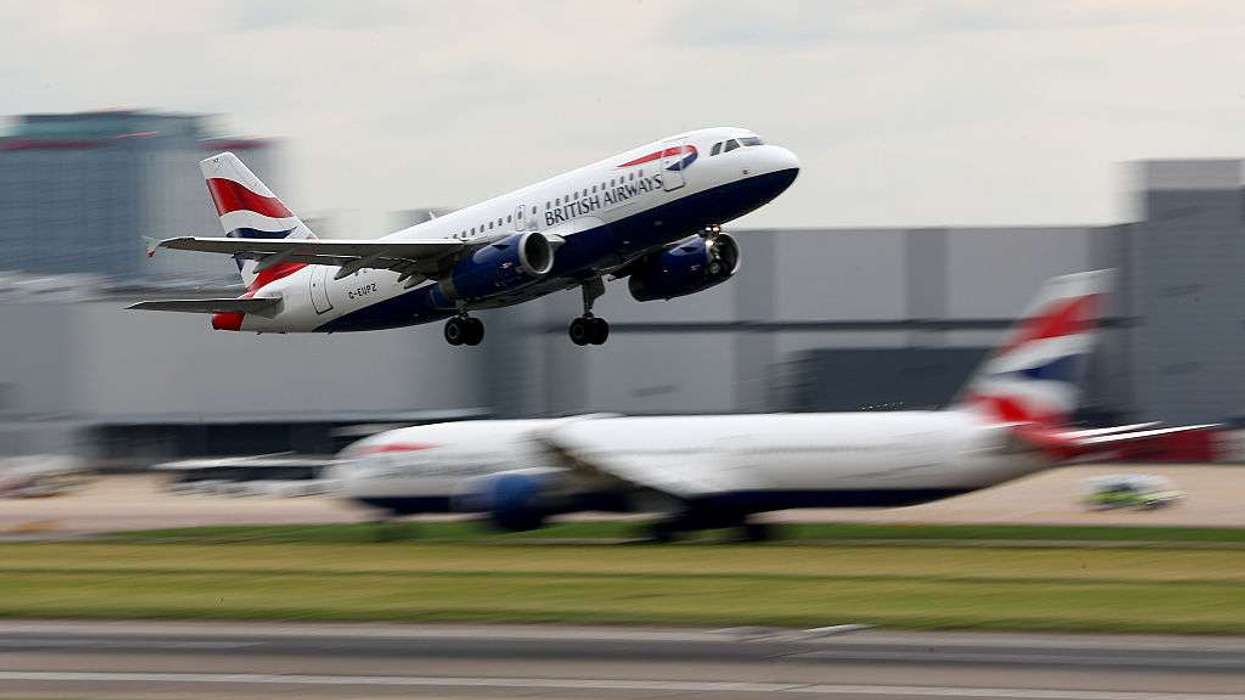
Photo caption: The Civil Aviation Authority is urging passengers to keep power banks and other lithium battery devices in cabin baggage this summer.