
- Sixteen of the UK's 20 busiest airports have increased drop-off charges in the past year.
- The average 'kiss and fly' fee has jumped by a third to £7, according to the RAC.
- Many airports across Europe still allow passengers to be dropped off free of charge.
Dropping someone off at the airport is becoming an increasingly expensive part of travelling in the UK. New analysis by motoring organisation RAC shows that 16 of the UK's 20 busiest airports have increased their airport drop-off fees over the past year, pushing the average cost up by almost a third.
Drivers now pay an average of £7 to use airport 'kiss and fly' zones for as little as 10 to 15 minutes, up from £5.30 last summer. The findings come as several airports introduce fresh price rises, leaving the UK among the most expensive places in Europe for passengers simply being dropped off outside a terminal.
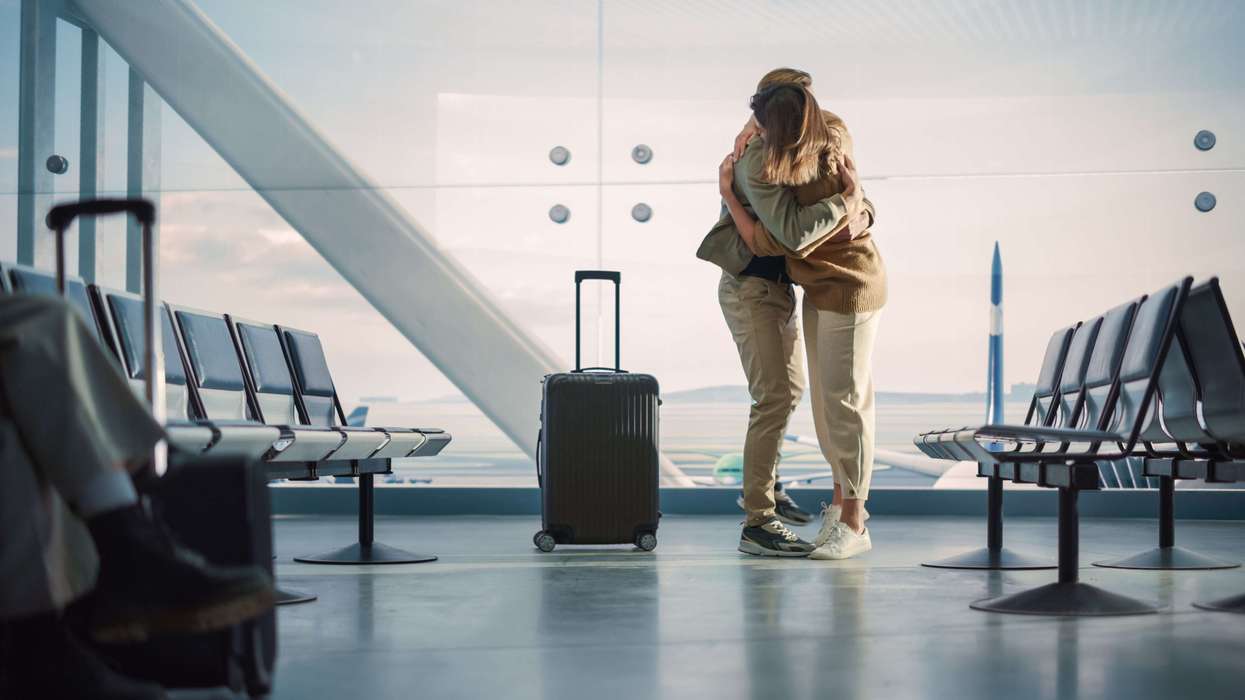
The farewell is getting more expensive
London's airports dominate the list of the UK's highest drop-off charges. Gatwick now tops the rankings, charging £10 for 10 minutes at both its North and South terminals. Stansted recently increased its express drop-off fee from £7 to £10 for up to 15 minutes, while drivers staying for up to 30 minutes now pay £28.
London City charges £8 for a short stop, Luton charges £7 for 10 minutes and Heathrow asks drivers to pay £7, although motorists must leave immediately after dropping passengers off without waiting.
Outside the capital, Bristol charges £8.50 for 10 minutes, Edinburgh also charges £8.50, Leeds charges £8, while Manchester costs £5.50 but only allows a five-minute stay. Earlier this year, Glasgow and Aberdeen also increased their charges to £7 for 15 minutes after operator AGS Airports cited rising operating costs.
The RAC said the average increase of £1.70 in just 12 months was disappointing. Rod Dennis, the organisation's senior policy officer, reportedly said airports should not use their "captive audience" as justification for raising what he described as "farewell fees", as quoted in a news report.
Airports argue the charges are intended to reduce congestion and discourage unnecessary car journeys. Following its latest increase, Stansted reportedly said the fees help reduce traffic around the terminal and encourage passengers to choose more sustainable ways of travelling to the airport, as quoted in a news report.
Europe shows a different approach
The UK's rising charges stand in sharp contrast to many European airports, where short-term passenger drop-offs remain free.
Venice Marco Polo allows motorists to stop outside the terminal for up to 20 minutes without charge. Milan Malpensa offers a free waiting area for up to 60 minutes, while Paris Charles de Gaulle, Paris Orly and Ljubljana all provide free short-stay drop-off zones.
Consumer groups argue the comparison raises questions over whether higher charges are really changing travel behaviour or simply generating additional revenue.
Clive Wratten, chief executive of the Business Travel Association, reportedly said airports were "pulling the easiest revenue lever" by increasing parking charges, arguing that higher fees do little to make public transport a realistic alternative for passengers travelling early in the morning or late at night, as quoted in a news report.
Many UK airports do offer free alternatives through long-stay or park-and-ride facilities with shuttle buses, including Heathrow, Bristol and Glasgow. However, these options usually require passengers to allow extra time and walk further, making them less convenient than traditional terminal drop-offs.
For many travellers, the cost of getting to the airport no longer begins with the flight. Increasingly, it starts with saying goodbye.