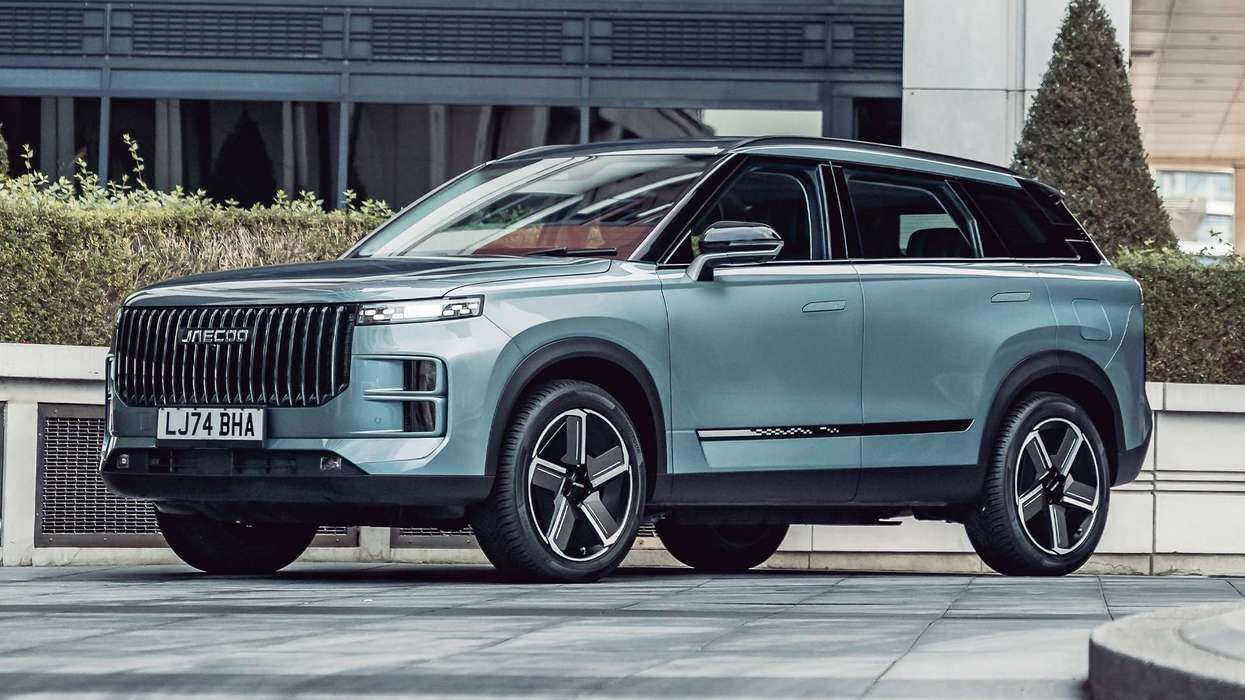

- The Jaecoo 7 became the UK's best-selling new car in March, overtaking long-established rivals.
- Buyers appear to be prioritising value, technology and ownership costs over brand heritage.
- Its success also signals the growing influence of Chinese carmakers in the UK.
The Jaecoo 7 was virtually unknown in the UK a year ago. Yet in March, the Chinese-built SUV became Britain's best-selling new car, overtaking established names such as the Ford Puma, Nissan Qashqai and Kia Sportage.
Nicknamed the 'Temu Range Rover' because of its styling and lower price, the Jaecoo 7 has quickly become more than just another new model. Its success is offering a glimpse into how the UK car market is changing, from what buyers value to how traditional manufacturers are responding.
1. The badge is no longer the biggest selling point
For years, established brands held a clear advantage. Buyers often paid more for familiar names such as Land Rover, BMW and Audi.
The Jaecoo 7 suggests that may be changing. Priced from around £30,000, it offers styling that many compare with the Range Rover Evoque, which starts at roughly £45,000. For many buyers, the difference in price appears to matter more than the badge on the bonnet.
2. Value now goes beyond the price tag
British motorists are increasingly looking at what comes with the car rather than simply how much it costs.
The Jaecoo 7 includes features such as a panoramic sunroof, heated front seats, a large touchscreen, wireless smartphone connectivity and advanced driver-assistance systems as standard on many models. These are features that often cost extra on more established rivals.
3. Ownership costs are becoming a deciding factor
The purchase price is only one part of the equation.
Jaecoo backs the SUV with a seven-year warranty, significantly longer than the three-year cover offered by some premium competitors. As household budgets remain under pressure, longer warranty periods and lower running costs are becoming more influential in buying decisions.
4. Chinese brands are moving beyond the budget market
Chinese manufacturers are no longer targeting only entry-level buyers.
The Jaecoo 7 sits in the mid-£30,000 segment, directly competing with mainstream and premium SUVs rather than budget models. Its rapid rise reflects a broader shift, with Chinese-owned brands accounting for around 11.1 per cent of UK new-car registrations in the first quarter of 2026, up from 6.4 per cent a year earlier, according to industry data.
5. Traditional carmakers face a new kind of competition
The Jaecoo 7's success is beginning to reshape the wider industry.
Nissan is reportedly exploring a non-binding agreement that could see Chery build vehicles at its Sunderland factory from 2027, while policymakers across Europe continue debating measures to protect domestic manufacturers from a growing wave of lower-priced Chinese imports.
Whether the Jaecoo 7 can maintain its momentum remains to be seen. But its rapid rise suggests the conversation in Britain's car market is shifting. Buyers appear to be placing greater weight on value, technology and ownership costs than on long-established brand loyalties—a trend that could force traditional manufacturers to rethink how they compete.