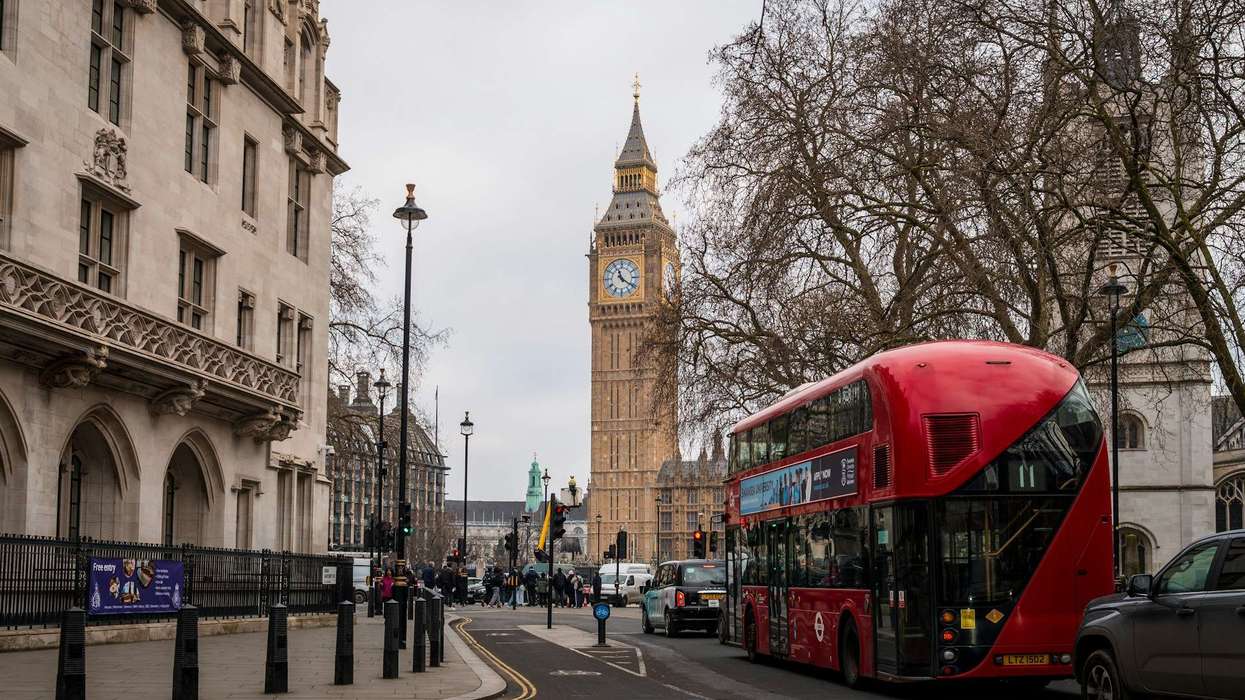

Is London safe? In short: yes. London remains one of the safest major capitals in the world, welcoming tens of millions of visitors a year with the overwhelming majority experiencing no trouble at all. The city's overall crime rate sits below several other large English conurbations, and serious violent crime against tourists is rare. That said, London is a huge, crowded, fast-moving city, and opportunist crime, pickpocketing, phone snatching and street scams, is a genuine and rising concern in tourist-heavy areas. The good news is that nearly all of it is avoidable with a bit of preparation. Here are ten practical, up-to-date safety tips for anyone visiting London in 2026.
1. Know the real risk picture before you travel
Rather than relying on headlines, check official data. The Metropolitan Police service area recorded a crime rate of around 82 crimes per 1,000 people for the 12 months ending April 2026, with London's overall crime rate working out lower than Greater Manchester, West Yorkshire and Cleveland. Violent and serious crime against tourists is comparatively rare; the bigger issue for visitors is theft. Understanding this distinction helps you take sensible precautions without being unnecessarily anxious.
2. Guard against pickpocketing in crowds
Theft-from-person offences are the crime type most likely to affect visitors. Pickpocketing accounts for roughly 15% of total thefts in London, with over 70% of cases occurring in crowded areas such as public transport and major attractions. The Met's own advice is simple: always keep your wallet and valuables close to you, since pickpockets may try to distract you or physically bump into you in crowded places, and if you realise you've been pickpocketed, shout out to warn others. Use a bag you can wear across your body, keep zips facing inward, and avoid back pockets entirely.
3. Watch your phone in high-footfall areas
Mobile phone theft has become one of London's fastest-growing crimes, and thieves often work from mopeds or bicycles, snatching handsets from hands at kerbsides. Oxford Street, Leicester Square and the South Bank near the London Eye are frequently cited hotspots. Keep your phone in a zipped inner pocket rather than a back pocket or loose hand, be extra alert near road junctions, and consider turning on "Find My Phone" and remote-lock features before you travel.
4. Be aware of large-scale protests and demonstrations
London sees frequent, large political demonstrations, and recent months have made this a genuine consideration for visitors, not because of violence, but because of crowd size, arrests, and disruption. Recurring pro-Palestinian demonstrations in central London have drawn crowds in the thousands, and some have resulted in mass arrests: over 500 people were arrested in a single Trafalgar Square demonstration in April 2026 after the UK government proscribed the campaign group Palestine Action as a terrorist organisation, a designation that makes it a criminal offence to express support for the group, even by holding a placard. Similar mass-arrest incidents have recurred at protests outside courts and detention sites throughout 2026.
For visitors, the practical risks are: getting caught in a kettled crowd, road and station closures around Whitehall, Westminster, Trafalgar Square and embassy areas, and, if photographing or carrying signage without understanding the current legal designation, inadvertent involvement in an arrestable offence. None of this means avoiding central London; it means checking the Metropolitan Police and Transport for London protest notices before heading into these areas on a demonstration day, keeping your distance from any march or gathering rather than walking through it, never positioning yourself between police lines and protesters, and moving away calmly rather than filming if a situation intensifies.
5. Plan your route and journey home in advance
Knowing where you're going, and how you'll get back, removes a major source of vulnerability. It's worth planning how you'll get home by checking the time of your last train, bus or Tube back to your accommodation before a night out, rather than working it out when tired, distracted or after a drink. Download an offline map or transport app and avoid pulling out your phone to navigate in the middle of dense crowds, step to one side first.
6. Take extra care on the Underground and at major stations
Transport hubs concentrate crowds, luggage and distracted travellers, making them natural pickpocketing hotspots. Stations such as King's Cross, Victoria, Waterloo and London Bridge regularly feature in crime data for theft. Keep bags zipped and in front of you on the Tube, stay alert during rush hour, and report anything suspicious to British Transport Police by texting 61016.
7. Stay alert on nights out
Nightlife districts, Soho, Shoreditch, Camden and parts of the West End, are safe for most visitors, but alcohol-related disorder and minor theft cluster around closing times when crowds spill onto the street. Stick with people you know, watch your drink, agree a meeting point if your group splits up, and use licensed taxis rather than unlicensed minicabs touting for business outside venues.
8. Protect your valuables and documents
Before heading out for the day, leave what you don't need in your hotel safe. The Met recommends leaving valuables in the safe deposit box in your hotel room, marking your bags with your name and contact details inside as well as outside, and keeping photocopies of your passport, travel documents, and card details separately from the originals. This means that even if something is lost or stolen, replacing it becomes far simpler and quicker.
9. Never share your PIN or bank details
Card fraud and ATM-related scams remain a risk in any major city, and London is no exception. The Met is explicit that you should never give your PIN to anyone, even if they claim to be an undercover police officer, a tactic that has genuinely been used against visitors. Shield the keypad when entering your PIN, use ATMs attached to banks rather than standalone street machines where possible, and check your bank statements regularly during your trip.
10. Know how and when to contact the police
Familiarise yourself with emergency contacts before you need them. Call 999 or 112 for a genuine emergency involving police, ambulance or fire services, and use 101 to report a non-urgent crime. Save these numbers, along with your embassy or consulate's contact details, somewhere you can access even if your phone is lost or stolen, a written note or a second device works well as a backup.
The bottom line: is London safe for visitors in 2026?
Overwhelmingly, yes. Millions of tourists visit London every year and leave with nothing worse than sore feet from all the walking. Structurally, the city is heavily policed, extensively monitored by CCTV, and highly experienced at managing huge crowds and major events. The realistic risks for visitors are overwhelmingly opportunistic, pickpocketing, phone snatching and street scams, rather than violent crime, and these risks cluster predictably around crowded tourist zones, transport hubs and nightlife areas late at night. Travel with the same common sense you'd use in any major world city: stay aware of your surroundings, secure your belongings, plan your journeys, and you're very likely to have a safe and memorable trip.
Primary sources:
- Metropolitan Police – Staying safe in London
- Metropolitan Police – How to stay safe while visiting London
This article is paid content. It has been reviewed and edited by the Eastern Eye editorial team to meet our content standards.