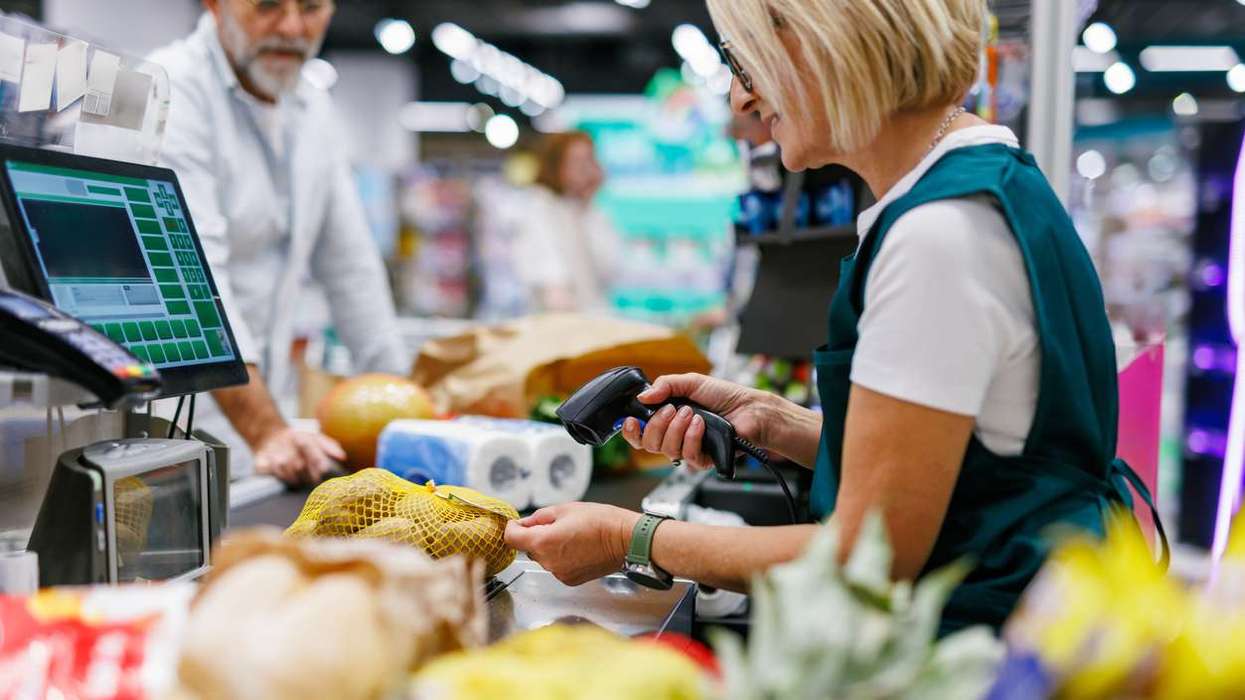

- Nine companies supply 94.5 per cent of British retail food through 131 distribution hubs.
- The UK has no domestic antibiotic manufacturing capacity after its last plant closed in 2025.
- Peers want a dedicated cabinet minister for resilience and a national strategy within six months.
Almost 95 per cent of food sold through UK supermarkets is supplied by just nine companies, leaving the country heavily dependent on a small number of businesses and distribution networks, a parliamentary report has warned.
The concentration means disruption affecting only a handful of major suppliers could have significant consequences for food availability across the country.
The finding is part of a wider warning from the House of Lords National Resilience Committee, which says the UK is seriously underprepared for increasingly interconnected threats, ranging from cyber-attacks and sabotage to extreme weather and disruption to essential infrastructure.
Its report, Are we ready? Building a culture of resilience, calls for a fundamental change in how the government prepares for national emergencies. It argues that existing arrangements are too fragmented and often focus on individual incidents rather than several crises unfolding simultaneously or triggering further disruption.
The committee said the government appeared complacent despite launching its three-year Be Ready campaign, which encourages households to prepare for emergencies by keeping essential supplies such as food and water.
Why is Britain's food supply system vulnerable?
The report found that 94.5 per cent of British retail food is supplied by nine companies operating through 131 distribution hubs. Some commodities have only two or three days of stock within the food system.
This reliance on a relatively small number of suppliers and facilities creates potential pressure points. A serious disruption affecting a major retailer, distribution centre or transport network could have consequences beyond the immediate area.
The committee also highlighted the limited storage built into the UK's food system. During its inquiry, food policy experts warned that asking households to keep a few days of supplies would not address the wider strategic risks facing the country's food network.
The issue is not simply whether people have enough food at home during an emergency. It is whether the wider system can continue producing, transporting and distributing essential goods if international supply chains or domestic infrastructure are disrupted.
The report called for the government to explain how food and water supplies would be maintained during prolonged disruption. Its recommendations include strategic reserves of critical food and agricultural inputs, stronger domestic production and more secure supply arrangements with European and other international partners.
The vulnerability extends beyond food. The committee found that the UK imports 80 per cent of the active ingredient used in penicillin antibiotics, while around 90 per cent of the global supply of 6-aminopenicillanic acid, a key precursor for penicillin-type medicines, is produced in China.
Nearly 70 per cent of antibiotic active pharmaceutical ingredient manufacturing sites are located in China and India. The UK no longer has any domestic antibiotic manufacturing capacity after its last plant closed in 2025, while Europe has only one major fully integrated penicillin manufacturing network.
Years of price pressure and procurement based largely on the lowest cost have contributed to the loss of manufacturing capacity, the report said.
The committee also heard that hospitals rely heavily on overseas supplies of medical equipment. One witness warned that disruption to items such as surgical scissors and staplers could affect commonly performed operations.
What changes are peers asking the government to make?
The report argues that the risks cannot be addressed through separate emergency plans. A cyber-attack, for example, could disrupt communications and essential services, while damage to infrastructure or a prolonged power outage could create further problems for transport, food distribution and healthcare.
It also highlighted the vulnerability of undersea cables, which carry much of the UK's international digital communications. The report said BT had access to only two cable-repair ships, one French-owned and generally unavailable, and another based in the UK that is 35 years old.
The committee wants the government to establish a single national resilience strategy within six months, bringing together national, regional and local preparedness plans. It has also called for a dedicated Cabinet minister responsible solely for resilience, supported by a chief resilience officer at permanent secretary level.
Other recommendations include an annual statement to Parliament by the prime minister on the country's preparedness, regular stress tests across critical sectors and stronger involvement of businesses and voluntary organisations in emergency planning.
The committee also wants the government to provide every household with a practical preparedness booklet, expand public education and develop better emergency communication arrangements. It has recommended abandoning plans to switch off Digital Terrestrial Television, arguing that older systems could remain important if digital networks are disrupted.
Baroness Jean Coussins, chair of the committee, said ministers should be more open about the threats facing the country.
She said evidence suggested that the public would respond to candid information with trust and reassurance rather than fear. People were willing to help during emergencies, she added, but needed clearer information about why their involvement was necessary and how they could contribute.
The Cabinet Office said it would carefully review the committee's recommendations. It pointed to the Be Ready campaign, a major home defence exercise planned for next year and more than £1 billion of investment in pandemic security as part of the government's existing resilience work.
It acknowledged, however, that more needed to be done to strengthen the UK's preparedness, including through cooperation with international allies.
The report's central message is that emergency readiness cannot depend solely on household stockpiles or plans drawn up for individual threats. The resilience of the country also depends on whether essential businesses, supply chains and public services can continue operating when several parts of the system come under pressure at once.