
THE BRITISH government should make a comprehensive knowledge partnership with India one of the main goals of the proposed free trade agreement (FTA) between the two countries, according to a new UK study released this week.
‘Natural partners: Building a comprehensive UK-India knowledge partnership', led by former UK universities minister Jo Johnson for the Harvard Kennedy School and the Policy Institute at King's College London, proposes a number of reforms to bolster the competitiveness and long-term sustainability of the UK's position in international education.
It advocates reducing the dependence on China and driving out fraud and abuse that threatens the integrity of the visa system.
“The UK needs to deploy its knowledge assets, notably its universities and its research base in a more strategic way with India, by making a comprehensive knowledge partnership' the centrepiece of a post-Brexit UK-India free trade agreement,” said Lord Johnson, a senior fellow at the Harvard Kennedy School and president's professorial fellow at King's College, London.
The study, released on Thursday (9), says the UK should aim to double the number of Indian students studying at UK universities to 100,000 by 2024-25.
In 2019-20, there were 139,000 Chinese students hosted by UK institutions, the most from any foreign country and two and a half times the 53,000 from India who studied in Britain.
The new report urges the government to tackle fraud in international recruitment by deploying cutting-edge document verification tools and by taking steps to stop rogue agents lending and recycling funds on a short-term basis to assist multiple students in bypassing financial tests for visa approval.
“UK Visas and Immigration should adopt a similar approach to Canada's Student Direct Scheme, which provides a fast visa processing time to students who can prove they have purchased from a recognised bank a guaranteed investment certificate of Canadian dollar 10,000,” said Jo Johnson, the younger brother of British prime minister Boris Johnson.
The analysis also highlights a number of potential flashpoints with China, and that a deterioration in diplomatic relations “with knock-on effects for international education, open science and internationally collaborative research” is a real possibility.
A structural breakdown in the UK's relations with India, the world's largest democracy, is, by contrast, “almost inconceivable”, the report said.
According to the findings, while India is currently overshadowed by China as a force in the global knowledge economy, it is the one country whose demographics and economic potential could enable it to become a knowledge partner for the UK of equivalent importance.
India is home to the world's largest youthful population under the age of 25, representing over 600 million people. This “demographic dividend” has the potential to be the country's main source of economic growth over the coming decades, but whether it fulfils that potential depends in large part on raising educational attainment.
A comprehensive knowledge partnership that forms the centrepiece of an FTA with India, negotiations for which are set to begin in the new year, is in line with the UK's need to develop new strategic partnerships that embody the idea of “Global Britain” and highlight the advantages of leaving the European Union, the report notes.
Such a proposed India-UK “comprehensive knowledge partnership” should have five building blocks: mutual recognition of credits and qualifications treaty; doubling of student numbers by moving India to the low-risk country list; launch of an authorised loan funding programme for Indian students; more UK students studying at Indian institutions; and collaborative R&D that promotes frontier science.
(PTI)





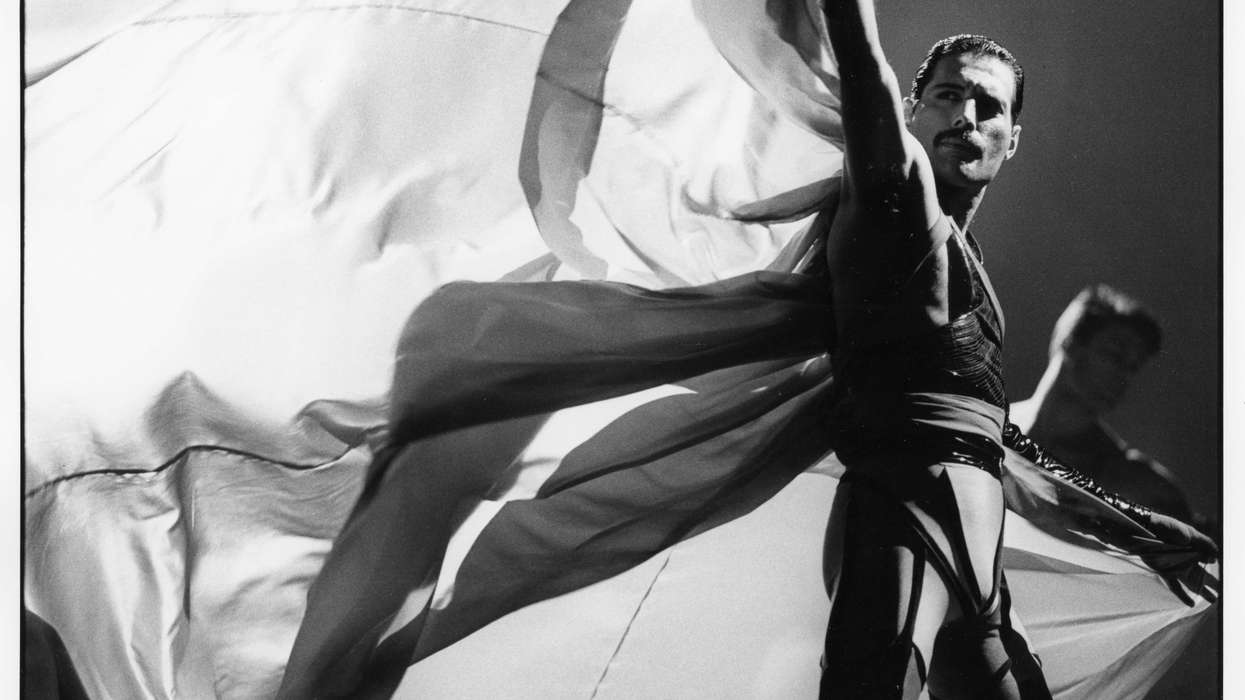
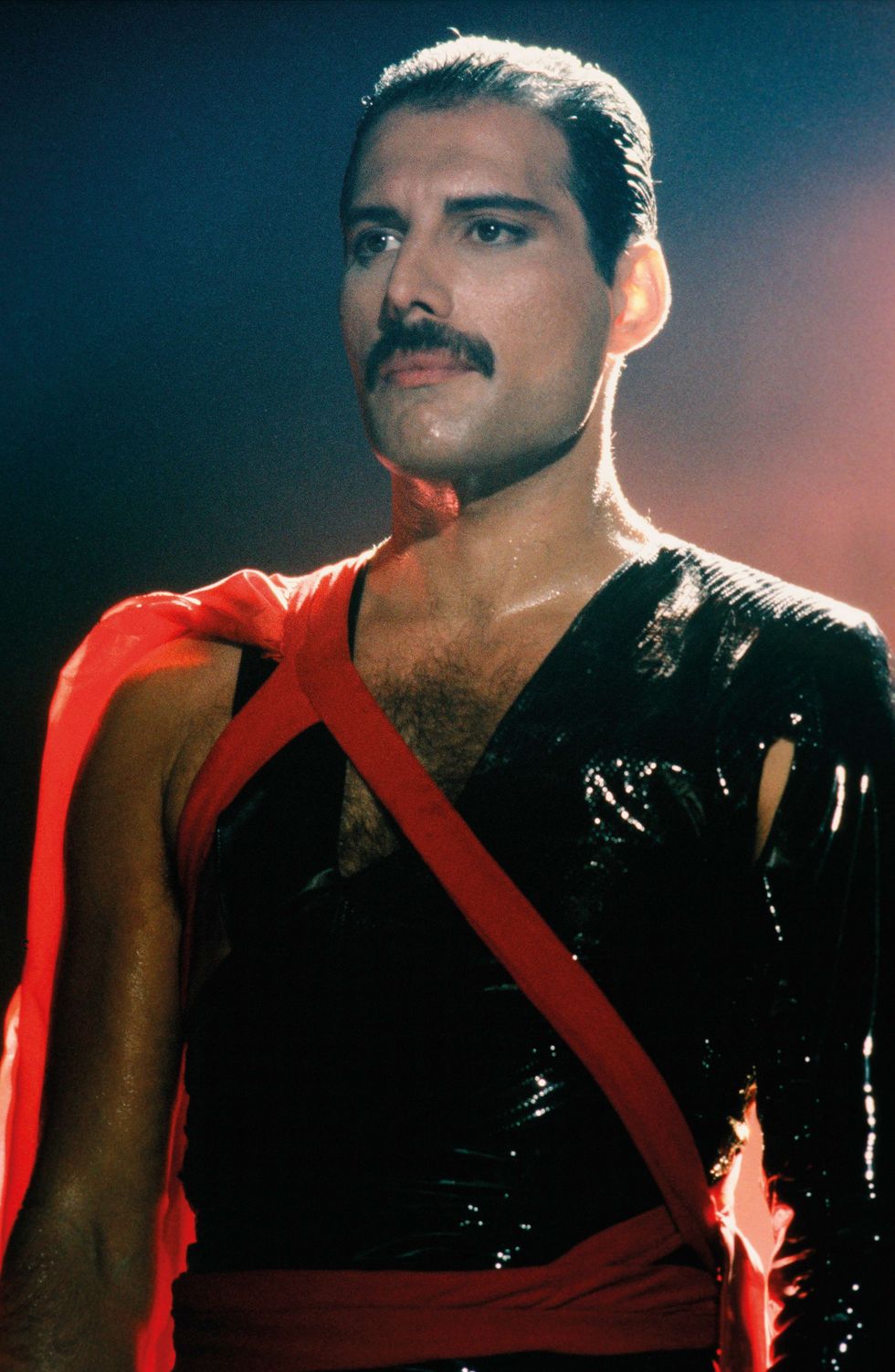 Freddie Mercury in the Made in Heaven music videoSimon Fowler © Mercury Songs Ltd
 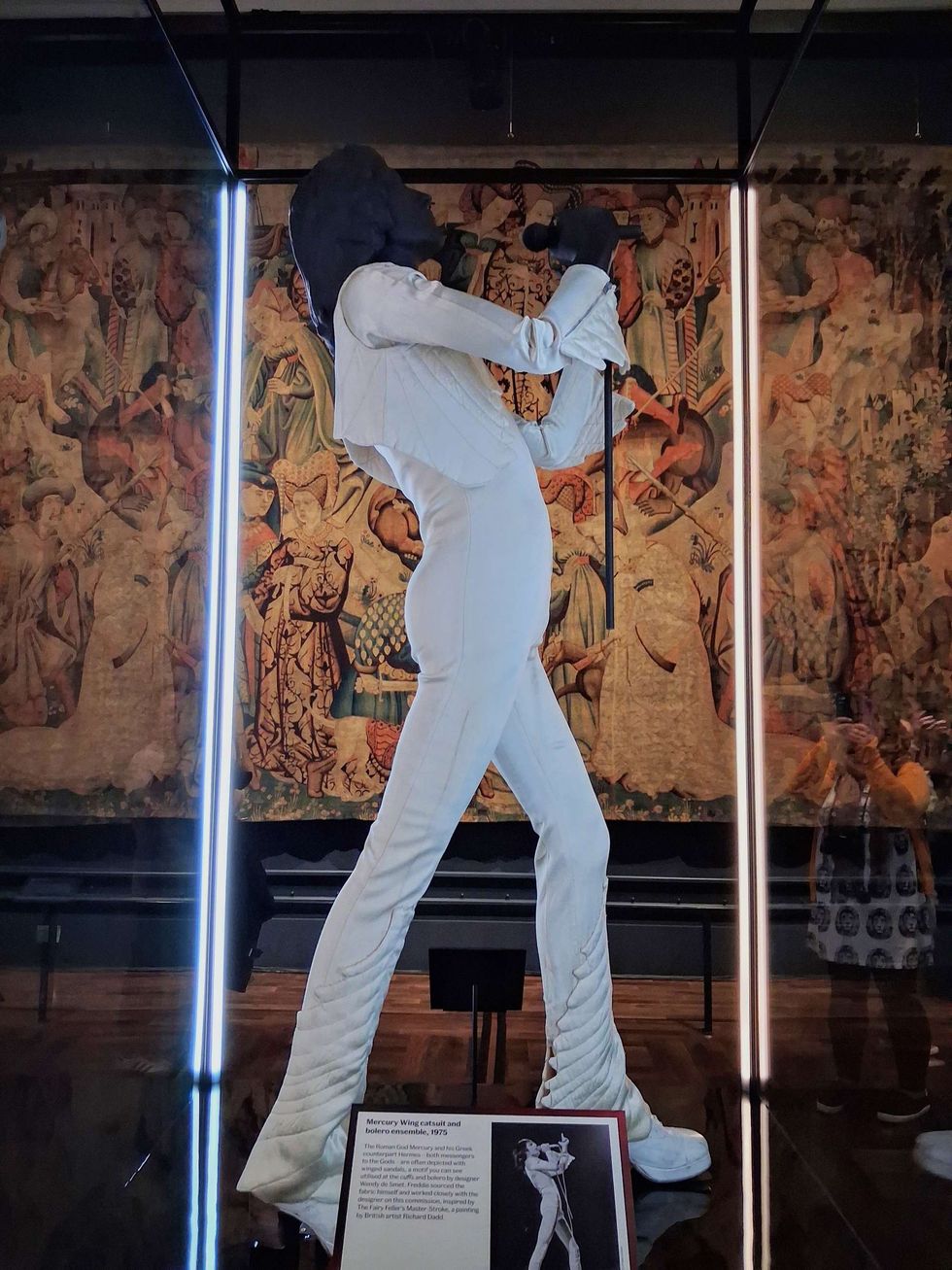 Mercury Wing Catsuit and bolero ensemble (1975)Amit Roy
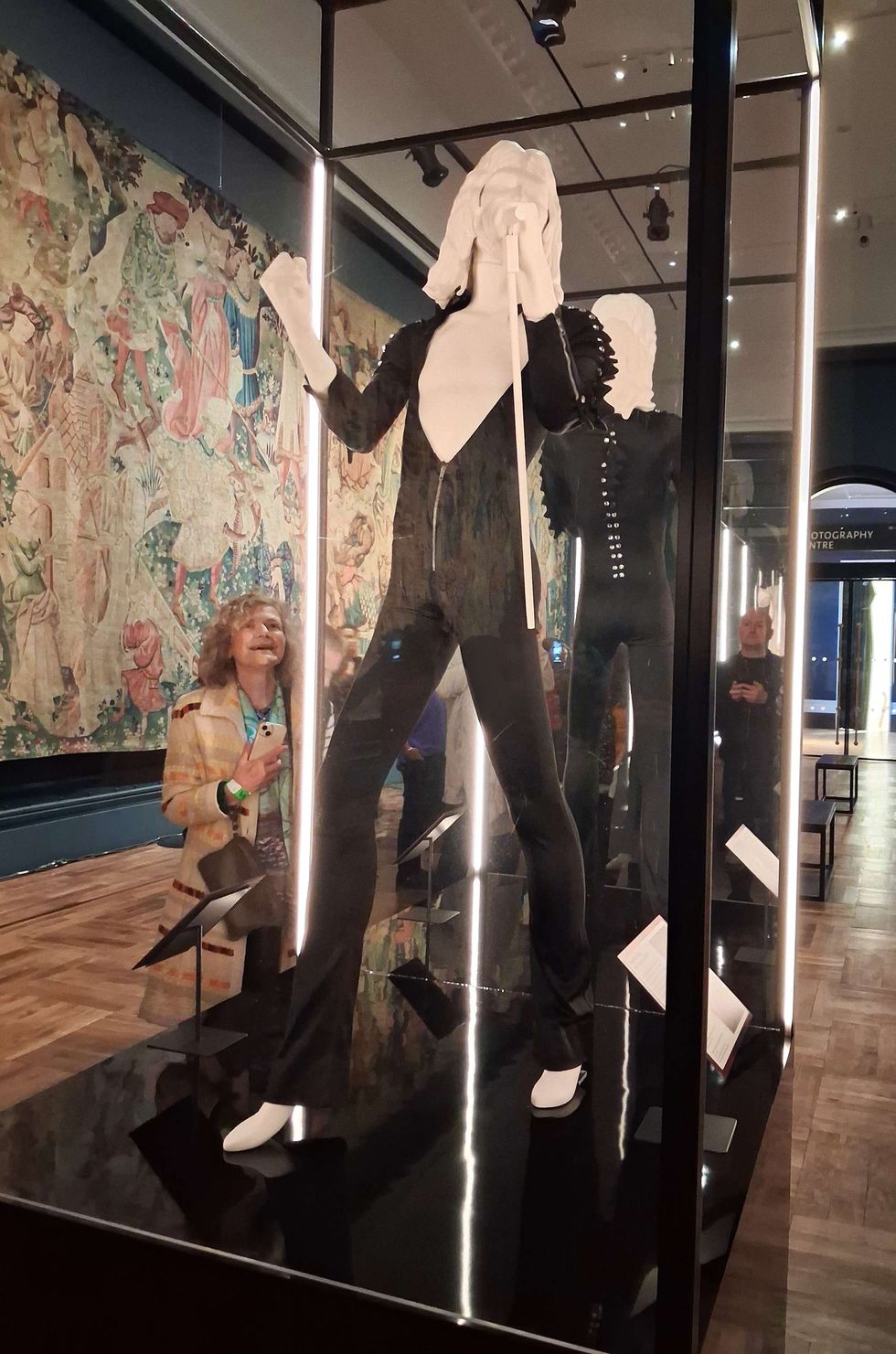 Designer Wendy de Smet with the spine suit or the Black Queen suit from 1975 Amit Roy
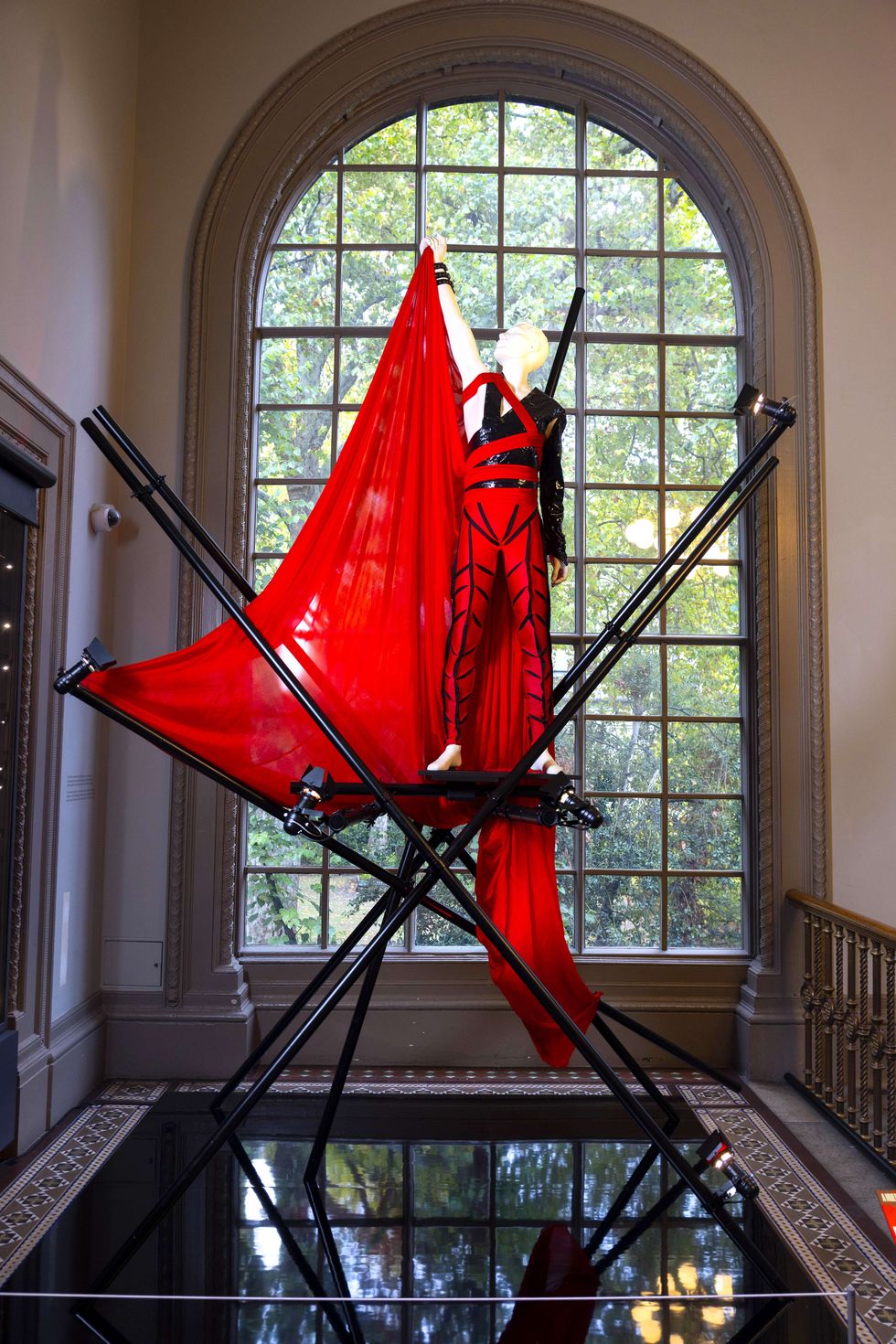 Made in Heaven music video costume (1985) David Parry/V&A
 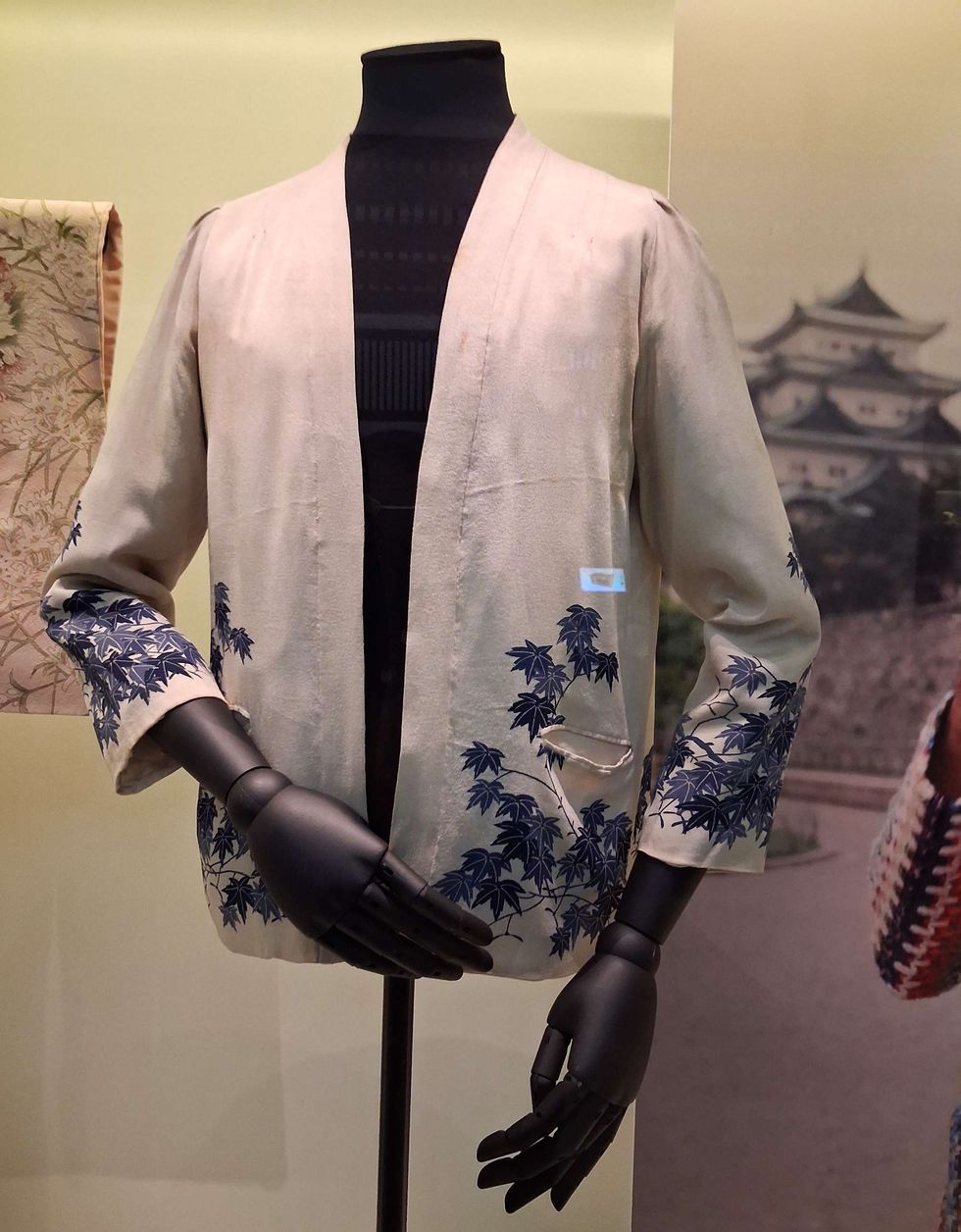 Japanese jacket (early 1970s)Amit Roy
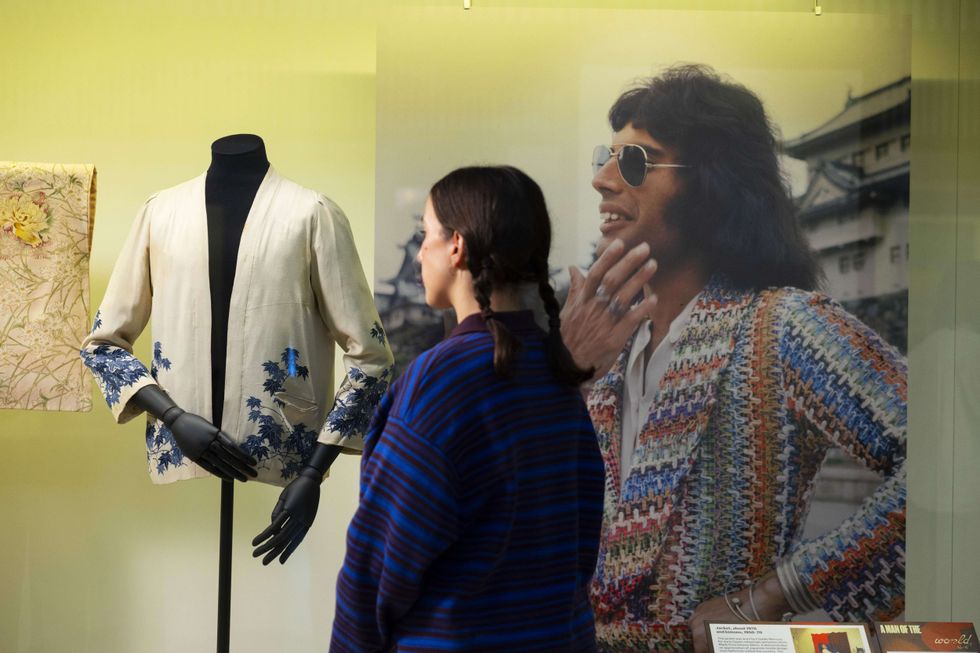 Japanese jacket (early 1970s) and kimono (1950-70) David Parry/ V&A
 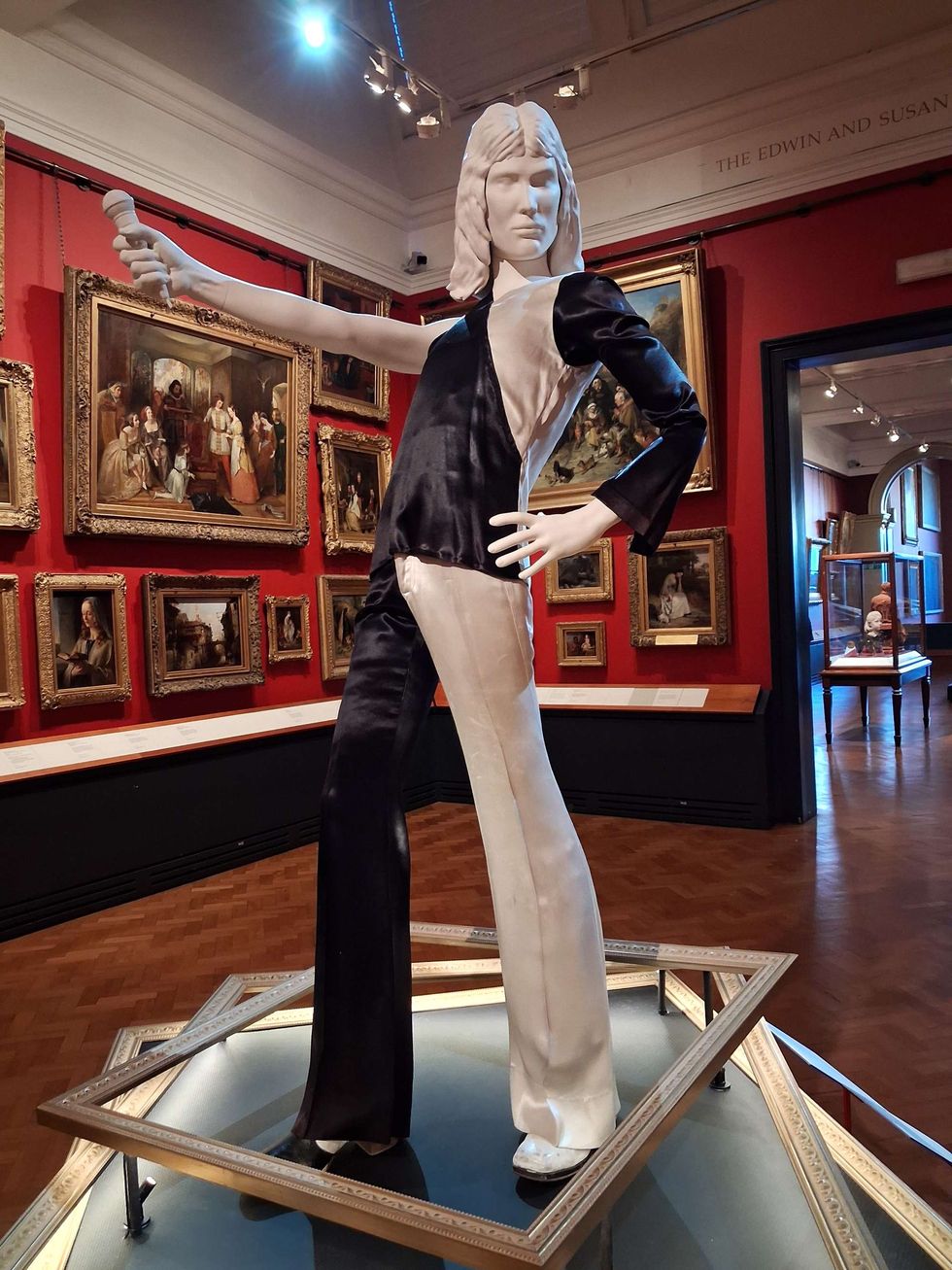 Ensemble worn for Imperial College gig in 1973Amit Roy
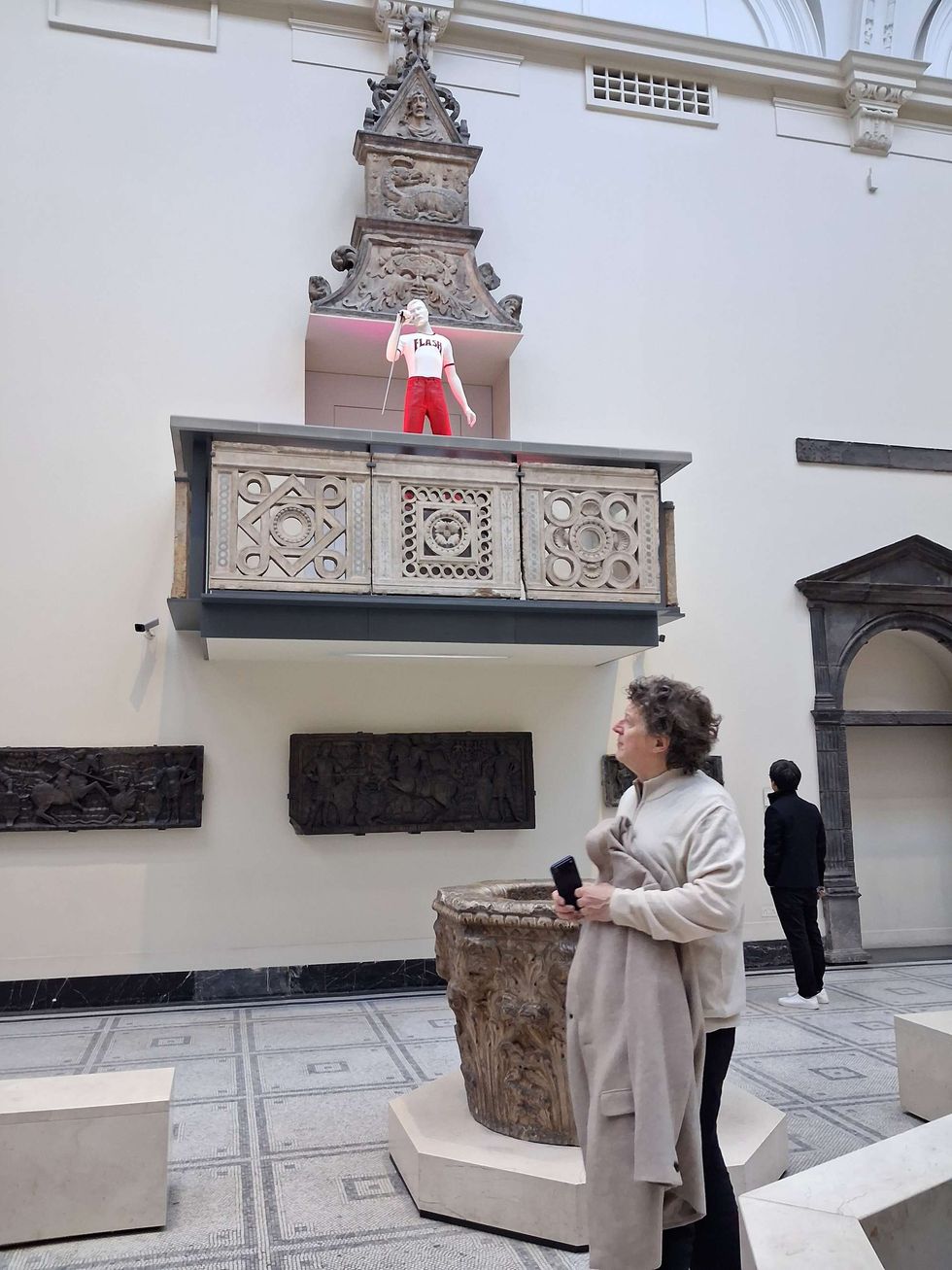 Flash ensemble and half mic (Flash Gordon 1980)Amit Roy
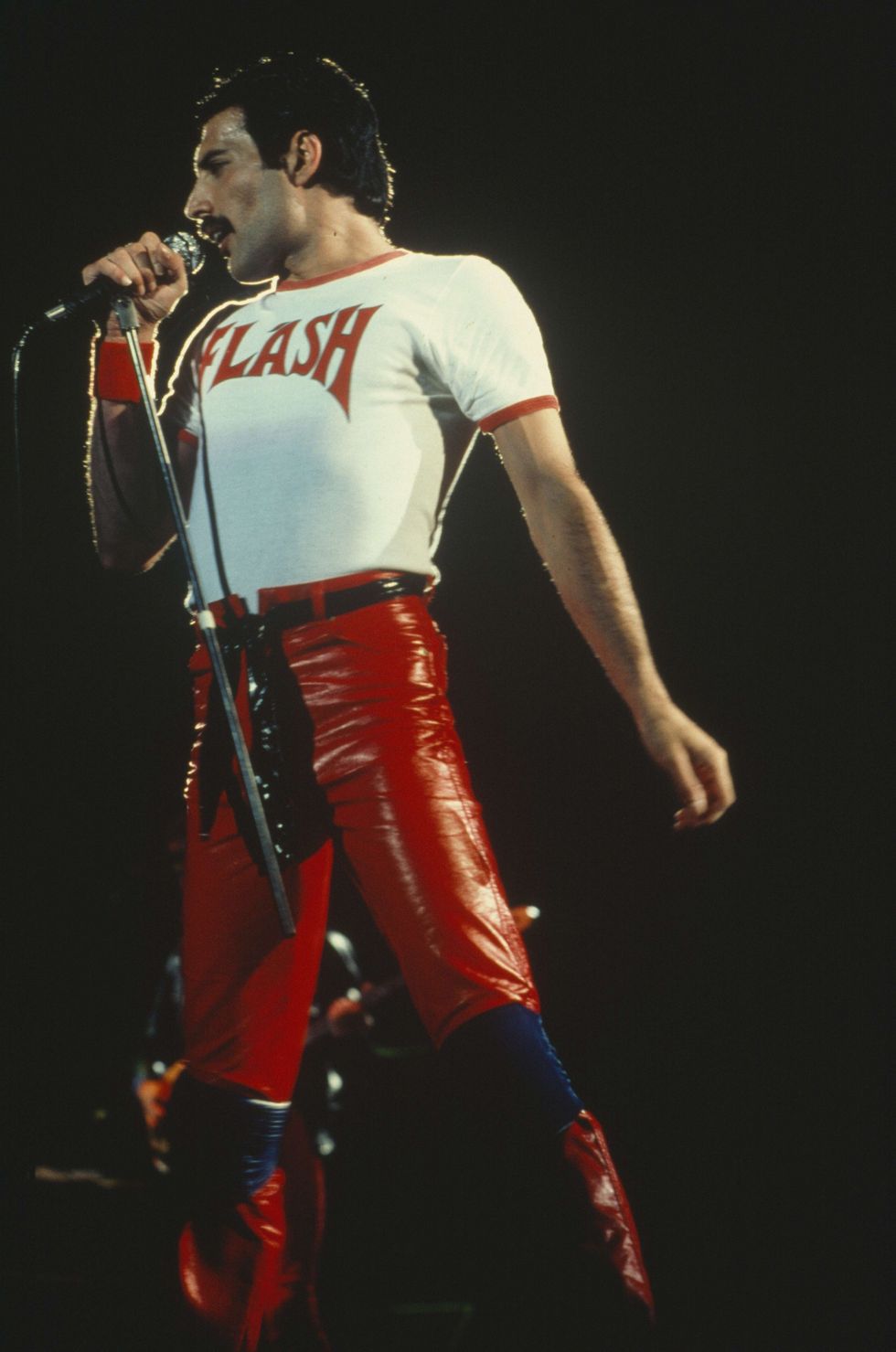 Freddie Mercury performs wearing a 'Flash' t-shirt at Sports Arena in San Diego, California, United States, on 5th July 1980David TanShinko Music/Getty Images
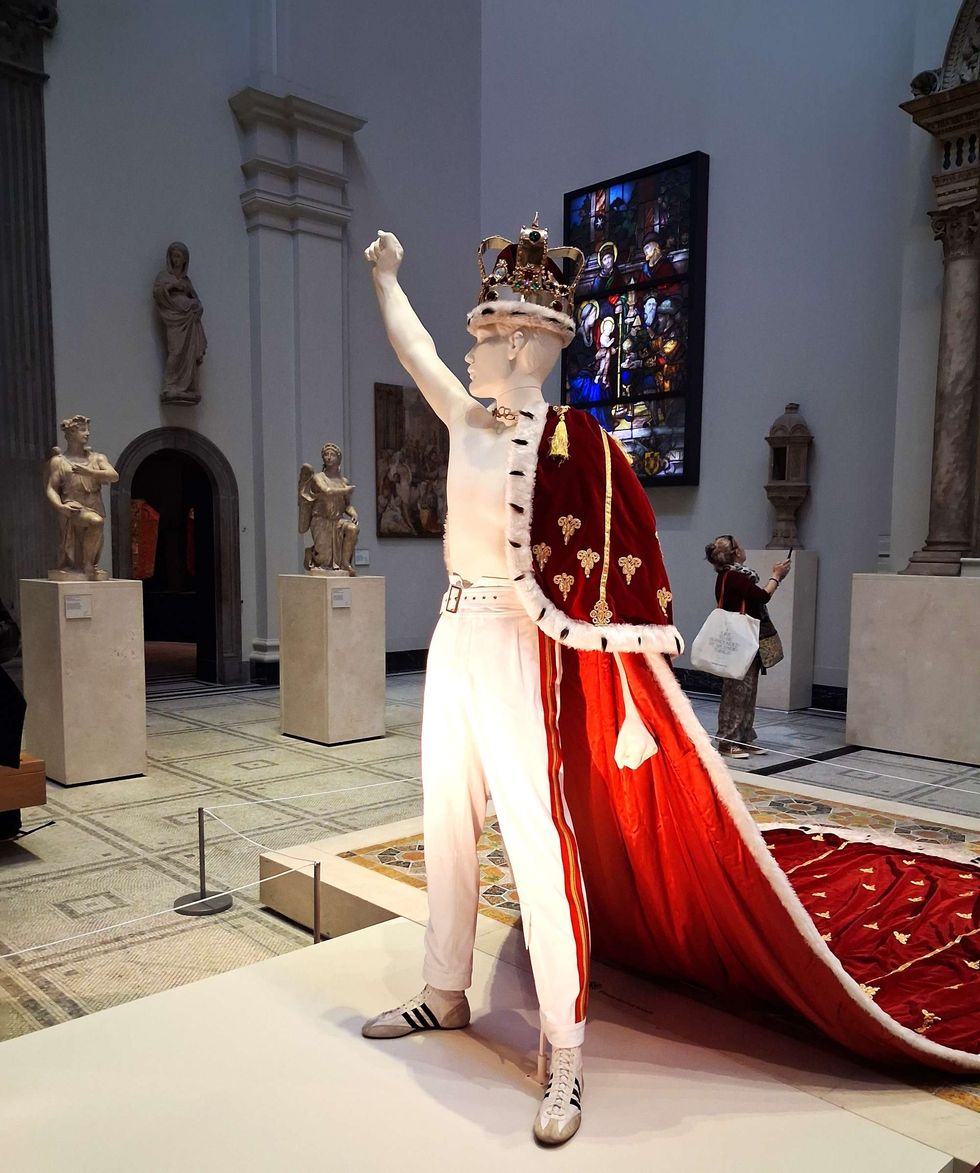 Cloal and crown ensembleAmit Roy
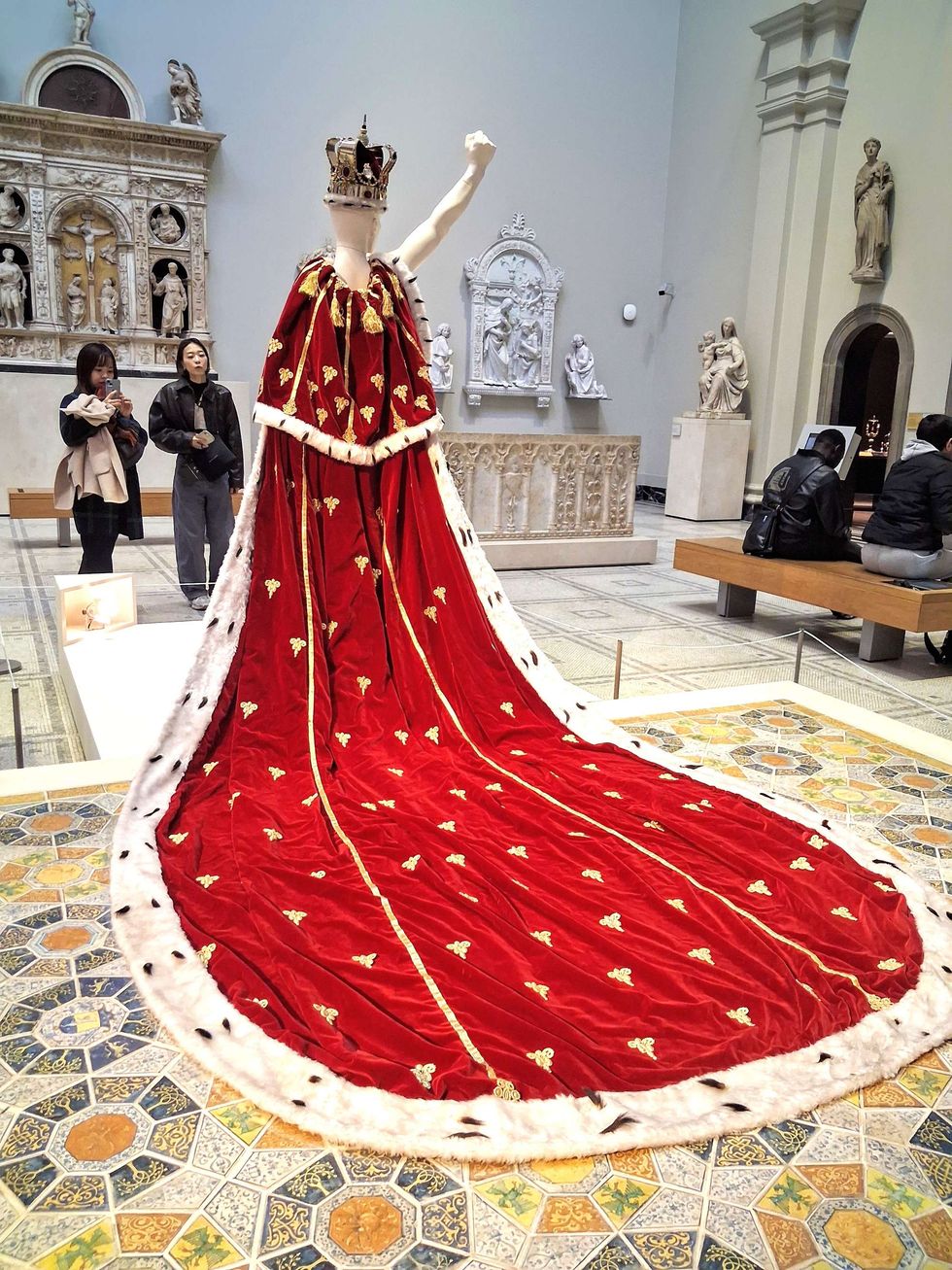 Cloak and crown ensemble (1986)Amit Roy
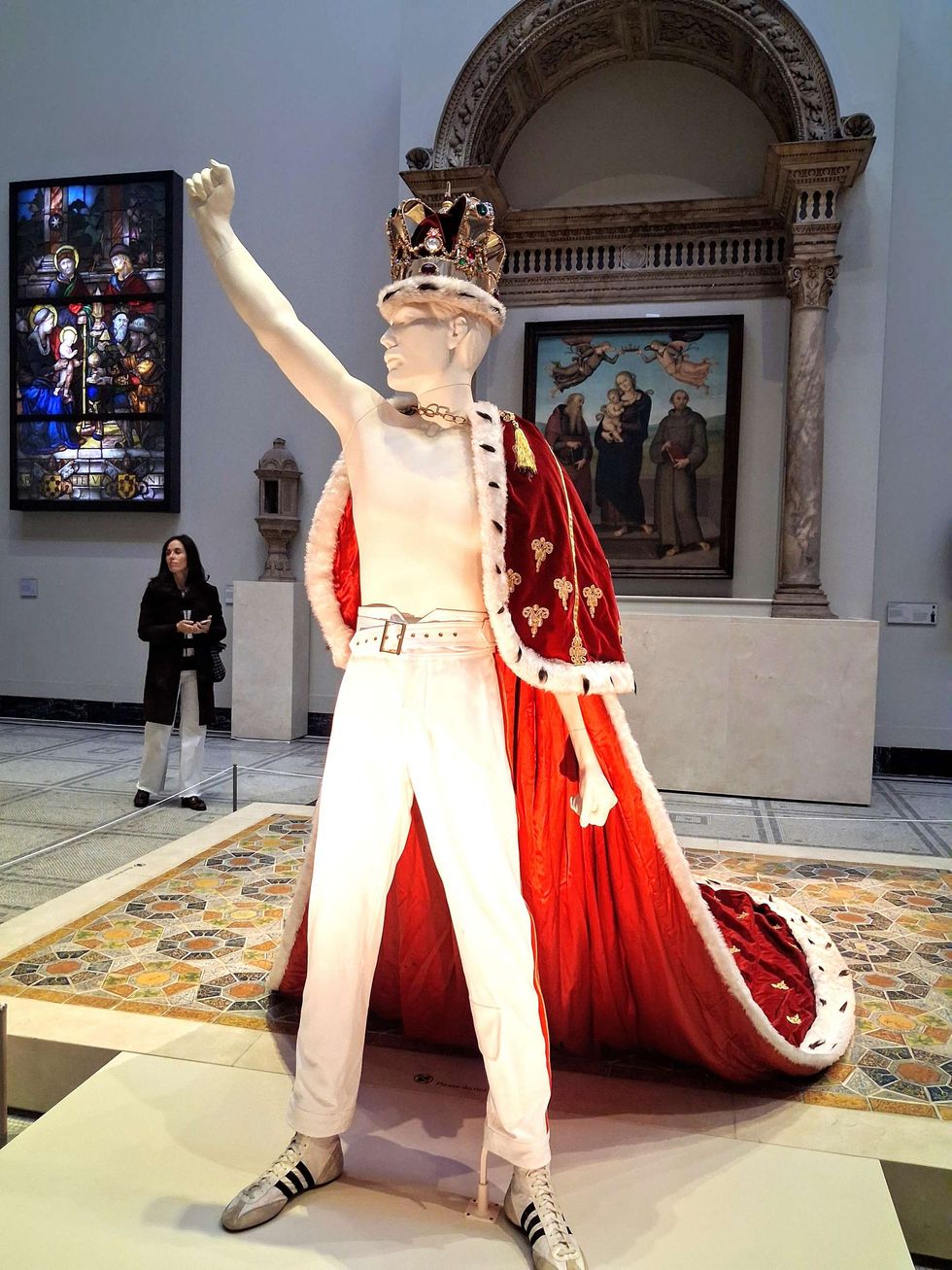 Cloak and crown ensemble (1986)Amit Roy
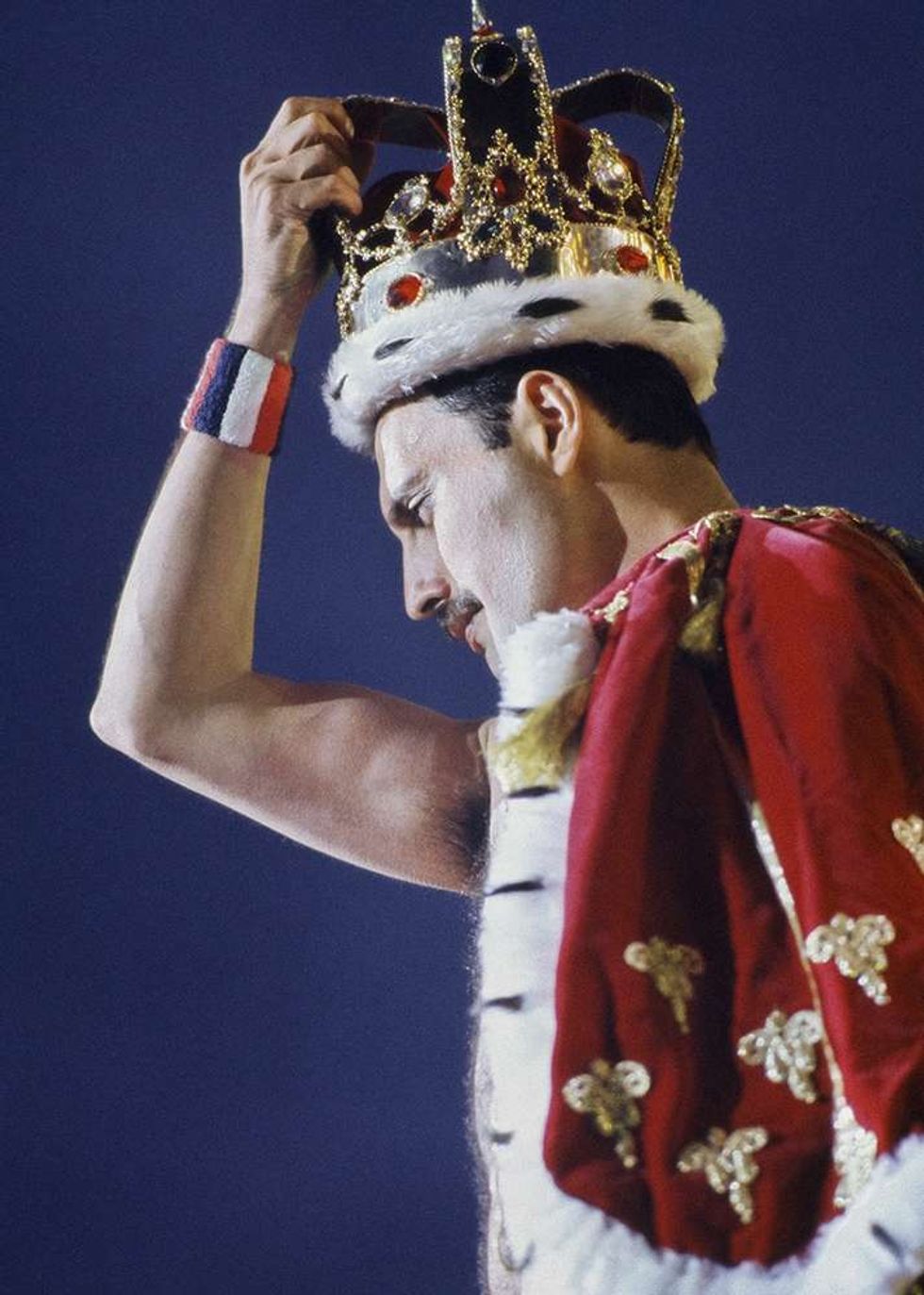 Freddie Mercury, Magic Tour (1986) Denis O’Regan