
We cannot imagine Indian cinema without the concept of love. Ever since the Indian film industry came into existence, love stories have always been at the center of filmmaking.
Over the past few years, new-age filmmakers have come up with a different take on romance. Our screens have lit with passionate love sagas to nuanced love triangles to new-age digital romance.
But as conventional as the subject is, our industry has seen some of the most beautiful, unconventional, and relatably extraordinary love stories by a few filmmakers. These master storytellers have given the audience cinematic gems that presented “love” with a new lens.
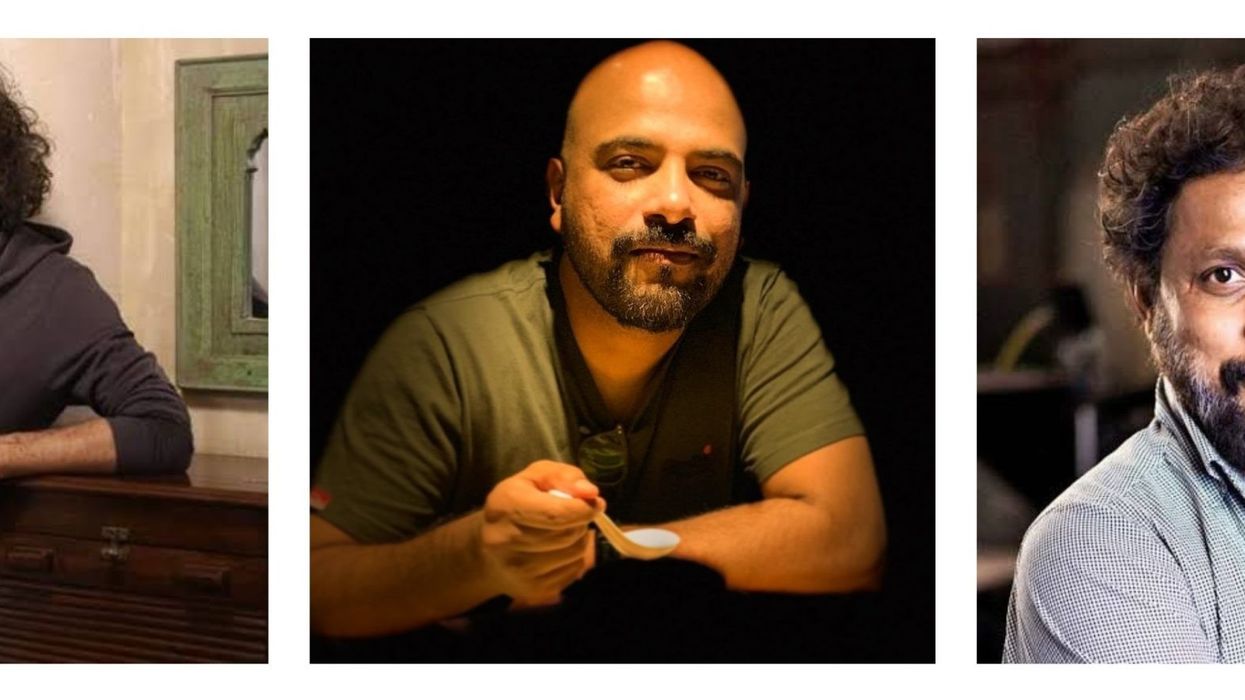
Here's listing four directors and their work below one must watch for a refreshing take!
1. Shoojit Sircar
Shoojit Sircar is one of the finest filmmakers working in Bollywood. The filmmaker has several critically and commercially successful films to his credit. While he has a diverse filmography, his representation of love in October (2018) has a different fan base. The idea of slow and undefinable romance between two individuals was hauntingly beautiful.
2. Imtiaz Ali
Nobody tells love stories the way Imtiaz Ali does. The filmmaker has given many modern-age classic love stories over the years. His bubbly tale of romance with Jab We Met and the intense saga of passion with Rockstar seem to top the list for many film enthusiasts.
3. Vinil Mathew
Vinil Mathew discussed the nuances and messiness of love with both his projects. While Hasee Toh Phasee (2014) dived into many layers of human relationships, Haseen Dillruba (2021) took a pulpy route into small-town passion and infidelity.
4. Shakun Batra
Shakun Batra is making noise for his attempt to talk about infidelity in a relationship with Gehraiyaan. He also took an unconventional route with Ek Main Aur Ekk Tu (2012) when a love story ends with a friendship.

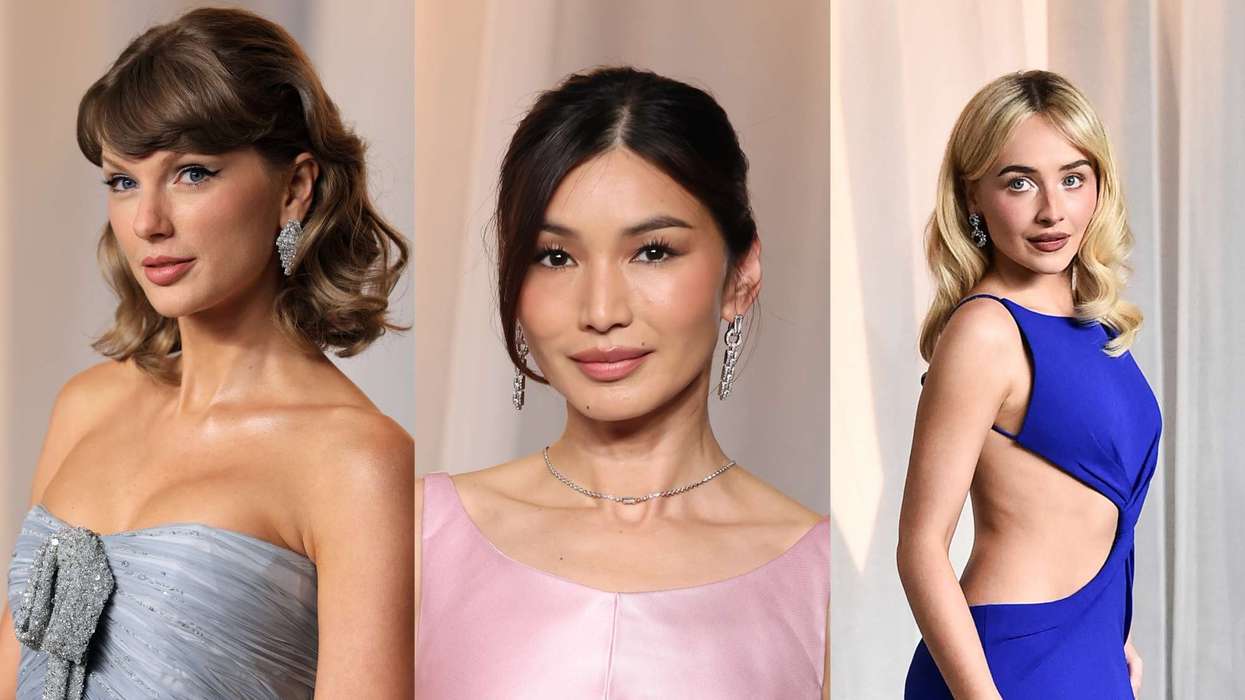
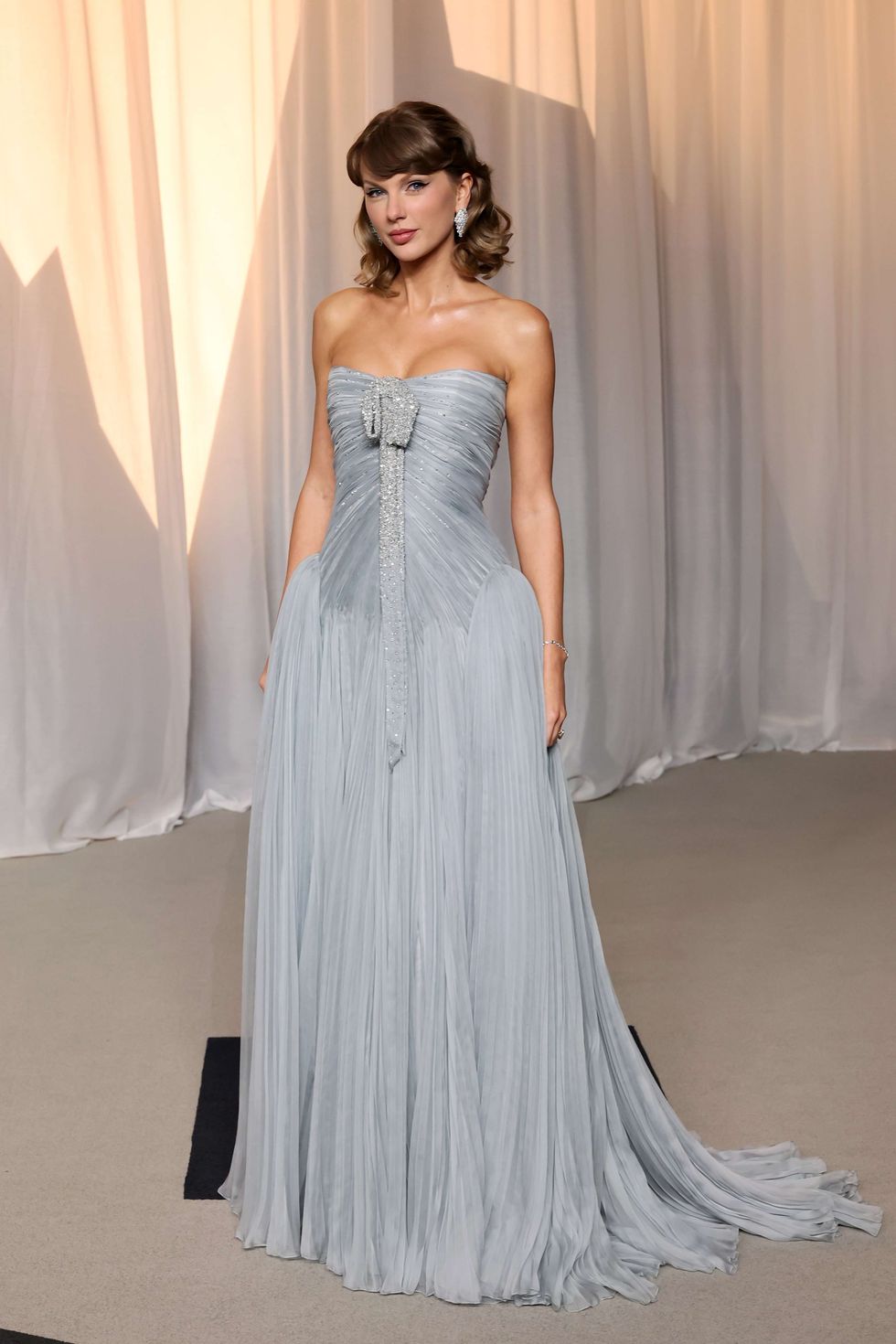 Taylor Swift opted for a strapless Dior gownGetty Images
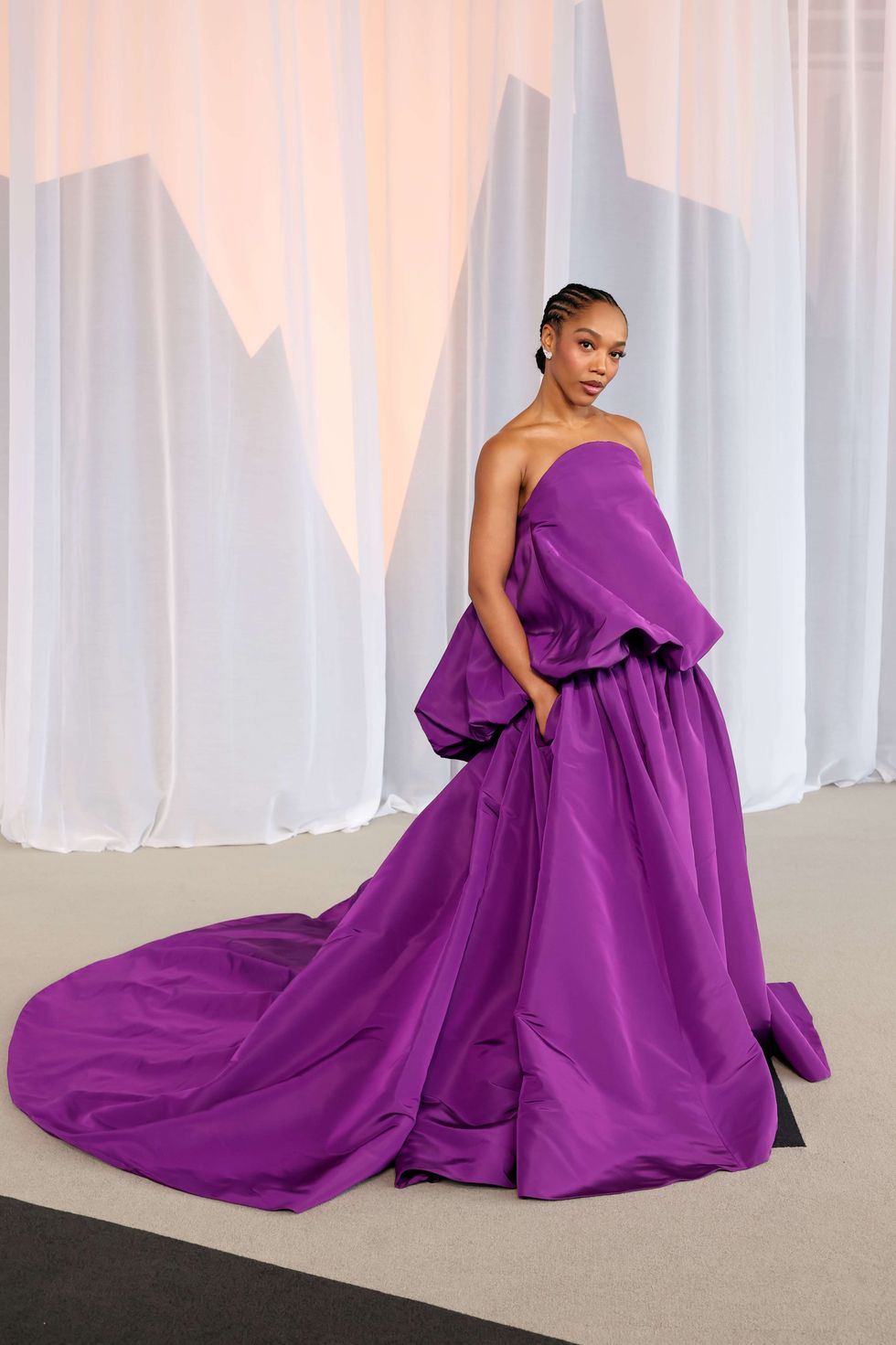 Naomi Ackie stood out in a custom aubergine Balenciaga gown Getty Images
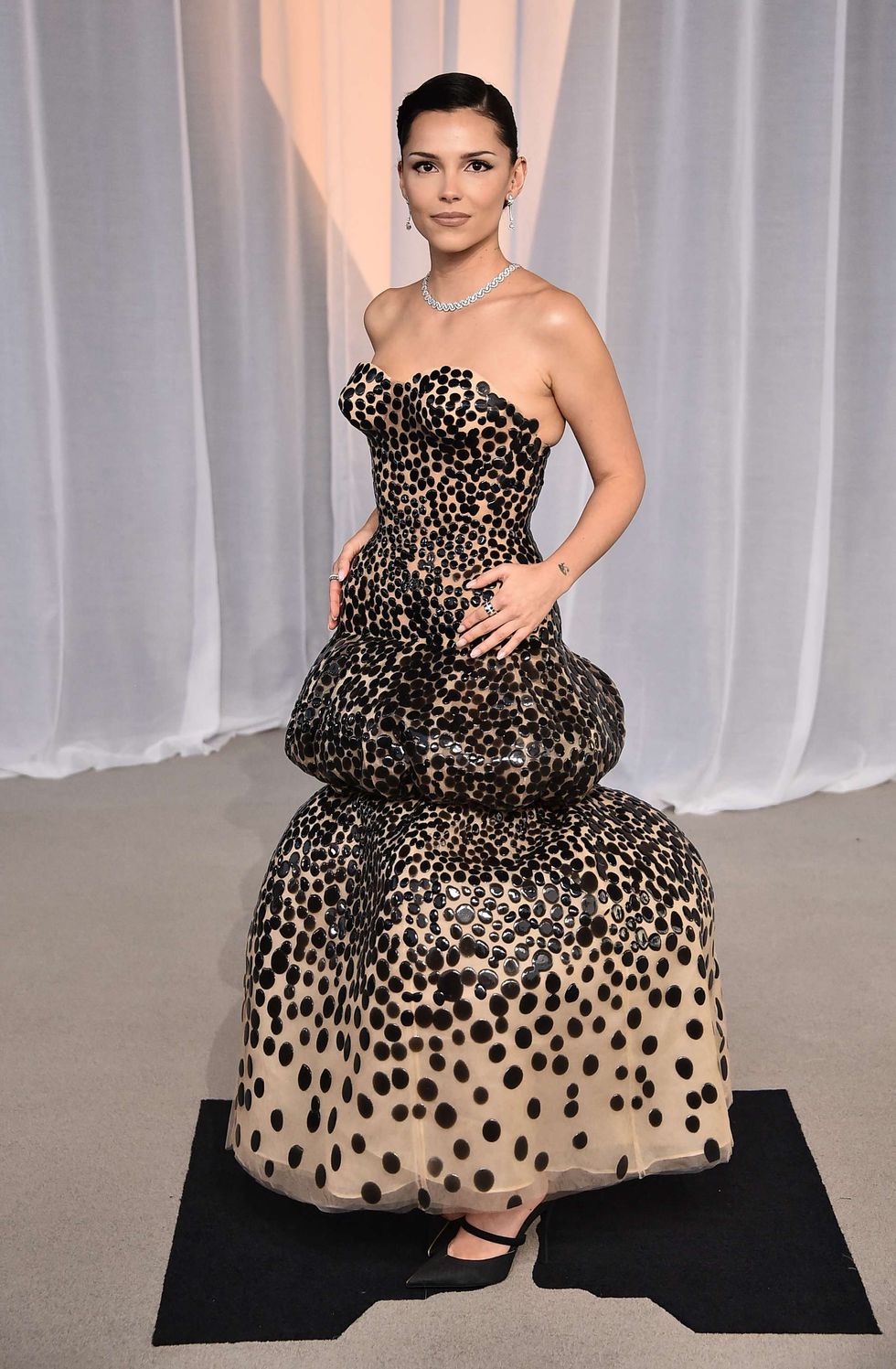 Inde NavarretteGetty Images
 Sabrina CarpenterGetty Images
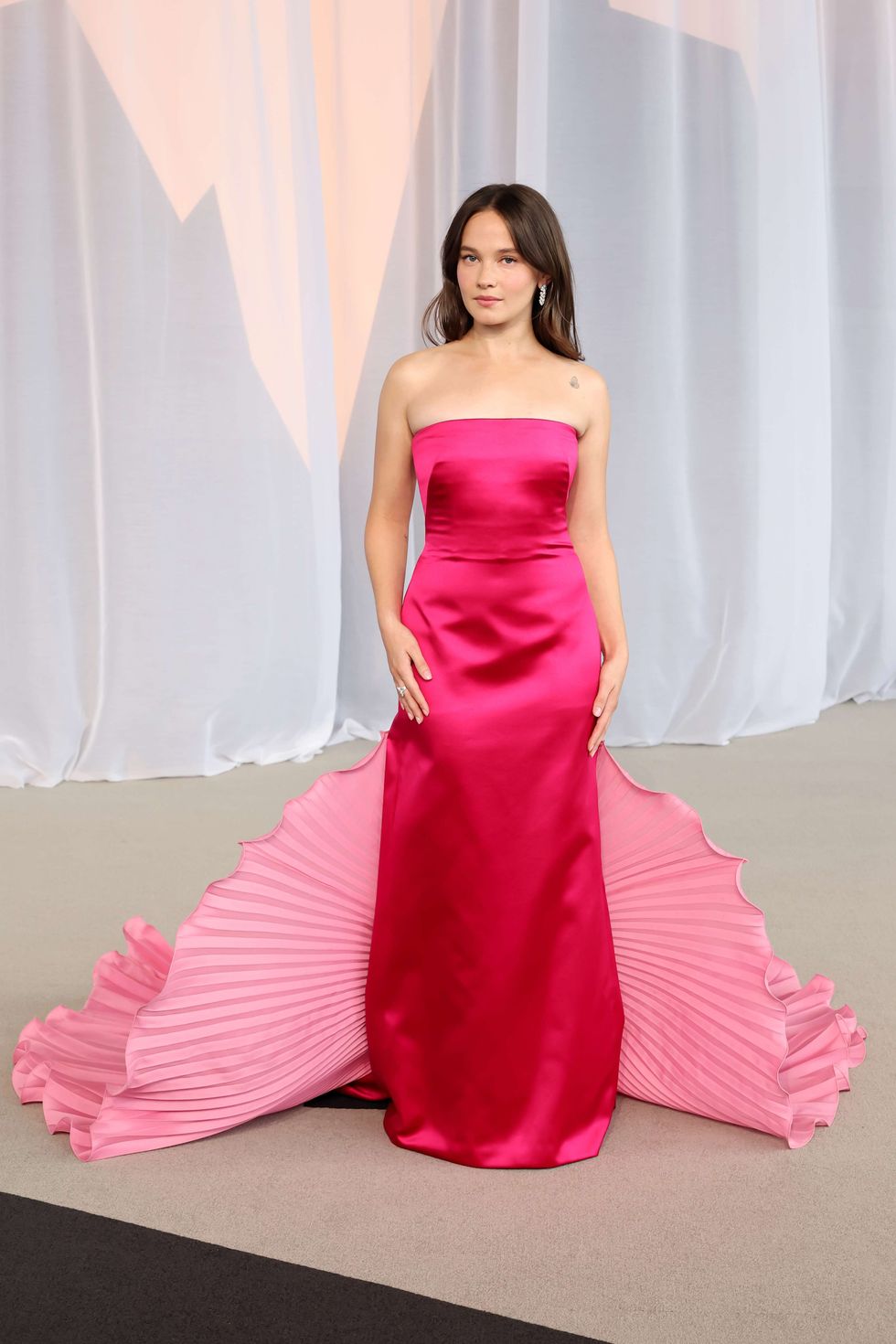 Cailee SpaenyGetty Images
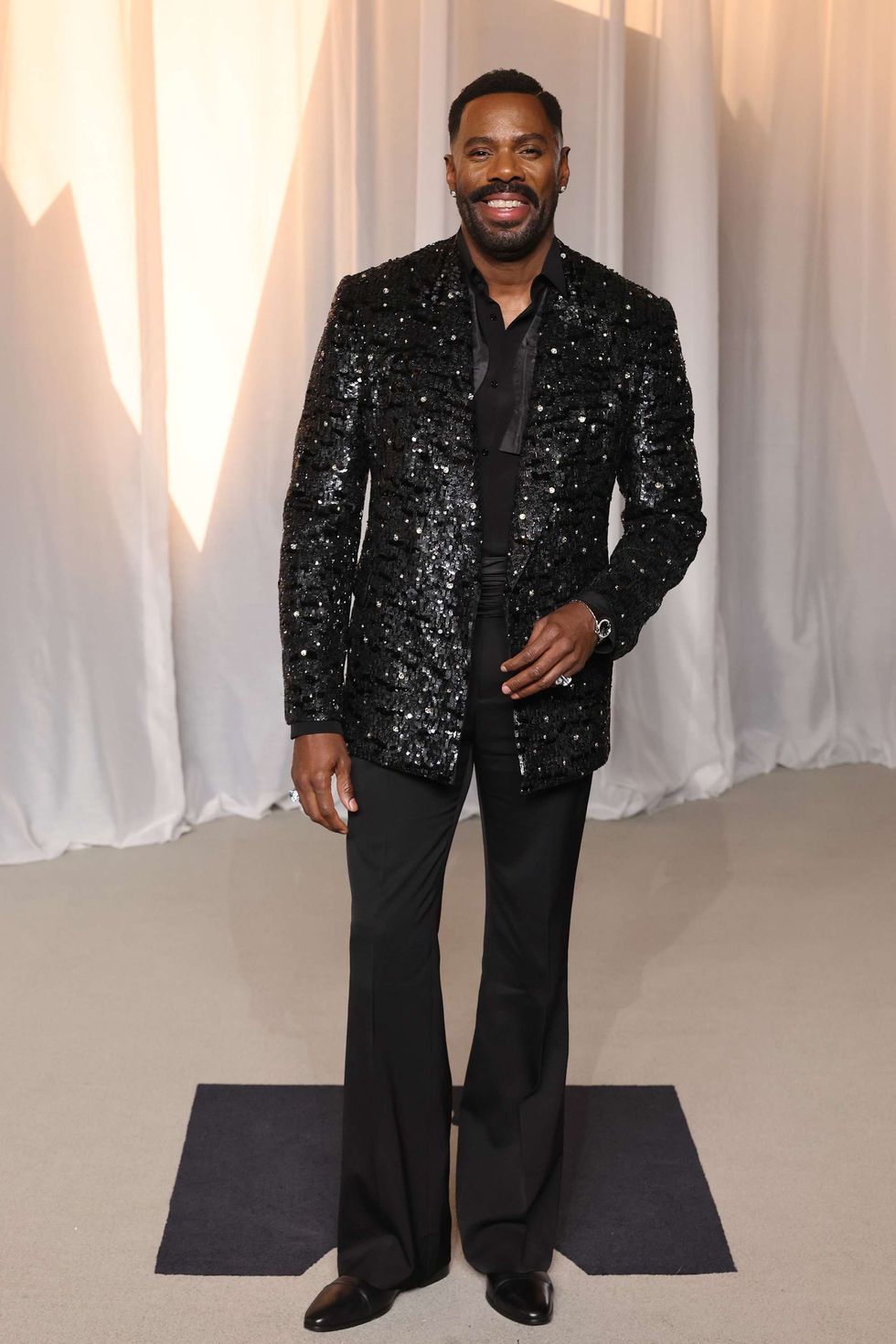 Colman DomingoGetty Images
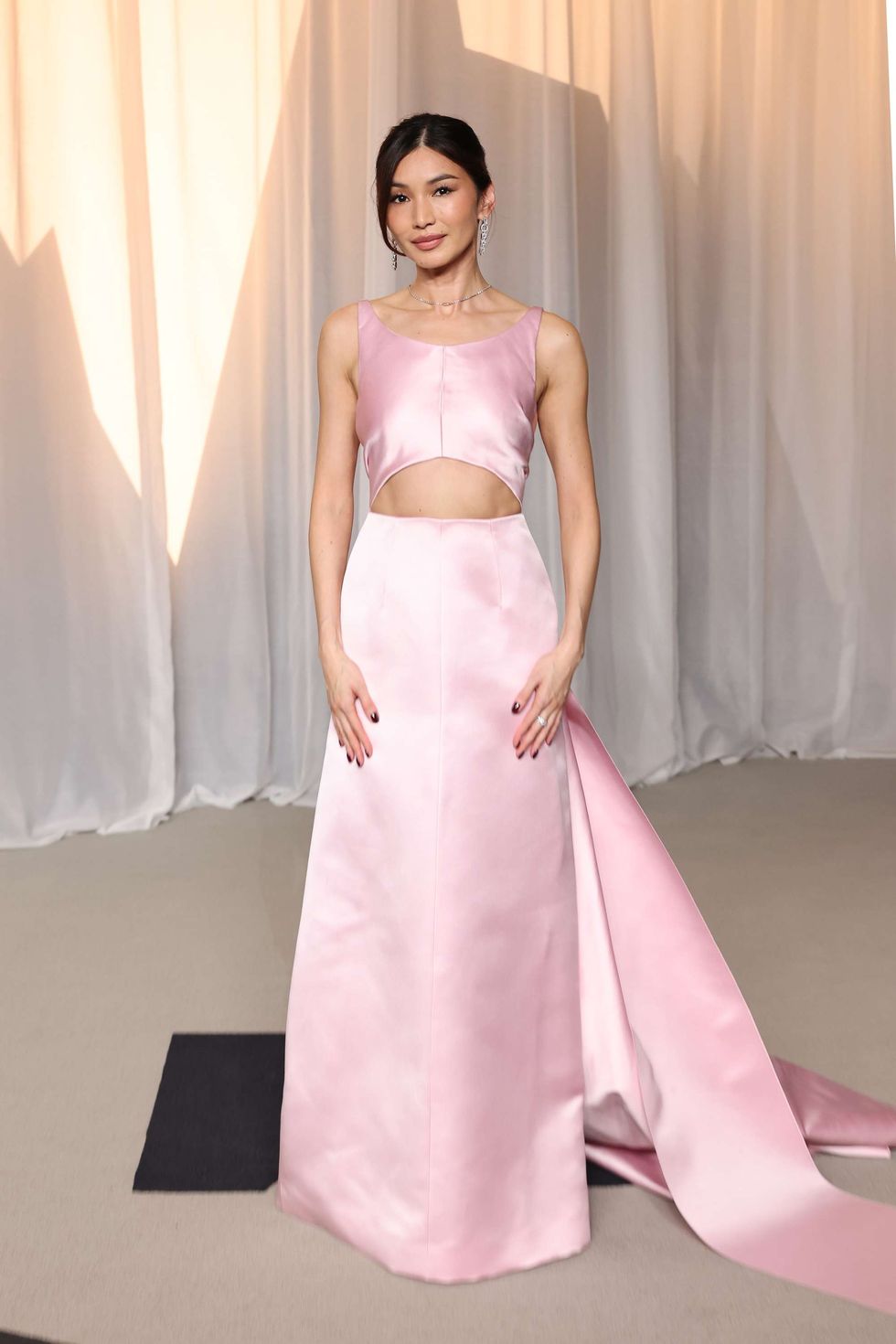 Gemma Chan took a more understated approach in a pink silk gabardine dress by PradaGetty Images
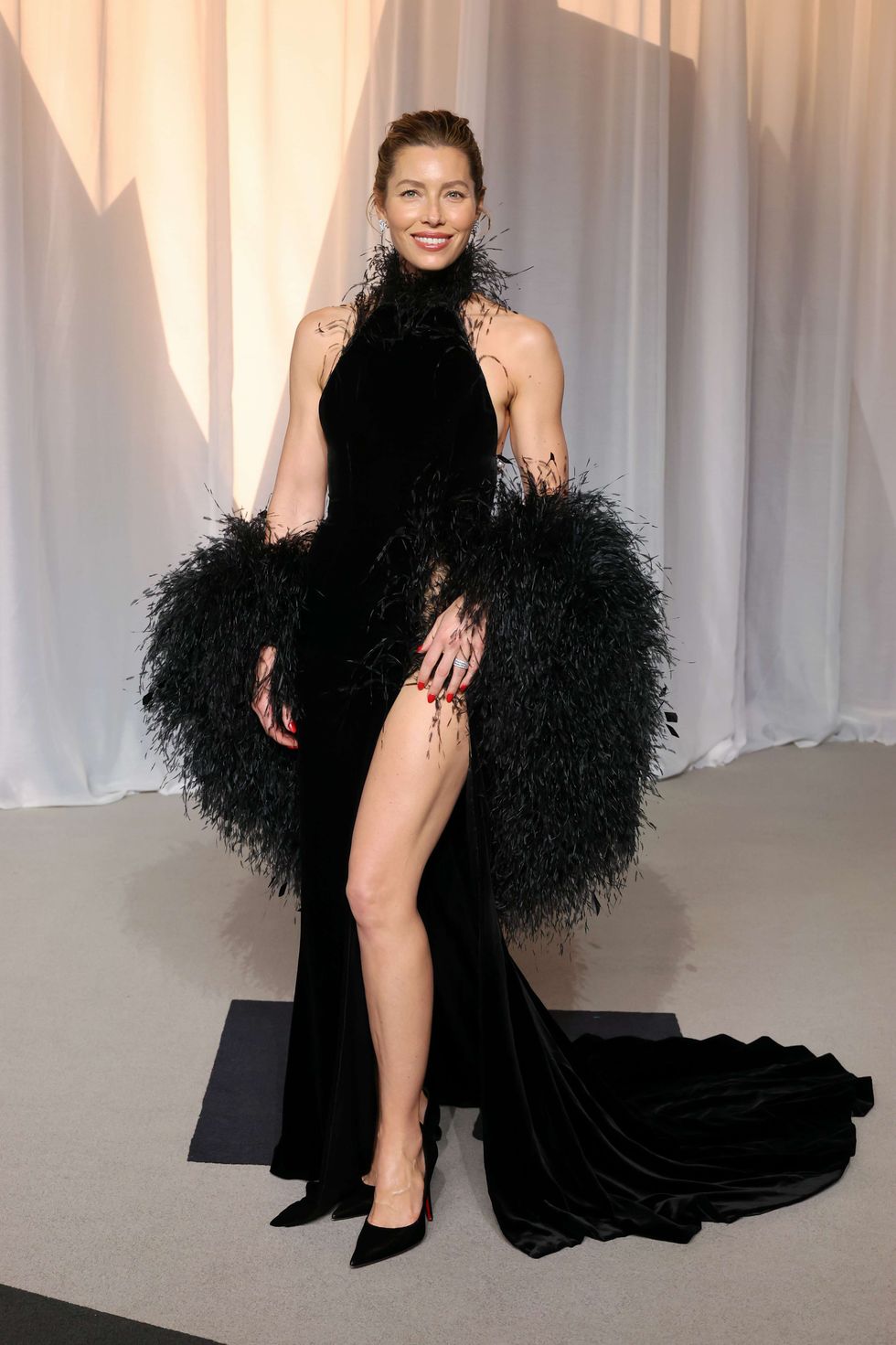 Jessica BielGetty Images
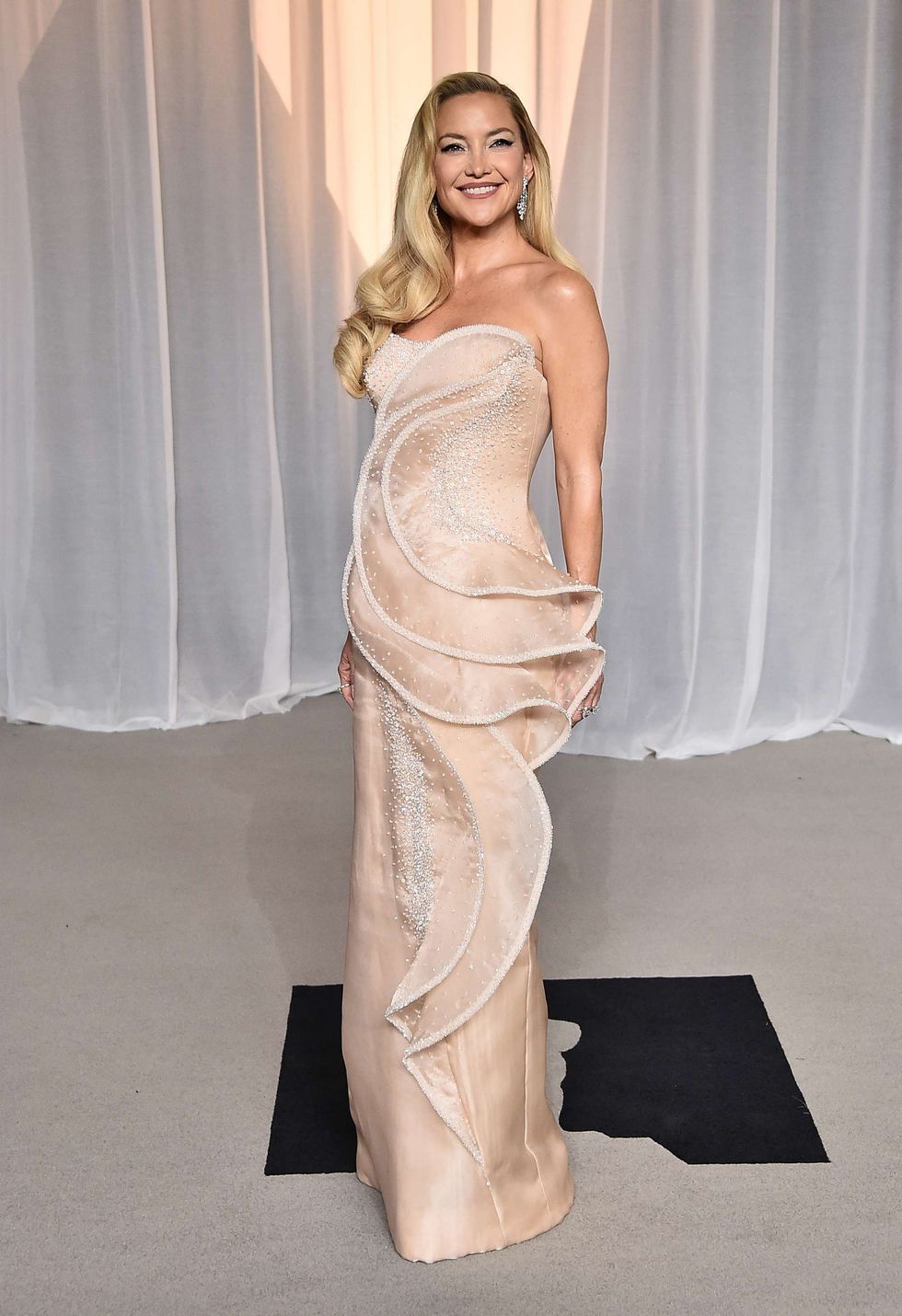 Kate HudsonGetty Images
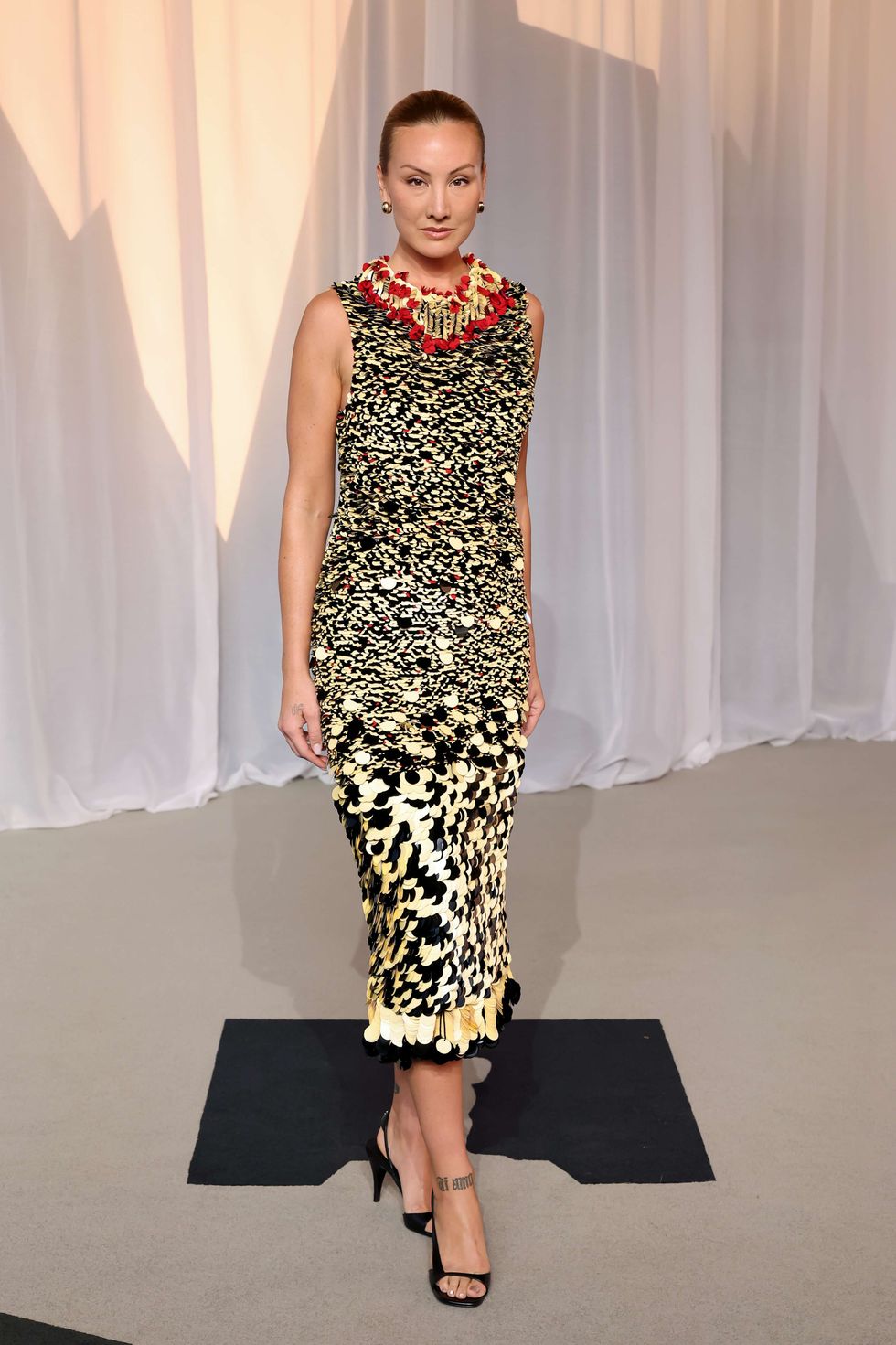 Miyako BellizziGetty Images