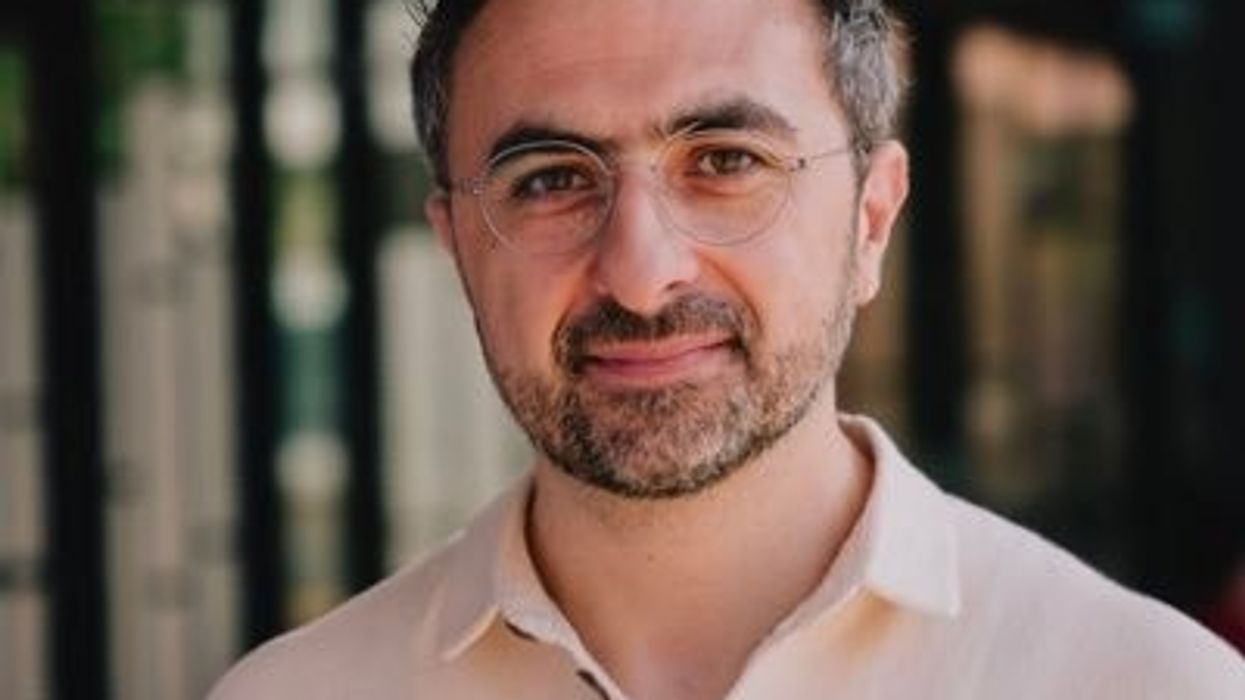

Mustafa Suleyman, a prominent figure in Artificial Intelligence (AI), recently took the helm of Microsoft's newly formed consumer AI division, Microsoft AI.
Suleyman's background is far from that of a typical tech CEO. Mustafa Suleyman's upbringing was shaped by his family in London.
His father, a Syrian taxi driver, instilled in him a desire to make a positive impact. His mother, a dedicated nurse, worked for the National Health Service (NHS). He lived with his parents and two younger brothers in the Islington neighborhood, near Caledonian Road.
There, he attended Thornhill Primary School before moving on to Queen Elizabeth's School, a prestigious grammar school. It was during this time that he met his future DeepMind co-founder, Demis Hassabis, through a mutual friend.
Despite attending a prestigious university, Suleyman felt called to a different path and dropped out at 19. He co-founded the Muslim Youth Helpline, a vital mental health resource for young people.
His entrepreneurial spirit continued with Reos Partners, a consultancy focused on social problem-solving. This experience honed his skills in negotiation and navigating complex issues, valuable assets for the future.
Suleyman's foray into AI began with DeepMind, a company he co-founded. DeepMind's groundbreaking work attracted the attention of Google, leading to its acquisition in 2014.
As DeepMind's head of applied AI, Suleyman spearheaded efforts to integrate AI across various Google products. Notably, he championed the development of DeepMind Health, aiming to improve healthcare services.
Suleyman's commitment to responsible AI extends beyond product development. He actively participates in discussions about AI ethics and advocates for accountability in the tech industry. He co-founded the Partnership on AI, a platform promoting best practices and public understanding of AI's impact.
Following his tenure at DeepMind, Suleyman co-founded Inflection AI, a company focused on human-computer interaction. This venture aimed to develop AI that could understand and respond to natural language, with the long-term goal of creating a digital "Chief of Staff" to assist users.
Now, at Microsoft AI, Suleyman leads a team tasked with advancing consumer AI products like Copilot, a powerful coding assistant. His expertise and vision position Microsoft to be a major player in the evolving AI landscape.
Suleyman's story is an inspiration, demonstrating that success can come from unexpected places. His unwavering commitment to ethical AI development ensures that this powerful technology benefits society as a whole.