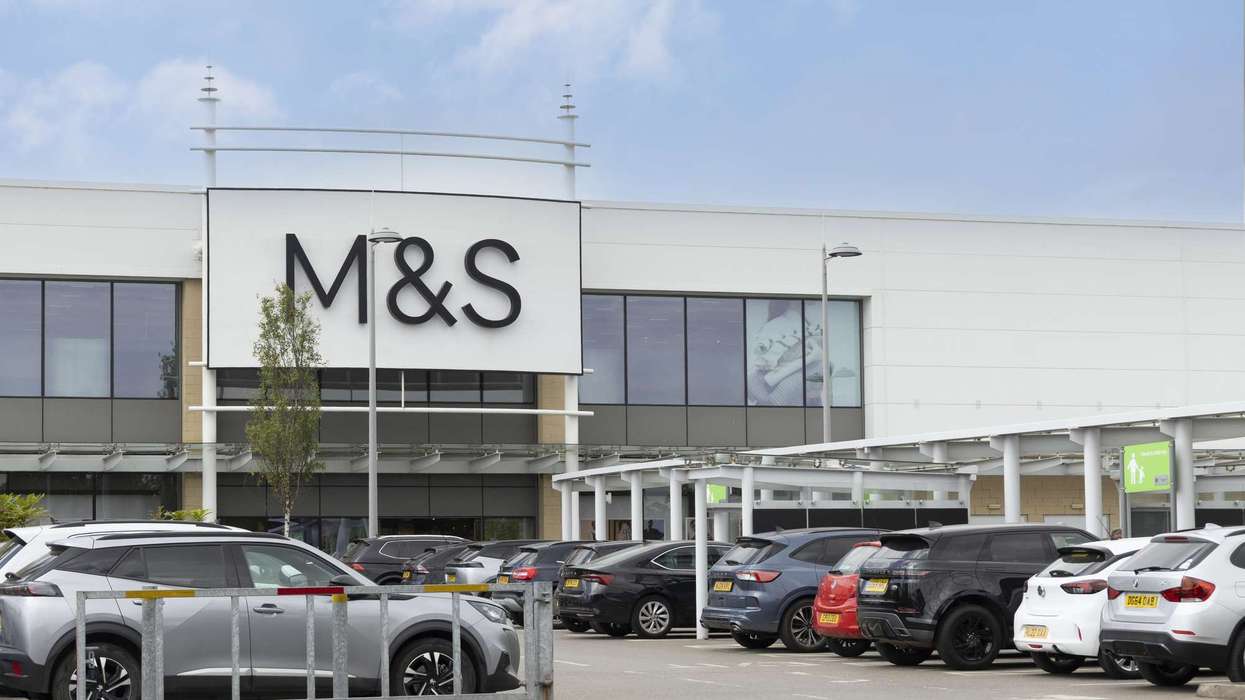

- Marks & Spencer’s annual pre-tax profit dropped 28.8 per cent after last year’s cyberattack disrupted online orders and store operations.
- The incident cost the retailer more than £131 million in recovery, advisory and risk management expenses.
- M&S said profit growth is expected to resume in the current financial year despite inflationary pressures and Middle East delivery disruption.
British retailer Marks & Spencer saw annual profits fall sharply after a cyberattack last year forced it to suspend online clothing orders for weeks and disrupted food supplies across stores, adding another layer of pressure at a time when retailers are already grappling with rising operating costs.
The FTSE 100 retailer reported statutory pre-tax profit of £364.6 million for the year ended March, down 28.8 per cent from £511.8 million a year earlier. The company said the cyber incident alone resulted in £131.3 million in costs linked to system recovery, specialist advisory services and risk management.
Despite the setback, group sales climbed 24.8 per cent to £17.4 billion as the business recovered momentum in the latter half of the year. The figures suggest the retailer managed to stabilise operations after months of disruption, though the financial damage from the attack remained visible across several divisions.
Cyberattack fallout leaves deep mark
M&S described the financial year as “a year of two halves”, with the first half dominated by the fallout from the cyberattack and the second marked by a gradual return to sales and profit growth.
The incident forced the retailer to shut its website for 12 weeks, freezing online clothing orders and affecting stock flow across stores. Shelves in some food outlets were also left understocked during the disruption.
Sales in M&S’s fashion, home and beauty division fell 7.7 per cent during the period as online trading restrictions and stock shortages weighed on demand. Adjusted operating profit for the segment dropped to £213.4 million from £478 million a year earlier.
The retailer said excess seasonal inventory linked to the disruption had to be marked down and cleared, adding further pressure on margins.
Alongside the results, M&S revealed it is being investigated by the UK’s Information Commissioner’s Office. The company said it was cooperating with the regulator and “other relevant regulators”.
Chief executive Stuart Machin reportedly described the financial year as “extraordinary”, saying the company remained focused on customers throughout the disruption and worked to rebuild operations.
Food business grows, but pressure remains
M&S’s food division continued to provide some stability for the retailer, with sales rising 7 per cent to £9.7 billion. However, profit in the business still slipped 9 per cent, largely due to higher waste levels during the first half of the year when supply chains and stock availability were affected.
The retailer has been investing heavily in its food business in recent months, with the segment now contributing more than half of overall revenue.
Looking ahead, M&S said it expects profit growth to resume in the current financial year, backed by what it described as a strong balance sheet and ongoing efforts to improve product availability and service levels.
Still, the retailer warned that higher fuel prices, freight costs, taxes and regulatory pressures continue to create challenges for the wider sector. It added that international sales could also face pressure from disruption to deliveries involving Middle East partners amid ongoing regional conflict. Annual sales from the region stood at around £100 million during the latest financial year.
The results offer a glimpse into how deeply cyberattacks can affect large retailers beyond just temporary website outages. For M&S, the disruption spilled into logistics, inventory management, food operations and profitability, leaving a costly recovery process that stretched across most of the year.