
UK's ANNUAL inflation rate slowed more than expected in April, helped mainly by lower energy prices before the Middle East conflict, official figures showed on Wednesday.
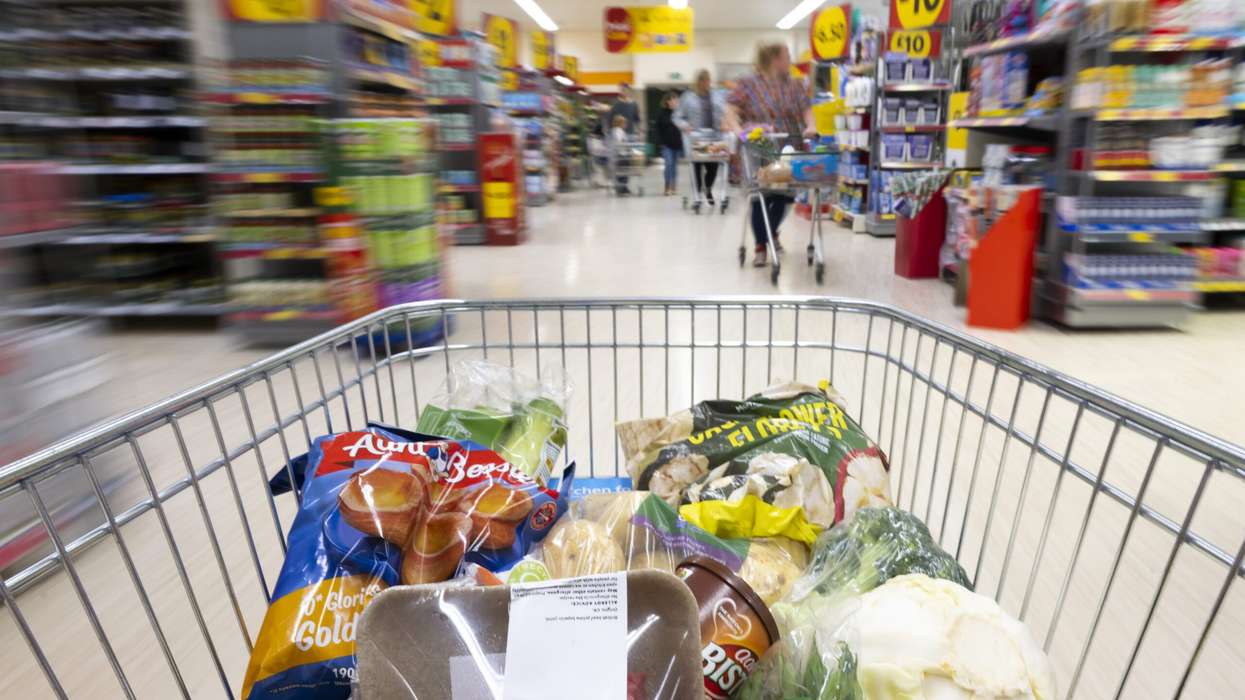
The Consumer Prices Index (CPI) rose by 2.8 per cent in the 12 months to April, down from 3.3 per cent in March, according to the Office for National Statistics (ONS).
Analysts had expected inflation to slow to 3.0 per cent in April.
“There was a notable fall in annual inflation led by lower electricity and gas prices,” ONS chief economist Grant Fitzner said.
“This was due to the government's energy bill support package, along with lower global wholesale energy prices before the conflict in the Middle East,” he added.
Analysts warned that inflation could rise again in the coming months after the US-Iran conflict pushed oil and gas prices higher.
Chancellor Rachel Reeves is expected to announce more support measures for households, including reports that she could cancel plans to raise fuel duties before the war.
“Over today and tomorrow, I'll set out the next phase of how we will support UK households,” Reeves said after the inflation report.
“The war in Iran is not our war but one we will need to respond to,” she added.
The move comes after the Labour government suffered losses to Reform UK and the Green Party of England and Wales in local and regional elections earlier this month.
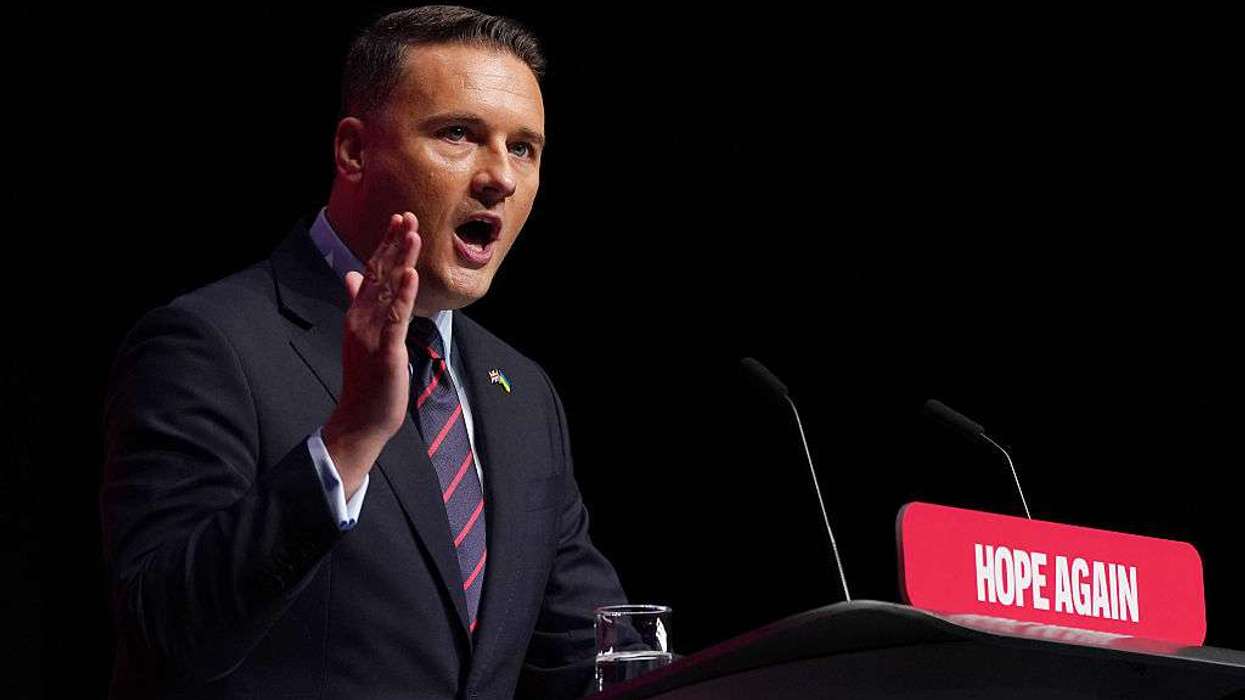
The results triggered a leadership challenge to prime minister Keir Starmer, with Wes Streeting resigning as health minister as he seeks to replace him.
Ruth Gregory, deputy chief economist at Capital Economics, said the fall in CPI inflation “feels like the lull before the storm”.
“We expect inflation to hover around three per cent until July,” she said.
Susannah Streeter, chief investment strategist at Wealth Club, said that while “the softer-than-expected inflation reading will come as welcome relief to policymakers and households... concerns remain that higher energy costs and geopolitical tensions could yet feed through”.
Concerns over another rise in inflation, after price increases linked to the Covid pandemic and Russia’s invasion of Ukraine, have pushed government bond yields higher globally.
The return on the 30-year US Treasury bond reached its highest level since 2007 on Tuesday, while UK rates have climbed to levels not seen for decades.
Consumer inflation also rose in April in both the United States and the eurozone, reaching 3.8 per cent and 3.0 per cent year-on-year respectively.