
- The Bank of England is reviewing earlier plans to cap how much stablecoin users can hold.
- Draft stablecoin regulations are expected to be released next month.
- Crypto firms say Britain risks falling behind other markets if rules become too restrictive.
The Bank of England is reconsidering parts of its proposed stablecoin restrictions after criticism from the crypto industry, signalling a possible shift in how Britain plans to regulate digital assets.
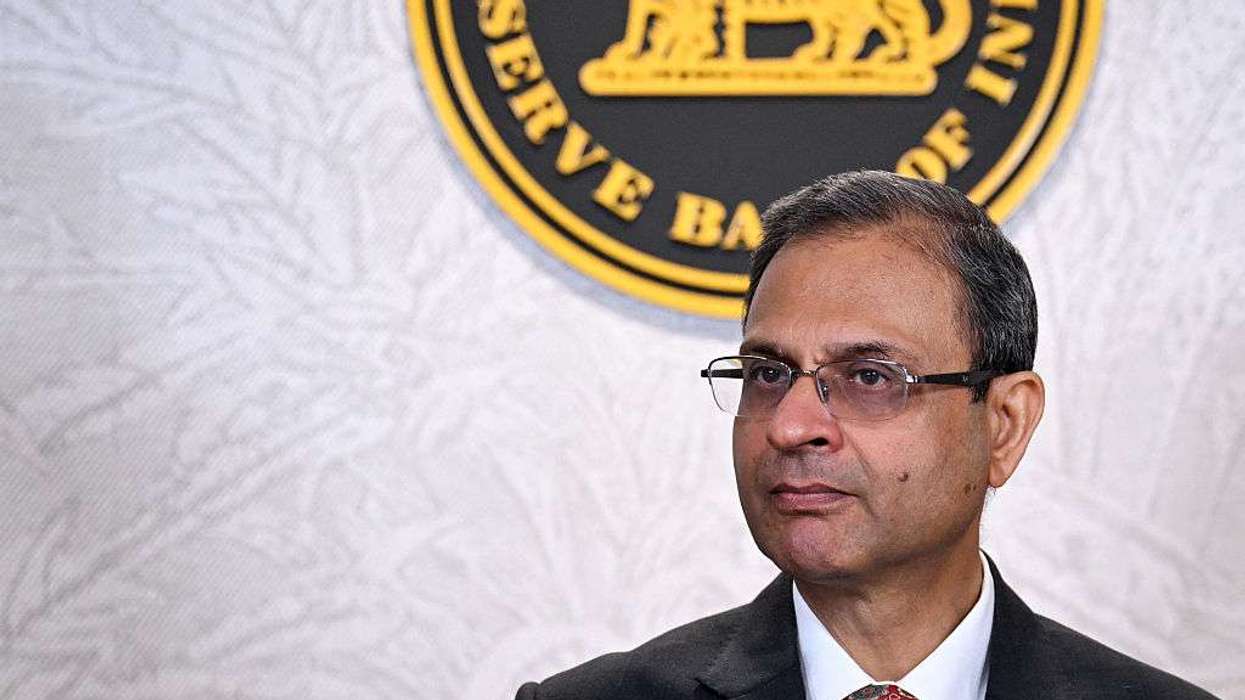
Speaking at CityWeek 2026, Deputy Governor Sarah Breeden reportedly said the central bank was now weighing alternatives to holding limits on stablecoins and could instead look at temporary caps on the total amount issued.
The move comes as the UK pushes ahead with plans to regulate stablecoins — digital tokens typically pegged to currencies like the US dollar or pound sterling amid growing competition between global financial centres to attract crypto businesses and investment.
The Bank of England had previously proposed limits of £20,000 per individual and £10 million per business for sterling stablecoins used in everyday payments. The proposal triggered pushback from the crypto sector, which argued the rules were among the toughest being considered anywhere in the world.
Breeden reportedly said issuance caps could potentially address concerns around financial stability at a lower cost to the sector compared with strict holding limits.
A balancing act between innovation and financial stability
Stablecoins are designed to maintain a fixed value and are increasingly being promoted as faster alternatives to traditional banking systems for domestic and international payments.
But regulators remain cautious.
The Bank of England has repeatedly warned that if large numbers of people moved money out of banks and into stablecoins too quickly, it could weaken banks’ ability to lend and create broader financial stability risks.
Officials fear that sudden shifts of deposits away from traditional banks during periods of market stress could increase pressure on the wider financial system and potentially reduce the availability of credit.
Breeden reportedly said the central bank was now exploring whether temporary issuance controls might be a less disruptive way to manage those risks while still allowing the market to develop.
The debate has become more urgent as the US moves faster towards crypto adoption under President Donald Trump, increasing pressure on Britain and Europe to ensure their own regulations remain competitive.
Katie Harries, head of policy for Coinbase in the UK, reportedly said issuance caps may prove “more workable” depending on how they are designed, but argued that other major jurisdictions were not currently considering similar restrictions on innovation.
Simon Jennings, executive director at the UK Cryptoasset Business Council, reportedly welcomed the Bank’s willingness to review alternatives but said future interventions should be guided by supervisory data rather than fixed limits introduced from the beginning.
Banks may still enter the stablecoin market
The Bank of England also indicated that traditional banks would still be allowed to issue stablecoins under specific conditions.
Breeden reportedly said banks could launch stablecoins through separate non-deposit-taking entities using distinct branding that could still reference the parent bank.
The approach appears aimed at creating a legal and operational separation between conventional banking activities and digital asset issuance while still allowing established financial institutions to participate in the market.
The Bank of England is expected to publish draft stablecoin rules next month and finalise the framework before the end of the year.
Breeden reportedly said the timeline was being aligned with developments in the US, suggesting British regulators are closely watching how Washington shapes its own crypto framework before locking in final rules.
For now, the latest comments suggest the Bank is trying to strike a careful balance — encouraging innovation in digital payments without opening the door to risks that could spill into the broader banking system.