
- RAF jets launched over fears of a “suspected Russian long-range bomber”
- Aircraft “remained outside British airspace” and was not intercepted
- UK warns Russia: “any attempt to damage” infrastructure will have “serious consequences”
RAF fighter jets were scrambled on Tuesday (14) after a suspected Russian aircraft approached UK airspace, in an incident that reflects growing military pressure around Britain.
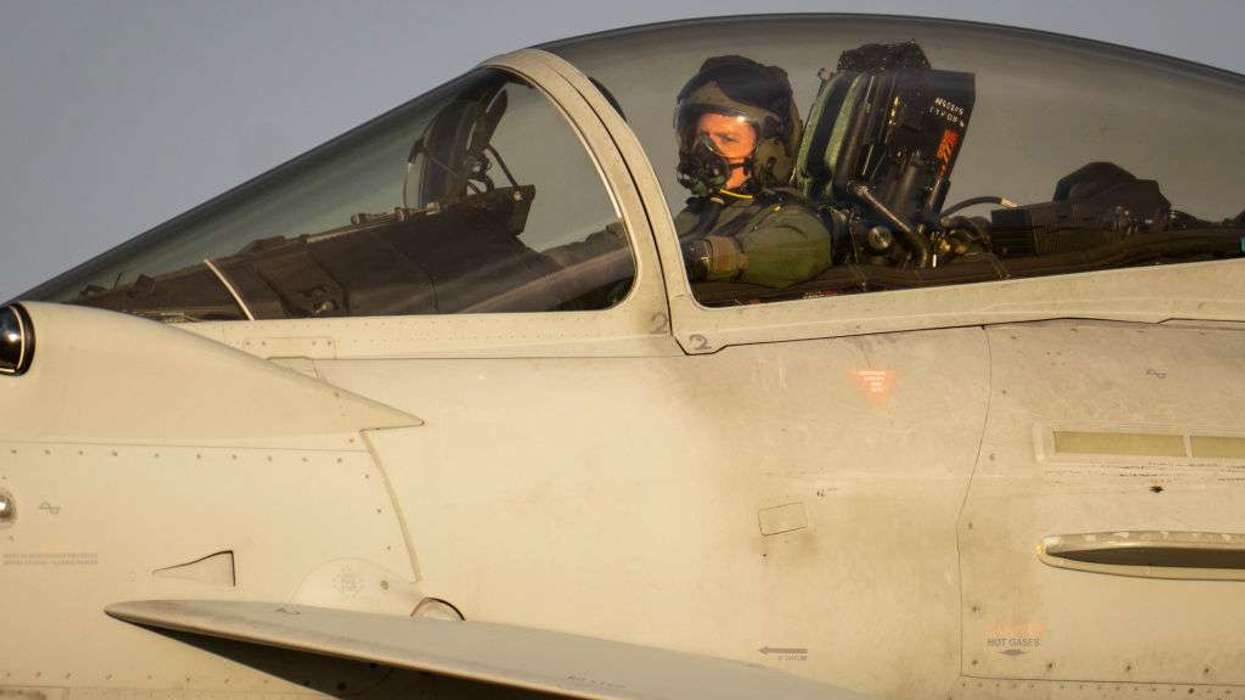
According to The Telegraph, two Typhoon jets were launched from RAF Lossiemouth over fears of a “suspected Russian long-range bomber” heading towards British-controlled skies. A Voyager refuelling aircraft was also deployed from RAF Brize Norton to support the mission.
The aircraft were sent towards Shetland, where they were tracked on radar “circling nearby”. However, the suspected Russian warplane “remained outside British airspace and did not need to be intercepted”, the report said.
Defence sources told the newspaper that the operation formed part of a wider Nato response to monitor Russian activity in the region.
The episode comes amid a series of moves by Moscow close to the UK. In recent weeks, warships, submarines and sanctioned oil tankers have passed near British waters, raising concerns among defence officials.
In one instance, a Russian frigate escorted two sanctioned tankers through the English Channel. The operation was shadowed by a British naval vessel, with the ships passing along the south coast.
Attention has also focused on activity beneath the sea. Defence Secretary John Healey said the UK had monitored a Russian submarine and two specialist vessels operating near critical infrastructure in the North Sea.
He said the submarine acted as “a decoy”, while the other vessels spent time over key cables and pipelines. He added: “We see you, we see your activity over our cables and our pipelines.”
Healey warned that “any attempt to damage them will not be tolerated and will have serious consequences”, although he said he was “confident” no infrastructure had been harmed.
Russian long-range aircraft approaching UK airspace have previously triggered RAF responses, underlining ongoing tensions and the need for constant monitoring of Britain’s skies and waters.