
Highlights
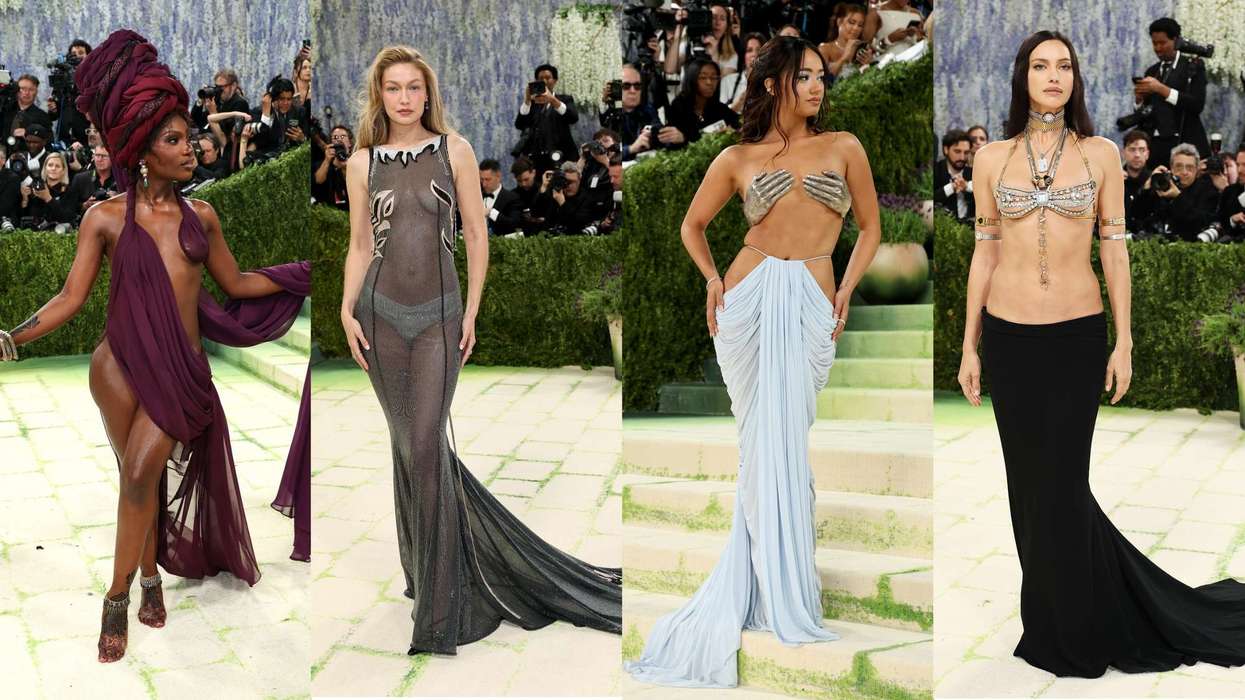
- The naked dress emerges as a dominant trend across the 2026 carpet
- Sheer layering and sculptural illusion reshape ideas of exposure
- The “Fashion Is Art” theme reframes the look as concept-driven rather than provocative
Rethinking exposure on the red carpet
The naked dress has long been part of red carpet dressing, but at the 2026 Met Gala it took on a more considered role. Rather than relying purely on transparency, designers approached the idea through construction, layering and illusion.
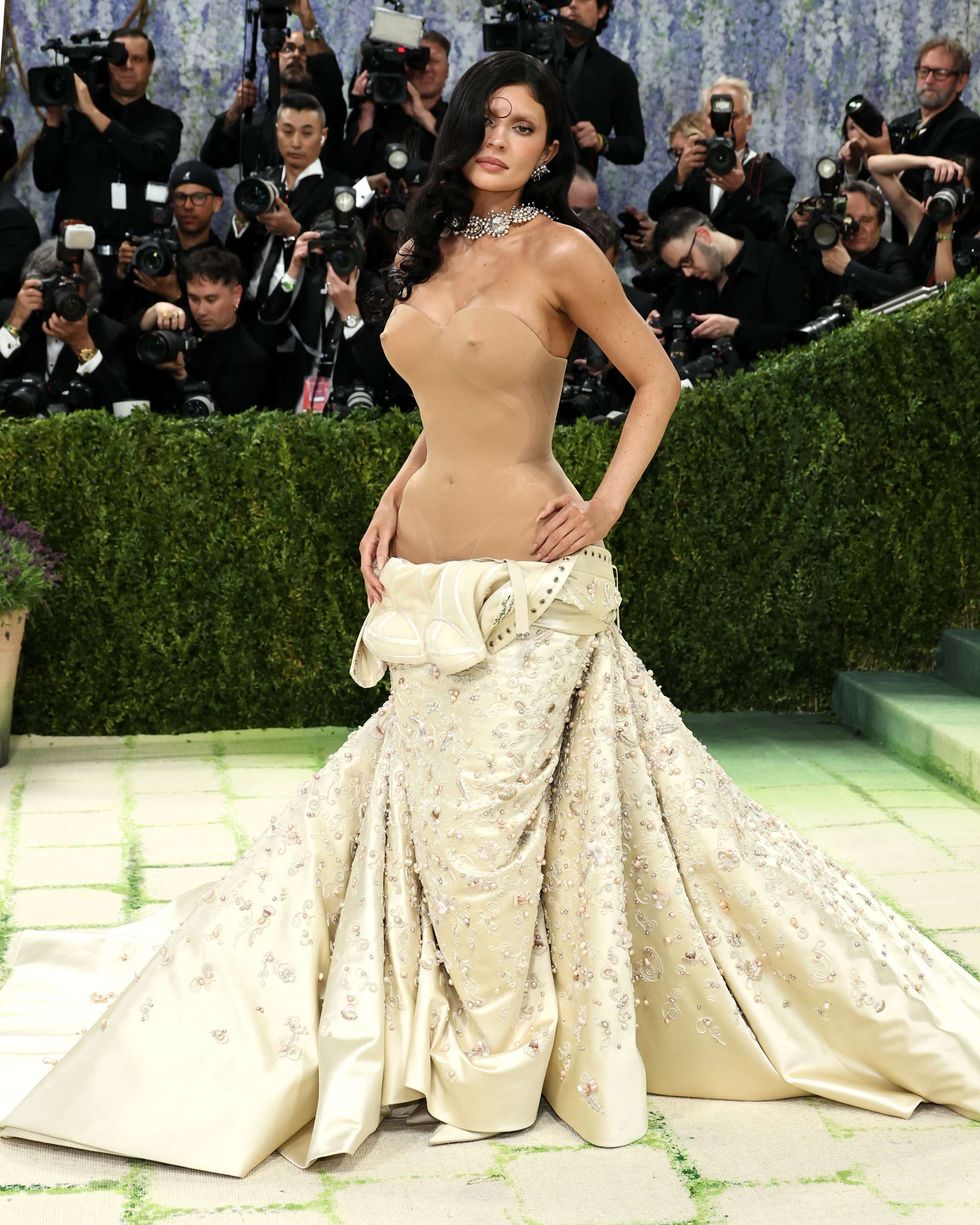 Kylie Jenner Getty Images
Kylie Jenner was among those who leaned into this shift, wearing a look that balanced sheer elements with structure. The result felt controlled rather than overt, aligning with the exhibition’s focus on how clothing interacts with the body.
From sheer to sculptural
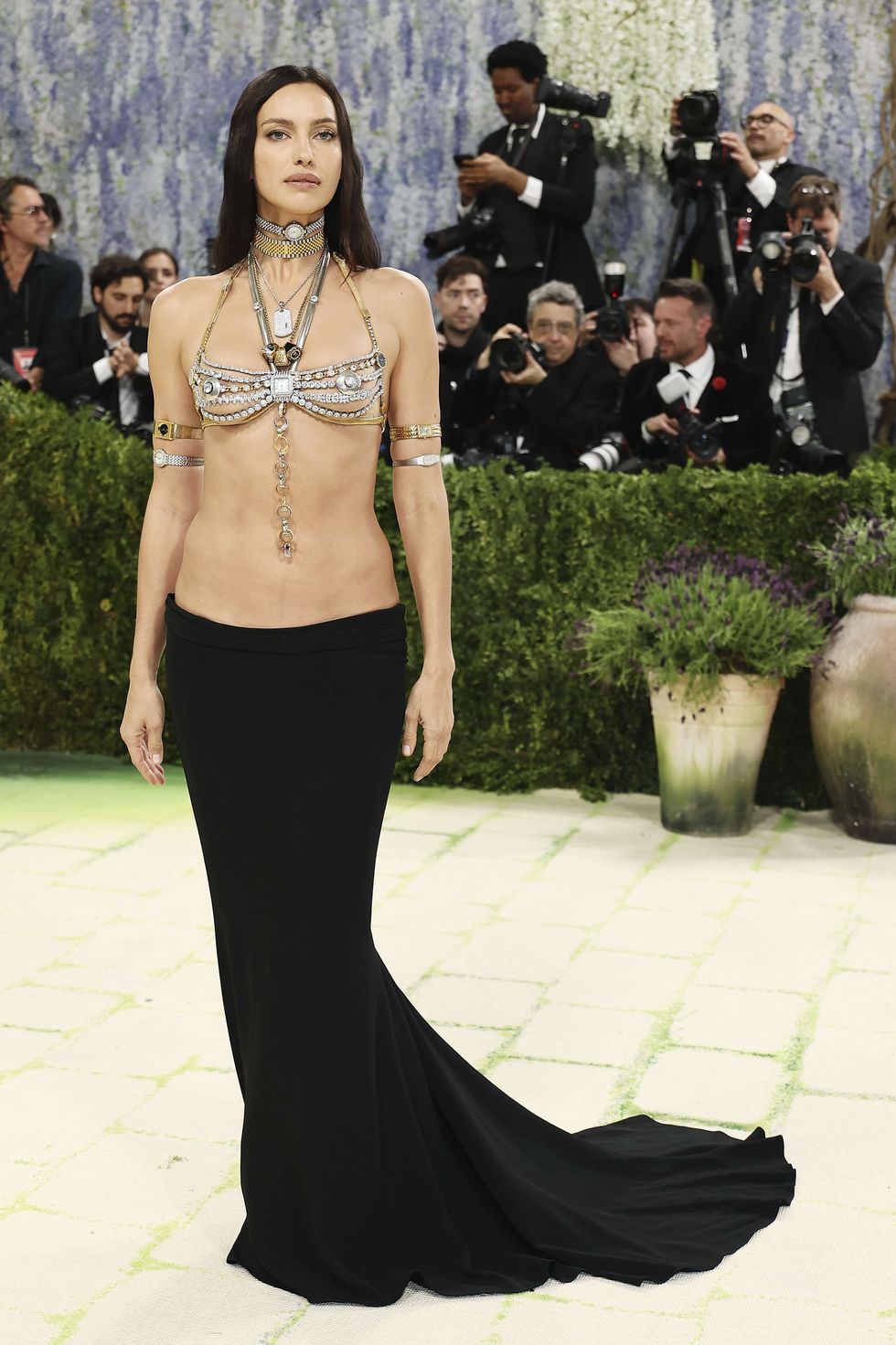 Irina ShaykGetty Images
Across the carpet, the trend moved between minimal coverage and sculptural interpretation. Irina Shayk opted for a design that used sheer fabric to emphasise form, while maintaining a sense of precision in its cut.
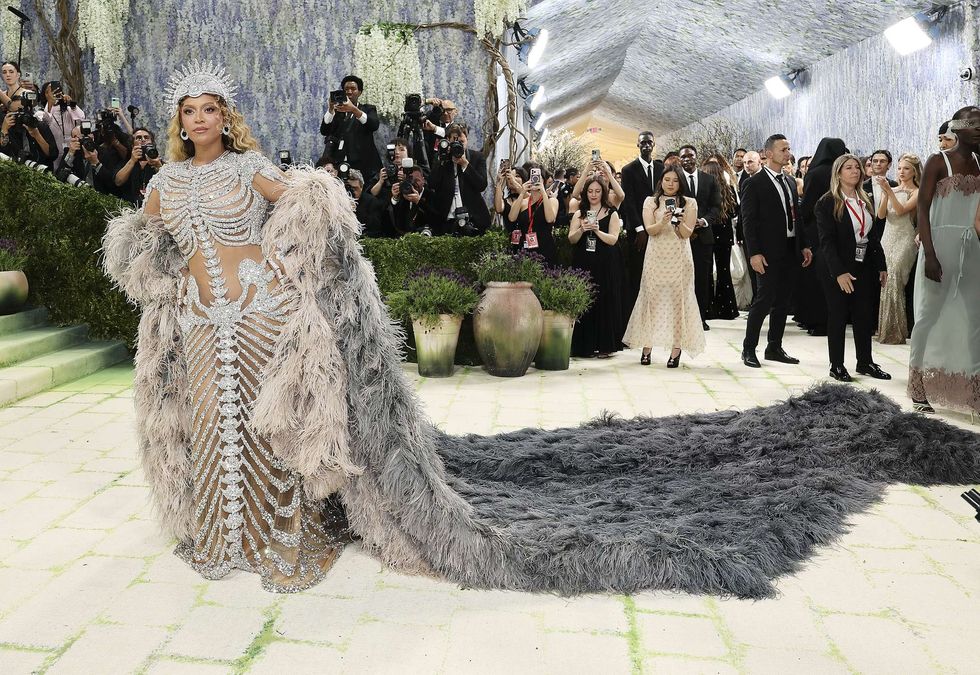 BeyoncéGetty Images
Beyoncé approached the look with a similar balance, where transparency was offset by detailing that grounded the outfit. In each case, the naked dress was less about exposure and more about how the body is framed.
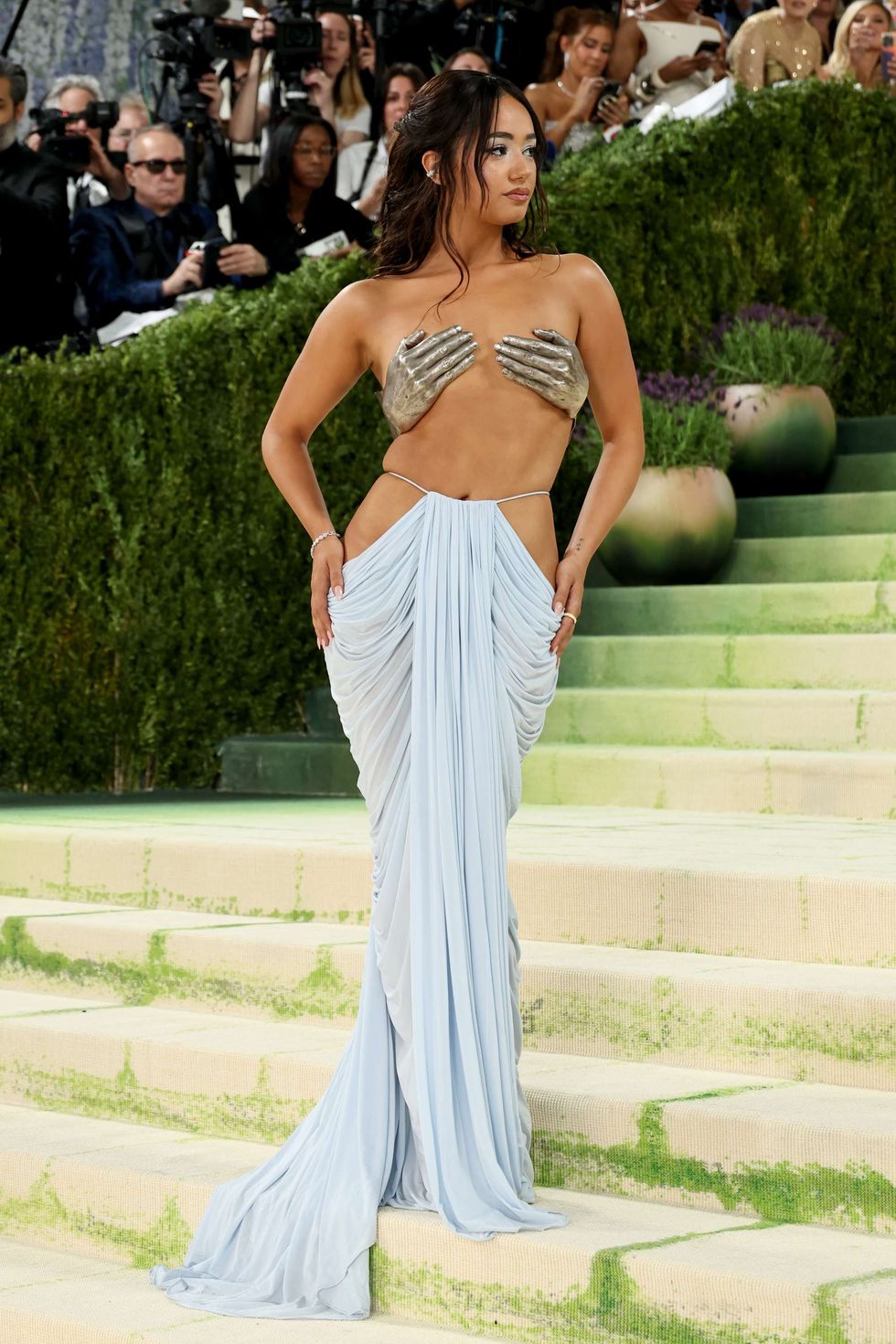 Lena Mahfouf Getty Images
A wider shift across the carpet and after-parties
The naked dress was not confined to a handful of headline appearances. Across the evening, a broader group leaned into sheer and illusion dressing. Lena Mahfouf wore Burc Akyol, while Ashley Graham opted for Di Petsa with Zales.
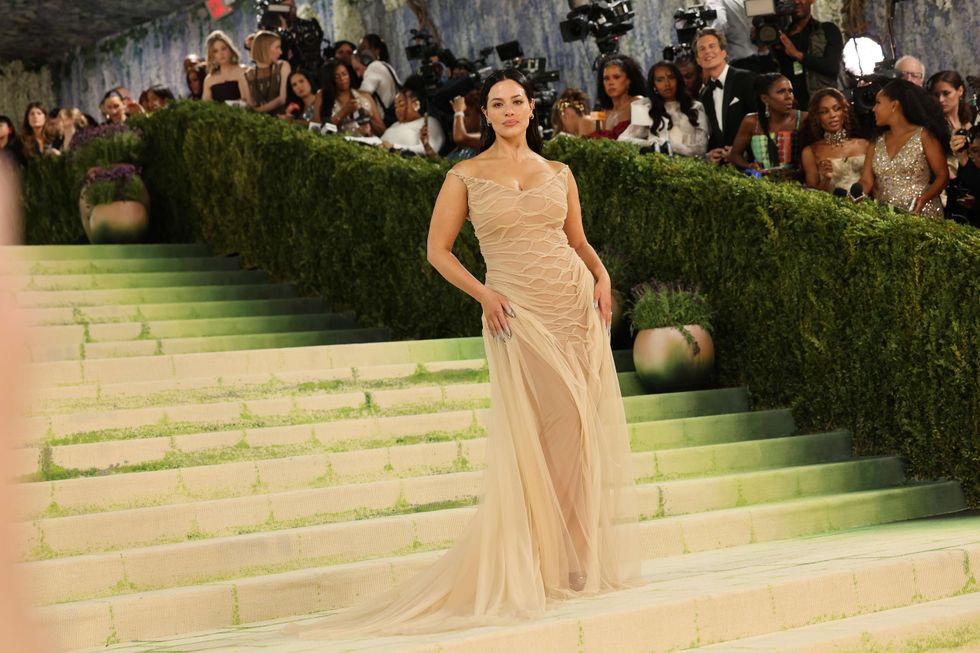 Ashley GrahamGetty Images
Joey King and Gigi Hadid both appeared in Miu Miu, as Gabrielle Union chose Michael Kors and Alex Consani wore Gucci.
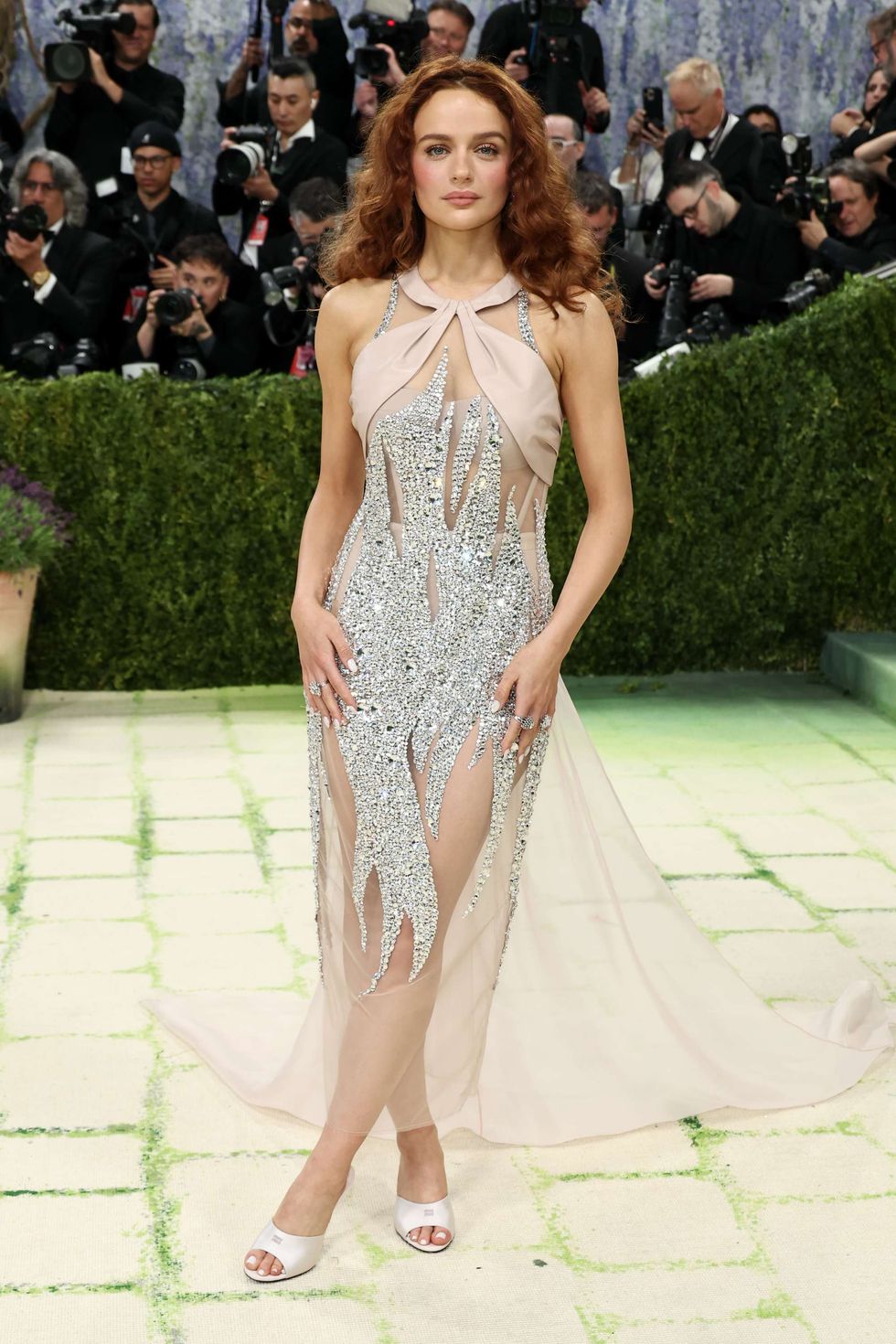 Joey King Getty Images
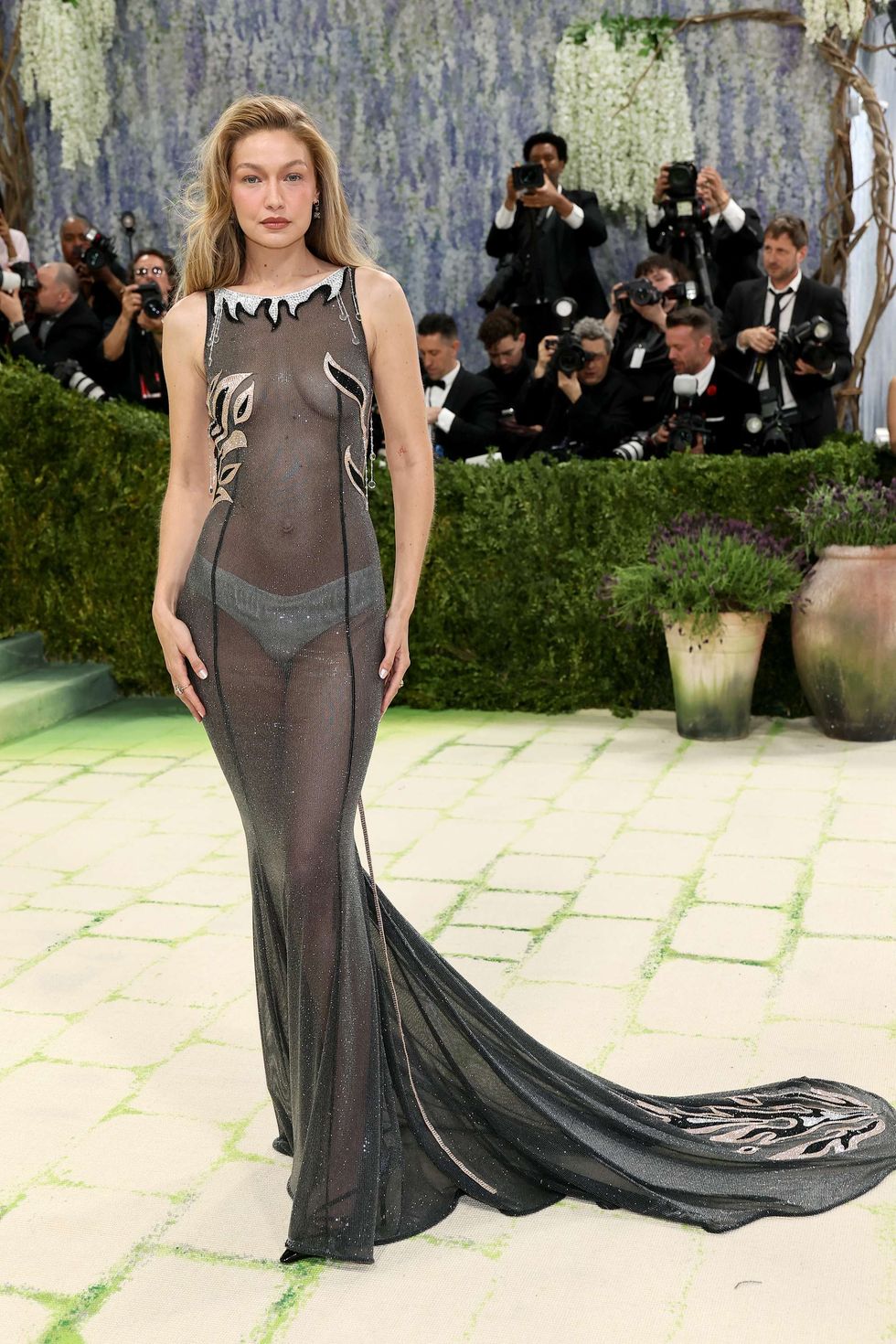 Gigi Hadid Getty Images
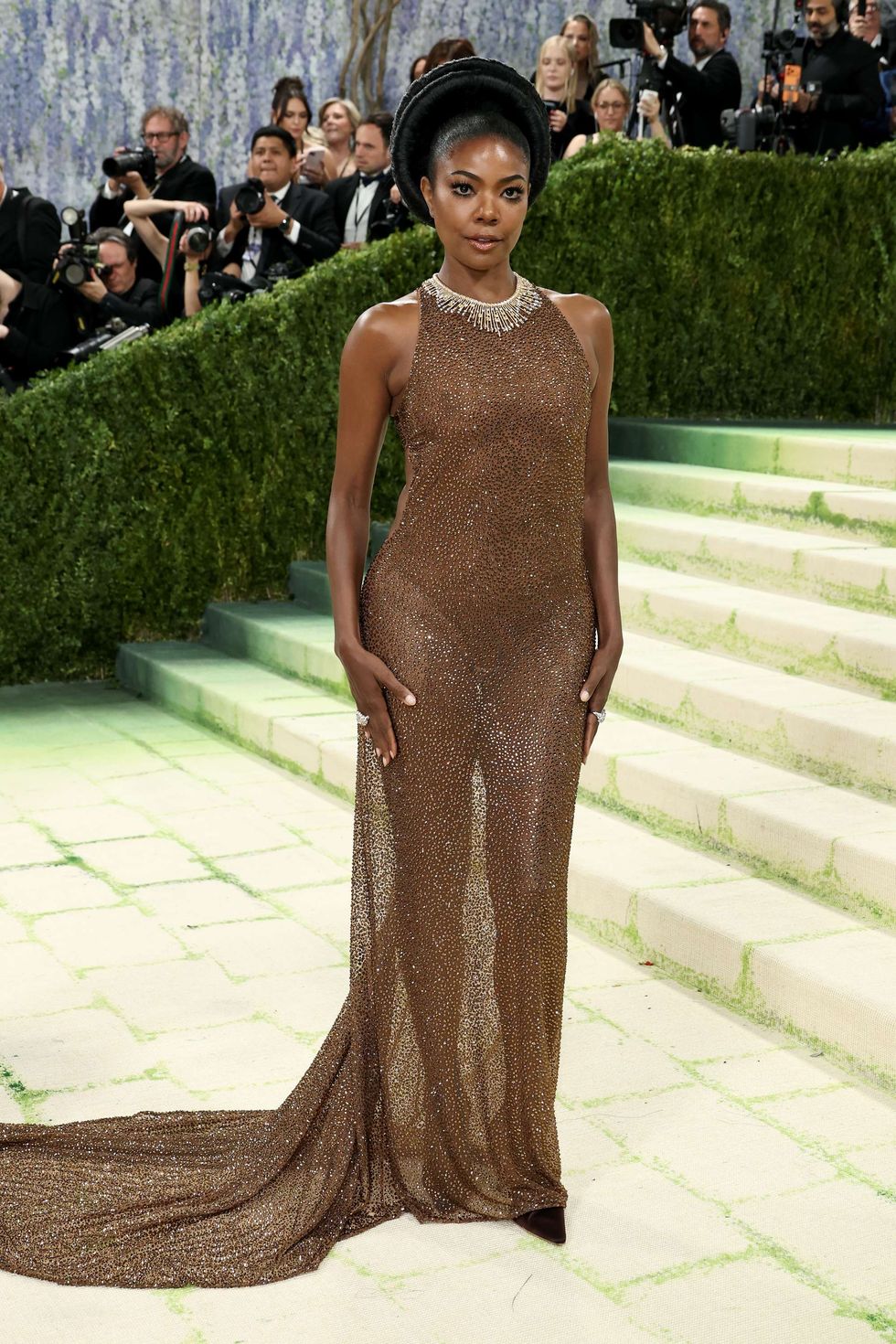 Gabrielle UnionGetty Images
Doechii also embraced the look on the main carpet, while the theme carried into the after-parties, where Kendall Jenner continued the shift towards lighter, more revealing silhouettes, reinforcing the sense that this was a defining direction rather than an isolated styling choice.
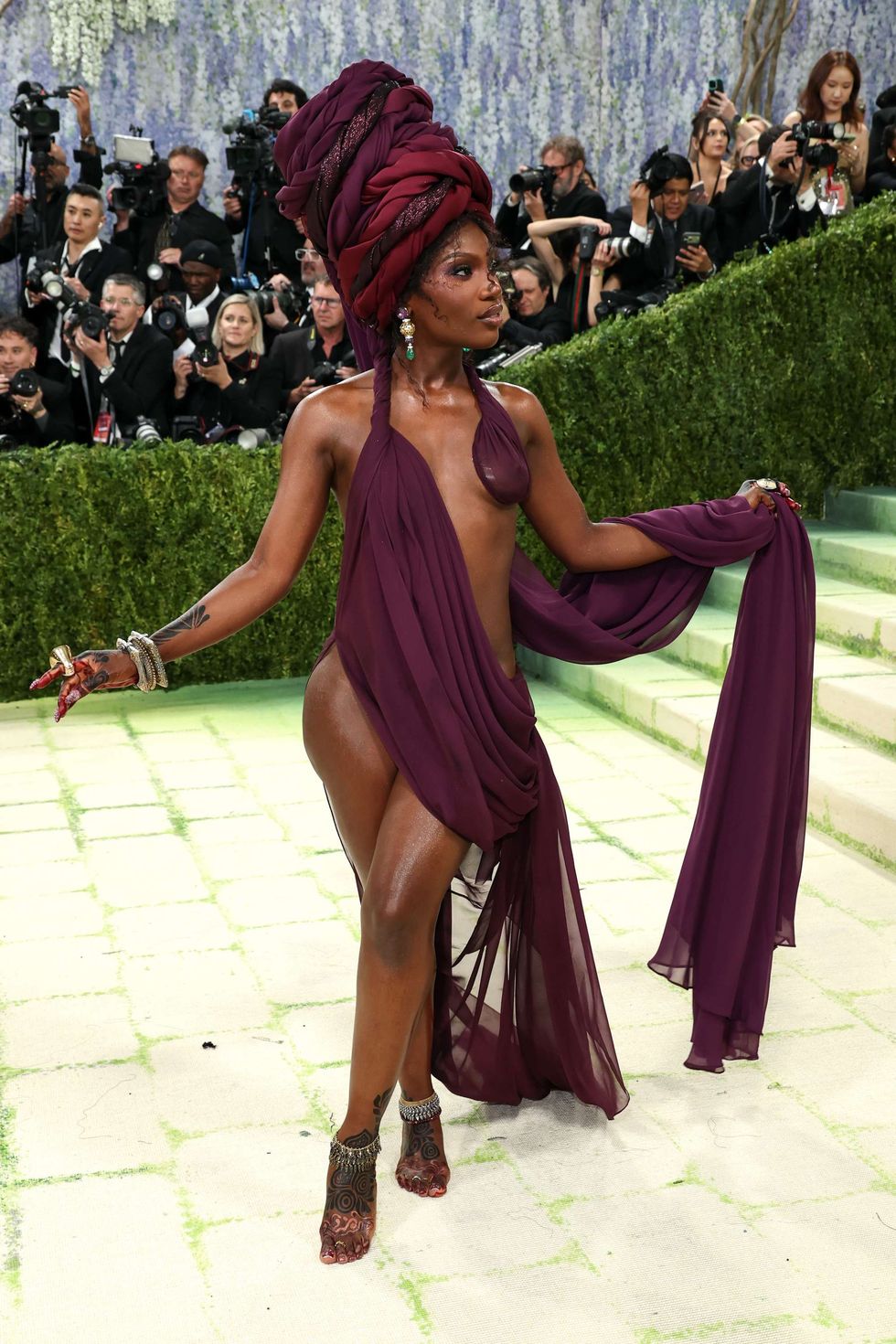 DoechiiGetty Images
Fashion as illusion, not absence
What stood out this year was the shift in intent. The naked dress was not treated as absence of clothing, but as a constructed idea. Layers, textures and careful placement created the illusion of bareness while maintaining the integrity of couture.
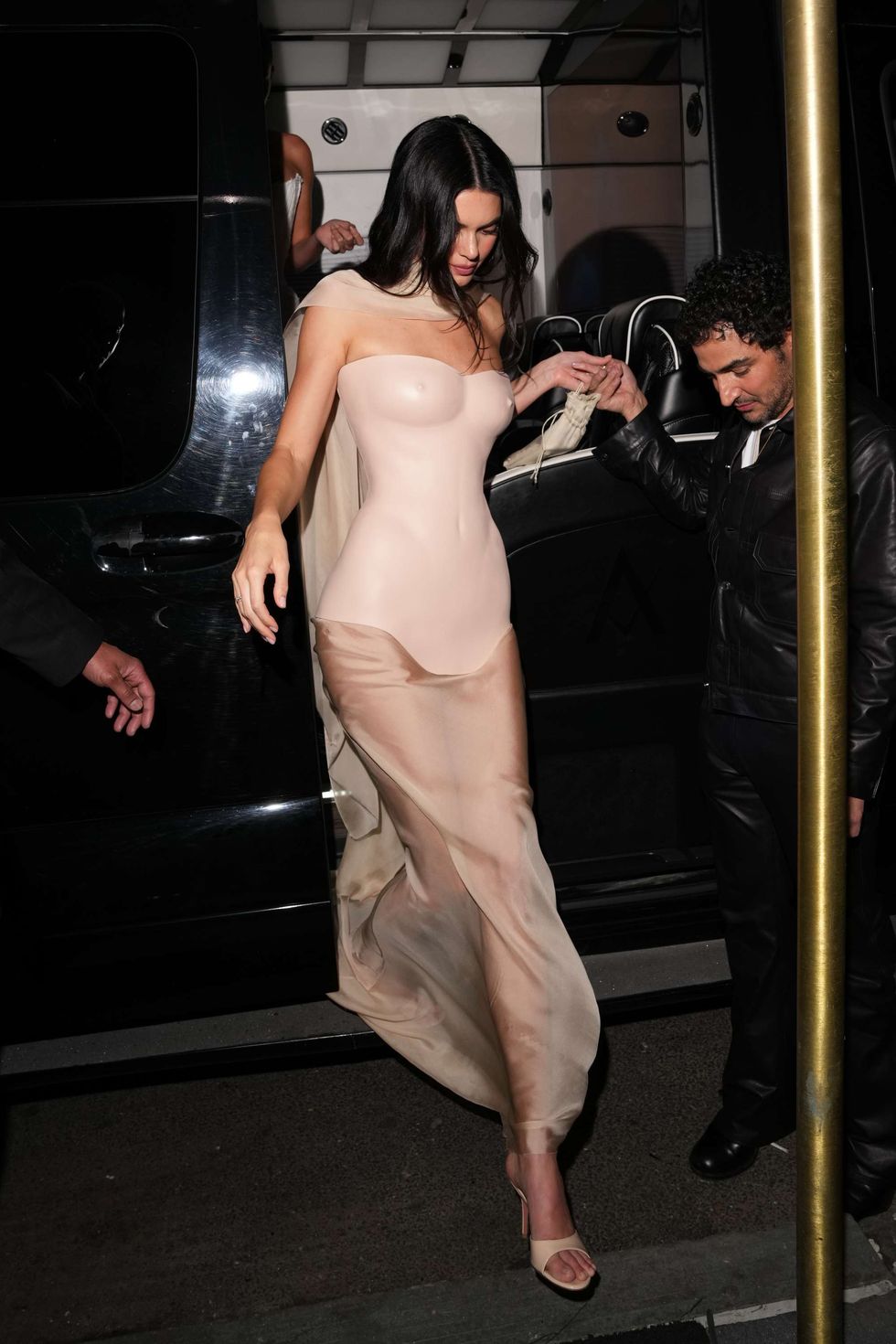 Kendall Jenner Getty Images
Set within the “Costume Art” exhibition at the Metropolitan Museum of Art, the trend reflected a broader exploration of the body as both subject and canvas. In that context, these looks moved beyond provocation, positioning the naked dress as part of a larger conversation between fashion and art.