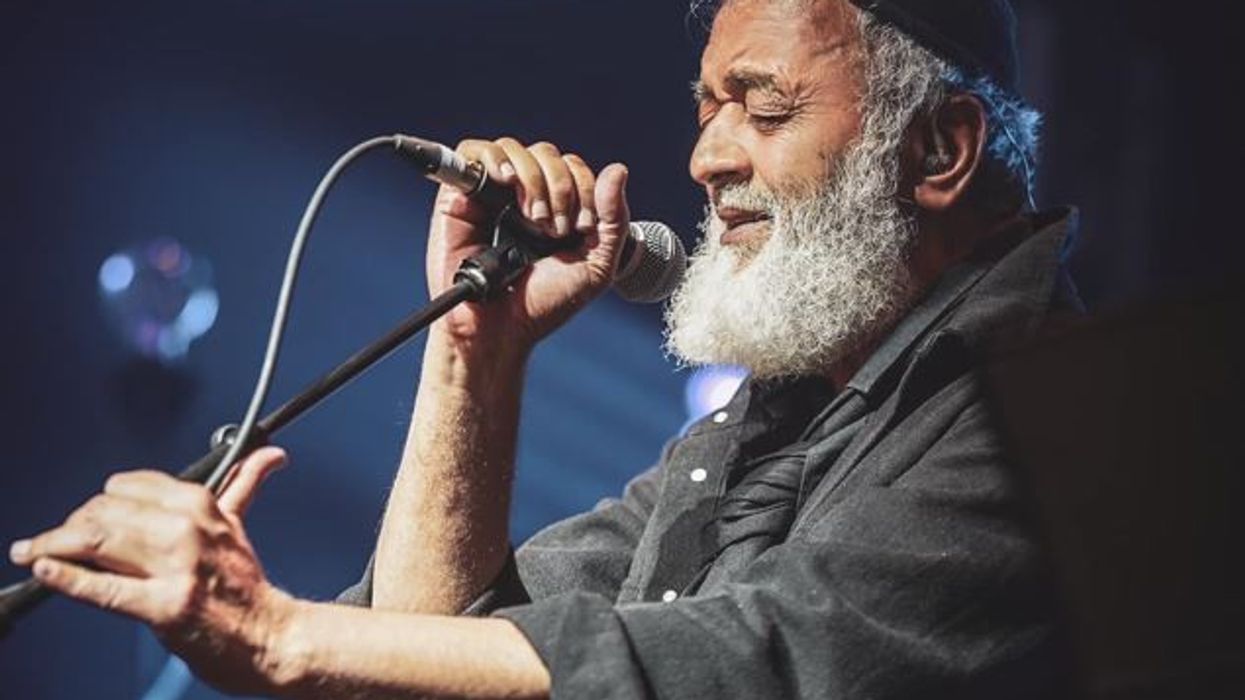

THERE is no denying that Lucky Ali is one of the finest music talents India has produced, but he is also someone who hasn’t delivered nearly enough songs or live performances in recent years. While on one side, it has left his fans frustrated, but at the same time given him a kind of mythical quality. That is why his recent concert at Indigo at O2 Arena in London was always going to be intriguing.
After a 20 minute delay the singer, songwriter and composer took to the stage to present his wide array of hits, from pop albums to film soundtracks. His 1996 star-making song Oh Sanam received the most positive response, with the whole auditorium singing along and demanding he perform it again. His iconic Kaho Naa Pyaar Hai songs Na Tum Jaano Na Hum and Ek Pal Ka Jeena, appearing at the beginning and end, also received a rousing response. The 2002 Sur – The Melody of Life film song Aa Bhi Jaa Aa Bhi Jaa also had the entire audience singing along. A fantastically talented group of musicians added a new dimension to his various pop and film tracks. A massively enthusiastic audience, who were clearly die-hard fans, elevated the performance with their electric energy, which included singing along at every given opportunity. What prevented this concert from being a landmark musical moment was sound issues in the first half, with Lucky Ali’s microphone just not being loud enough, which meant his smooth vocals were often drowned out by the musicians. Too many musical breaks within songs also meant audiences perhaps didn’t hear as much singing as they deserved.
At a time when most concerts last three hours, his set lasted just over an hour and a half. It ended up being a good performance that could have been so much more. A little like his career.

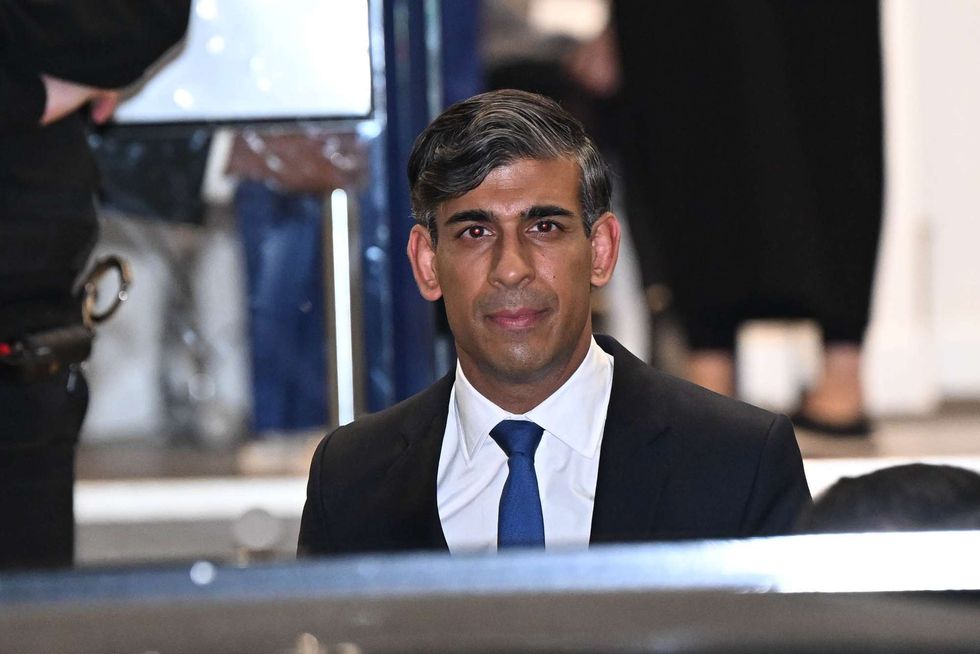 Rishi SunakLeon Neal/Getty Images

