
Leading hate crime expert Dr Chris Allen has said that he is stepping down from leading the study into communal clashes in Leicester as he is not sure to do the review that meets the necessary levels of academic scrutiny, media reports said.
He added that he is not confident that the team can undertake independent and impartial research as the scenario lacks 'academic objectivity and rigour'.
"In the current climate, I do not believe that it is possible for me to do so in an impartial way and so it is in the interests of the city and the need to find ways to a resolution that I have decided to stand down," he is reported to have said.
"It is important to stress that my decision was not made in response to the unprecedented levels of hate that has been directed towards me in recent weeks or the spurious allegations circulating on social media."
Dr Allen, Associate Professor in Hate Studies at the University of Leicester, was appointed on October 26 to head the inquiry into violent confrontations between Hindu and Muslim groups in September.
Last month, a group representing Hindu and Jain temples boycotted the study saying that the expert lacks integrity and is not impartial.
Dr Allen's background in Islamophobia research, according to its spokeswoman Sanjiv Patel, disqualified him for the study.
Leicester mayor Sir Peter Soulsby, who commissioned the review, said that Dr Allen was abused online following his appointment. He added that he understands the expert's decision.
Sir Peter said: "I do think it's important to proceed with a review, and will be taking soundings locally and nationally as to whether any individual or organisation could take it forward in a way that has the confidence of all parties concerned."
A University of Leicester spokesperson said that t was troubling to witness the unjustified abuse Dr Allen was receiving online and the potential impact it may have on his research team.
"Our academic staff has the right to conduct research work in accordance with their professional responsibilities and according to nationally and globally recognised professional principles, free from any undue interference or suppression," the institution said.
Earlier, local councillor Deepak Raj said that the review panel should be appointed in consultation with the local police and the central government with approval from the councillors.
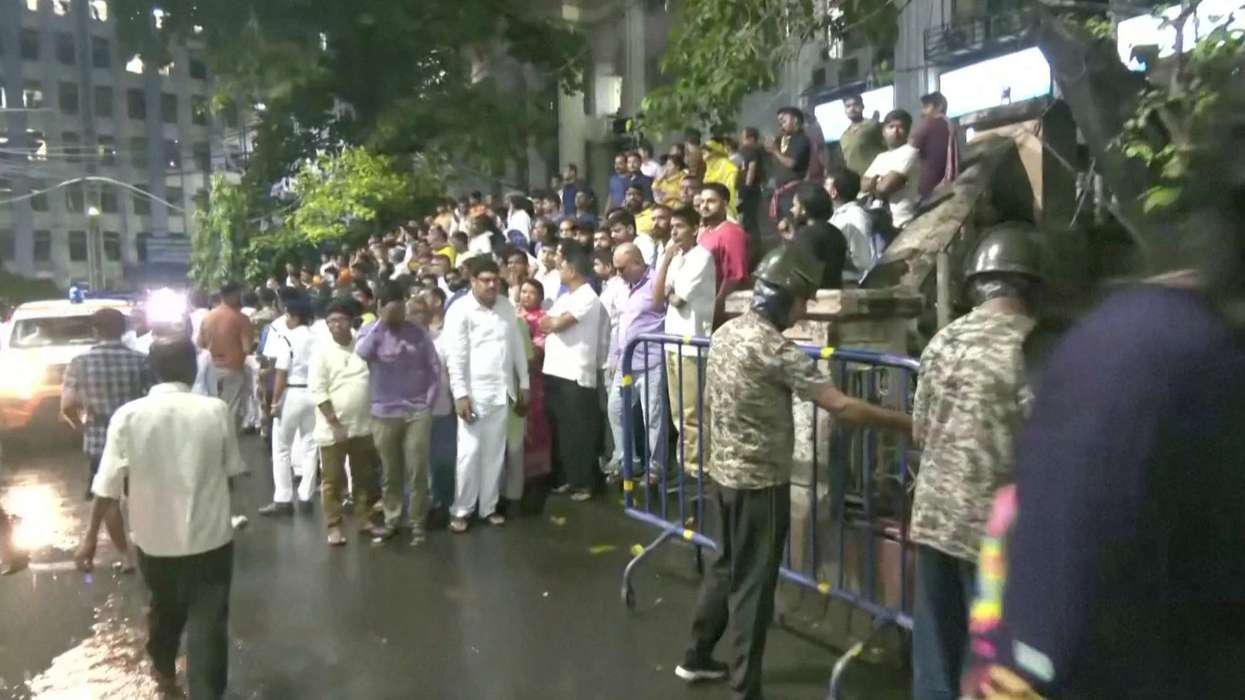
As many as 61 arrests were made in the wake of the violence and disorder involving members of Hindu and Muslim communities in Leicester between August and September 2022. Tensions erupted after a cricket match between India and Pakistan played in Dubai on August 28.
Reports said that police investigation into more than 150 incidents in connection with the violence is still ongoing.