
Highlights
- Mahesh Babu calls Varanasi his most physically demanding project to date
- Actor trained in Kalaripayattu for three months to achieve the bearing of Lord Ram
- SS Rajamouli explains why the epic is being shot in IMAX
Months of preparation for Rajamouli’s vision
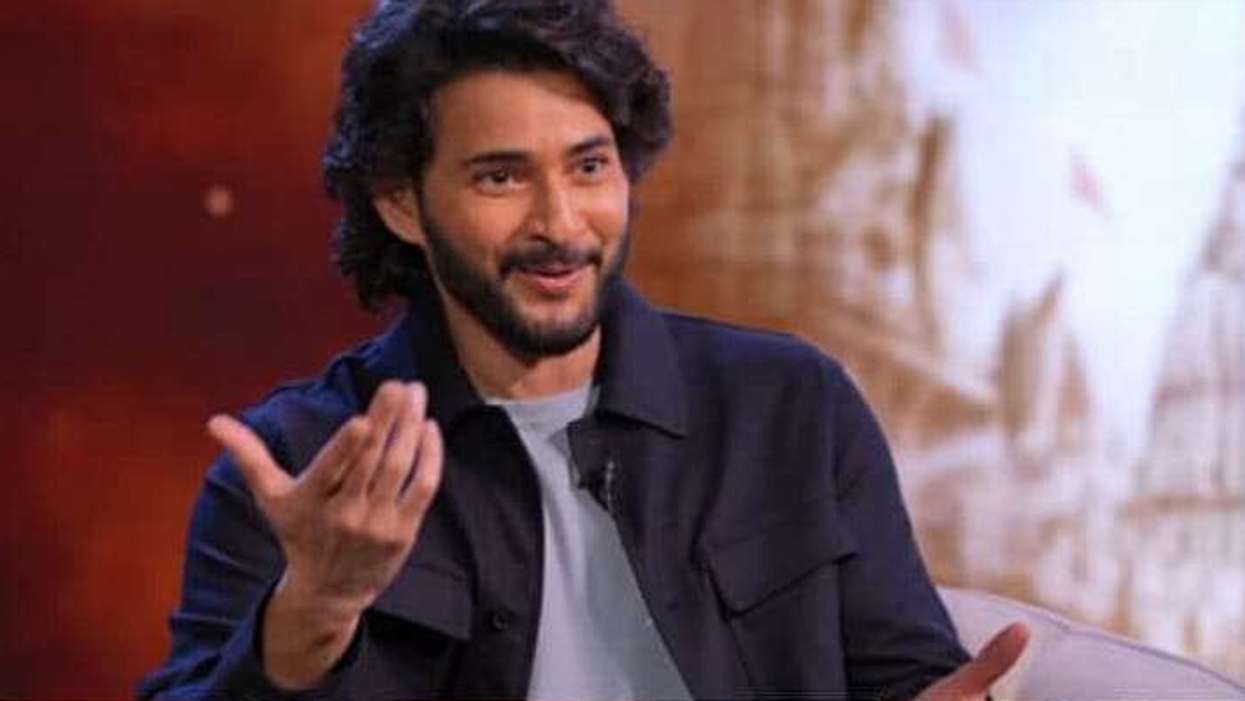
SS Rajamouli’s insistence on precision meant Mahesh Babu underwent an unusually rigorous physical transformation for Varanasi. The actor plays a dual role — the mortal Rudhra and Lord Ram — and has described the experience as the toughest challenge of his career. His preparation included six months of track-and-field training and nearly 90 days learning Kerala’s ancient martial art, Kalaripayattu.
Kalaripayattu and the discipline of posture
Speaking about the process, Mahesh Babu said the martial art fundamentally altered the way he carried himself on screen. The training, initially planned for six weeks, was eventually extended to three months, with daily 90-minute sessions focused on balance, control and flexibility.
Kalaripayattu trainer Hari Krishna explained that the emphasis was on traditional vadivu postures such as mayura vadivu, which demand stability and body awareness. “The sessions were designed to improve agility and overall conditioning,” he said, adding that posture was central to the actor’s transformation.
‘You can’t stand like a modern character’
Mahesh Babu noted that portraying Lord Ram required a distinct physical bearing. “You can’t stand like a modern character,” he said, explaining why posture became as important as performance. Alongside Kalaripayattu, he trained with a track-and-field team for six months — even though only two shots from that preparation made it to the final cut. “That was the level of commitment I brought to the role, and it was totally worth it,” he added.
Why Varanasi is being shot in IMAX
Rajamouli also shed light on the decision to shoot Varanasi in IMAX. According to the filmmaker, the scale of the story — which spans multiple realms — demanded a format that could capture its visual ambition. He pointed out that the Ramayana sequences and the Antarctica portions are vertically expansive, making IMAX the most suitable choice to convey their grandeur.