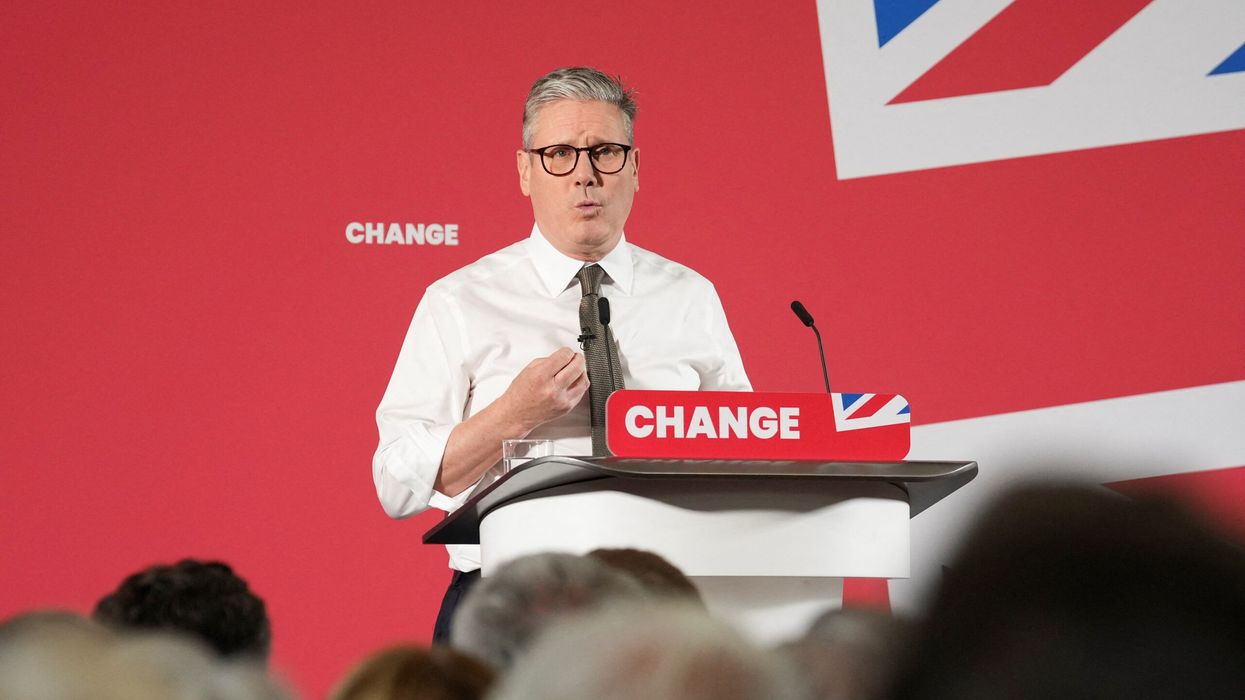

PRIME MINISTER Keir Starmer said on Monday he would not have appointed Peter Mandelson as UK ambassador to Washington had he known the extent of his links with convicted sex offender Jeffrey Epstein.
This was Starmer’s first public statement since dismissing Mandelson last week. The prime minister is facing questions over his judgement, including from Labour MPs, after initially standing by Mandelson before removing him from the post.
Starmer, who has faced negative coverage since taking office in July 2024, defended the appointment process. He said Mandelson had been properly vetted at the time.
"Had I known then what I know now, I'd have never appointed him," Starmer told broadcasters.
Mandelson was dismissed after emails showed he had urged Epstein to "fight for early release" shortly before Epstein was sentenced in 2008 to 18 months in prison for procuring a child for prostitution.
Some Labour MPs have questioned why Mandelson was chosen despite his long-standing friendship with Epstein, which continued after the conviction.
The government also faced scrutiny over why Starmer expressed "confidence" in Mandelson last week, when Mandelson had already admitted that "very embarrassing" messages were about to become public.
The dismissal followed the resignation of Angela Rayner as deputy prime minister less than a week earlier, after she admitted underpaying property tax.
Both departures came soon after Starmer relaunched his government in an attempt to recover ground from Reform UK, the party led by Nigel Farage that has been leading national opinion polls for months. The next general election is not expected until 2029.
Labour MP Helen Hayes told BBC radio that questions about "the nature of the leadership" would arise if Labour performs badly in the May 2026 local elections.
Another Labour MP, Graham Stringer, told Times Radio that Starmer is "supping in the last-chance saloon," and that many in the party think he is "making mistakes and doing poorly at the job."
Asked on Channel 4 News whether he would resign if the party believed it was necessary, Starmer replied: "No, because I'm absolutely clear what the task is in front of me."
"We have a crossroads, really, in terms of the future of this country. We go forward with Labour for national renewal, a patriotic call about this country and taking this country forward, true patriotism, or we have division and decline under Reform," he said.
On Monday, the government faced another setback when senior aide Paul Ovenden resigned after comments he made in 2017 about Diane Abbott, Britain’s first black woman MP, resurfaced.
(With inputs from agencies)