
Highlights
- Computer identifies new Anne Boleyn portrait in Hans Holbein collection.
- Technology matched faces using family similarities with Elizabeth I.
- Art historians strongly dispute the findings.
The discovery has sparked fierce debate between scientists and art historians about whether technology can solve old mysteries.
Computer finds hidden portrait
The research team used facial recognition software on a collection of Tudor drawings by artist Hans Holbein the Younger.
These sketches are kept by the Royal Collection Trust. The computer compared faces in all the drawings, looking at features like eyes, nose and chin.
Professor Hassan Ugail, an expert in visual computing, led the study. "What we are looking at is a bunch of drawings, and then we are comparing these drawings through a machine-learned algorithm," he explained.
The system took digital copies of all drawings and compared them one by one.
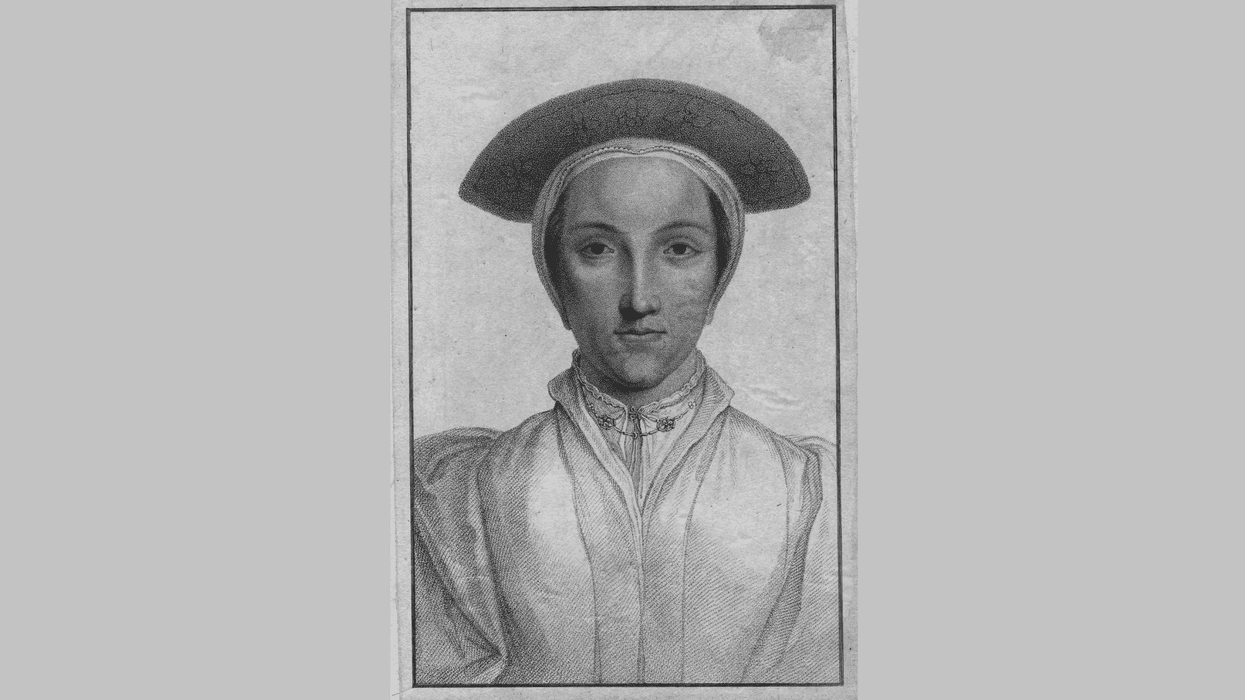
The team found something surprising. A drawing labelled "unidentified woman" for hundreds of years might actually be Anne Boleyn. Meanwhile, the sketch with her name on it might show someone else possibly her mother, Elizabeth Howard.
This challenges what many art historians have believed for years. The labelled sketch has long been accepted as Boleyn's portrait, even though questions existed about certain details.
The woman in it has light-coloured hair and a full chin. But historical records describe Boleyn as having dark hair and a thin neck. She is also wearing informal dress in the sketch.
How the research worked
How did they work this out? The researchers compared the drawings to portraits of Boleyn's daughter, Queen Elizabeth I, and her cousins. They looked for family resemblance—the way you might notice you have your parent's eyes or nose.
"They cluster," said Karen Davies, who worked on the study. This means the faces matched in specific ways that suggest family connections. Drawings of people not related to Boleyn did not show these patterns.
The algorithm gives a percentage score showing how alike two faces are. Higher scores mean stronger resemblance. By comparing these numbers, the team built what they call a visual family tree.
Davies has been fascinated by Boleyn since childhood. She now works as a cleaner to fund her passion for historical research. One day while cleaning a client's house, she mentioned her project.
They put her in touch with Professor Ugail. "If evidence can be tested, then it should be tested," Davies told BBC.
The research has been peer reviewed, meaning other scientists checked it carefully before publication.
Many art historians are not convinced by the findings. Dr Bendor Grosvenor, an art historian, called the research "a load of rubbish." He says the methodology is flawed and questions whether old drawings can be studied like modern photographs.
"I think, academically, I would describe it as a load of old phooey," Grosvenor told BBC. He believes many of his colleagues are too nervous to speak out against the findings.
Professor Ugail believes this technique could be used on other artworks to solve similar mysteries.
The debate highlights a bigger question: can modern technology answer questions that have puzzled experts for centuries? Or does it create new confusion?
What everyone agrees on is that Anne Boleyn's story continues to fascinate people. "The incredible emotional tragedy of her life is this story that people want to revisit," told Dr Bolland to BBC. "There is this curiosity and I think that drives ongoing research."
Whether facial recognition technology has truly solved the mystery or simply added another chapter to it remains to be seen.

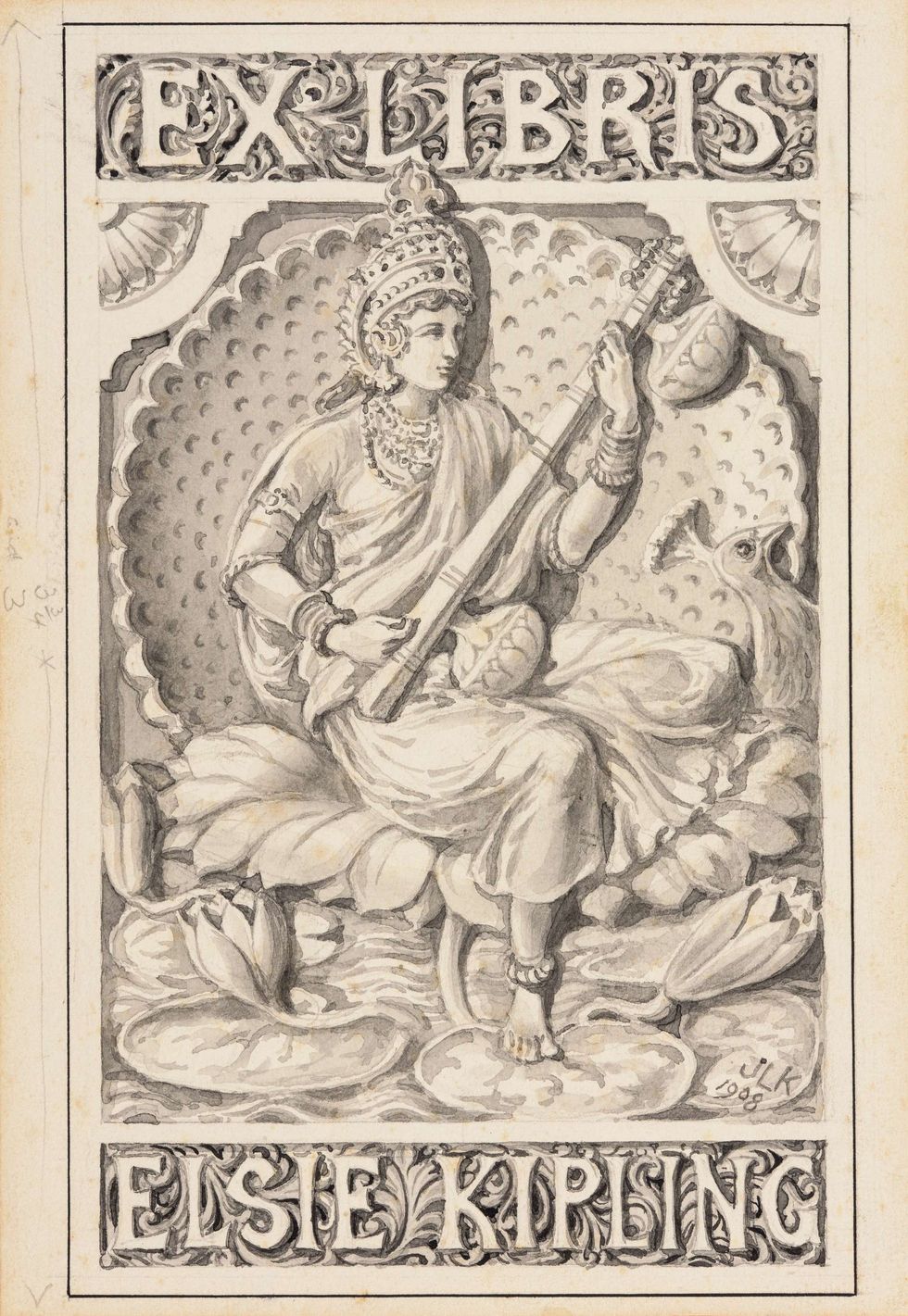 A bookplate of Saraswati by John Lockwood KiplingNational Trust/John Hammond
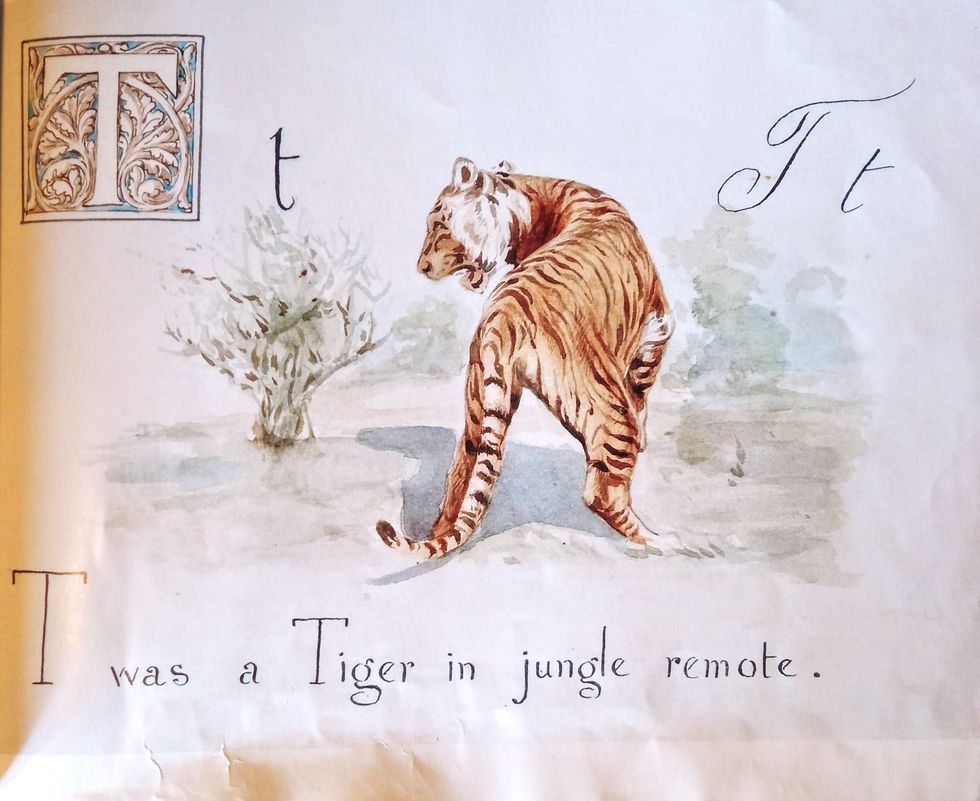 Lockwood’s tiger drawingAmit Roy
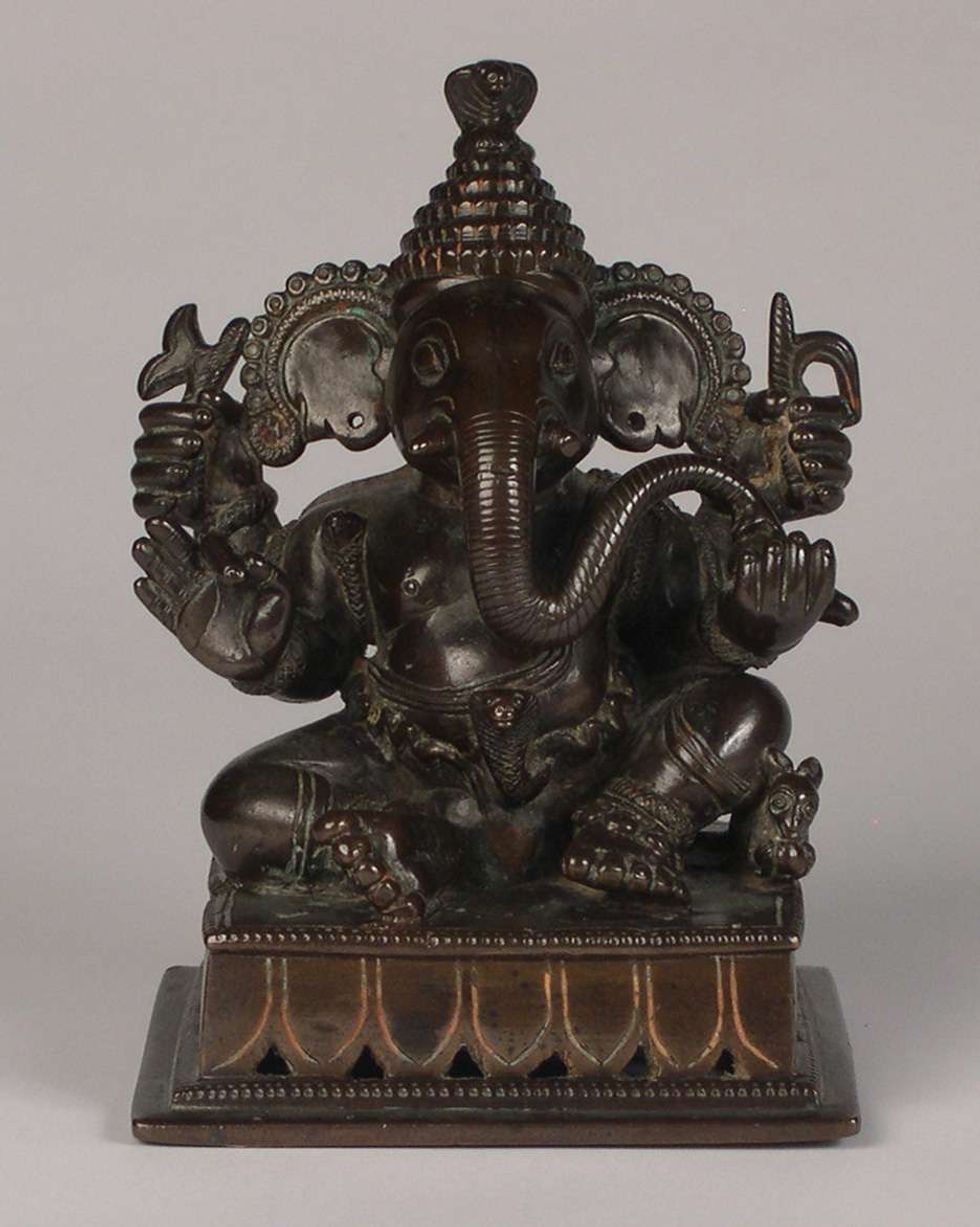 A statue of GaneshaNational Trust/Charles Thomas
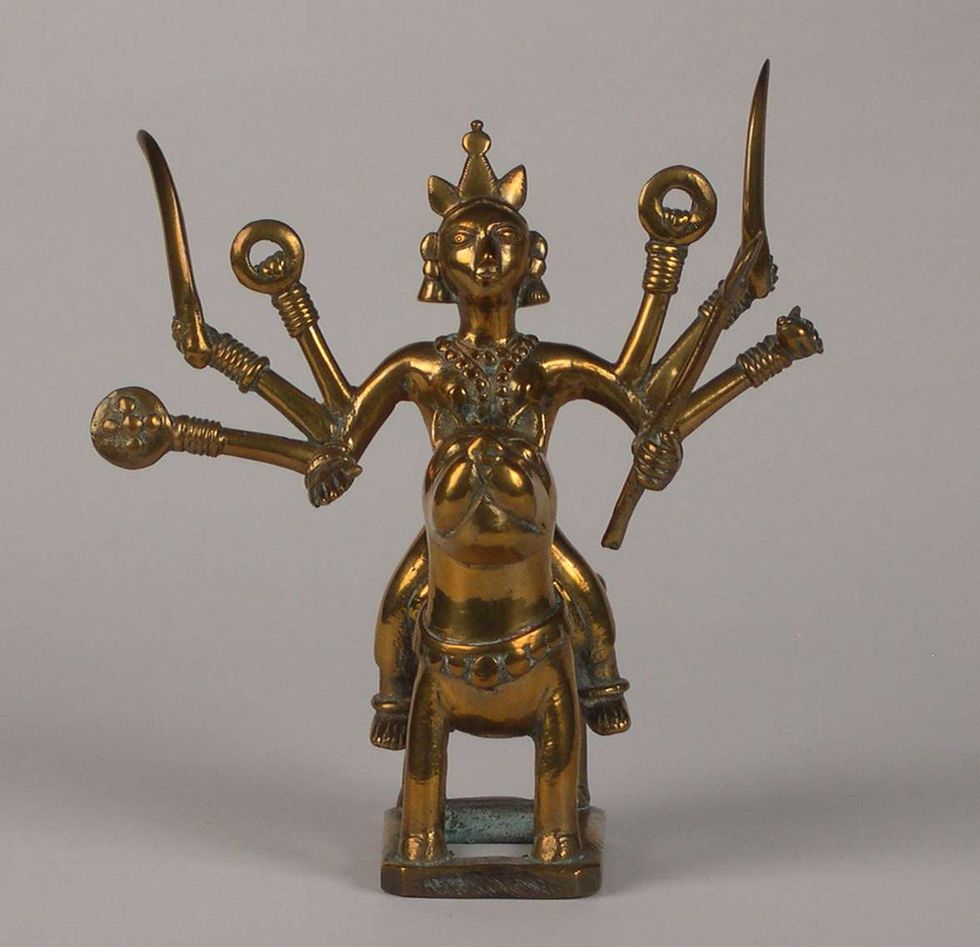 A brass figure of Brahma National Trust/Charles Thomas
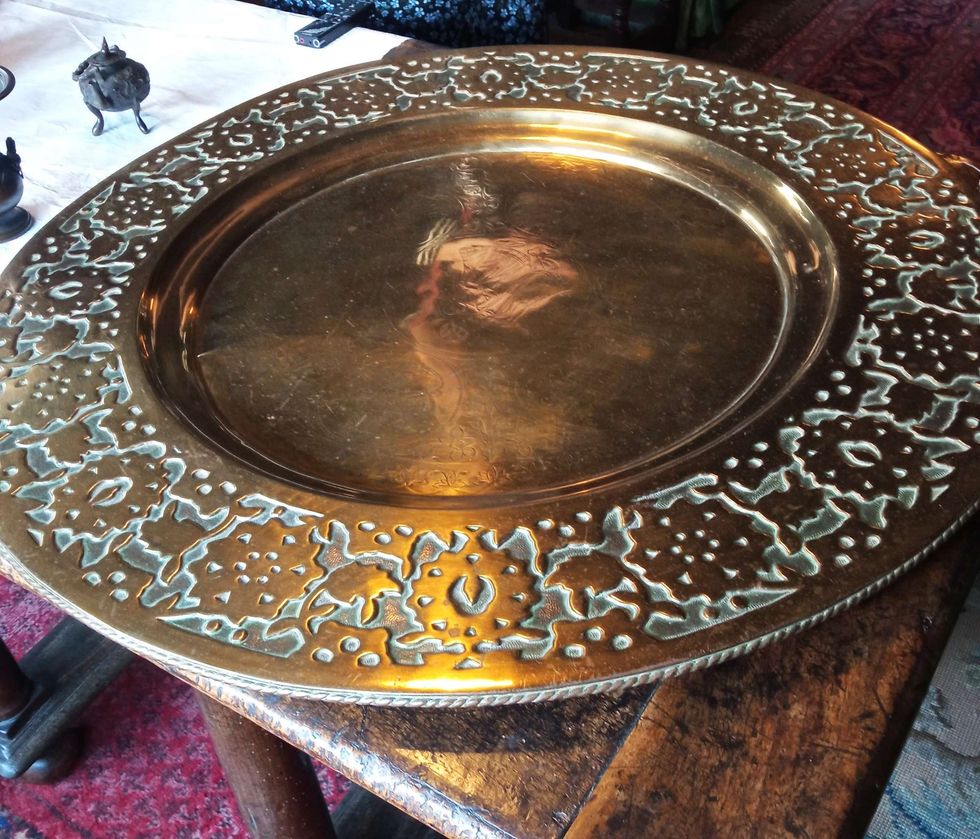 An engraved brass trayAmit Roy
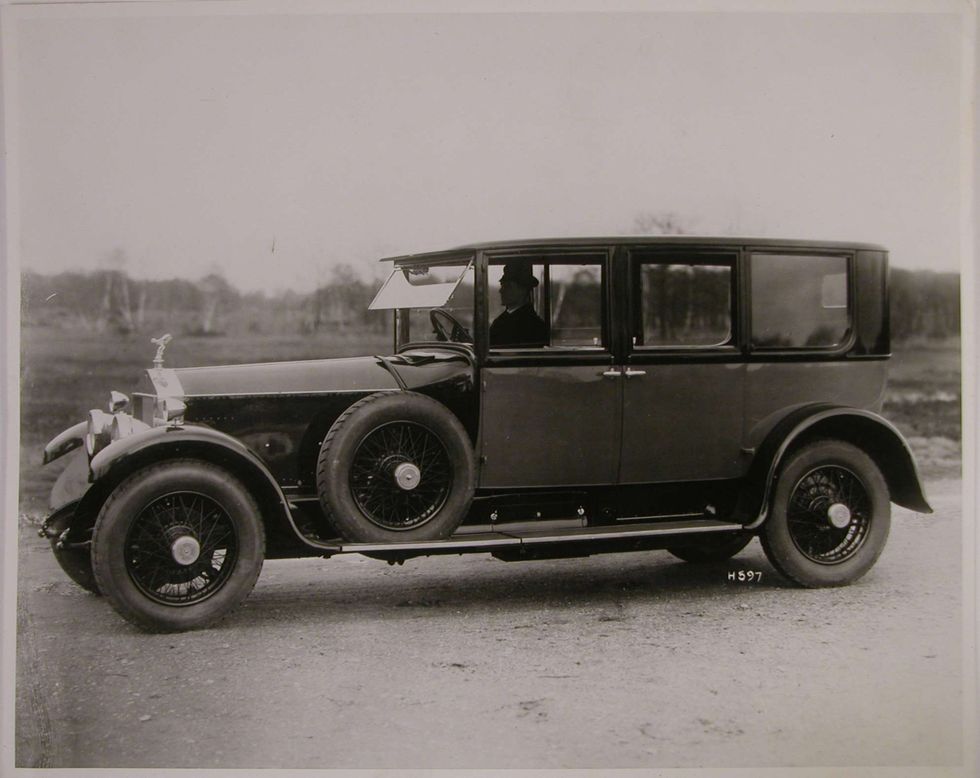 One of his beloved Rolls-Royces National Trust/Charles Thomas