
- Oil tankers surge through Red Sea as Hormuz traffic drops sharply
- Saudi exports rerouted via Yanbu pipeline amid rising tensions
- Global crude supply still down by 9 million barrels a day
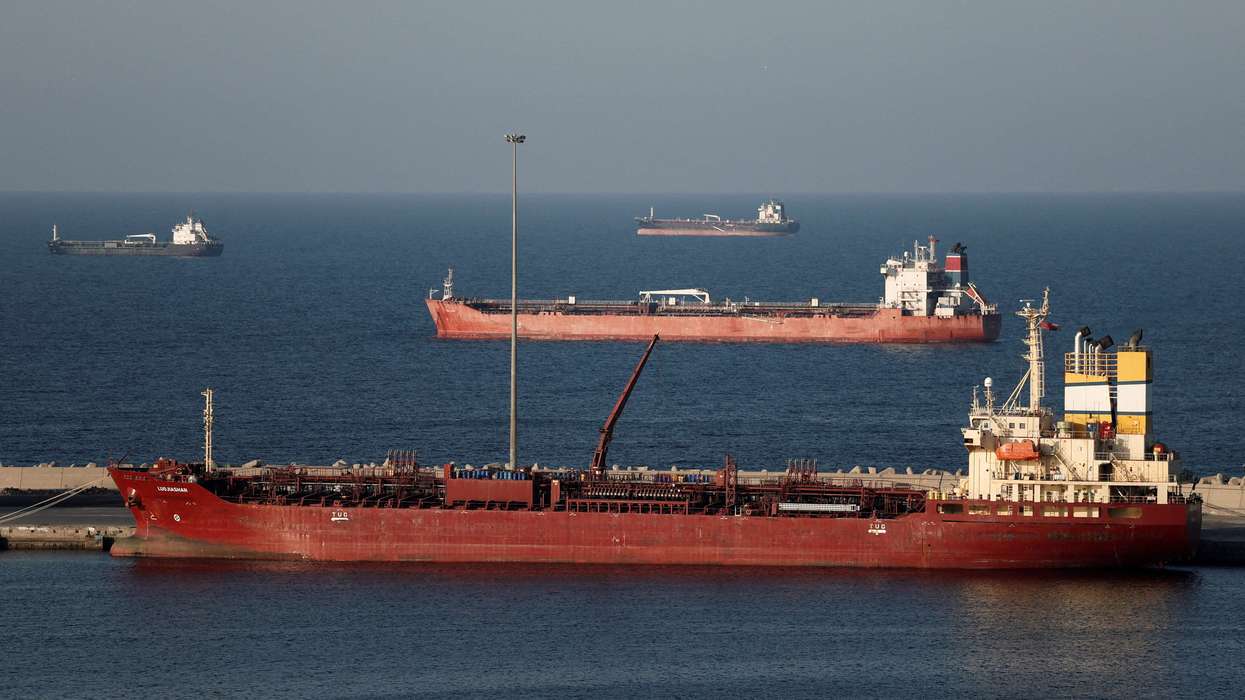
Global oil tanker traffic is beginning to tilt towards the Red Sea, as shipping firms appear to be stepping back from the idea of a quick reopening of the Strait of Hormuz. Instead, more vessels are taking the longer and riskier route via the Bab-el-Mandeb Strait, a narrow passage already under threat from regional conflict.
Data from Lloyd’s List suggests more than 1,260 ships passed through Bab-el-Mandeb in March, the highest since January 2024. That spike comes despite ongoing risks from Houthi activity in the region, which intensified following the Gaza conflict.
For many operators, the calculation seems to be shifting — Hormuz is no longer just risky, it is increasingly unpredictable.
Saudi oil finds a detour
A key driver behind this shift appears to be Saudi Arabia’s decision to push more crude through its Red Sea infrastructure. Shipments from the port of Yanbu have averaged around 3.6 million barrels a day in recent weeks, roughly 20 per cent of what would typically move through Hormuz before the current tensions escalated.
This rerouting relies on a 750-mile pipeline originally built to bypass Gulf risks during the Iran-Iraq war. Now, it seems to be serving a similar purpose again.
Richard Meade of Lloyd’s List noted that the trend reflects a broader adjustment rather than a short-term reaction, as quoted in a news report. Meanwhile, container shipping giants like Maersk, Hapag-Lloyd and CMA CGM have once again started diverting vessels around Africa, adding up to two weeks to journeys between Asia and Europe.
A market stuck in limbo
Traffic through Hormuz has dropped sharply, with just 35 vessels recorded in the week ending Tuesday — less than half the previous week. Around 70 per cent of those ships were reportedly linked to Iran, reflecting tighter control and ongoing blockades involving Tehran and Washington.
Even with increased shipments via the Red Sea and additional exports from the US, global crude supply remains down by about 9 million barrels a day. That gap continues to weigh on markets already dealing with uncertainty.
Shipowners with vessels still inside the Gulf appear to be in no rush to move them out. There is a growing sense of “paralysis” around the situation, Meade reportedly said.
Lloyd’s List estimates that even if Hormuz were to reopen immediately, tanker traffic may not return to normal levels until at least September. If the strait has been mined, disruptions could stretch into 2027.
In the meantime, some operators are turning to unconventional options. Vessels previously linked to so-called “dark fleet” operations — often associated with sanctioned oil trades — are now being used for legitimate shipments. One example includes the Comoros-flagged Helga, which reportedly left Basra carrying 1.7 million barrels of crude after years of operating under sanctions-linked routes.
Taken together, the situation suggests a shipping industry adjusting in real time — not necessarily waiting for stability, but working around its absence.