
PRIME MINISTER Keir Starmer said in an interview broadcast on Saturday (2) that banning some pro-Palestinian marches could be justified, especially when they call for the intifada to spread.
Starmer is under pressure to act after a spate of antisemitic incidents, including this week, when two men were stabbed in the north London suburb of Golders Green, which is home to a large Jewish community.
A 45-year-old British national who was born in Somalia was remanded in custody when he made his first appearance in court on Friday (1) accused of attempted murder.
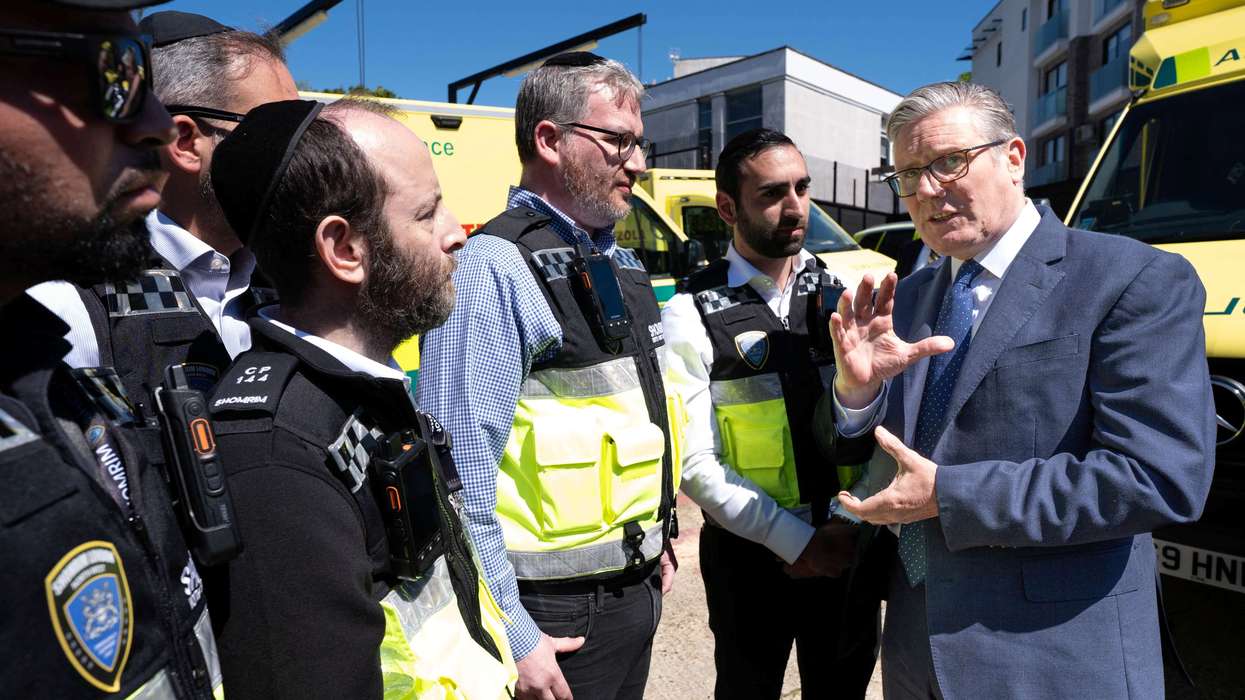
Starmer visited the scene of the attacks and a Jewish volunteer ambulance service on Thursday (30) and was booed by some locals, who accused him of not doing enough to protect them.
They also denounced pro-Palestinian activists holding marches in British cities, which began after Hamas's October 7, 2023, attack on Israel that sparked the war in Gaza.
The prime minister, a former human rights lawyer and chief public prosecutor whose wife is of Jewish origin, said many Jewish people had told them they were affected by "the repeat nature" of the protests.
"I'm a big defender of freedom of expression, peaceful protests," he told the BBC. "But when there are chants like 'globalise the intifada', that's completely off limits.
"Clearly, there should be tougher action in relation to that."
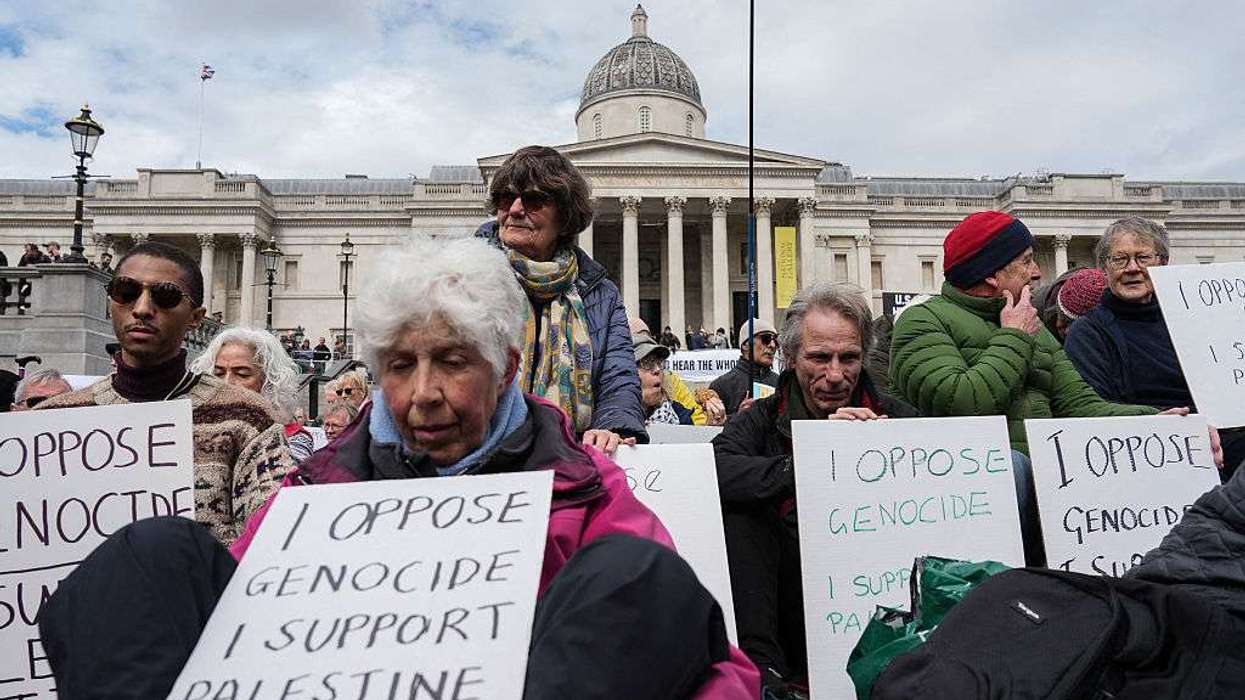 Protesters gather to call for the lifting of the ban on the Palestine Action group during a demonstration in Trafalgar Square in central London on April 11, 2026. (Photo by CARLOS JASSO / AFP via Getty Images)
'Globalise the intifada'
The intifada refers to the Palestinian civilian uprisings against Israel in 1987-1993 and the early 2000s.
Starmer said he wanted to police the language used on marches more strongly and that there were "instances" when some protests should be stopped altogether.
Discussions had been taking place with the police for some time about what further action could be taken, he added.
In December last year, police in London and the northwest city of Manchester said they would arrest anyone chanting "globalise the intifada".
The Jewish community in Britain views the chant as "very, very dangerous", said Starmer.
On Thursday, the UK increased its security alert level to "severe" -- the second highest -- in part because of the attack in Golders Green, as well as the threat from Islamist extremism and the far-right.
The police have said they would look closely at all calls about future protests.
(AFP)