
THE UK government on Tuesday introduced judicial reforms in parliament that will remove jury trials for offences likely to carry a sentence of less than three years. The move aims to speed up the justice process and reduce the backlog of cases in England and Wales.
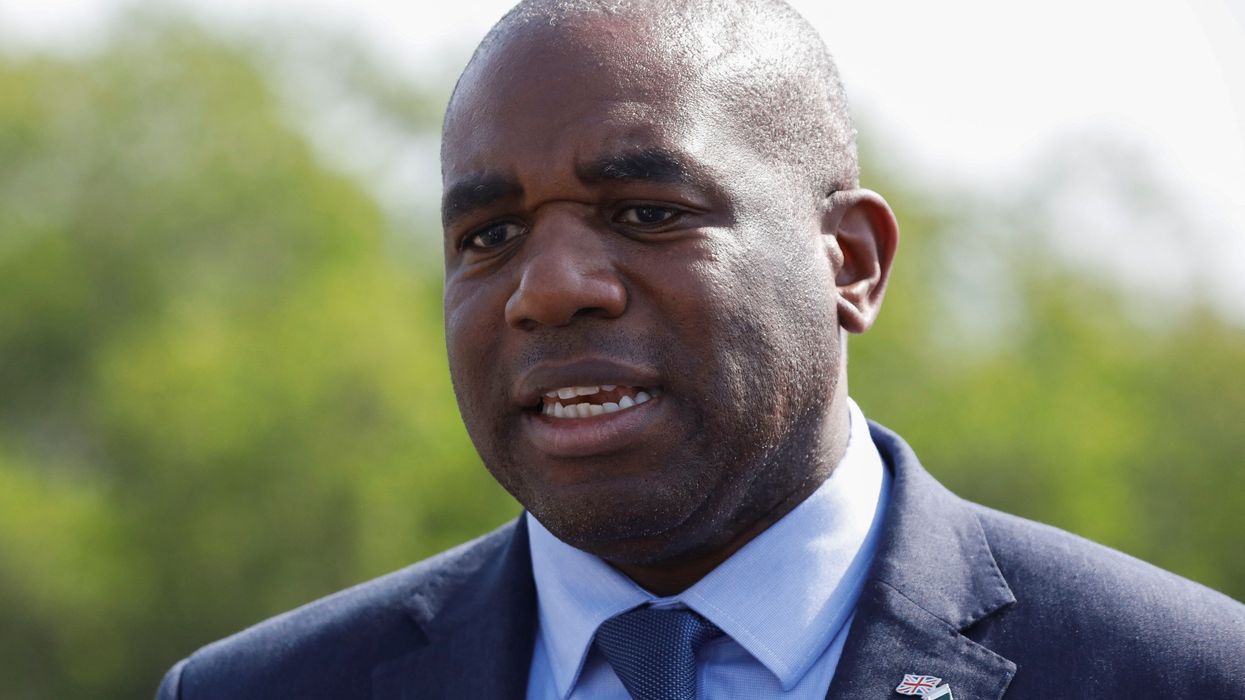
Deputy prime minister David Lammy, who is also the justice secretary, told the House of Commons that new “swift courts” are needed to address what he called an “emergency” in the judicial system that the Labour government inherited from the previous Conservative administration.
Under the plans, jury trials will remain in place for serious crimes including rape, murder, aggravated burglary, blackmail, people trafficking, grievous bodily harm and serious drugs offences.
“This government inherited a justice system in crisis – victims are waiting far too long to get their case to court, and even more are being let down by a system that allows nefarious defendants to try and game the system," Lammy said.
“The crumbling system we inherited has resulted in a Crown Court backlog of nearly 80,000 and rising. Justice delayed is justice denied. This is not acceptable. Today I have set out a bold blueprint for a modern justice system that works for – not against – victims – one that is faster, fairer and finally capable of giving brave survivors of crime the justice they deserve," he said.
Lammy described the reforms as “bold” and said it will take time to “turn the tide on the rising backlog”.
“But these measures are necessary to tackle the emergency in our courts. We are putting victims before tradition for tradition's sake and fairness before those who want to game the system," he said.
Under the changes, the new Swift Courts will allow cases with a likely sentence of up to three years to be heard by a judge alone. The government estimates that such judge-only hearings will take 20 per cent less time than jury trials. Judge-only trials will also apply to “technical and lengthy fraud and financial offences” to ease the burden on jurors.
Magistrates will receive expanded powers to issue sentences of up to 18 months or two years, which the government says will free up Crown Court time for more serious cases.
The Ministry of Justice said that more than a quarter of all criminal cases currently remain open for a year or more, with violent and sexual offences making up almost half of these, compared to around a third in 2019. These cases are often complex and take longer to process, putting pressure on the court system, the ministry said.
Due to delays and backlogs, six in ten victims of rape are reported to be withdrawing from prosecutions.
“I've seen first-hand how the delays we've inherited have had real-world impacts on victims who end up feeling paralysed and re-traumatised as their cases drag on," said barrister Sarah Sackman, UK Minister for Courts and Legal Services.
“We've already invested record amounts but it's clear that money alone is not enough. This reform is vital to ensuring that victims are able to move forward with their lives," she said.
The government also outlined plans for additional funding so judges can sit for more days in the Crown Court to help clear the backlog. Criminal legal aid advocates are set to receive up to a 34 million pounds funding increase each year.
Earlier this week, the government confirmed an annual boost of up to 92 million pounds for criminal solicitors. It also confirmed a half-billion-pound investment in specialist services providing “practical and emotional” support to victims and witnesses.
(With inputs from agencies)