
- JLR’s profit fell to £66m from £248m a year earlier.
- Vehicle sales dropped 9.2 per cent as the Middle East conflict and a supplier fire disrupted deliveries.
- The company is preparing four new models, including the electric Jaguar Type 01.
JLR is trying to launch a new chapter for its brands while dealing with another difficult stretch for the business.
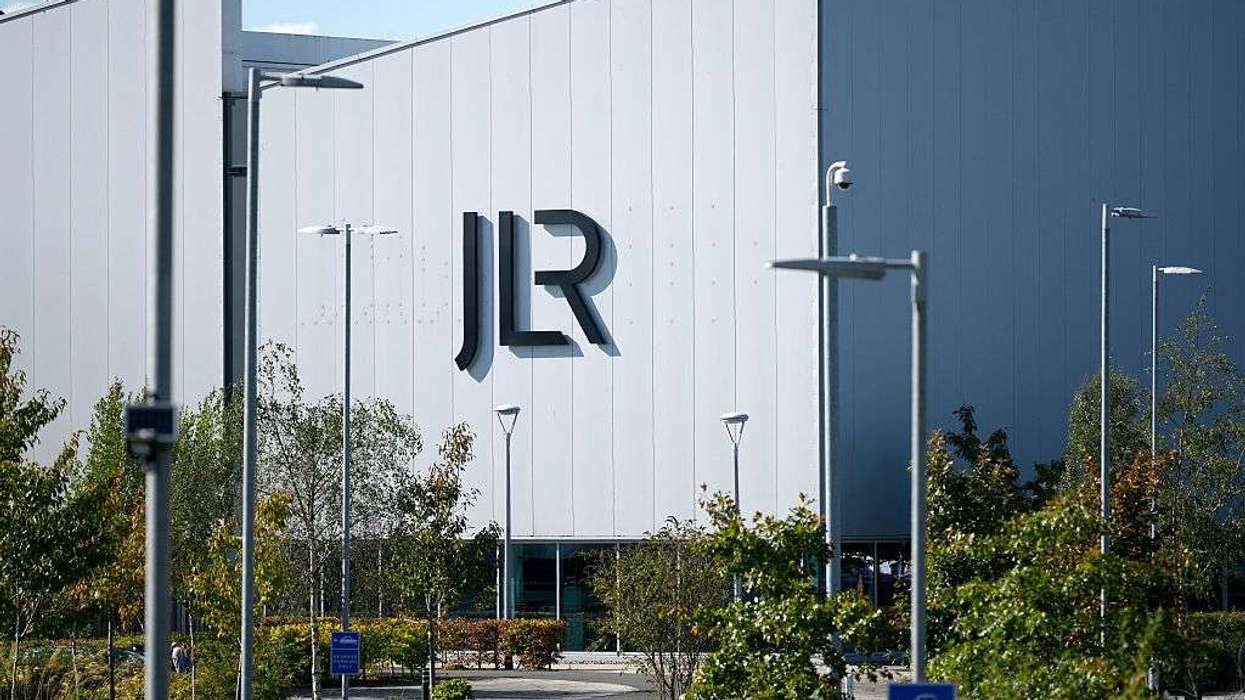
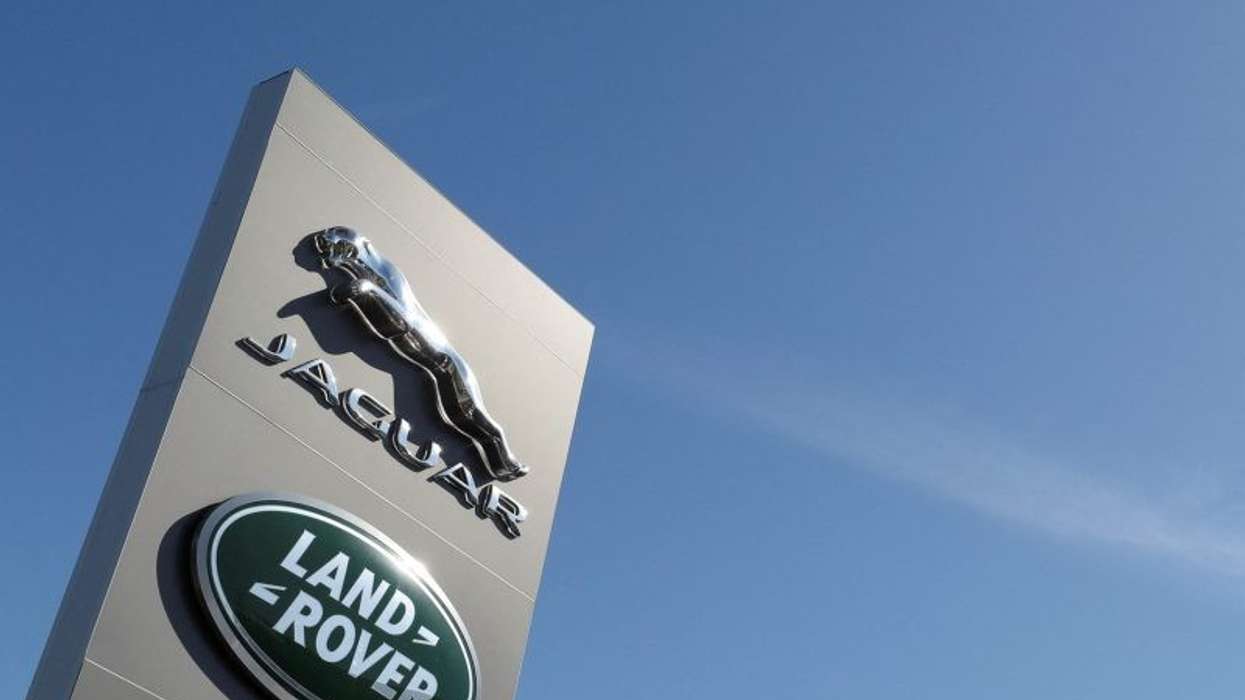
The Tata Motors-owned carmaker reported £66m in profit for the three months to June, down sharply from £248m in the same period last year. Revenue fell to about £6bn, while vehicle sales to dealers dropped 9.2 per cent.
JLR said the quarter was hit by market disruption linked to the conflict in the Middle East, temporary supply constraints following a fire at a major Norwegian components supplier and the planned wind-down of existing Jaguar models.
The latest figures are particularly significant because JLR is in the middle of one of the biggest product changes in its history. The company is moving Jaguar towards an all-electric, ultra-premium model range, with the new Jaguar Type 01 at the centre of the strategy.
The first look at the Type 01's interior was unveiled this week, with the car expected to cost around £120,000. JLR is also preparing the Range Rover Electric, Range Rover Sport Electric and Range Rover GT.
So the company is effectively trying to replace an outgoing Jaguar range while waiting for its next generation of vehicles to arrive.
Another setback after a difficult year
The latest profit fall comes less than a year after a cyberattack forced JLR to shut down production for around five weeks, with the company estimating the disruption cost almost £2bn.
JLR has since announced plans for up to 300 job cuts as it looks to recover some of those costs. The company employs around 30,000 people in the UK, making it a significant employer across the West Midlands and elsewhere.
The business is now facing a different set of pressures.
JLR said the Middle East conflict disrupted sales in several markets, while a fire at Norwegian supplier Raufoss Technology affected the supply of components. The company has also been dealing with weaker demand in China and the impact of US tariffs.
The Middle East was particularly difficult, with retail sales in the region and north Africa reportedly falling 42 per cent during the quarter. That matters for JLR because its Range Rover and other luxury models have traditionally had a strong customer base in the region.
The fall in sales also meant JLR had to spend more on incentives and promotional allowances to support vehicles through dealers. Retail variable marketing costs rose from 4.1 per cent to 7.1 per cent, while its adjusted EBIT margin fell to 2.8 per cent from 4 per cent.
Pre-tax profit before the relevant adjustments fell to £109m from £351m a year earlier.
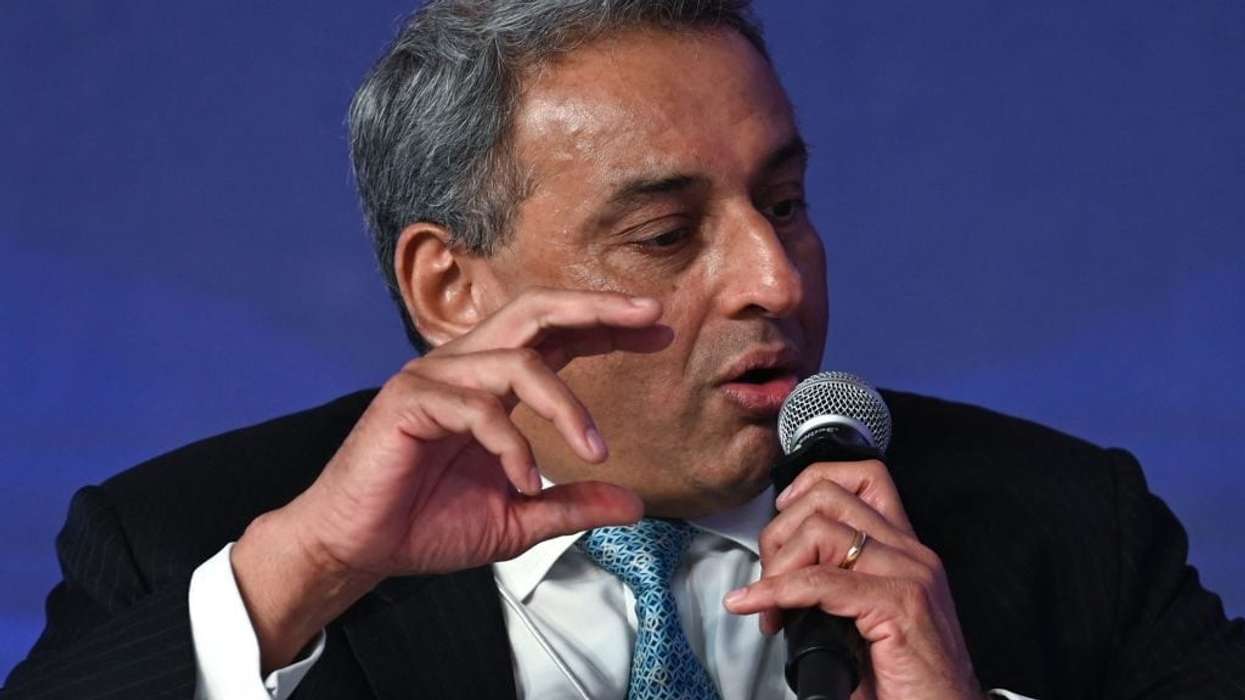
JLR chief executive P B Balaji reportedly said the company continued to see strong demand for its brands despite the near-term industry challenges and was looking ahead to the launch of four new products.
That is where the next few months become important.
JLR is not simply waiting for sales to recover. It is changing what it sells, particularly at Jaguar, while trying to maintain the strength of Range Rover, Defender and Discovery.
The Type 01 therefore arrives at a complicated point for the company. JLR needs its new electric Jaguar to attract buyers to a much more expensive and exclusive proposition, while the wider business is trying to recover from a cyberattack, cope with geopolitical disruption and rebuild sales.
The company has said the first quarter remained profitable despite those pressures.
Whether the new products can turn that resilience into stronger growth will become clearer as they begin reaching customers.