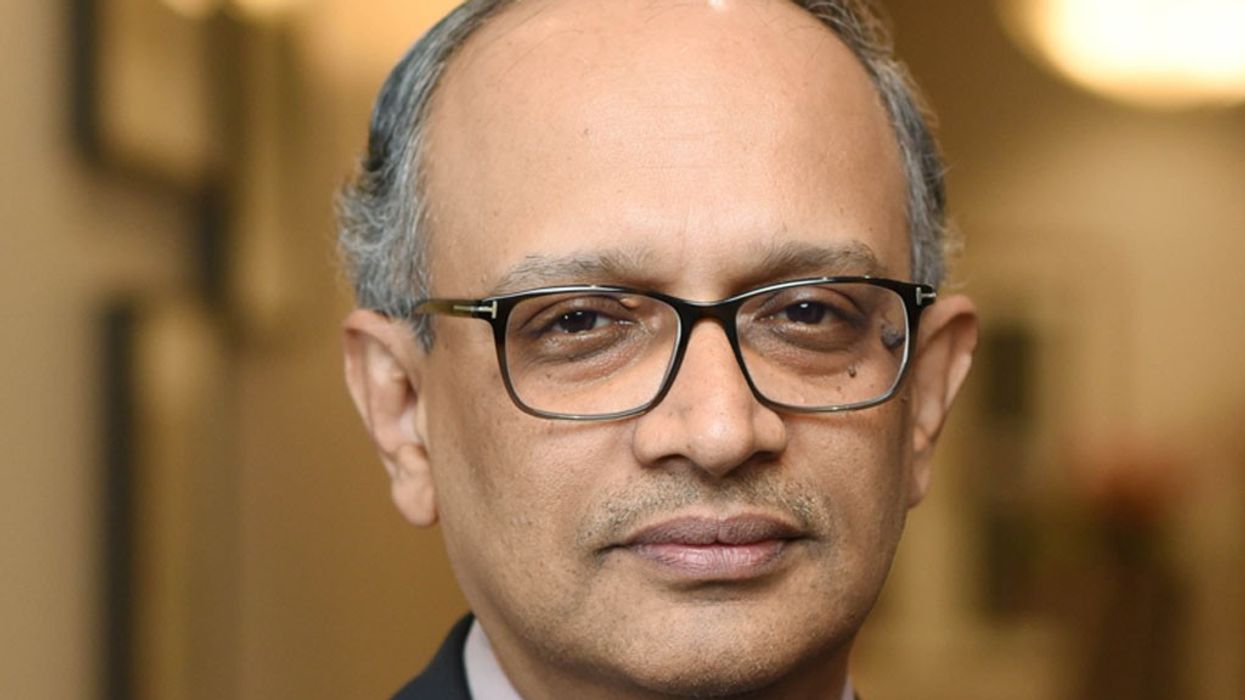

JAGUAR LAND ROVER (JLR) has appointed PB Balaji as chief executive officer (CEO), effective November 2025. He will succeed Adrian Mardell, who is retiring after three years as CEO and 35 years with the company.
N Chandrasekaran, chairman of Jaguar Land Rover PLC, Tata Motors and Tata Sons, said: “I would like to thank Adrian for the stellar turnaround of JLR and for delivering record results. I am delighted to appoint Balaji as the incoming CEO of the company. The search for a suitable candidate to lead JLR has been undertaken by the Board for the past few months and after careful consideration it was decided to appoint Balaji. He has been associated with the Company for the past many years and is familiar with the Company, its strategy and has been working with the JLR leadership team. This move will ensure that we continue to accelerate our journey to Reimagine JLR.”
Mardell said: “These three years have been a great privilege. Together with the incredible JLR workforce, we have cemented JLR’s position in the automotive industry during a time of incredible change. I would like to thank everyone in JLR and the extended Tata Group, and wish Balaji every success in his new role.”
Balaji said: “It is my privilege to lead this incredible company. Over the past 8 years I have grown to know and love this company and its redoubtable global brands. I look forward to working with the team to take it to even greater heights. I thank Adrian for his immense contributions and wish him well for his next innings.”
Balaji has been Group chief financial officer of Tata Motors since November 2017 and a non-executive director on JLR’s board since December 2017. He has 32 years of experience in automotive and consumer goods industries and has worked in Mumbai, London, Singapore and Switzerland.