
Skip to content
Search

Latest Stories

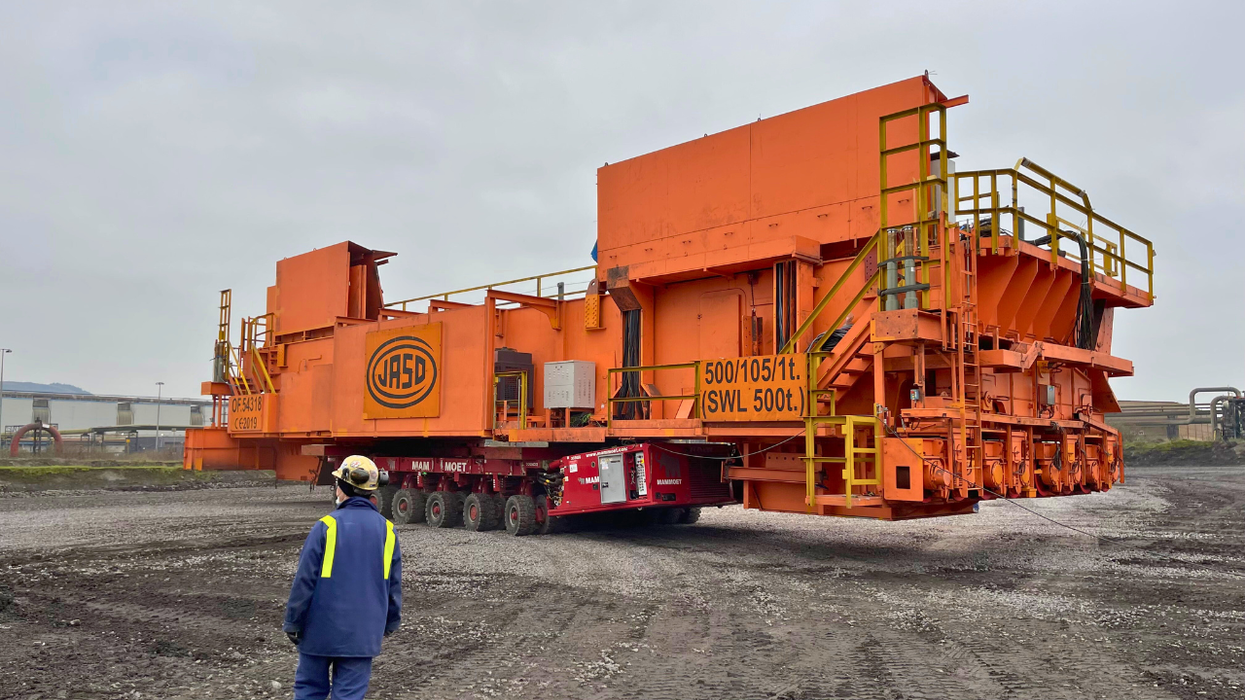
JASO to supply cranes for Tata Steel’s low-CO₂ plant in Port Talbot

The new cranes will support the operation of the plant’s Electric Arc Furnace (EAF) facility, which is expected to cut carbon emissions by 90 per cent when operational in 2028.

JASO-crane

The order includes three 500-tonne capacity cranes for handling liquid steel ladles, two 80-tonne scrap cranes for feeding the EAF via a conveyor system, and two 35-tonne cranes for electrode maintenance.

getty images

TATA STEEL UK has awarded a contract to JASO Industrial Cranes to supply seven process cranes for its £1.25 billion investment in sustainable steelmaking at Port Talbot.

The new cranes will support the operation of the plant’s Electric Arc Furnace (EAF) facility, which is expected to cut carbon emissions by 90 per cent when operational in 2028.


The order includes three 500-tonne capacity cranes for handling liquid steel ladles, two 80-tonne scrap cranes for feeding the EAF via a conveyor system, and two 35-tonne cranes for electrode maintenance.

Stuart Lloyd, project manager for the Cranes Project, said: “We’re excited to strengthen our longstanding partnership with JASO on this crucial part of our £1.25 billion transformation.”

Raúl Fernández, Marketing & Sales Director at JASO, said: “This order marks both the largest and most impactful project in our company’s history.”

More For You

Tax reforms
Only 1 in 4 signed up: What’s going wrong with UK’s new tax system?
Getty Images/iStockphoto

UK banks grow uneasy as Starmer’s position fuels fresh tax fears

  • Banks fear tax hikes if Labour leadership shifts left.
  • Executives are already modelling scenarios beyond Starmer and Reeves.
  • Borrowing costs near five per cent are tightening fiscal choices.

UK banks are starting to rethink the comfort they had after the last Autumn Budget.

The sector had narrowly avoided a tax increase after Rachel Reeves secured backing from lenders on boosting credit and supporting her fiscal plans. But that moment now looks less settled, as uncertainty grows around Keir Starmer’s leadership and the stability of the current Treasury team.

Keep ReadingShow less