
Highlights
- Newly surfaced studio reports reveal Bond novels were once rejected for the big screen
- Elstree Studios dismissed Ian Fleming’s stories as unrealistic and unsuitable for cinema
- Thunderball and Dr No received criticism over implausible plots and heavy gadget use
- The decision later became one of film history’s biggest missed opportunities
Before Bond became a billion-pound franchise, one studio wanted no part of it
Years before Eon Productions transformed James Bond into one of cinema’s most successful franchises, a rival studio reportedly saw little value in Ian Fleming’s spy stories. Newly unearthed internal reports reveal that Elstree Studios rejected the opportunity to adapt the Bond novels after deciding they were “not movie material” and unlikely to succeed on screen.
The assessments came from the studio’s readers department in the late 1950s, where books and scripts were examined for adaptation potential. Instead of seeing a future blockbuster series, reviewers questioned whether Bond’s adventures would appeal to audiences.
The judgment now appears remarkable in hindsight. Bond films have since generated more than £5 billion globally and become one of the most enduring series in cinema history.
Studio readers believed Bond relied too heavily on fantasy
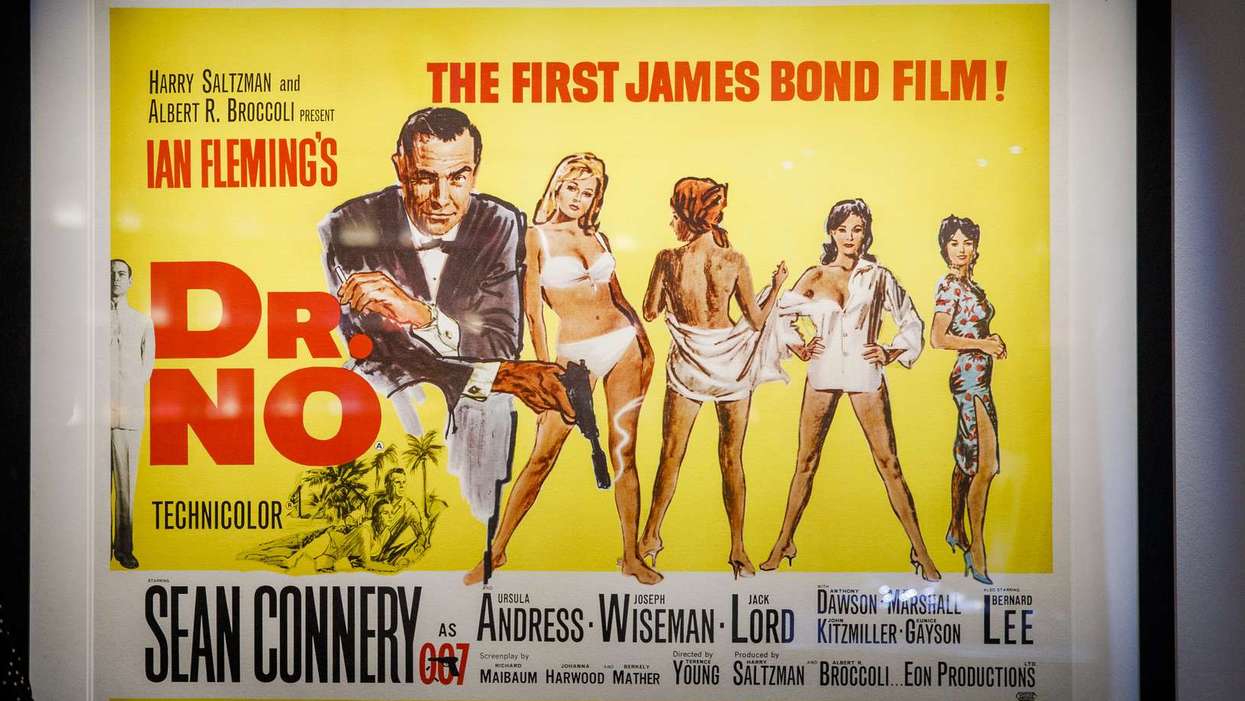
The archive includes reports on eight Bond books written by Fleming. Among them, Dr No received a particularly sharp response when it was reviewed in 1957.
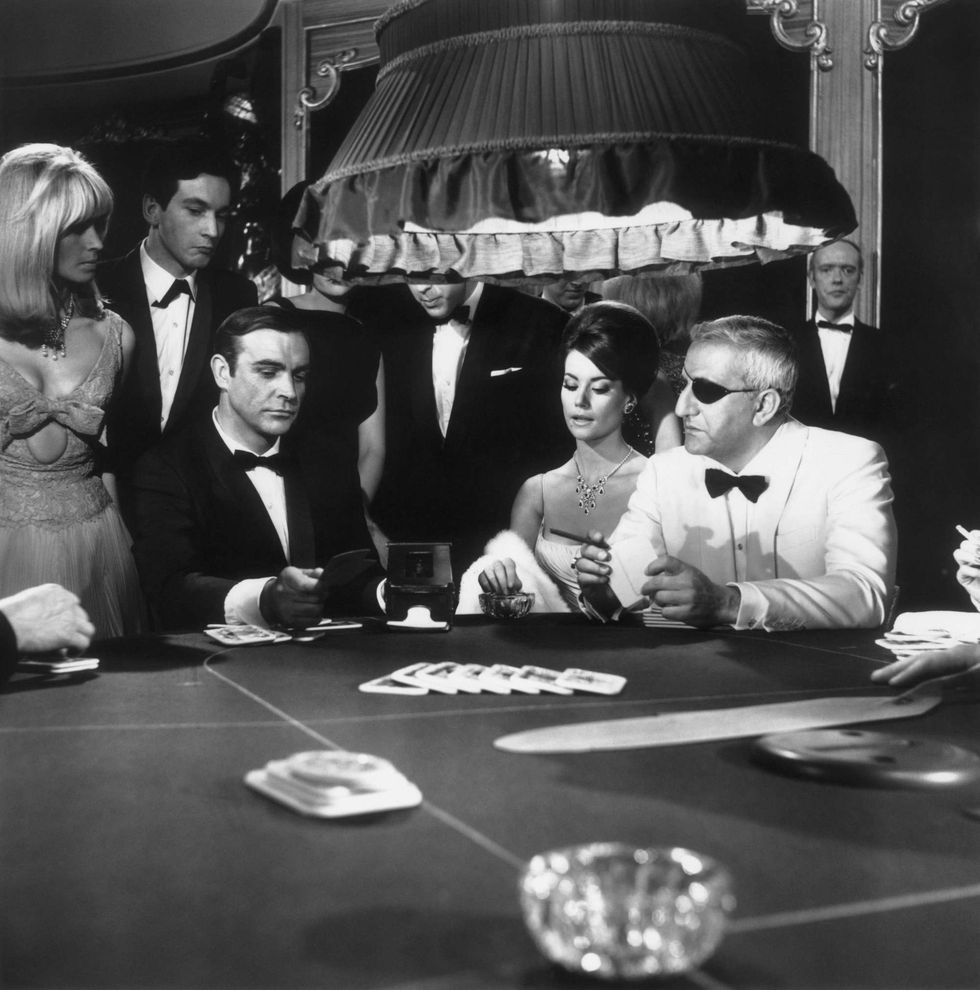 Readers suggested Bond’s style was the strongest aspect of Fleming’s writingGetty Images
While the reviewer praised the novel’s West Indian setting, concerns were raised about the believability of Bond’s adventures. The report suggested the story leaned too close to the absurd and lacked the ingredients needed for a compelling film adaptation.
Thunderball received similar criticism in 1960. Internal notes argued that its “excessive use of gadgetry” could not compensate for what readers viewed as weaknesses elsewhere in the story.
Reviewers also warned that these flaws would become even more visible on screen and concluded the novel was unlikely to produce a successful film.
Bond’s short stories also failed to impress
The scepticism extended to For Your Eyes Only, with internal comments describing the stories as overly improbable and too fantastical for cinema.
Readers suggested Bond’s style was the strongest aspect of Fleming’s writing, but questioned whether that alone could carry a film adaptation.
Forgotten documents reveal a major Hollywood misjudgment
The reports remained hidden from public view for decades. Nearly 50 years ago, an amateur historian rescued a large archive of internal material during a clear-out at Elstree Studios in Borehamwood, Hertfordshire.
The collection, now being sold through rare-book specialists, contains thousands of pages covering scripts and literary works reviewed by the studio.
Fleming, who worked for Britain’s Naval Intelligence Division during the Second World War and helped plan Operation Goldeneye, published Casino Royale in 1953 and went on to write 14 Bond books.
The same ingredients once dismissed as implausible, extravagant plots, unusual villains, and gadget-heavy storytelling, ultimately became central to Bond’s appeal around the world.