
India's Anirban Lahiri has struggled with his game over the past 18 months on the PGA Tour and the 32-year-old says golf's shutdown due to the COVID-19 pandemic has given him the opportunity to reset.
Lahiri finished 178th on the FedExCup points list at the end of last season and needed to regain his Tour card through the Korn Ferry Tour Finals, which serves as an avenue to earn membership of the lucrative U.S. based circuit.
His last top-10 finish came in November 2018 at the Mayakoba Golf Classic.
"I was already at a stage of reassessing my goals and processes even before this break," he told the PGA Tour.
"My golf has been poor to say the least and it was a matter of going back to the drawing board.
"Spending 10 days with my coach gave me a good sense on what I need to do to get to where I want to be," added the Florida-based Lahiri, who is currently holed up in Hyderabad during India's shutdown to combat the spread of the virus.
Lahiri, who has played for the International Team at two Presidents Cups, notched India's best result at a major by finishing tied for fifth at the 2015 PGA Championship.
The same year he reached a career-high ranking of 33 but has since been sliding down the ladder and currently sits 497th. Before the PGA Tour was halted, he had made five cuts from 12 starts with a best finish of tied 44th spot.
The former Asian Tour order of merit winner says the pandemic has reminded him there is life outside golf.
"For most of us, golf is our life. But there is a larger picture outside of that which we miss," said Lahiri, who recently contributed some $10,000 to India's fight against the coronavirus outbreak.
"To spend this much time with my daughter and wife, and with my parents is really nice. It's given me more perspective outside of golf.
"In fact, I don't have my golf clubs with me now. It's nice to hit the pause button and reflect on things which we wouldn't normally do.
"I do miss playing golf but I don't miss it that much. It's funny."



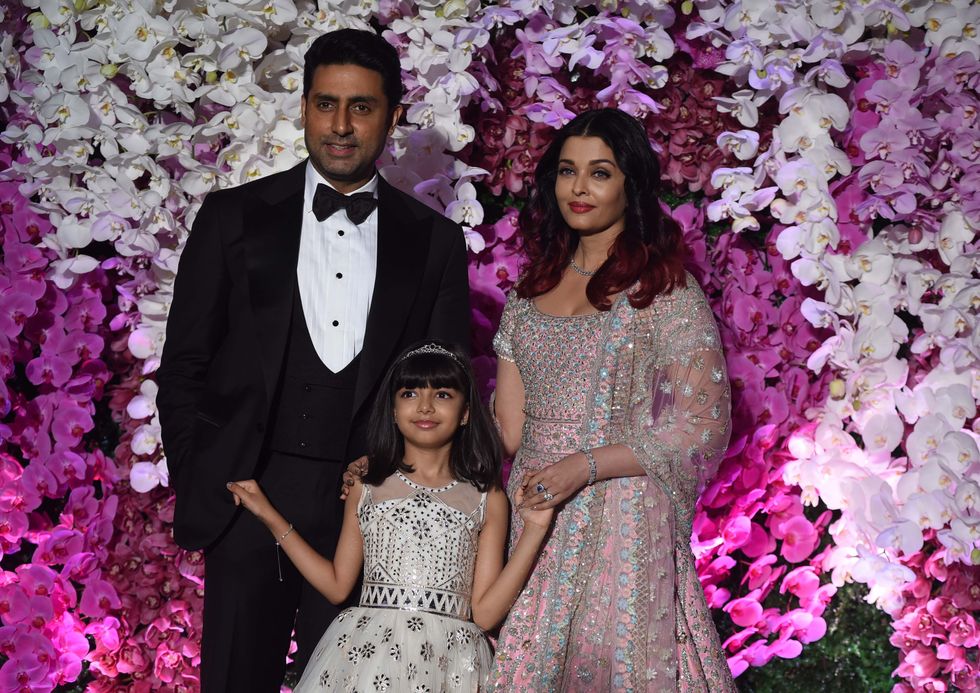 Aaradhya Bachchan has no access to social media or a personal phoneGetty Images
  Abhishek Bachchan calls Aishwarya a devoted mother and partnerGetty Images
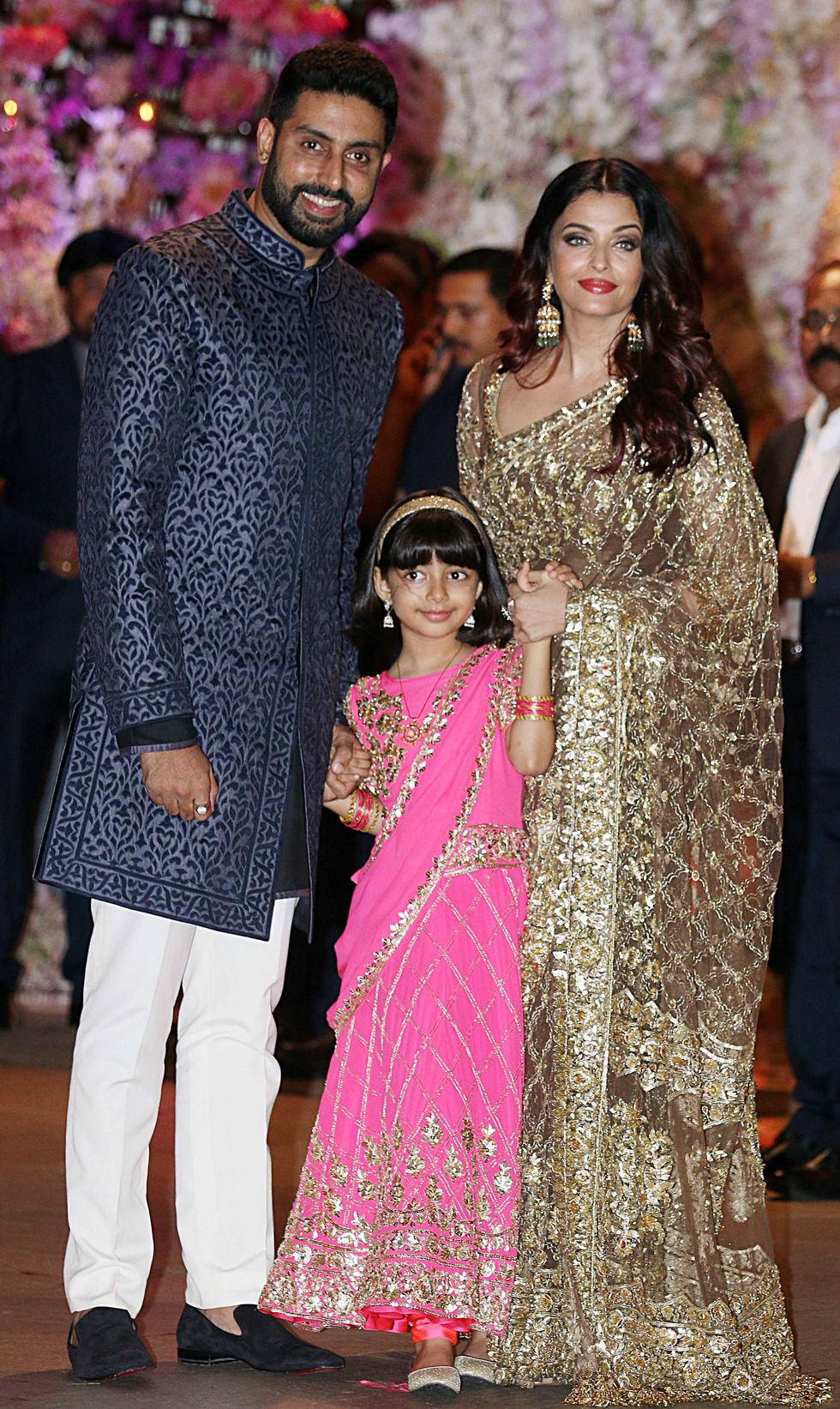 Aaradhya is now taller than Aishwarya says Abhishek in candid interviewGetty Images
 Aishwarya Rai often seen with daughter Aaradhya at public eventsGetty Images







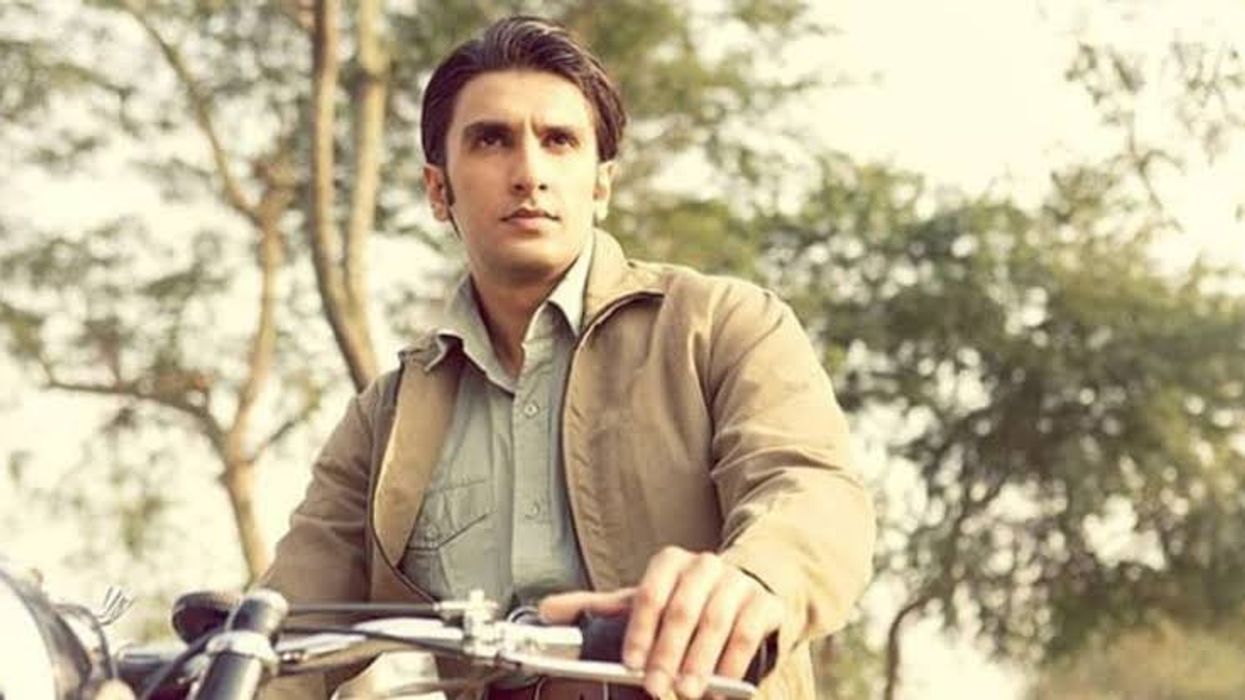
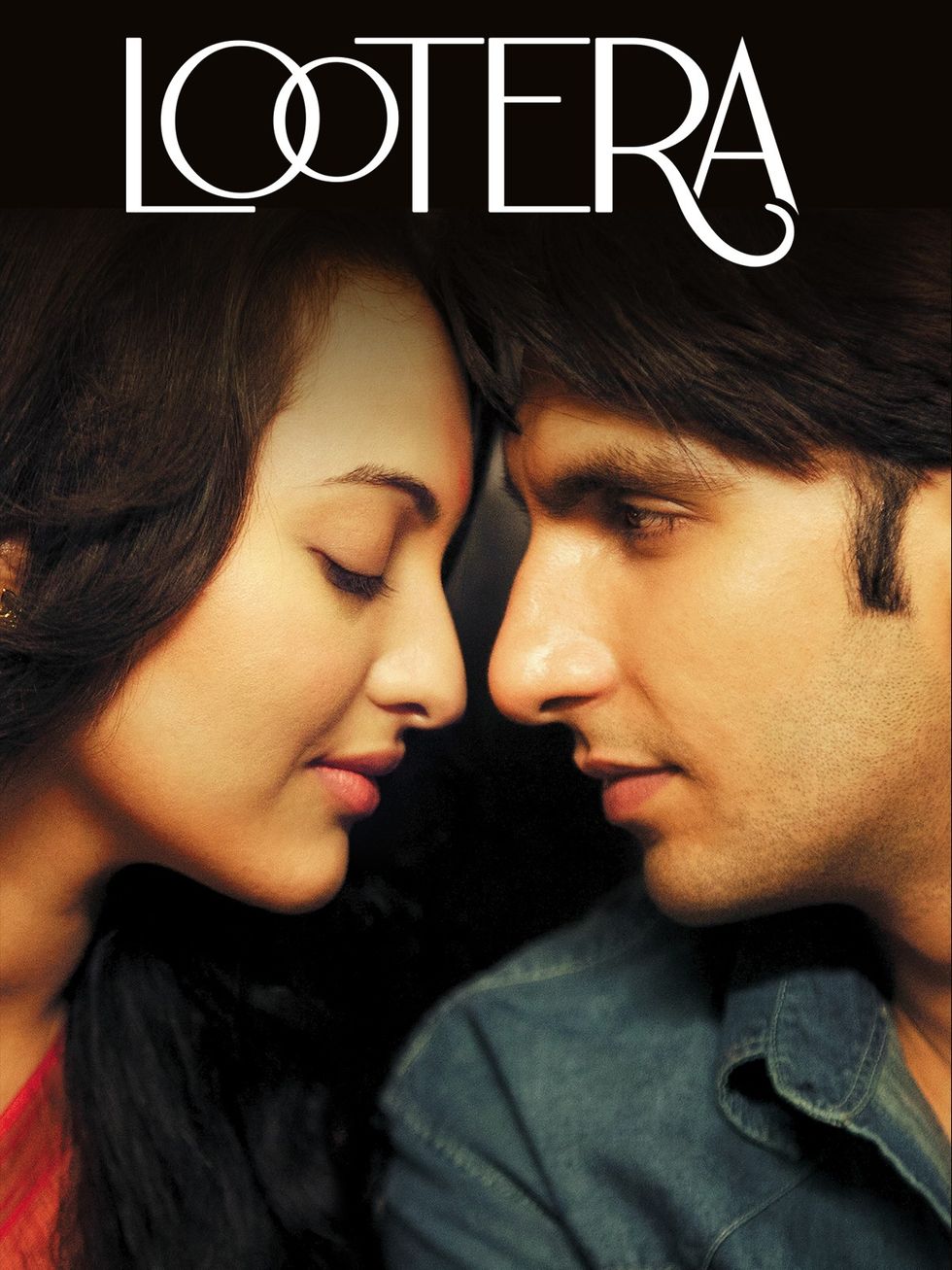 Lootera released in 2013 and marked a stylistic shift for Ranveer Singh Prime Video
 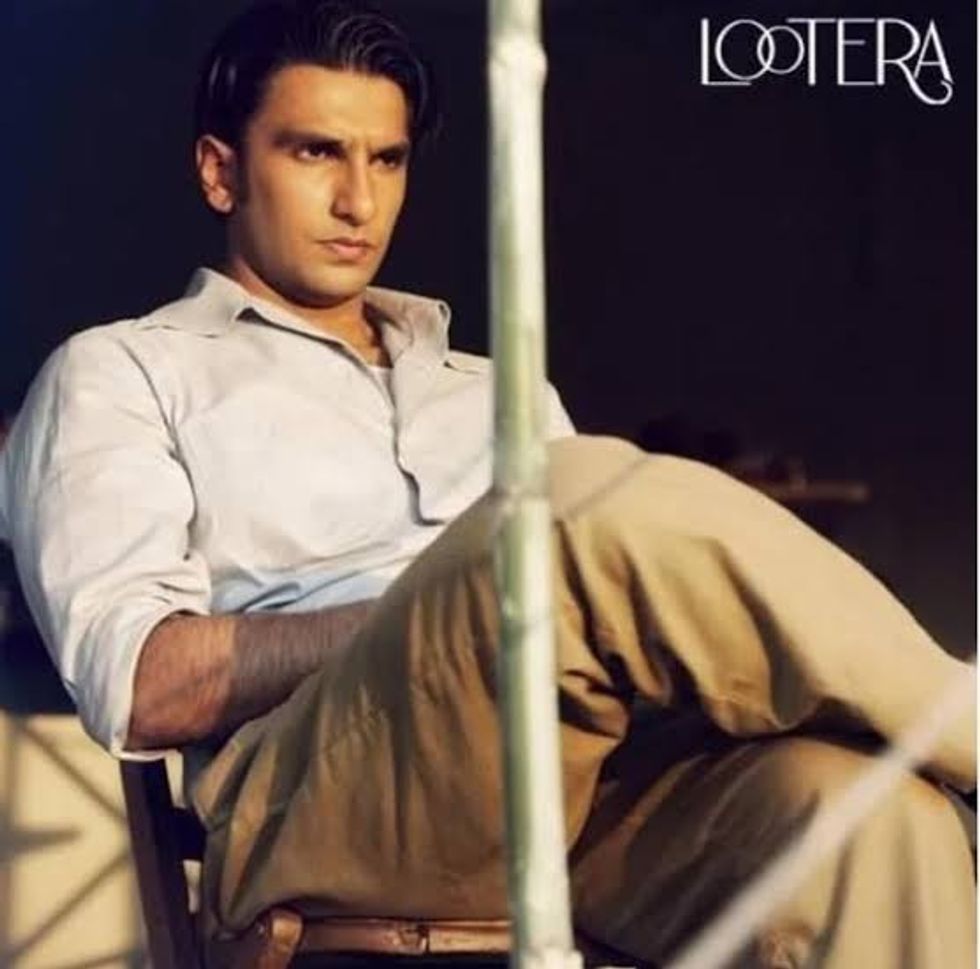 Ranveer Singh’s role as Varun showed he could command the screen without saying much
 The period romance Lootera became a turning point in Ranveer Singh’s career
 Ranveer Singh’s performance in Lootera was praised for its emotional restraint
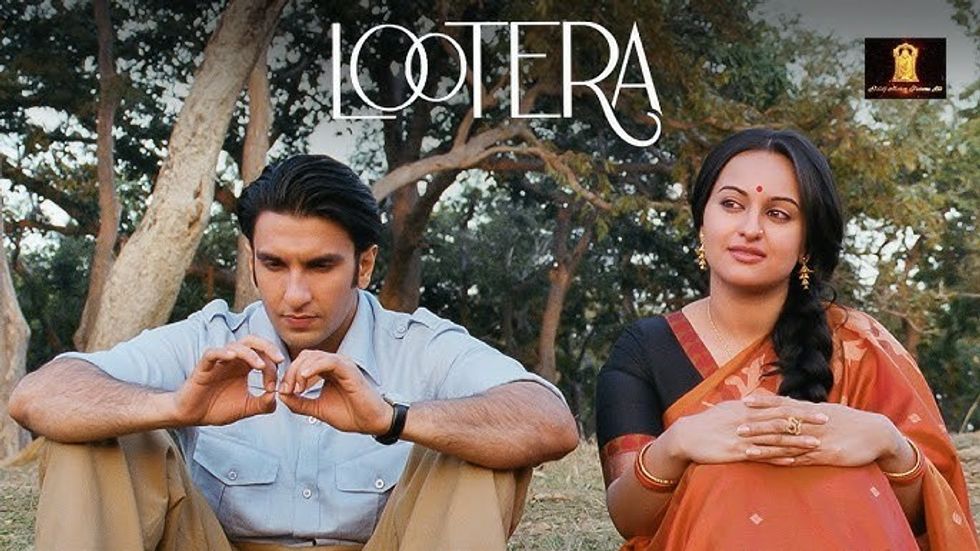 Ranveer Singh and Sonakshi Sinha starred in the romantic drama set in 1950s BengalYoutube/Altt Balaji Motion Pictures
 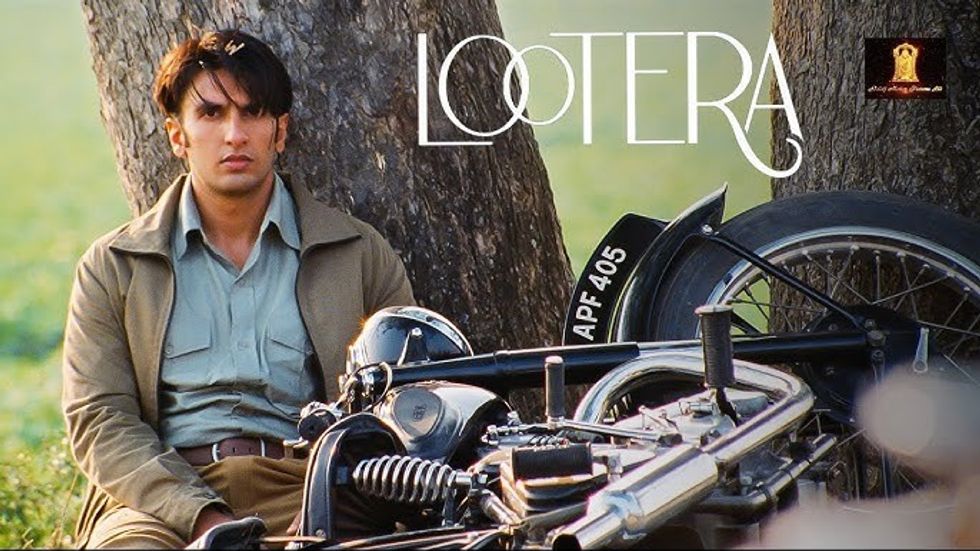 Lootera’s legacy has grown over the years despite its modest box office runYoutube/Altt Balaji Motion Pictures
