INDIA will settle almost all the retrospective tax cases this month, closing a chapter that plagued India's reputation as an investment-friendly destination, a top official said on Friday (4).
A 2012 amendment gave taxmen powers to go back 50 years and slap capital gains levies wherever ownership had changed hands overseas but business assets were in India.
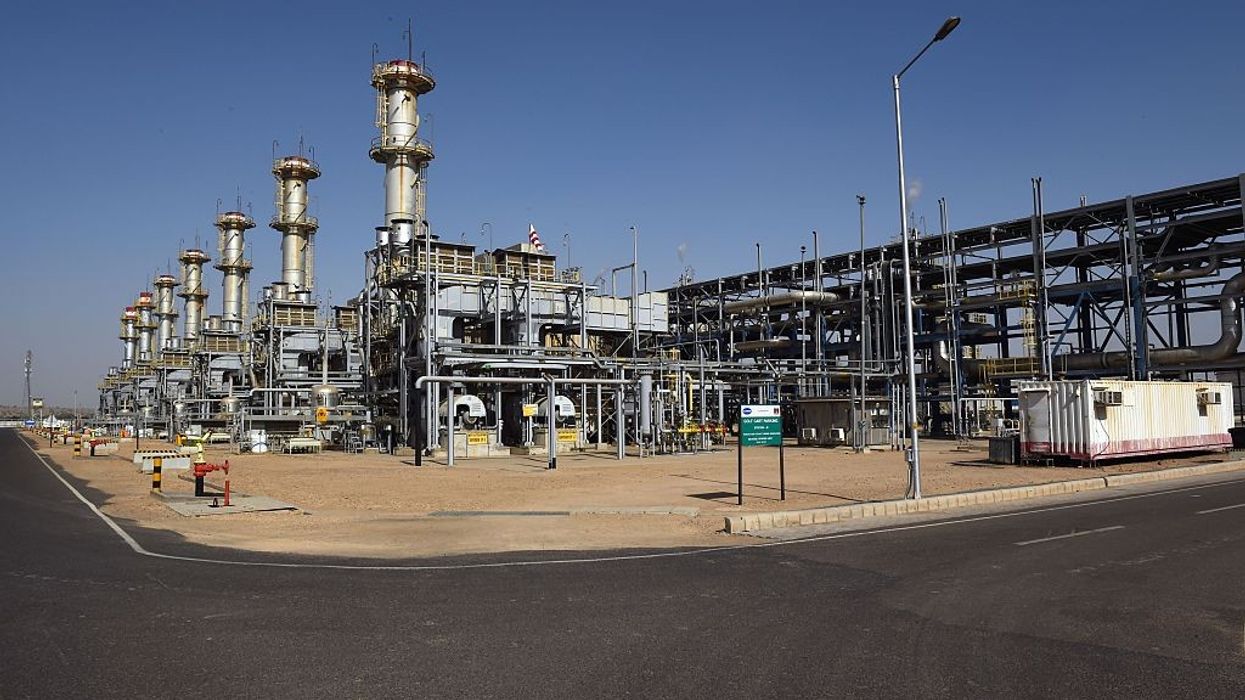
It was used to raise Rs 1.1 trillion (£11 billion) demand against multinationals such as telecom group Vodafone, pharmaceuticals company Sanofi and brewer SABMiller, now owned by AB InBev, and Cairn Energy Plc.
Such demands brought uncertainty in the minds of investors.
To repair India's damaged reputation as an investment destination, the government in August 2021 enacted new legislation to drop all such demand and refund about Rs 81 bn (£800 million) collected on the condition that any pending lawsuit or legal challenge against the government anywhere in the world would be dropped.
Cairn, from whom Rs 79 bn (£780m) was seized to enforce the retrospective tax demand, as well as Vedanta Group, have dropped lawsuits. Cairn is now eligible for the tax refund.
"In the month of August, we abolished the retrospective taxation and we would be settling almost all the cases this month itself. So, we will close that chapter once and for all," Revenue Secretary Tarun Bajaj said.
The move will help restore investor confidence by providing a predictable and stable tax regime.
"So, stability, predictability and not giving any surprise is a matter of tax policy which we have implemented," he said at an event in New Delhi.
(PTI)
India to settle most retro-tax cases this month