
INDIA has approved two semiconductor projects worth $414 million as the government continues its push to build the country’s electronics and chip manufacturing sector.
The projects — an LED display facility and a semiconductor packaging unit — were approved late on Monday. With this, the total number of semiconductor facilities approved in India has reached 12, with overall investment standing at about $17.2 billion.
India began its push into domestic chipmaking in 2021 and has since supported fabrication, design and packaging projects as part of plans to reduce import dependence and strengthen supply chains.
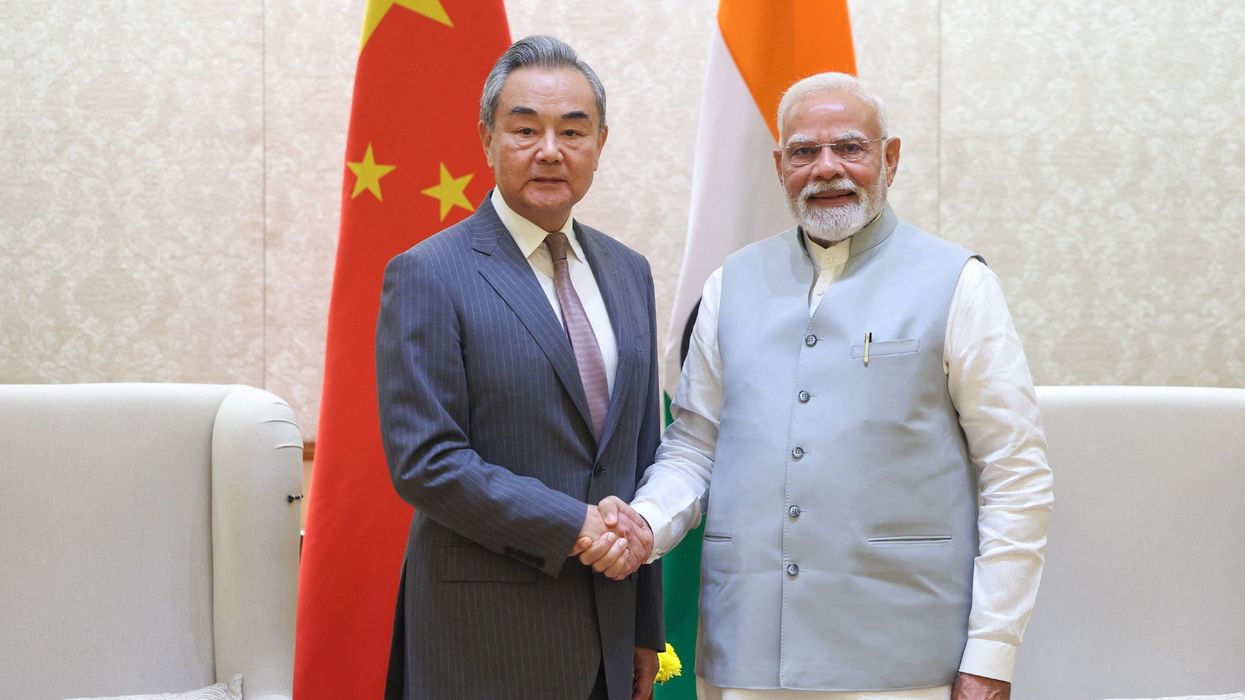
Prime Minister Narendra Modi said the two projects were part of “our efforts towards making India a leader in the global semiconductor value chain”.
“India's advances in the world of semiconductors will boost economic transformation, technological self-reliance and encourage the innovation ecosystem,” he said on social media.
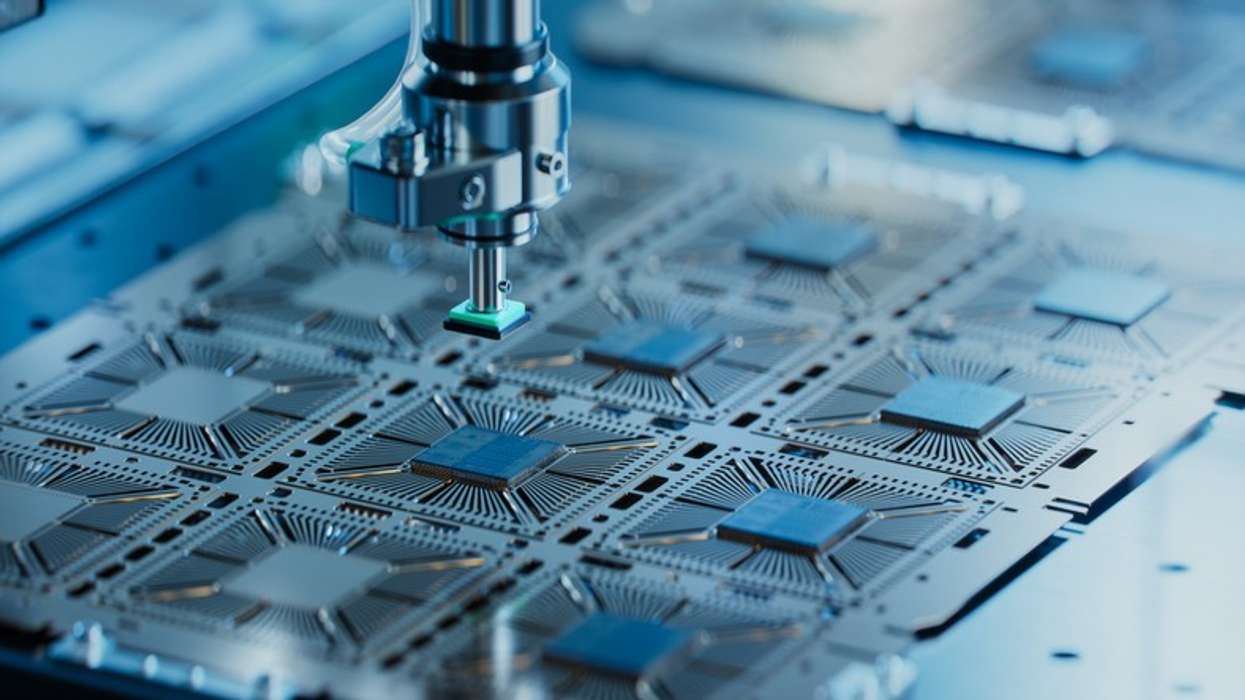
The government said the LED project would be an “integrated facility for compound semiconductor fabrication” that will produce mini and micro display modules.
The semiconductor packaging unit will serve the automotive, industrial and electronics sectors.
In a statement, the government said the projects would provide a “significant boost” to India’s semiconductor ecosystem and would “complement the growing world class chip design capabilities coming up in the country”.
India’s semiconductor market has grown from around $38 billion in 2023 to an estimated $45–$50 billion in 2024–2025.
The government is targeting a semiconductor market size of $100–$110 billion by 2030.
Several previously approved semiconductor plants have already started production, with two facilities beginning commercial shipments.
(With inputs from agencies)