
INDIA has expelled hundreds of ethnic Bengali-speaking Muslims to Bangladesh without following due process, Human Rights Watch (HRW) said on Thursday, accusing the government of violating rules and targeting Muslims.
The government of prime minister Narendra Modi has maintained a strict stance on immigration, particularly from neighbouring Bangladesh. Top authorities have previously referred to migrants as "termites" and "infiltrators".
Critics say these policies have increased fear among India's estimated 200 million Muslims, especially Bengali speakers, a language spoken widely in eastern India and Bangladesh.
According to HRW, over 1,500 Muslim men, women and children were forcibly expelled to Bangladesh between May 7 and June 15, citing data from Bangladeshi authorities.
"India's ruling BJP (Bharatiya Janata Party) is fuelling discrimination by arbitrarily expelling Bengali Muslims from the country, including Indian citizens," said Elaine Pearson, Asia director at HRW.
"The Indian government is putting thousands of vulnerable people at risk in apparent pursuit of unauthorised immigrants, but their actions reflect broader discriminatory policies against Muslims," Pearson added.
New Delhi has said those deported are undocumented migrants.
However, Pearson said claims by authorities that the expulsions were aimed at tackling illegal immigration were "unconvincing" due to "their disregard for due process rights, domestic guarantees, and international human rights standards".
‘They were holding guns’
HRW said it had sent its findings and questions to India’s home ministry but had not received a response.
The report documented the experiences of 18 people.
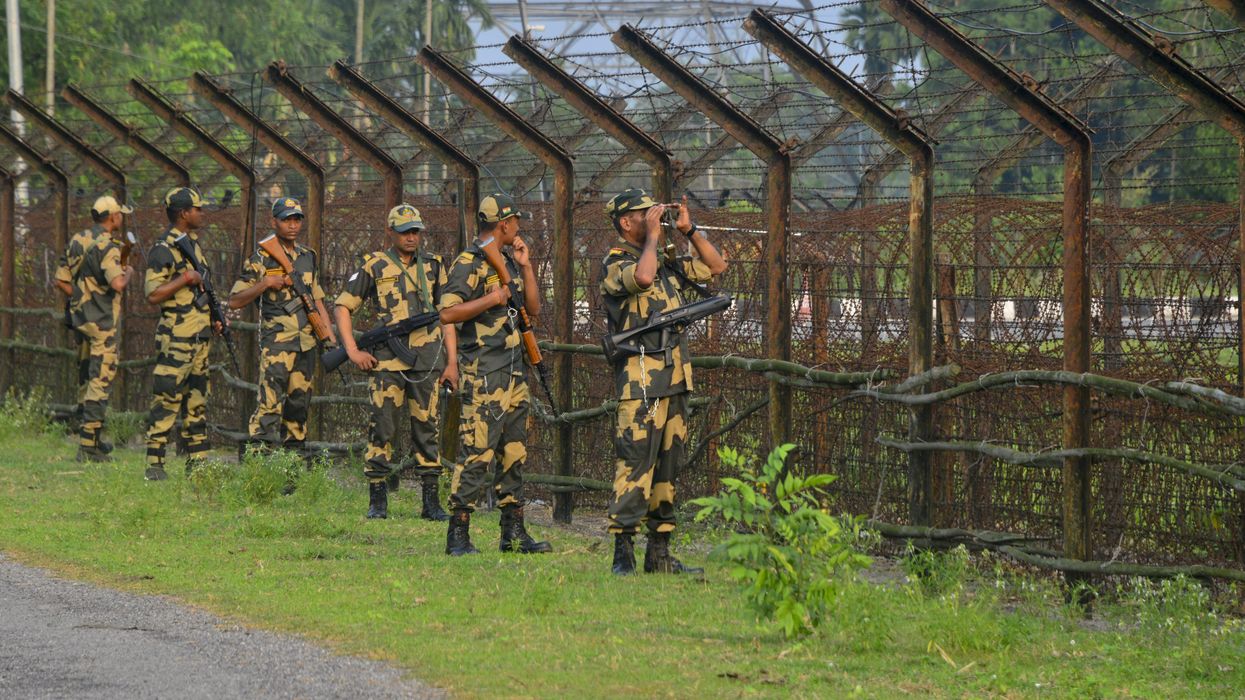
A 51-year-old daily wage worker told HRW that he "walked into Bangladesh like a dead body" after India's Border Security Force (BSF) took him to the border after midnight.
"I thought they (the BSF) would kill me because they were holding guns and no one from my family would know," the worker said in the report.
Bangladesh, mostly surrounded by India, has seen ties with New Delhi deteriorate since a mass uprising in 2024 overthrew Dhaka's pro-India government.
India intensified its operations against migrants after an April attack in Indian-administered Kashmir killed 26 people, mainly Hindu tourists. New Delhi accused Pakistan of supporting the attack, a claim Islamabad denied.
In a nationwide security drive, authorities detained thousands, with many eventually sent across the border to Bangladesh.
"The government is undercutting India's long history of providing refuge to the persecuted as it tries to generate political support," Pearson said.
India has also been accused of deporting Rohingya Muslim refugees to Myanmar, with navy ships leaving them off the coast of the conflict-hit country.
(With inputs from agencies)