
Highlights
- No women aged 20–24 died from cervical cancer in England between 2020 and 2024
- HPV vaccination is estimated to have prevented nearly 200 deaths among young women
- Study provides first direct evidence linking HPV vaccination to reduced cervical cancer mortality
- Vaccine introduced for girls in 2008 in the UK
- Researchers say higher vaccination uptake is needed to protect future gains
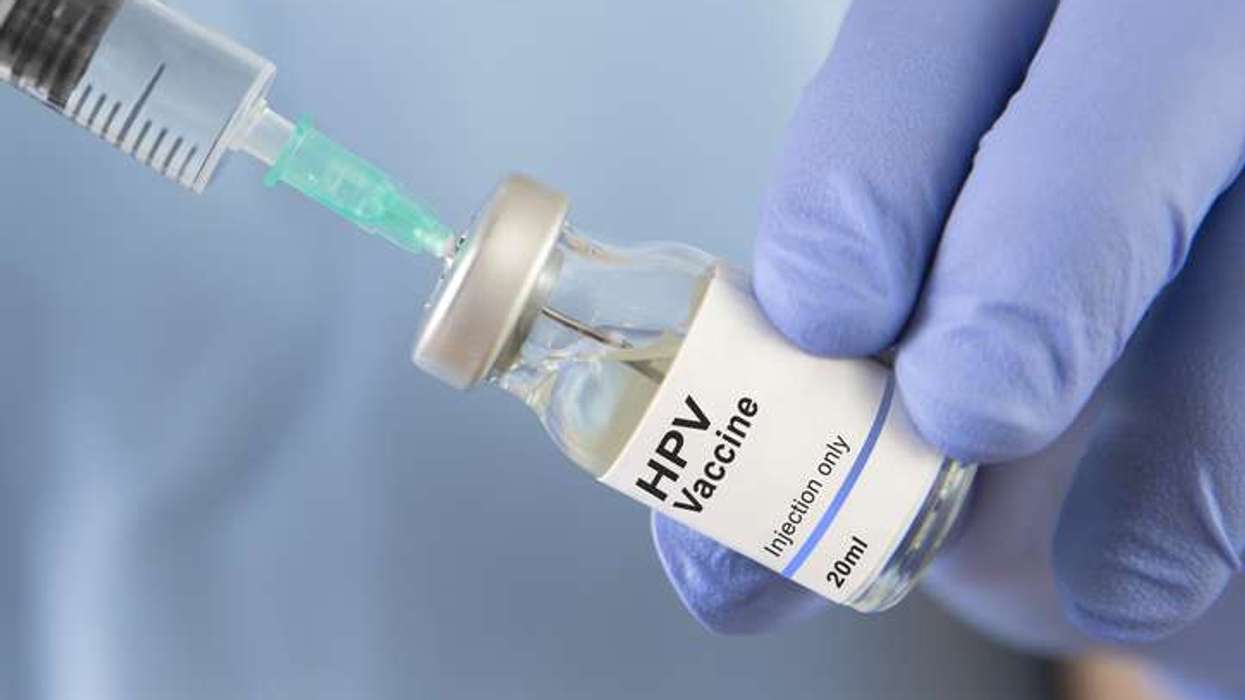
THE HPV vaccine for cervical cancer has reduced the risk of dying from the disease before the age of 30 in England to almost zero, the first study of its kind showed on Thursday (18).
Between 2020 and 2024, no women in the country aged between 20 and 24 died from cervical cancer, according to the study published in The Lancet medical journal.
It is the first time not a single death has been recorded in the age group, with the vaccine estimated to have saved the lives of nearly 200 young women.
In addition to the complete absence of deaths for 2020-24, there was also an 80 percent reduction in the same age group for the four preceding years between 2015 and 2019, the study which examined nation-wide mortality data found.
"Thanks to HPV (human papillomavirus) vaccination and cervical screening, a future where almost nobody gets cervical cancer is now firmly in sight," said Michelle Mitchell, chief executive of Cancer Research UK which funded the research.
The findings by researchers from Queen Mary University of London follows the introduction of the vaccine for British children aged 12-13.
Most common sexually transmitted infection
HPV is the most common sexually transmitted infection. Certain strains can lead to cervical, vulvar, vaginal, and other cancers later in life.
The vaccine was rolled out for girls in 2008 and for boys in 2019.
"Until now, it has not been possible to show directly that HPV (human papillomavirus) vaccination reduces cervical cancer deaths," Cancer Research UK added in a statement.
"With vaccinated generations now reaching adulthood, this study provides the strongest national evidence to date that the vaccine is saving lives."
Australia in 2007 became the first country to embark on a publicly funded school-based HPV vaccination programme targeting adolescent girls.
In 2020, the World Health Organization launched a global strategy to eliminate the disease which is one of the most common female cancers.
'Vaccination prevents the disease'
Lead author Peter Sasieni said two decades' worth of research had shown that vaccinations prevented infections, precancerous changes and the disease itself.
"This is the first study to highlight the impact of HPV vaccinations on cervical cancer mortality," said the professor of cancer epidemiology.
"We estimate that since its introduction, HPV vaccination has prevented nearly 200 young women from dying from cervical cancer in England. But that's just the tip of the iceberg –- as vaccinated generations grow older, we'll see many more lives saved from cervical cancer," he said.
The study found that children who were vaccinated at age 12–13, when the inoculation was most effective, now had "close to zero risk of dying from cervical cancer before the age of 30", Queen Mary University of London added in a statement.
For the cohort in the research, the proportion vaccinated was close to 90 per cent.
But Mitchell said uptake had dropped off in recent years putting the progress achieved "at risk".
Around 76–86 per cent of girls in the UK are vaccinated by age 15, falling short of the 90 per cent target recommended by the WHO.
"It's essential that the UK government and health systems urgently address this with targeted action to reach communities where uptake is the lowest," she said.
(AFP)




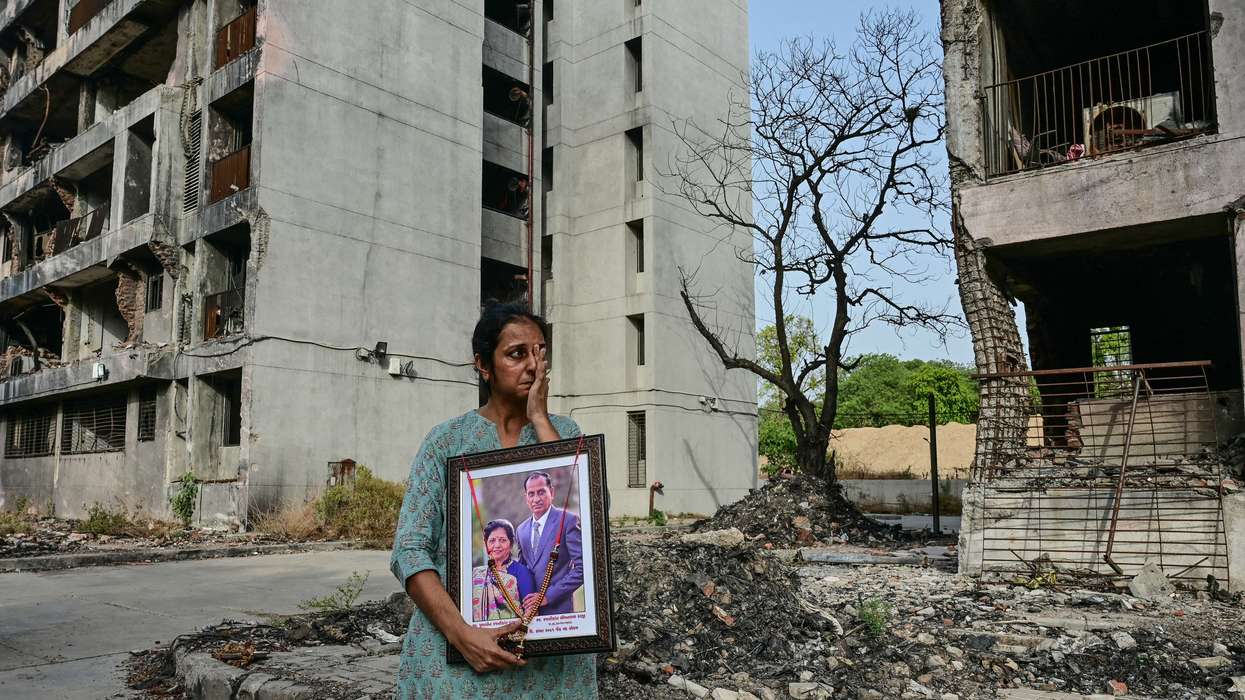
 Relatives of Air India crash victims pay tribute at the crash site last Friday (12Shammi Mehra/AFP via Getty Images
 British high commissioner to India Lindy Cameron joins commemorations in AhmedabadEastern Eye